
Toughened Glass
Toughened Glass vs Wired Glass for Windows: Which is Better for Indian Homes?
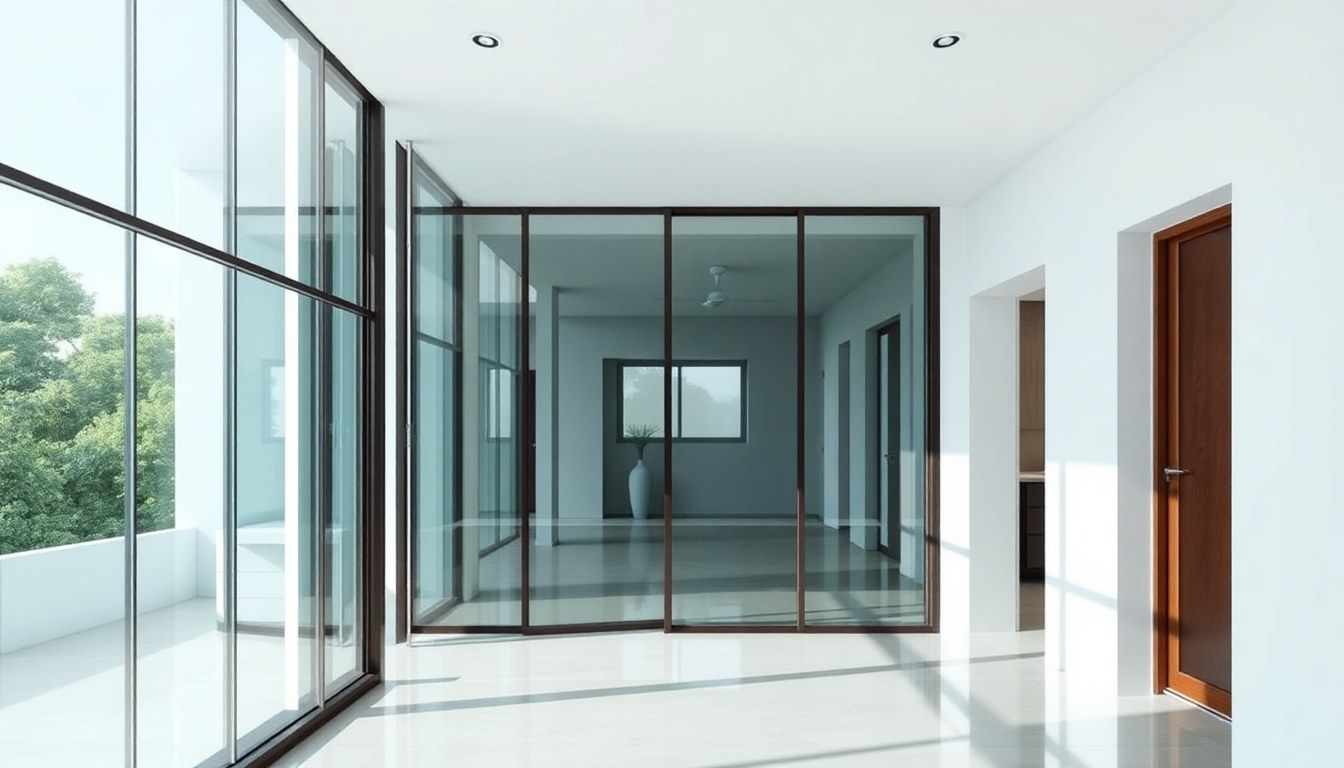
When selecting glass for windows in Indian homes, the choice often narrows down to toughened glass and wired glass—two popular options with distinct characteristics. While toughened glass offers superior strength and safety through thermal treatment, wired glass provides fire resistance with embedded wire mesh, making each suitable for different applications. Understanding their differences in performance, cost, and suitability for India's diverse climate zones will help you make an informed decision for your home.
Understanding Toughened Glass and Wired Glass
Toughened glass, also known as tempered glass, undergoes a controlled thermal treatment process where it is heated to approximately 620°C and then rapidly cooled. This process creates surface compression and internal tension, making the glass four to five times stronger than ordinary annealed glass. When broken, it shatters into small, relatively harmless granular chunks rather than sharp, dangerous shards.
Wired glass, on the other hand, is manufactured by inserting a wire mesh into molten glass during the rolling process. The embedded wire mesh holds the glass fragments together when broken, preventing them from falling out of the frame. This characteristic makes wired glass particularly valued in fire-rated applications, though the glass itself is not stronger than ordinary glass.
The fundamental difference lies in their manufacturing process and intended purpose: toughened glass prioritizes strength and safety, while wired glass focuses on fire containment and fragment retention. Both have earned their place in Indian construction, but their applications vary significantly based on specific requirements.
Safety and Security Comparison
Impact Resistance and Breakage Patterns
Toughened glass excels in impact resistance, withstanding significantly higher force than wired glass before breaking. In Indian homes where children play near windows or in areas prone to accidental impacts, toughened glass provides superior protection. When it does break, the small granular pieces minimize injury risk—a critical safety feature for residential applications.
Wired glass, despite containing wire mesh, is actually weaker than ordinary glass due to the manufacturing process creating internal stress points. The wire mesh does not prevent breakage but merely holds fragments in place. In fact, when wired glass breaks, the exposed wire edges can pose additional injury risks, making it less suitable for areas with high human contact.
Security Against Intrusion
For security-conscious homeowners in urban areas like Delhi, Mumbai, or Bangalore, toughened glass offers better resistance against forced entry. Its strength makes it difficult to break through quickly, deterring potential intruders. However, once breached, the entire panel shatters, creating a large opening.
Wired glass provides a different security advantage: even when broken, the wire mesh remains intact, making it harder to create an opening large enough for intrusion. This characteristic makes wired glass popular in industrial settings and ground-floor windows in certain applications, though it should not be considered a primary security solution.
Fire Resistance and Building Code Compliance
Wired glass has traditionally been specified for fire-rated applications because the wire mesh holds glass fragments in place during a fire, maintaining the integrity of the opening for a limited period. In India, building codes in commercial and industrial structures often require fire-rated glass in specific locations such as fire exits, stairwells, and corridors.
However, it is important to note that standard toughened glass is not fire-rated and will break under extreme heat. For residential applications where fire rating is required, specialized fire-rated glass products are now available that offer better performance than traditional wired glass. These modern alternatives provide both fire resistance and improved safety characteristics.
For most Indian homes, fire rating requirements are minimal, making this less of a deciding factor unless you are building in a high-rise or have specific local building code requirements. Always consult with local authorities and architects to understand applicable fire safety regulations in your area.
Cost Analysis for Indian Homeowners
Toughened glass typically costs between ₹150 to ₹400 per square foot in India, depending on thickness, quality, and supplier location. The price varies across cities, with metropolitan areas generally offering more competitive rates due to higher supply and demand. Installation costs are comparable to regular glass, as toughened glass must be cut to size before the tempering process.
Wired glass is generally less expensive, ranging from ₹100 to ₹250 per square foot. However, this lower initial cost can be offset by other factors. Wired glass has a shorter lifespan due to potential wire corrosion, especially in coastal cities like Mumbai, Chennai, or Kochi where humidity and salt air accelerate deterioration. Rust stains developing within the glass cannot be removed and eventually require panel replacement.
When calculating total cost of ownership over 10-15 years, toughened glass often proves more economical despite higher upfront costs. Its durability, low maintenance requirements, and resistance to environmental degradation make it a better long-term investment for most Indian residential applications.
Performance in Different Indian Climate Zones
Hot and Humid Coastal Regions
In coastal areas, toughened glass significantly outperforms wired glass. The salt-laden air causes rapid corrosion of the wire mesh in wired glass, leading to unsightly rust stains and structural degradation. Toughened glass, being a homogeneous material without embedded metal, remains unaffected by coastal conditions and maintains its clarity and strength over decades.
Additionally, toughened glass can be combined with low-E coatings or tinted options to reduce solar heat gain—a valuable feature in hot, humid climates. This versatility makes it ideal for homes in Mumbai, Goa, Kerala, and other coastal regions where both durability and thermal comfort matter.
Extreme Temperature Variations
In regions experiencing significant temperature fluctuations, such as North India where summers can exceed 45°C and winters drop below 5°C, toughened glass demonstrates superior thermal stress resistance. Its manufacturing process specifically prepares it to handle thermal expansion and contraction without cracking.
Wired glass, with its embedded metal mesh, experiences differential expansion rates between glass and wire, potentially leading to stress cracks over time. This makes toughened glass the preferred choice for cities like Delhi, Jaipur, and Lucknow where seasonal temperature swings are pronounced.
Maintenance and Longevity
Toughened glass requires minimal maintenance—regular cleaning with standard glass cleaners keeps it looking new for years. Its scratch-resistant surface withstands normal wear and tear, and it does not degrade from environmental exposure. With proper installation, toughened glass windows can last 20-25 years or more without replacement.
Wired glass demands more attention and has a shorter serviceable life. The wire mesh can corrode over time, particularly in humid environments, creating permanent stains visible from both sides. Once corrosion begins, it progressively worsens, and there is no effective method to restore the glass's appearance. Homeowners typically need to replace wired glass panels every 10-15 years, sometimes sooner in challenging climates.
Cleaning wired glass also presents challenges. The wire mesh creates a slightly uneven surface that can trap dirt in the glass texture, making it harder to achieve a streak-free finish. This aesthetic consideration matters for homeowners who value clear, unobstructed views from their windows.
Best Applications for Each Glass Type
Toughened glass is the superior choice for most residential window applications in Indian homes. It is ideal for large windows, sliding doors, balcony enclosures, bathroom windows, and any location where safety, clarity, and longevity are priorities. Its strength makes it particularly suitable for high-rise apartments and homes in areas prone to storms or high winds.
Wired glass has become increasingly specialized in its applications. It remains relevant for specific industrial settings, fire-rated partitions in commercial buildings, and certain ground-floor windows where its fragment-retention property is specifically required by building codes. However, for standard residential windows, modern building practices have largely moved away from wired glass in favor of toughened or laminated glass alternatives.
For homeowners seeking both security and safety, laminated toughened glass combines the strength of tempering with the fragment-retention properties of a plastic interlayer, offering advantages that surpass both traditional wired glass and standard toughened glass. While more expensive, this option represents the current best practice for high-security residential applications.
Frequently Asked Questions
Is toughened glass really safer than wired glass for home windows?
Yes, toughened glass is significantly safer for residential applications. It is four to five times stronger than wired glass and breaks into small, relatively harmless granular pieces rather than sharp shards. Wired glass is actually weaker than ordinary glass and can create injury hazards from exposed wire edges when broken. For homes with children or high-traffic areas, toughened glass provides superior safety performance.
Does wired glass provide better security against break-ins?
Wired glass offers limited security benefits. While the wire mesh holds glass fragments together after breakage, making it slightly harder to create an opening, it does not prevent breakage itself. Toughened glass provides better initial resistance to forced entry due to its superior strength. For genuine security, consider laminated toughened glass or dedicated security glazing systems rather than relying on wired glass alone.
Which glass type lasts longer in Indian coastal climates?
Toughened glass significantly outlasts wired glass in coastal environments. The salt air and humidity in coastal areas cause the wire mesh in wired glass to corrode, creating permanent rust stains and eventually requiring replacement within 10-15 years. Toughened glass remains unaffected by these conditions and can last 20-25 years or more with minimal maintenance, making it the clear choice for homes in Mumbai, Chennai, Kochi, and other coastal cities.
Is the higher cost of toughened glass justified for residential windows?
Despite costing approximately 50-60% more initially, toughened glass typically proves more economical over its lifetime. Its superior durability, minimal maintenance needs, longer lifespan, and better performance justify the investment. When you factor in replacement costs, maintenance, and the improved safety and aesthetics, toughened glass offers better value for most Indian homeowners over a 15-20 year period.
Can I replace existing wired glass windows with toughened glass?
Yes, you can replace wired glass with toughened glass in most cases. However, if the original installation was required to meet specific fire-rating requirements in a commercial building or high-rise, you must ensure compliance with local building codes. For standard residential applications, replacing wired glass with toughened glass is straightforward and offers significant improvements in safety, aesthetics, and longevity. Consult with a qualified glass professional to ensure proper sizing and installation.
Choosing the right glass for your windows impacts your home's safety, comfort, and long-term maintenance costs. Whether you decide on toughened glass or wired glass, working with experienced suppliers and installers ensures optimal results. Visit glassy.in, India's largest glass business directory, to connect with verified glass suppliers, manufacturers, and installation professionals in your city who can provide expert guidance and competitive pricing for your window glass needs.