
Toughened Glass
Toughened Glass vs Annealed Glass: Which is Better for Indian Windows?
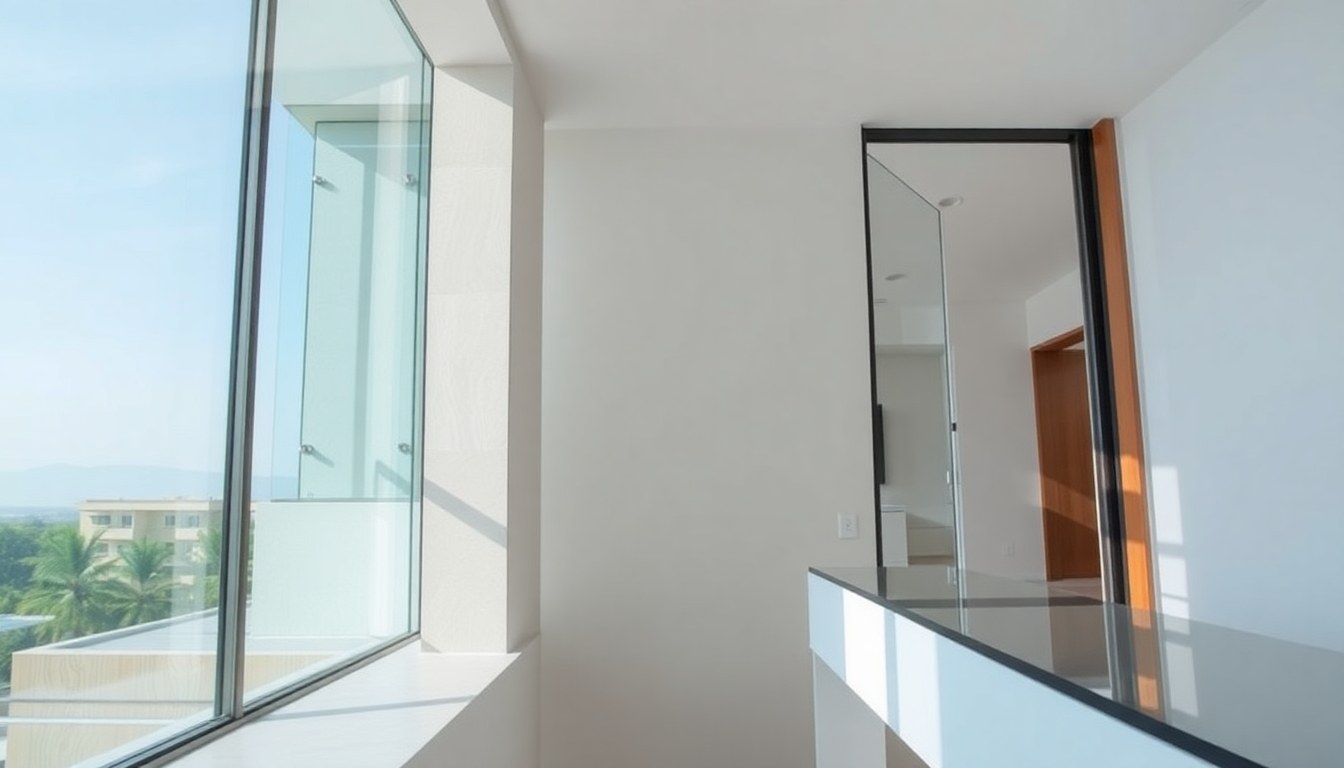
When selecting glass for your home or commercial building in India, the choice between toughened glass and annealed glass can significantly impact safety, energy efficiency, and long-term costs. Toughened glass offers superior strength and safety, breaking into small granular pieces rather than dangerous shards, while annealed glass is the standard, cost-effective option suitable for low-risk applications. This comprehensive guide will help you understand which glass type best suits your specific window requirements across different Indian climate zones.
Understanding Annealed Glass: The Standard Window Glass
Annealed glass is the most common type of glass produced through the float glass manufacturing process. During production, molten glass is cooled slowly in a controlled environment, allowing internal stresses to dissipate naturally. This gradual cooling process creates what we know as standard or normal glass, which serves as the base material for most other glass types.
The primary advantage of annealed glass is its affordability and widespread availability. It can be easily cut, drilled, and processed into various shapes and sizes even after manufacturing. For Indian homeowners working within budget constraints, annealed glass represents the most economical choice for basic window applications, typically costing between ₹80 to ₹150 per square foot depending on thickness and quality.
However, annealed glass has a critical weakness: when it breaks, it shatters into large, sharp, and potentially dangerous shards. This breaking pattern poses significant safety risks, especially in homes with children or in areas prone to impact. Additionally, annealed glass has lower resistance to thermal stress, making it vulnerable to breakage from sudden temperature changes common in many Indian regions.
What Makes Toughened Glass Different?
Toughened glass, also known as tempered glass, undergoes an additional heat treatment process after the initial annealing. The glass is heated to approximately 620°C and then rapidly cooled using high-pressure air jets. This process creates a permanent state of surface compression and internal tension, making the glass four to five times stronger than annealed glass of the same thickness.
The most significant safety advantage of toughened glass is its breaking pattern. When it does break, it fractures into small, relatively harmless granular chunks rather than dangerous shards. This characteristic makes it the preferred choice for applications where human safety is paramount, including large windows, glass doors, shower enclosures, and balcony railings.
Toughened glass also exhibits superior resistance to thermal stress, making it ideal for Indian climates where temperature fluctuations can be extreme. Whether you're in the scorching heat of Rajasthan or the humid coastal regions of Kerala, toughened glass can withstand sudden temperature changes without cracking. The typical cost ranges from ₹180 to ₹350 per square foot, representing a premium of approximately 100-150% over annealed glass.
Limitations of Toughened Glass
Despite its advantages, toughened glass cannot be cut, drilled, or modified after the tempering process. Any required holes, notches, or edge work must be completed before heat treatment. This limitation requires precise planning and measurements during the ordering phase, as any errors can result in costly replacements.
Safety Considerations for Indian Homes
Safety should be the primary consideration when choosing between toughened and annealed glass for windows. Indian building codes and safety standards increasingly recommend or mandate toughened glass in specific applications, particularly in high-rise buildings, areas accessible to children, and locations where impact risk is elevated.
For ground-floor windows, large picture windows, French windows, and any glass installation within 800mm of the floor, toughened glass is strongly recommended. The risk of accidental impact from children playing, furniture movement, or even during festivals and celebrations makes the additional investment worthwhile. In earthquake-prone zones like Delhi, Gujarat, and parts of the Northeast, toughened glass provides an added layer of safety during seismic events.
Annealed glass may be acceptable for upper-floor windows in low-rise buildings, small bathroom windows, and other locations where impact risk is minimal and the window size is limited. However, even in these applications, many architects and safety consultants now recommend toughened glass as the default choice.
Climate Suitability Across Indian Regions
India's diverse climate zones present unique challenges for window glass selection. The thermal stress resistance of toughened glass makes it particularly valuable in regions experiencing extreme temperature variations or intense solar heat.
In northern states like Punjab, Haryana, and Delhi, where summer temperatures exceed 45°C and winters can drop below 5°C, toughened glass handles these extremes without developing stress cracks. The rapid temperature changes during monsoon season, when cool rain hits sun-heated glass, can cause annealed glass to crack, but toughened glass remains stable.
Coastal regions such as Mumbai, Chennai, and Goa face high humidity and salt-laden air. While both glass types require proper sealing and framing, toughened glass provides better long-term durability in these corrosive environments. The stronger surface compression resists minor surface damage that could otherwise propagate into cracks in annealed glass.
High-Altitude and Hill Station Considerations
For properties in hill stations like Shimla, Darjeeling, or Ooty, where temperature fluctuations between day and night can be dramatic, toughened glass offers superior performance. The thermal shock resistance prevents the stress fractures that commonly affect annealed glass in these locations, reducing maintenance and replacement costs over time.
Cost-Benefit Analysis for Indian Homeowners
While toughened glass costs significantly more upfront, a comprehensive cost analysis reveals that it often provides better value over the building's lifetime. Consider a typical 4mm glass installation: annealed glass might cost ₹100 per square foot while toughened glass costs ₹220 per square foot. For a 100 square foot window, that's a difference of ₹12,000.
However, factor in the reduced risk of injury-related medical expenses, lower replacement frequency, better thermal insulation leading to reduced air conditioning costs, and increased property value, and the equation shifts. Toughened glass typically lasts the entire lifetime of the building without requiring replacement due to thermal stress or minor impacts that would shatter annealed glass.
For budget-conscious projects, a hybrid approach works well: use toughened glass for high-risk areas like large windows, ground-floor installations, and bathrooms, while reserving annealed glass for small, high-mounted windows where risk is minimal. This strategy balances safety and cost-effectiveness.
Installation and Maintenance Differences
Both toughened and annealed glass require professional installation to ensure proper sealing, alignment, and weatherproofing. However, toughened glass demands more careful handling during installation due to its edge sensitivity. While the face of toughened glass is extremely strong, the edges remain vulnerable to impact, requiring protective edge treatments and careful framing.
Maintenance requirements are similar for both types. Regular cleaning with standard glass cleaners, inspection of seals and putty, and checking for frame integrity apply equally. However, annealed glass requires more frequent inspection for stress cracks, especially in climate-stressed regions, while toughened glass typically remains stable throughout its service life.
One practical advantage of annealed glass is ease of replacement. If a small annealed window breaks, a local glass vendor can cut a replacement piece quickly and affordably. Toughened glass requires factory processing, meaning longer lead times and potentially higher replacement costs, though the need for replacement occurs far less frequently.
Frequently Asked Questions
Can I replace existing annealed glass windows with toughened glass?
Yes, you can replace annealed glass with toughened glass in existing frames, provided the frames are in good condition and can accommodate the same glass thickness. However, you'll need to provide exact measurements including any required holes or cutouts before ordering, as toughened glass cannot be modified after manufacturing. Consult with a professional glass supplier to ensure compatibility with your existing window frames and hardware.
Is toughened glass necessary for all windows in Indian homes?
While not legally mandatory for all windows, toughened glass is highly recommended for large windows, ground-floor installations, windows near play areas, bathroom enclosures, and any glass within 800mm of the floor. For small, high-mounted windows in low-traffic areas, annealed glass may suffice. However, given India's extreme climate variations and safety considerations, many architects now specify toughened glass as standard for all window applications in new constructions.
How can I identify if my existing window glass is toughened or annealed?
Toughened glass typically has a small permanent marking or stamp in one corner indicating the manufacturer and the word "toughened" or "tempered." You can also look for slight distortions or a faint pattern when viewing the glass through polarized sunglasses, which indicates the stress patterns from tempering. If no marking exists and you see no distortion pattern, the glass is likely annealed. When in doubt, consult a glass professional who can confirm the type.
Does toughened glass provide better security against break-ins?
Toughened glass is stronger and more impact-resistant than annealed glass, but it's not specifically designed for security purposes. Once broken, it shatters completely into small pieces, potentially making entry easier. For security applications, consider laminated glass or laminated toughened glass, which holds together even when broken. Toughened glass primarily serves safety purposes rather than security, though its strength does provide some deterrent value against casual break-in attempts.
What thickness of toughened glass should I choose for windows in India?
For standard residential windows, 5mm or 6mm toughened glass is typically adequate. Larger windows exceeding 15 square feet may require 8mm or 10mm thickness for structural stability. In high-wind zones, coastal areas, or high-rise buildings, 8mm or thicker is recommended. Climate also plays a role: extreme temperature zones benefit from thicker glass for better thermal performance. Consult with a structural engineer or experienced glass supplier to determine the appropriate thickness based on your specific window dimensions, location, and exposure conditions.
Choosing the right glass for your windows is a crucial decision that impacts safety, comfort, and long-term costs. Whether you opt for toughened or annealed glass, ensure you work with reputable suppliers and installers. Visit glassy.in, India's largest glass business directory, to connect with verified glass manufacturers, suppliers, and installation professionals in your area who can provide expert guidance tailored to your specific requirements.