
Toughened Glass
Tinted Glass vs Clear Glass for Windows: Which is Better for Indian Homes?
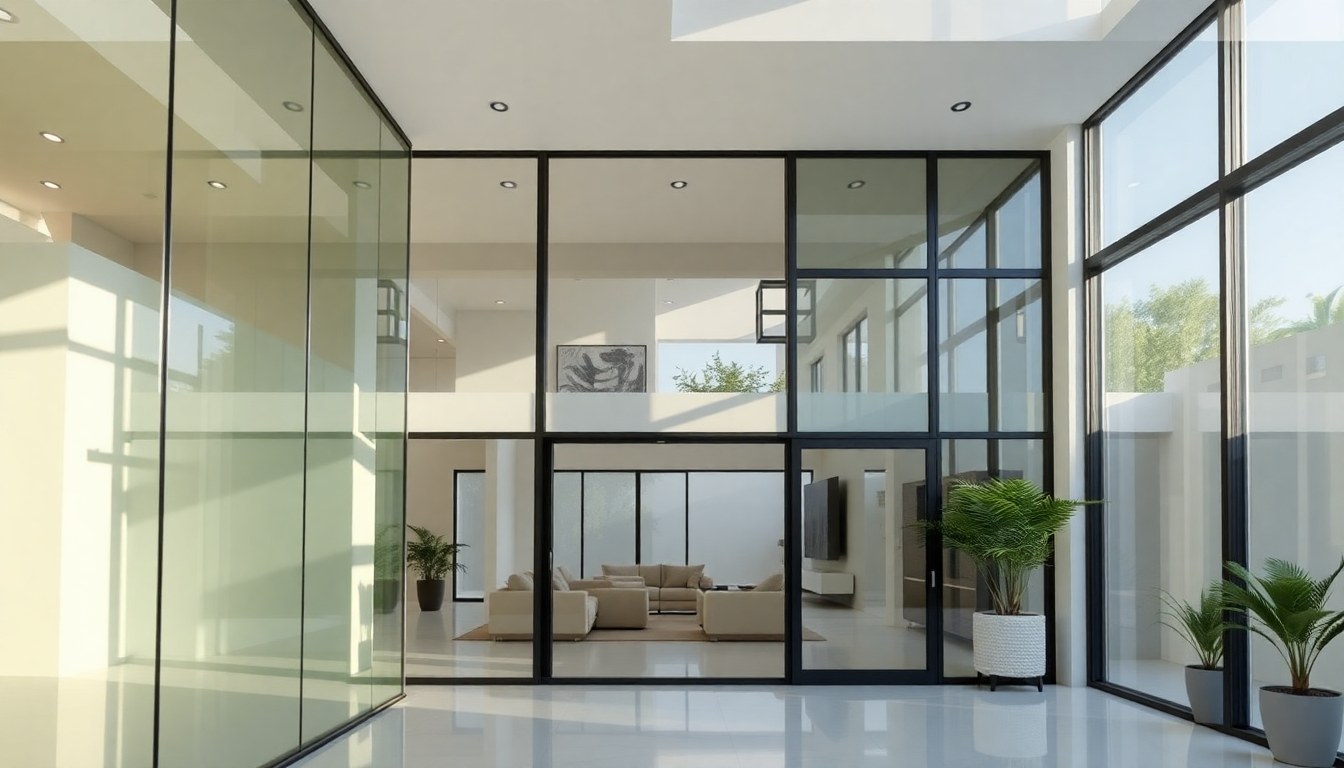
Selecting the right glass for your windows is crucial for comfort, energy efficiency, and aesthetics in Indian homes. While clear glass has been the traditional choice, tinted glass is rapidly gaining popularity for its ability to reduce heat, block harmful UV rays, and enhance privacy. This comprehensive guide compares both options across key factors that matter most to Indian homeowners—from climate control and cost to maintenance and visual appeal.
Understanding Tinted Glass and Clear Glass
Clear glass is the standard transparent glass that allows maximum visible light transmission, typically around 90%. It offers unobstructed views and has been the default choice for residential windows for decades. Clear glass is manufactured by floating molten glass on molten tin, creating a smooth, distortion-free surface that provides excellent clarity.
Tinted glass, on the other hand, is produced by adding color pigments or metallic oxides during the manufacturing process. Common tints include bronze, grey, green, and blue. The tinting process reduces the amount of visible light and solar heat that passes through the glass, typically allowing 30-70% light transmission depending on the tint density. Tinted glass can be further processed into toughened or laminated variants for enhanced safety.
Both types serve different purposes, and the choice largely depends on your specific requirements, geographical location, and budget constraints.
Heat Reduction and Climate Control
India's tropical and subtropical climate makes heat reduction a top priority for most homeowners. This is where tinted glass demonstrates a significant advantage over clear glass. Tinted glass can reduce solar heat gain by 30-50%, making indoor spaces considerably cooler, especially during the scorching summer months when temperatures exceed 40°C in many parts of the country.
Clear glass allows nearly all solar radiation to pass through, which can cause rooms to heat up rapidly. In cities like Delhi, Mumbai, Chennai, and Ahmedabad, homes with clear glass windows often require air conditioning to run longer and at lower temperatures, leading to higher electricity consumption. The greenhouse effect created by clear glass can make rooms uncomfortably warm, particularly those facing east or west.
Tinted glass absorbs a portion of the solar energy before it enters your home. This absorption capability varies by tint color and density—darker tints generally offer better heat rejection. For Indian homes, grey and bronze tints are particularly effective at blocking infrared radiation while maintaining reasonable visibility. This translates to more comfortable living spaces and reduced dependence on cooling systems.
UV Protection and Furniture Preservation
Ultraviolet radiation from the sun causes significant damage to interior furnishings, flooring, artwork, and fabrics. Clear glass blocks only a small percentage of UV rays, typically around 25-30%, leaving your valuable interiors vulnerable to fading, discoloration, and deterioration over time.
Tinted glass provides superior UV protection, blocking up to 95-99% of harmful ultraviolet radiation depending on the tint type and thickness. This protection is especially valuable in Indian homes where intense sunlight is a year-round concern. By installing tinted glass, you can extend the life of your curtains, upholstery, wooden furniture, and expensive carpets significantly.
The cost savings from reduced furniture replacement and maintenance can be substantial over the years. Additionally, UV protection benefits your family's health by reducing exposure to radiation that can cause skin damage, even when indoors near windows.
Privacy and Security Considerations
Privacy is a growing concern in densely populated Indian cities where homes are often built in close proximity. Tinted glass offers enhanced privacy during daytime hours by reducing visibility from the outside while maintaining outward views from inside. This one-way visibility effect is particularly useful for ground-floor apartments, homes facing busy streets, or properties with nearby neighbors.
Clear glass provides no privacy unless combined with curtains, blinds, or frosted films. This means you'll need to keep window treatments closed during the day if privacy is a concern, which defeats the purpose of having windows and reduces natural light intake.
From a security perspective, both tinted and clear glass can be toughened or laminated for enhanced strength. However, tinted glass has a slight advantage as it makes it harder for potential intruders to see inside your home and assess valuables or occupancy patterns. When combined with toughening, tinted glass becomes approximately five times stronger than regular glass and shatters into small, relatively harmless pieces if broken.
Energy Savings and Long-term Costs
The initial cost of tinted glass is higher than clear glass. In India, clear glass typically costs between ₹80-150 per square foot for standard thickness, while tinted glass ranges from ₹120-250 per square foot depending on the tint color, density, and whether it's toughened. Despite the higher upfront investment, tinted glass can deliver significant long-term savings.
By reducing solar heat gain, tinted glass can lower air conditioning costs by 15-30% in Indian homes. For a typical household running AC for 6-8 hours daily during summer months, this translates to savings of ₹1,500-3,000 per month on electricity bills. Over a period of 5-7 years, these savings can offset the additional initial cost of tinted glass installation.
Clear glass requires more investment in window treatments for privacy and heat control. The cost of quality curtains, blinds, or solar films can add up quickly, especially for homes with multiple large windows. When you factor in these additional expenses, the total cost difference between tinted and clear glass solutions narrows considerably.
Maintenance and Durability
Both tinted and clear glass require similar maintenance routines. Regular cleaning with glass cleaners and soft cloths keeps them looking pristine. However, tinted glass has a slight advantage in hiding water spots, dust, and fingerprints due to its darker appearance, requiring less frequent cleaning to maintain a presentable look.
The durability of both glass types is comparable when manufactured to the same quality standards. Tinted glass does not fade or lose its color over time as the tinting is integrated during manufacturing, not applied as a surface coating. Both options can last 20-30 years or more with proper care.
Aesthetics and Natural Light
Clear glass maximizes natural light transmission, creating bright, airy interiors that feel spacious and connected to the outdoors. This is ideal for homes in cooler regions or those with limited natural light. The unobstructed transparency of clear glass maintains the true colors of outdoor views and doesn't alter the appearance of your home's facade.
Tinted glass reduces natural light intake, which can make rooms slightly darker. However, modern tinted glass options are available in lighter shades that balance heat reduction with adequate illumination. The aesthetic appeal of tinted glass is subjective—many homeowners appreciate the sleek, contemporary look it provides, especially for modern architectural styles.
From the exterior, tinted glass gives buildings a uniform, sophisticated appearance that's popular in commercial and high-end residential properties. The reflective quality of some tinted glass types can enhance curb appeal and make properties stand out in the neighborhood.
Which Glass is Better for Your Indian Home?
The choice between tinted and clear glass depends on your specific circumstances and priorities. Tinted glass is the superior choice if you live in hot climates, face direct sunlight for extended hours, prioritize energy savings, or need daytime privacy. It's particularly recommended for windows facing south, east, or west in Indian homes, where solar heat gain is most intense.
Clear glass remains appropriate for north-facing windows that receive minimal direct sunlight, homes in cooler hill stations, or rooms where maximum natural light is desired. It's also the more budget-friendly option for those with strict financial constraints or properties where heat gain isn't a significant issue.
Many Indian homeowners adopt a hybrid approach, using tinted glass for sun-facing windows and clear glass for others. This strategy optimizes both cost and performance, providing heat reduction where needed while maintaining brightness in less affected areas.
Frequently Asked Questions
Does tinted glass really reduce electricity bills in Indian homes?
Yes, tinted glass can reduce air conditioning costs by 15-30% in Indian homes by blocking solar heat. The actual savings depend on factors like window size, tint density, AC usage patterns, and local climate. Homeowners in hot regions like Rajasthan, Gujarat, and Andhra Pradesh typically see the most significant benefits, with monthly savings ranging from ₹1,500 to ₹3,000 during peak summer months.
Can I apply tint film to existing clear glass instead of replacing windows?
Yes, window tint films are available as an alternative to tinted glass and cost significantly less, typically ₹50-150 per square foot including installation. However, films may peel, bubble, or fade over 3-5 years and generally provide less heat rejection than factory-tinted glass. For long-term performance and durability, replacing with tinted glass is the better investment, though films work well for renters or those on tight budgets.
Which tint color is best for Indian climate conditions?
Grey and bronze tints are most popular for Indian homes as they offer excellent heat rejection while maintaining neutral aesthetics. Grey tint provides the most natural color rendering for outdoor views, while bronze adds warmth to the interior ambiance. Green and blue tints are also available but may alter the appearance of outdoor scenery. Darker tints block more heat but reduce light transmission proportionally.
Is tinted glass suitable for all rooms in a house?
Tinted glass works best for living rooms, bedrooms, and spaces facing direct sunlight. However, it may not be ideal for rooms requiring maximum natural light, such as study rooms, artist studios, or spaces used for detailed work. North-facing windows and areas in cooler climates may benefit more from clear glass. Many homeowners use tinted glass selectively based on each room's orientation and purpose.
Does tinted glass require special cleaning products or maintenance?
No, tinted glass requires the same cleaning routine as clear glass. Use standard glass cleaners or a mixture of water and mild detergent with a soft cloth or squeegee. Avoid abrasive materials that could scratch the surface. Tinted glass actually shows dirt and water spots less prominently than clear glass, potentially requiring less frequent cleaning to maintain appearance.
Choosing the right glass for your windows is an investment in your home's comfort, energy efficiency, and long-term value. Whether you opt for tinted or clear glass, ensure you work with experienced suppliers and installers. Visit the glassy.in directory to connect with trusted glass manufacturers, suppliers, and installation professionals across India who can help you make the best choice for your specific needs and provide quality products at competitive prices.