
Interior Design
Tinted Glass for Home Cinema & Media Rooms: Light Control Solutions
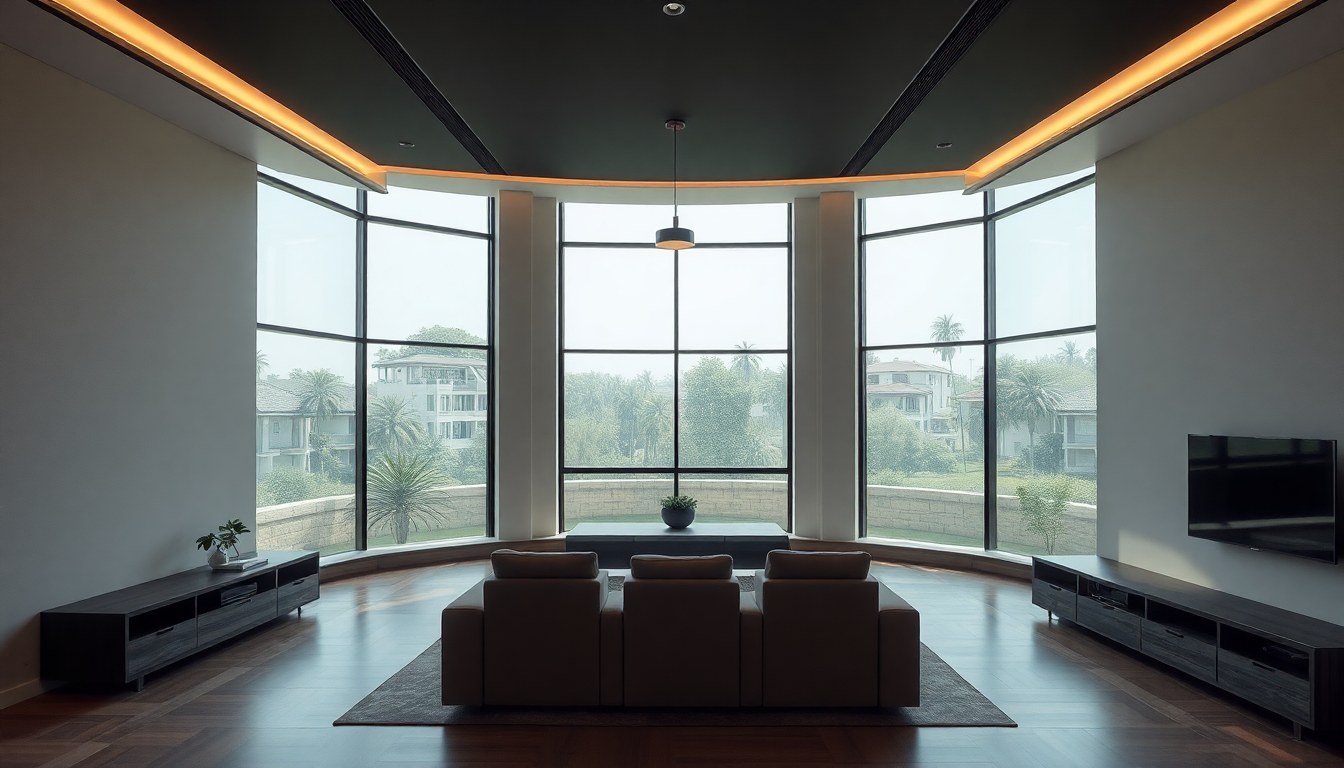
Creating the perfect home cinema requires more than just high-end audio and video equipment—light control is equally critical. Tinted glass offers a sophisticated, flexible solution for managing ambient light and reducing glare in entertainment spaces, allowing you to enjoy movies and content with optimal picture quality. Whether you're designing a dedicated media room or integrating cinema elements into your living space, understanding tint options and installation techniques will help you achieve professional-grade viewing conditions.
Why Light Control Matters in Home Cinema Design
Uncontrolled ambient light is the enemy of home cinema performance. Even small amounts of stray light can wash out contrast, reduce color accuracy, and create annoying reflections on screens. Traditional blackout curtains work, but they often look industrial and take up valuable wall space. Tinted glass provides a permanent, elegant alternative that manages light continuously while maintaining the visual openness of your room.
Professional cinema designers have long recognized that light control directly impacts viewer comfort and picture quality. When designing a media room, controlling light levels helps preserve the integrity of the content creator's original vision. This is particularly important for dark scenes in films or streaming content, where crushed blacks and lost shadow detail become immediately apparent in poorly lit rooms.
Understanding Tint Types and Their Light Control Properties
Gray Tinted Glass
Gray tint is the most neutral option for home cinema applications. It reduces visible light transmission uniformly across the color spectrum, typically blocking 50–70% of incoming light depending on the tint density. This neutral approach means colors on your screen remain true and unaffected by the glass itself.
Gray tint works exceptionally well in rooms with large windows facing north or in shaded areas where you need moderate light reduction without complete darkness. It's also the most versatile choice if your media room serves multiple purposes during the day. The neutral tone doesn't impart any color cast to your viewing experience, making it ideal for color-critical applications like photography editing or design work.
Bronze Tinted Glass
Bronze tint adds warmth while providing excellent glare reduction. It typically blocks 40–60% of light and subtly warms the ambient environment, which some users find psychologically soothing during extended viewing sessions. Bronze glass is particularly effective at filtering blue light, which can contribute to eye strain during long movie marathons.
This tint type performs exceptionally well in rooms with east or west-facing windows where sunlight is intense during morning or afternoon hours. The warm tone can complement traditional or transitional interior design styles, making it a popular choice for media rooms that are also part of the main living space. However, be aware that bronze tint may slightly warm the color temperature on your screen, which could affect color accuracy for critical viewing.
Green Tinted Glass
Green tint is less common for home cinema but offers unique advantages for specific situations. It reduces glare effectively while maintaining better visibility of the surrounding environment compared to gray or bronze options. Green tint blocks approximately 50–65% of light and is particularly effective at reducing eye fatigue, which is why it's often used in office environments.
Green glass works well in media rooms where you occasionally need to see the space clearly—for instance, during intermissions or when guests arrive. It's an excellent choice if your media room doubles as a guest bedroom or multipurpose space. The subtle green tone is less noticeable than bronze and more visually interesting than gray, offering a middle ground for design-conscious homeowners.
Light Transmission and Glare Reduction Explained
Light transmission is measured as a percentage—higher percentages mean more light passes through the glass. For home cinema applications, you typically want 30–50% light transmission to achieve darkness suitable for viewing without complete blackout. The specific percentage depends on your room's existing light sources, window size, and orientation.
Glare occurs when light reflects off the screen or glass surfaces at angles that reach your eyes directly. Tinted glass reduces glare through two mechanisms: it absorbs much of the incident light before it can reflect, and its slightly darker appearance reduces the contrast between bright reflections and dark screen areas. This combination creates a more comfortable viewing experience, particularly in rooms with large south-facing windows.
When selecting tint density, consider:
- Your room's geographic orientation and sun exposure patterns
- The size and number of windows in your media space
- Your screen size and viewing distance
- Whether the room serves multiple purposes throughout the day
- Local climate and seasonal light variations
Installation Considerations and Best Practices
Professional Installation vs. DIY Approaches
While some homeowners attempt DIY tinted film application, professionally installed tinted glass offers superior results and longevity. Tinted glass can be installed as fixed windows, sliding panels, or even as decorative partitions that separate your media room from adjoining spaces. Professional installers ensure proper sealing, alignment, and finish that DIY approaches rarely achieve.
For home cinema applications, consider working with experienced architects and interior designers who understand both glass specifications and cinema design principles. Studio ARCPLUS CONSTRUCTION and Vastulinear Pvt Ltd are experienced in integrating specialized glass solutions into residential projects across Delhi.
Installation Locations and Configurations
In home cinema design, tinted glass is most effective on windows and glass doors. Consider these installation strategies:
- Window replacement: Replace standard glass with tinted glass in windows that face the screen or create reflections
- Tinted glass partitions: Install tinted glass walls to separate your media room from bright adjacent spaces while maintaining visual connection
- Glass doors: Apply tinting to glass doors that open into your media room to prevent light leakage
- Clerestory windows: Tint upper windows that provide ambient light without direct screen reflection
Thermal and Acoustic Benefits
Beyond light control, tinted glass provides additional benefits for media rooms. It reduces heat gain from sunlight, which helps maintain comfortable temperatures and reduces air conditioning costs—particularly valuable in Indian climates. Many tinted glass options also provide modest sound dampening, which complements your home cinema's acoustic treatment and helps prevent external noise from disrupting your viewing experience.
Designing Your Media Room with Tinted Glass
Effective media room design integrates tinted glass with other light control elements. Combine tinted glass windows with motorized roller shades or blackout curtains for maximum flexibility. This layered approach lets you adjust light levels throughout the day—using tinted glass for baseline reduction and curtains for complete darkness during evening viewing sessions.
Color coordination matters too. Tinted glass interacts with your room's paint colors, furnishings, and décor. Gray tint pairs well with neutral interiors and modern aesthetics. Bronze complements warm, traditional designs. Green works beautifully in contemporary or nature-inspired spaces. Consult with design professionals like TATTVA, The House Of Designs to ensure your tinted glass choices harmonize with your overall interior vision.
Consider also the aesthetic impact of visible glass edges and framing. Frameless tinted glass installations create a seamless, premium appearance, while framed options offer traditional appeal and easier installation in some cases. Your choice depends on your home's architectural style and your personal preferences.
Maintenance and Long-Term Performance
Tinted glass requires minimal maintenance compared to other light control solutions. Regular cleaning with standard glass cleaner keeps it performing optimally. Unlike fabric curtains that accumulate dust and require frequent washing, tinted glass maintains its appearance and light-blocking properties indefinitely with basic care.
Quality tinted glass resists fading, discoloration, and degradation from UV exposure. High-performance options include UV-protective coatings that further extend lifespan and protect your furnishings from sun damage. When investing in tinted glass for your home cinema, choose products with solid warranties and confirm that your installer offers maintenance support.
Frequently Asked Questions
What tint percentage should I choose for a home cinema?
For dedicated media rooms, aim for 30–50% visible light transmission (VLT). This range provides sufficient darkness for screen visibility while maintaining some ambient awareness. If your room has multiple windows or intense sun exposure, consider 20–30% VLT. If the space serves dual purposes, 50–70% VLT offers more flexibility. Test samples in your actual room before committing to installation.
Can tinted glass be combined with other window treatments?
Yes, absolutely. Tinted glass works excellently with blackout curtains, motorized shades, or roller blinds. This combination gives you maximum flexibility—use tinted glass for baseline light reduction and add curtains for complete darkness when needed. Many professional installations include both for optimal control and aesthetic appeal.
Does tinted glass affect screen color accuracy?
Gray tint has minimal impact on color accuracy since it reduces light uniformly across the spectrum. Bronze tint may slightly warm colors, while green tint can introduce a subtle color shift. For color-critical work, gray is the safest choice. However, the impact is usually negligible for casual movie watching and entertainment use.
How much does tinted glass installation cost in India?
Costs vary based on tint type, glass quality, window size, and installation complexity. Budget ₹500–₹1,500 per square foot for quality tinted glass with professional installation. Custom configurations and premium products may cost more. Get quotes from multiple installers to compare pricing and services.
Is tinted glass better than blackout curtains for media rooms?
Both have advantages. Tinted glass offers permanent light control, cleaner aesthetics, and lower maintenance. Blackout curtains are more affordable and flexible but require regular cleaning and eventual replacement. Many homeowners choose tinted glass for its elegance and durability, especially in dedicated cinema spaces.
Transform Your Media Room with Professional Tinted Glass Solutions
Tinted glass represents a smart investment in your home cinema experience, delivering superior light control, aesthetic appeal, and long-term value. Whether you choose gray for neutral performance, bronze for warmth, or green for versatility, the right tint will elevate your viewing environment and protect your investment in quality entertainment equipment. Ready to explore tinted glass options for your media room? Visit glassy.in to connect with experienced glass specialists and interior designers in your area who can guide you through the selection and installation process.