
Interior Design
Fluted & Reeded Glass for Interior Partitions: Design Trends 2026
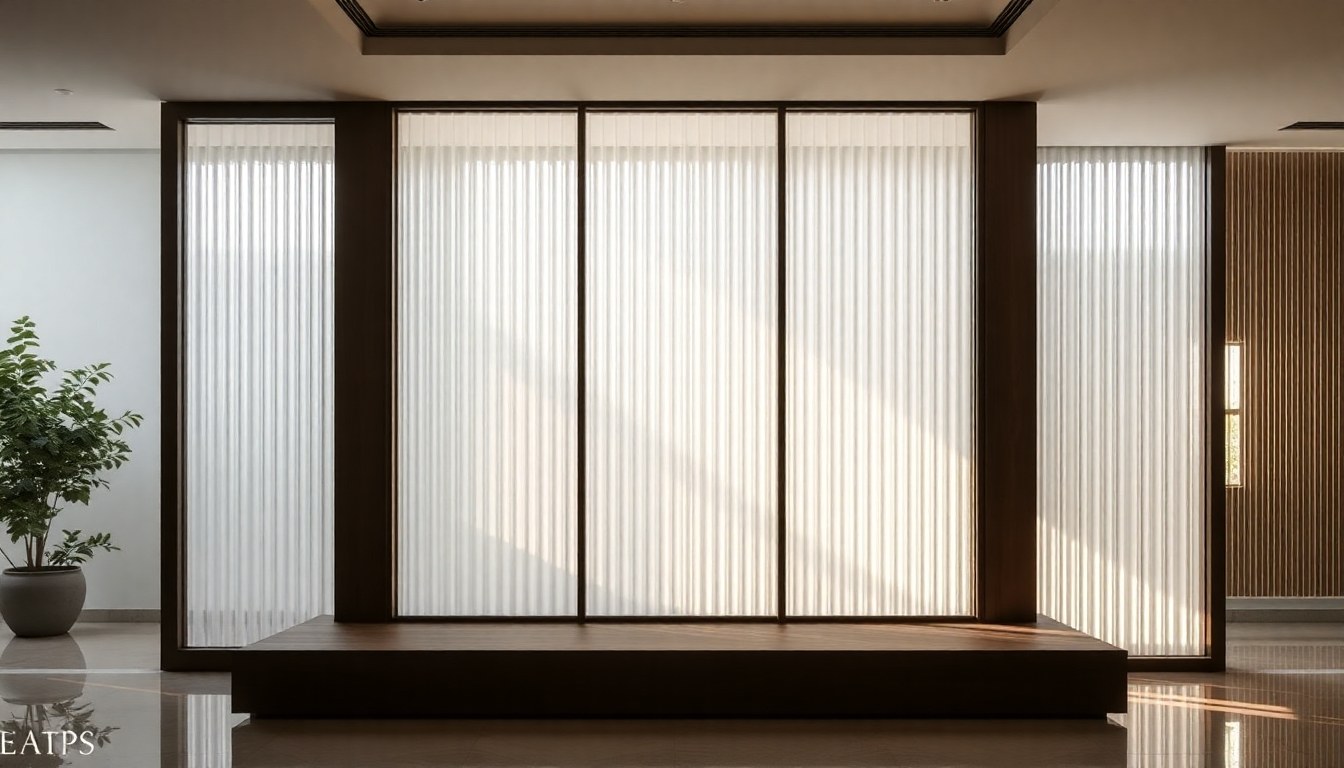
Fluted and reeded glass has become the go-to choice for architects and interior designers looking to create sophisticated, functional partitions that balance privacy with aesthetic appeal. Unlike plain glass, these textured surfaces diffuse light beautifully while adding visual depth and character to any space. As we move into 2026, this design trend continues to dominate both residential and commercial interiors across India, offering versatile solutions that elevate modern architecture.
What Are Fluted and Reeded Glass Partitions?
Fluted and reeded glass are specialized glass products featuring parallel grooves or ridges on the surface. The primary difference lies in the pattern: fluted glass has deeper, more pronounced grooves, while reeded glass features finer, more delicate lines. These textures are created during the manufacturing process, either by rolling the molten glass or through precision molding techniques.
These textured glasses serve as excellent alternatives to frosted or sandblasted glass, offering superior durability and easier maintenance. The grooved surface creates an optical illusion that obscures the view from certain angles while still allowing light to pass through, making them ideal for partitions in offices, bedrooms, bathrooms, and commercial establishments. In India, premium manufacturers in cities like Mumbai, Bangalore, and Delhi have perfected these techniques, producing high-quality fluted and reeded glass suitable for various applications.
Key Characteristics
- Light Diffusion: The textured surface scatters light evenly, reducing glare and creating ambient illumination
- Privacy Without Darkness: Obscures direct views while maintaining brightness in interior spaces
- Durability: More resistant to scratching and wear compared to frosted finishes
- Easy Maintenance: Smooth grooves don't trap dust like some textured surfaces
- Aesthetic Versatility: Works with minimalist, contemporary, and traditional design schemes
Design Trends Shaping 2026
The interior design landscape of 2026 emphasizes sustainability, biophilic design, and maximizing natural light in enclosed spaces. Fluted and reeded glass aligns perfectly with these priorities. Designers are increasingly combining textured glass with natural materials like wood, stone, and metal to create harmonious, layered interiors that feel both modern and organic.
One dominant trend is the integration of fluted glass in open-plan offices and residential lofts, where privacy is needed without sacrificing the sense of spaciousness. Another emerging pattern is the use of asymmetrical fluting—where grooves vary in depth and width—to create visual interest and shadow play throughout the day. Color-tinted fluted glass in soft tones like sage green, warm gray, and soft blue is also gaining traction in premium residential projects across metropolitan India.
Minimalist Aesthetics
Clean lines and understated elegance define 2026's design philosophy. Fluted glass partitions with slim aluminum or steel frames create a refined, contemporary look that appeals to modern homeowners and corporate clients alike. The texture itself becomes the design statement, eliminating the need for additional decorative elements.
Biophilic Integration
Combining fluted glass partitions with indoor plants and natural wood elements creates spaces that feel connected to nature. This trend is particularly popular in wellness centers, yoga studios, and high-end residential projects in cities like Bangalore and Pune, where residents prioritize mental well-being.
Applications in Residential Spaces
Residential applications for fluted and reeded glass have expanded significantly. Homeowners now use these partitions to separate bedrooms from ensuite bathrooms, create home offices with visual separation from living areas, and define spaces in open-plan homes without sacrificing the sense of openness.
In master bedrooms, fluted glass sliding doors provide privacy while maintaining the bedroom's connection to the rest of the home. Kitchen-dining separations benefit from fluted glass, which allows light from dining areas to illuminate kitchens while maintaining visual distinction between spaces. Bathroom partitions made from reeded glass offer privacy while creating an elegant spa-like atmosphere.
Price Considerations for Homeowners
Fluted glass partitions in India typically range from ₹2,500 to ₹6,000 per square foot, depending on thickness, pattern intricacy, and frame materials. Standard fluting patterns are more affordable, while custom or asymmetrical designs command premium pricing. Installation costs add another ₹500 to ₹1,500 per square foot. Many homeowners find the investment worthwhile given the durability and timeless appeal of these partitions.
Commercial and Corporate Applications
Commercial spaces benefit enormously from fluted glass partitions. Modern offices in Bangalore's tech corridors and Mumbai's business districts increasingly adopt these partitions to create collaborative yet private work environments. Conference rooms separated by fluted glass allow natural light to reach interior spaces while maintaining acoustic privacy when combined with sound-dampening materials.
Retail establishments use fluted glass to create visual interest in storefronts while protecting merchandise displays from direct view. Hospitality venues—hotels, restaurants, and wellness centers—employ reeded glass to delineate spaces elegantly without creating a heavy, enclosed feeling. Banks and financial institutions use fluted partitions to separate customer service areas while maintaining transparency and trust.
Acoustic and Functional Benefits
- When combined with appropriate backing materials, fluted glass improves sound insulation
- The textured surface can accommodate integrated blinds or shading systems
- Tempered fluted glass meets safety standards for commercial installations
- Easy to clean and maintain in high-traffic commercial environments
Material Specifications and Technical Considerations
When selecting fluted or reeded glass for partitions, several technical factors matter. Thickness typically ranges from 6mm to 12mm, with thicker glass offering better sound insulation and structural stability. Tempered fluted glass is essential for safety in residential and commercial applications, as it shatters into small, harmless pieces if broken, compared to sharp shards from regular glass.
The pattern depth affects light diffusion significantly. Deeper fluting provides greater privacy but reduces light transmission. Shallow reeding maintains better transparency while still obscuring direct views. Manufacturers in India now offer laminated fluted glass options that combine safety with enhanced acoustic performance—particularly valuable in office environments.
Framing Systems
The frame material dramatically influences the final aesthetic and cost. Aluminum frames are lightweight, affordable, and work with contemporary designs. Steel frames provide an industrial look suited to loft conversions and modern commercial spaces. Timber frames create warmth and suit traditional or transitional interiors. Frameless systems using structural silicone offer a minimalist appearance but require skilled installation.
Maintenance and Longevity
One significant advantage of fluted and reeded glass over frosted alternatives is ease of maintenance. The grooved surface doesn't trap dust like frosted finishes. Regular cleaning with mild soap and water, followed by drying with a soft cloth, keeps the glass looking pristine. Avoid abrasive cleaners that might damage the texture.
Tempered fluted glass maintains its integrity for 15-20 years or longer with proper care. The textured surface actually hides minor scratches and dust spots better than clear glass, making these partitions practical for busy households and high-traffic commercial spaces. UV-protective coatings can be applied to prevent color fading in tinted fluted glass exposed to direct sunlight.
Frequently Asked Questions
What is the difference between fluted and reeded glass?
Fluted glass features deeper, more pronounced grooves that create stronger visual texture and greater privacy. Reeded glass has finer, more delicate parallel lines that maintain better light transmission while still providing privacy. Both serve similar functions, but the choice depends on your privacy needs and aesthetic preference. Fluted glass is better for areas requiring maximum privacy, while reeded glass suits spaces where you want to maintain brightness and openness.
Can fluted glass be used in bathrooms and wet areas?
Yes, fluted glass works excellently in bathrooms when properly installed. Tempered fluted glass is safe and durable for shower enclosures and bathroom partitions. The textured surface provides privacy while allowing light through. Ensure proper sealing around frames to prevent water infiltration, and use appropriate drainage systems. Laminated fluted glass offers additional safety benefits in wet areas.
Is fluted glass more expensive than regular glass partitions?
Fluted glass typically costs 20-40% more than plain glass due to the specialized manufacturing process. However, when compared to frosted glass or other privacy solutions, pricing is competitive. The durability and aesthetic appeal often justify the additional investment. Custom patterns and tinted options increase costs further, but standard fluting patterns remain affordable for most residential and commercial budgets.
How much light passes through fluted glass?
Fluted glass typically allows 70-85% of light to pass through, depending on groove depth and pattern. This makes it excellent for maintaining brightness while providing privacy. Deeper fluting reduces light transmission slightly but increases privacy. Unlike solid walls, fluted glass partitions allow natural light to reach interior spaces, reducing reliance on artificial lighting and creating more pleasant, energy-efficient environments.
What frame materials work best with fluted glass partitions?
Aluminum, steel, timber, and frameless silicone systems all work well with fluted glass. Aluminum is cost-effective and contemporary, steel offers industrial aesthetics, timber adds warmth, and frameless systems provide minimalist elegance. Your choice should complement your interior design style and budget. In India, aluminum framing is most popular for commercial applications, while residential projects often use timber or steel frames for added character.
Transform Your Spaces with Textured Glass Solutions
Fluted and reeded glass partitions represent a sophisticated investment in your interior design, offering the perfect balance between privacy, light, and aesthetics. Whether you're designing a modern office, renovating a home, or creating a premium hospitality space, these textured glass solutions deliver lasting value and visual appeal. Explore verified glass suppliers, manufacturers, and installation professionals on the Glassy.in directory to find the perfect fluted and reeded glass solution for your next project.