
Glass Railings
Tinted Glass for Balcony Railings: UV Protection & Aesthetic Choices
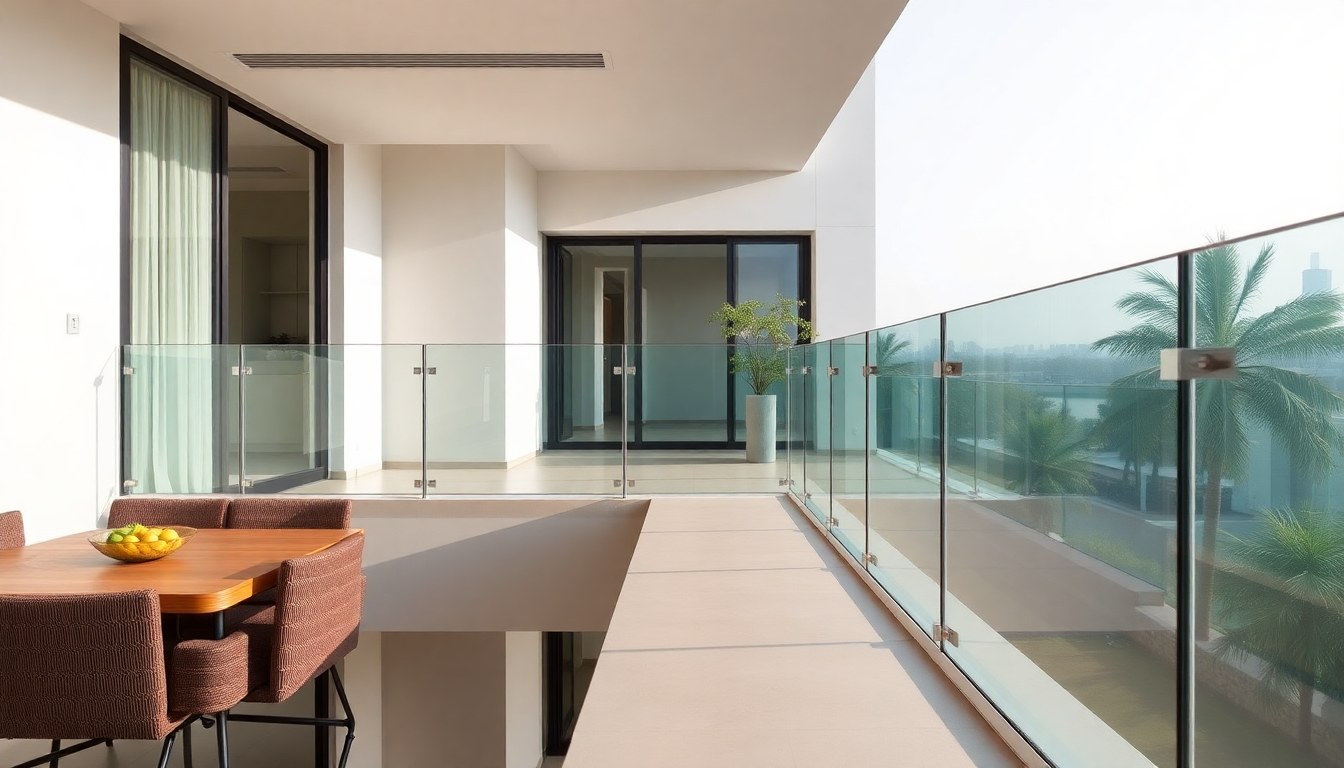
Balcony railings do more than ensure safety—they define your home's exterior character and protect your family from harmful UV rays. Tinted glass has emerged as the preferred choice for modern Indian apartments, blending functionality with contemporary design. Whether you're renovating an existing balcony or designing a new one, understanding tinted glass options helps you make an informed decision that balances protection, durability, and visual appeal.
Why Tinted Glass for Balcony Railings?
Tinted glass offers significant advantages over clear or untreated glass for balcony applications. The tinting process adds a layer of protection that filters harmful ultraviolet radiation, reducing heat gain inside your home and protecting furniture, flooring, and artwork from fading. This is particularly important in India's intense climate, where direct sunlight can damage interiors within months.
Beyond UV protection, tinted glass enhances privacy without compromising visibility from inside. Residents can enjoy unobstructed views of the outdoors while reducing the ability of outsiders to see directly into living spaces. Additionally, tinted glass maintains structural integrity and safety compliance, as most balcony railing glass is tempered or laminated—tinting simply adds another layer of benefit.
- Reduces UV radiation by 50-99% depending on tint depth
- Lowers interior temperature by 5-10°C during peak hours
- Protects interior furnishings from colour fading
- Enhances privacy without sacrificing outward views
- Improves aesthetic appeal and property value
Understanding UV Protection in Tinted Glass
UV radiation consists of UVA and UVB rays that penetrate standard glass, causing fading, discoloration, and skin damage. Tinted glass is manufactured with additives or coatings that absorb or reflect these rays before they enter your home. The level of protection depends on the tint type, thickness, and colour—darker tints generally offer stronger UV filtering, though modern technology allows lighter tints to provide excellent protection too.
In India's tropical and subtropical climate, where UV Index levels often exceed 10 during midday, UV-protective glass is not a luxury but a necessity. Families with young children, elderly members, or those with sensitive skin benefit significantly from this protection. Additionally, protecting interior furnishings—especially wooden furniture, carpets, and artwork—saves thousands of rupees in replacement and restoration costs over time.
How Tinting Works
Tinted glass is produced by adding metallic oxides during the glass manufacturing process or by applying specialized coatings post-production. The most common method involves adding iron oxide, which creates the tint while absorbing solar radiation. This differs from solar control films applied later, as factory-tinted glass is more durable and uniform.
Bronze Tint: Warmth and Timeless Appeal
Bronze tinting is the most popular choice for balcony railings across Indian cities, offering a warm, sophisticated appearance that complements traditional and modern architecture alike. The bronze hue creates a subtle reflection, reducing glare while maintaining excellent visibility. This tint is ideal for apartments in Delhi, Mumbai, Bangalore, and Pune, where it harmonizes well with both concrete and brick facades.
Bronze-tinted glass provides robust UV protection—typically blocking 50-70% of solar radiation—while adding minimal colour distortion to your external view. The warm tone makes surrounding landscapes and cityscapes appear natural and inviting. For residents concerned about heat gain, bronze tint effectively reduces interior temperature rise without the harsh appearance of darker tints.
- Blocks 50-70% of UV radiation
- Reduces glare and interior heat by 15-20%
- Complements warm-toned exterior materials
- Maintains natural colour perception of outdoor views
- Widely available and competitively priced (₹500-₹800 per sq. ft.)
Design Coordination with Bronze Tint
Bronze tint pairs beautifully with cream, beige, and warm grey exterior walls. It works exceptionally well with wooden or metallic railing frames, creating a cohesive, upscale appearance. If your apartment building features warm-coloured cladding or natural stone, bronze glass enhances the overall aesthetic without appearing jarring or out of place.
Grey Tint: Modern Minimalism and Neutral Elegance
Grey-tinted glass has gained significant popularity among homeowners seeking a contemporary, understated look. This neutral tint suits modern architectural styles and works with virtually any colour palette—from minimalist whites and blacks to vibrant accent colours. Grey tint provides excellent UV protection while maintaining a sleek, professional appearance that appeals to urban apartment dwellers.
The grey tone is particularly effective in reducing glare, making balconies more comfortable during bright afternoons. It offers similar UV protection to bronze (50-65%) but creates a cooler visual aesthetic. Many high-end residential complexes in Bangalore, Hyderabad, and Mumbai now specify grey-tinted glass as a standard, recognizing its broad appeal and modern sensibility.
- Blocks 50-65% of UV radiation
- Excellent glare reduction for afternoon comfort
- Suits contemporary and minimalist designs
- Neutral tone pairs with any exterior colour scheme
- Mid-range pricing (₹550-₹850 per sq. ft.)
Grey Tint with Modern Architecture
Grey-tinted glass complements glass and steel architectural elements, creating visual continuity in modern developments. It's particularly effective in buildings with extensive glazing, as the consistent grey tone creates a unified, sophisticated exterior. For balconies overlooking urban landscapes, grey tint minimizes colour shifts in distant views, maintaining clarity and depth perception.
Blue Tint: Contemporary Sophistication and Sky-Inspired Aesthetics
Blue-tinted glass represents the premium choice for discerning homeowners seeking distinctive visual appeal. The blue hue evokes sky and water, creating a serene, sophisticated appearance that transforms balcony spaces into premium outdoor rooms. While less common than bronze or grey, blue tint is increasingly specified in luxury residential projects across metropolitan India.
Blue tinting offers strong UV protection—typically 60-75%—due to the depth of colour required to achieve the desired aesthetic. The blue tone creates a cool, refreshing atmosphere while maintaining good visibility. However, it does introduce a blue colour cast to outdoor views, which some residents find appealing and others prefer to avoid. This is an important consideration when deciding between blue and more neutral tints.
- Blocks 60-75% of UV radiation (strongest protection)
- Creates premium, distinctive aesthetic
- Enhances sense of spaciousness and calm
- Best suited to contemporary and luxury designs
- Premium pricing (₹700-₹1000+ per sq. ft.)
Blue Tint Design Considerations
Blue-tinted glass works best in apartments with modern, minimalist interiors and contemporary exterior architecture. It's particularly striking in buildings with white, light grey, or dark charcoal facades. The blue tone can make smaller balconies appear more spacious and creates a cohesive look when coordinated with blue accent elements in interior design. However, it's less versatile than bronze or grey and may feel dated if design preferences shift.
Choosing the Right Tint for Your Balcony
Selecting the ideal tint depends on several factors: your building's architectural style, your interior design preferences, climate conditions, and personal aesthetic priorities. Start by considering your building's exterior colour and material. Warm-toned buildings suit bronze; modern, minimalist structures favour grey; luxury contemporary spaces benefit from blue.
Climate is another crucial factor. If your apartment receives intense afternoon sun, prioritize UV protection strength over pure aesthetics. If your balcony faces north (receiving less direct sun), you can prioritize visual appeal. Consider also your view: if you overlook natural landscapes, neutral tints (bronze or grey) preserve colour accuracy; if your view is primarily urban, blue tint adds visual interest.
Finally, evaluate long-term maintenance. All quality tinted glass is equally durable and requires similar care—regular cleaning with mild soap and water. The choice ultimately comes down to personal preference and how the tint coordinates with your home's overall design narrative.
Installation and Safety Standards
Balcony railing glass must comply with Indian Building Code (IS 875) and safety standards requiring tempered or laminated glass. Tinted glass can be tempered or laminated just like clear glass, ensuring it meets all safety requirements. When installing tinted glass railings, ensure your contractor sources glass from certified manufacturers and properly installs it with appropriate framing and fastening systems.
Professional installation is essential for balcony railings, as improper installation compromises safety and durability. Verify that your contractor has experience with tinted glass installation and can provide references from completed projects. In India, expect installation costs of ₹150-₹300 per sq. ft. for labour, in addition to material costs.
Maintenance and Longevity
Tinted glass balcony railings require minimal maintenance compared to other materials. Regular cleaning with mild soap, water, and a soft cloth keeps glass clear and prevents dust accumulation. Avoid abrasive cleaners or rough materials that may scratch the surface. In coastal areas where salt spray is common, rinse the glass with fresh water monthly to prevent mineral buildup.
Quality tinted glass maintains its appearance and UV-protective properties for 25-30 years or longer, making it a sound long-term investment. Unlike solar films that degrade and require replacement every 5-10 years, factory-tinted glass is permanent and doesn't peel or bubble. This durability, combined with minimal maintenance, makes tinted glass an economical choice over the building's lifetime.
Frequently Asked Questions
Does tinted glass reduce the amount of natural light entering my home?
Tinted glass reduces light transmission by approximately 15-30% depending on tint colour and depth. Bronze and grey tints have minimal impact on brightness, while blue tint may reduce light more noticeably. Most residents find the light reduction imperceptible during daytime hours, and the reduction in glare often makes spaces feel more comfortable. If maximum light is critical, choose lighter bronze or grey tints rather than deeper blue tints.
Is tinted glass more expensive than clear glass for balcony railings?
Yes, tinted glass costs 10-30% more than clear glass, depending on tint type and supplier. Bronze-tinted glass typically costs ₹500-₹800 per sq. ft., grey ₹550-₹850, and blue ₹700-₹1000+. However, the additional cost is quickly justified by energy savings, furniture protection, and enhanced aesthetic appeal. Over 20-30 years, the investment pays for itself through reduced cooling costs and avoided furniture replacement expenses.
Can I change the tint colour if I later dislike my choice?
Factory-tinted glass cannot be easily changed once installed. Removing and replacing tinted glass panels is expensive and disruptive. This is why careful selection before installation is important. If you're uncertain about a colour choice, request samples from your supplier and observe them in your actual balcony environment during different times of day before committing to installation.
Does tinted glass provide adequate privacy for balconies?
Tinted glass provides moderate privacy—it reduces visibility into your space, especially from certain angles and during daylight hours. However, it's not equivalent to opaque screening. If maximum privacy is essential, combine tinted glass with privacy screens, plants, or sheer curtains. The privacy level varies with tint darkness: blue tint provides more privacy than grey, which provides more than bronze.
What's the difference between tinted glass and solar control films?
Factory-tinted glass has colour and UV protection integrated during manufacturing, making it permanent and uniform. Solar control films are applied to existing glass surfaces and can peel or bubble over time, typically lasting 5-10 years. Tinted glass is more durable, maintains consistent appearance, and doesn't require periodic replacement, making it superior for permanent installations like balcony railings.
Conclusion
Tinted glass balcony railings represent an intelligent investment in your home's comfort, safety, and aesthetic appeal. Whether you choose the warm sophistication of bronze, the contemporary neutrality of grey, or the premium elegance of blue, tinted glass delivers UV protection, energy efficiency, and lasting visual impact. By understanding each tint option's characteristics and coordinating your choice with your building's architecture and personal design preferences, you create a balcony space that's both functionally superior and visually distinctive.
Ready to explore tinted glass options for your balcony? Browse verified glass suppliers and railing specialists on glassy.in, India's largest glass-business directory. Connect with experienced manufacturers and installers who can guide you through tint selection and ensure professional installation that meets all safety standards.