
Glass Guides
Tempered Glass Shelf Load Limits: How Much Weight Can It Really Hold?
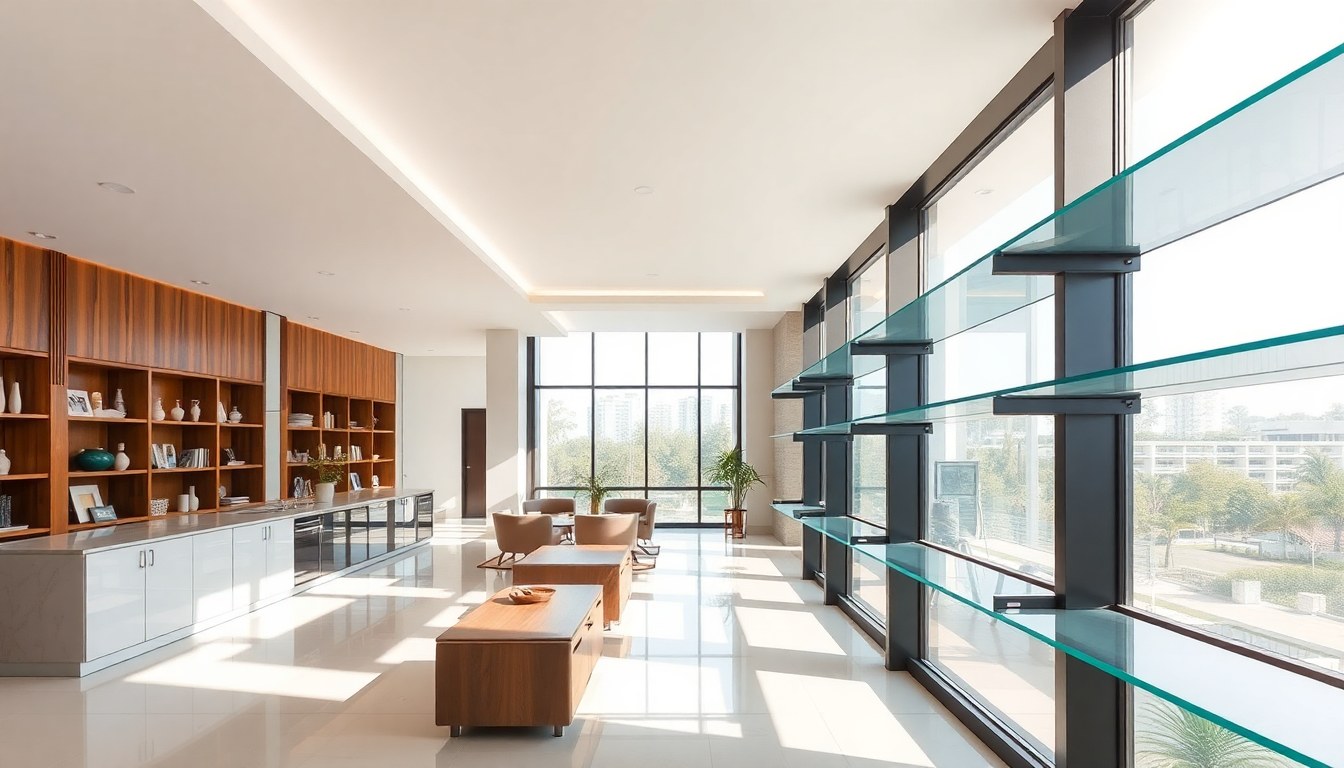
Tempered glass shelves have become a staple in modern Indian homes and commercial spaces, offering a sleek aesthetic that works with any interior design. But the critical question remains: how much weight can your tempered glass shelf actually support? Understanding the load-bearing capacity of tempered glass is essential for safety, longevity, and peace of mind when displaying your valuables or organizing your space.
Why Tempered Glass Is Stronger Than Ordinary Glass
Tempered glass, also called toughened glass, undergoes a specialized thermal treatment that dramatically increases its strength compared to annealed (ordinary) glass. During the tempering process, the glass is heated to approximately 620°C and then rapidly cooled, creating internal stress patterns that make it up to five times stronger than untreated glass of the same thickness.
This enhanced strength comes from the compression of the outer surfaces and tension in the core. When stress is applied to tempered glass, it distributes the load more evenly across the entire sheet, preventing localized failure. Additionally, if tempered glass does break, it shatters into small, relatively harmless granules rather than sharp, dangerous shards—making it the safer choice for shelving in homes with children and pets.
The durability and safety advantages of tempered glass explain why architects and interior designers across India prefer it for residential and commercial installations. Firms like HR Home Renovation frequently specify tempered glass shelving in their projects because it balances aesthetics with structural reliability.
Understanding Glass Thickness and Span Width
The weight capacity of a tempered glass shelf depends on two primary variables: the thickness of the glass and the span width (the distance between supporting brackets or edges). Thicker glass can support more weight, and shorter spans distribute loads more effectively than longer ones.
In the Indian market, tempered glass shelves are typically available in three standard thicknesses: 3mm, 5mm, and 8mm. Each thickness has different deflection characteristics and maximum safe load ratings. Deflection refers to how much the glass bends under load—even strong materials flex slightly, and managing deflection is key to preventing breakage and ensuring the shelf remains level.
The Role of Deflection Limits
Glass industry standards, including those referenced by Indian safety codes, typically limit deflection to a maximum of 1/240th of the span width. This means a shelf with a 1200mm span should not deflect more than 5mm under its rated load. Excessive deflection not only looks unattractive but also stresses the glass and increases the risk of failure over time.
Tempered Glass Shelf Load Capacity Tables
Below are approximate safe load limits for tempered glass shelves in common configurations. These figures assume the glass is properly supported at both ends by adjustable brackets or ledges, the load is evenly distributed, and the glass has been professionally installed. Always consult the supplier's specifications for your specific product, as manufacturing methods and edge finishing can affect load capacity.
3mm Tempered Glass Shelf Capacity
3mm tempered glass is the thinnest option and is best suited for light decorative displays and small items. It offers excellent transparency and a minimalist appearance but has the lowest load capacity.
- 600mm span: 15–20 kg maximum load
- 800mm span: 10–15 kg maximum load
- 1000mm span: 8–10 kg maximum load
- 1200mm span: 5–8 kg maximum load
Use 3mm shelves for framed photographs, small decorative items, lightweight books, and collectibles that add visual interest without significant weight.
5mm Tempered Glass Shelf Capacity
5mm tempered glass is the most popular choice for residential and commercial applications, offering a good balance between strength, clarity, and cost. It can accommodate moderate loads and is suitable for most household shelving needs.
- 600mm span: 40–50 kg maximum load
- 800mm span: 25–35 kg maximum load
- 1000mm span: 18–25 kg maximum load
- 1200mm span: 12–18 kg maximum load
- 1500mm span: 8–12 kg maximum load
5mm shelves work well for displaying books, dinnerware, audio equipment, and decorative collections. Many interior designers, including those at Tricity Interior Designer, recommend 5mm for kitchen and living room installations because it combines strength with visual elegance.
8mm Tempered Glass Shelf Capacity
8mm tempered glass is the thickest standard option and provides maximum load capacity. It's ideal for heavy items, commercial displays, and applications where safety and durability are paramount. The increased thickness does reduce light transmission slightly but offers superior strength and minimal deflection.
- 600mm span: 80–100 kg maximum load
- 800mm span: 50–70 kg maximum load
- 1000mm span: 35–50 kg maximum load
- 1200mm span: 25–35 kg maximum load
- 1500mm span: 18–25 kg maximum load
8mm shelves are suitable for heavy books, office equipment, kitchen appliances, and retail displays. They're also the preferred choice for high-traffic commercial environments where durability and safety are non-negotiable.
Factors That Affect Load Capacity
While the tables above provide a useful reference, several additional factors can influence the actual load capacity of your tempered glass shelf:
Edge Finishing and Quality
Polished edges are stronger than unfinished edges because they reduce stress concentrations at the perimeter. Chips or cracks in the edges—even microscopic ones—can significantly reduce load capacity. Always ensure your glass is sourced from reputable suppliers who follow strict quality control measures.
Support System Design
The design and quality of your brackets or support ledges matter as much as the glass itself. Brackets must be securely anchored to the wall, properly spaced, and capable of supporting the rated load. Uneven support or brackets placed too far apart will reduce effective load capacity and increase deflection.
Load Distribution
Point loads (weight concentrated in one spot) are more dangerous than evenly distributed loads. A single heavy item placed in the center of a shelf creates more stress than the same weight spread across the surface. Always distribute weight as evenly as possible and avoid placing all heavy items in one area.
Environmental Conditions
Extreme temperature fluctuations, high humidity, and direct sunlight over extended periods can affect the structural integrity of glass. In India's diverse climate zones—from humid coastal areas to dry plains—proper ventilation around shelves and avoiding direct heat sources will extend shelf life and maintain safety margins.
Age and Installation Quality
Even tempered glass degrades slightly over decades. If your shelves are more than 15–20 years old, consider having them inspected by a professional. Poor installation, such as using incorrect bracket types or failing to secure shelves level, also reduces effective load capacity.
Safety Guidelines for Installation and Use
Following these best practices will ensure your tempered glass shelves remain safe and functional for years:
- Always use the manufacturer's recommended brackets and install them at the correct spacing. Never improvise with generic hardware.
- Never exceed 80% of the rated load capacity. This safety margin accounts for dynamic loads, aging, and unforeseen stresses.
- Avoid placing heavy items near the center of long spans. Instead, position weight closer to the supporting brackets.
- Inspect shelves regularly for signs of cracks, chips, or excessive deflection. Replace any damaged glass immediately.
- Use a spirit level to ensure shelves are perfectly horizontal. Uneven installation concentrates stress and reduces capacity.
- Keep shelves away from direct heat sources such as radiators, ovens, or intense sunlight, which can cause thermal stress.
- Do not stand or apply sudden impact to shelves. Tempered glass can handle static loads but is vulnerable to shock loads.
Architects and designers such as those at AAKAR ARCHITECTS and Pixilo Design incorporate these safety guidelines into their specification documents to ensure client installations are both beautiful and secure.
Comparing Tempered Glass to Alternatives
While tempered glass is an excellent choice, it's worth understanding how it compares to other shelving materials commonly used in India:
- Annealed Glass: Ordinary glass is cheaper but only about 20% of the strength of tempered glass. It shatters dangerously and is not recommended for structural shelving.
- Laminated Glass: Combines two glass layers with a plastic interlayer for added safety. Slightly more expensive than tempered glass but offers better impact resistance and holds together if broken.
- Wood: Affordable and warm-looking, but susceptible to warping, moisture damage, and pest infestation in India's humid climates. Load capacity varies widely based on wood type and age.
- Metal: Steel or aluminum shelves are extremely strong but lack the aesthetic appeal of glass and can rust in coastal areas without proper coating.
For most Indian homes and offices, tempered glass offers the best combination of strength, aesthetics, safety, and value.
Frequently Asked Questions
What is the maximum weight I can put on a 5mm tempered glass shelf with an 800mm span?
A 5mm tempered glass shelf with an 800mm span can safely hold approximately 25–35 kg when properly installed. However, it's wise to limit actual use to about 80% of this capacity (20–28 kg) to maintain a safety margin. Always verify the specific load rating from your supplier, as manufacturing variations can affect capacity.
Can I cut tempered glass shelves to a custom size?
No. Tempered glass cannot be cut, drilled, or shaped after the tempering process because doing so destroys the internal stress patterns and renders the glass as weak as untreated glass. If you need a custom size, you must order the glass cut and tempered to your exact specifications before it undergoes the thermal treatment. This is why working with established glass suppliers is important.
How do I know if my tempered glass shelf is starting to fail?
Signs of potential failure include visible cracks or chips, excessive bowing or deflection under normal load, discoloration or stress marks, and unusual sounds when weight is applied. If you notice any of these signs, stop using the shelf immediately and have it inspected or replaced. Never attempt to repair cracked tempered glass.
Is tempered glass safe for bathrooms and kitchens?
Yes, tempered glass is excellent for bathrooms and kitchens. It's moisture-resistant and won't warp like wood. However, ensure that brackets and any metal hardware are stainless steel or coated to prevent rust in humid environments. Avoid placing shelves directly above sinks or in areas with constant water spray.
What's the difference between load capacity and deflection limit?
Load capacity is the maximum weight a shelf can support without breaking. Deflection limit is how much the shelf bends under load—typically restricted to 1/240th of the span width for aesthetic and safety reasons. A shelf might not break at twice its rated capacity, but it would deflect excessively and look unsafe. Always respect both limits.
Choose Quality Glass, Choose Safety
Tempered glass shelves are a smart investment for any home or business, offering durability, elegance, and safety when properly specified and installed. By understanding the load limits of different thicknesses and spans, you can make informed decisions about what to display and where. Whether you're designing a residential interior or planning a commercial installation, consulting with experienced professionals ensures your shelves perform reliably for decades. Explore vetted glass suppliers and design professionals on glassy.in—India's largest glass-business directory—to find the right partner for your next shelving project.