
Smart Glass
Switchable Smart Glass for Office Cabins: Privacy & Energy Savings Explained
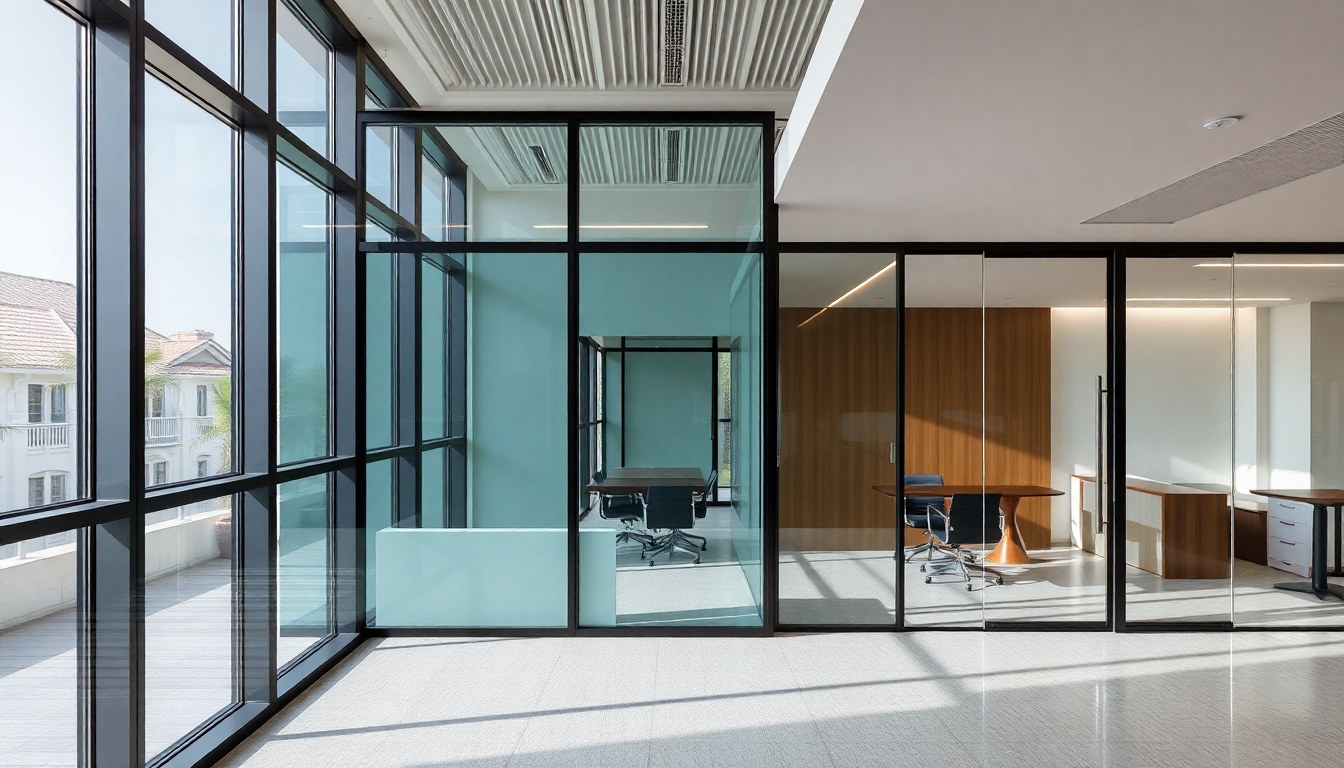
Modern office cabins demand flexibility—privacy when needed, transparency for collaboration, and energy efficiency without compromise. Switchable smart glass delivers all three, transforming frosted or tinted glass instantly at the flick of a switch. For Bangalore's booming IT sector and corporate offices across India, this technology is reshaping how companies design workspaces, reduce cooling costs, and maintain employee comfort.
What Is Switchable Smart Glass?
Switchable smart glass (also called dynamic glass or electronically tintable glass) is a transparent material embedded with a thin layer of electrochromic or polymer-dispersed liquid crystal (PDLC) technology. When an electrical current is applied, the glass changes from clear to opaque or tinted—or vice versa—within seconds. No mechanical blinds, no manual adjustments: just glass that responds to your needs.
The technology has been commercially available for over two decades, but costs have dropped significantly in the past five years, making it practical for corporate office environments. Indian glass suppliers and interior designers are increasingly stocking these solutions, recognizing demand from multinational companies, startups, and government offices seeking modern, efficient workspaces.
How Electrochromic Glass Works
Electrochromic glass contains five thin layers: two transparent conductive coatings, an electrochromic material (typically tungsten oxide), an electrolyte, and an ion-storage layer. When voltage is applied, ions move between layers, causing the glass to darken. Reverse the voltage, and it clears again. A single charge cycle can last 10–30 minutes, depending on the brand and thickness.
How PDLC Glass Works
Polymer-dispersed liquid crystal (PDLC) glass contains millions of tiny liquid crystal droplets suspended in a polymer resin. When unpowered, these droplets are randomly oriented, scattering light and making the glass appear frosted or opaque. Apply voltage, and the droplets align, allowing light through and making the glass transparent. PDLC switches faster than electrochromic glass (milliseconds vs. seconds) and consumes less power during operation.
Cost Breakdown: What You'll Actually Pay
Pricing for switchable smart glass varies widely based on technology type, glass size, installation complexity, and supplier. In India, expect the following ranges:
- PDLC Smart Glass: ₹8,000–₹15,000 per square meter (material + basic installation)
- Electrochromic Smart Glass: ₹12,000–₹25,000 per square meter
- Control Systems (per cabin): ₹15,000–₹50,000 for switches, wiring, and automation
- Installation Labor: ₹5,000–₹15,000 per cabin, depending on cabin size and complexity
For a typical 3m × 2.5m office cabin partition (7.5 m²), total cost ranges from ₹75,000 to ₹2,25,000, depending on technology choice and control sophistication. A 50-cabin office floor could invest ₹35–₹75 lakhs for full smart glass retrofit.
Hidden Costs to Budget For
Beyond the glass itself, account for electrical infrastructure upgrades, dedicated power supplies for each cabin, control system software integration, and ongoing maintenance. Some installations require certified electricians familiar with low-voltage systems, adding ₹10,000–₹25,000 per project. Warranty periods typically range from 5–10 years, with replacement costs for damaged panels running 60–80% of original purchase price.
Energy Savings: The Real ROI Story
One of the strongest arguments for switchable smart glass is energy efficiency. Traditional glass partitions offer no solar heat control, forcing HVAC systems to work harder during peak sun hours. Smart glass reduces solar heat gain by 40–70%, depending on tint level and outdoor temperature.
A Bangalore IT office with 50 cabins consuming 500 kWh per day for cooling can reduce consumption by 80–120 kWh daily through smart glass deployment—roughly 15–20% savings. At ₹8 per kWh (typical commercial rate), that's ₹640–₹960 daily savings, or ₹2.3–₹3.5 lakhs annually.
Payback Period Analysis
If your initial investment is ₹50 lakhs and annual energy savings are ₹3 lakhs, payback occurs in approximately 16–17 years. This seems long, but consider additional benefits: employee productivity gains from controlled lighting and privacy (estimated 5–10% improvement in focus), reduced maintenance on blinds and shades, and future-proofing your office as sustainability becomes a corporate mandate.
Many companies also qualify for LEED or IGBC (Indian Green Building Council) credits, which can unlock tax incentives or green building certifications that improve property valuation and attract ESG-conscious tenants.
Privacy, Compliance, and Employee Experience
Beyond energy, smart glass solves real office problems. Executive cabins need instant privacy for confidential calls without closing doors. Meeting rooms need to shift from transparent (showing occupancy) to opaque (protecting discussions). Smart glass does this electronically, eliminating the clutter of blinds and the maintenance headaches of motorized shades.
From a compliance perspective, smart glass helps offices meet privacy regulations for sensitive departments (HR, finance, legal). It also supports hot-desking and flexible workspace models: a cabin can be transparent when empty (showing availability) and opaque when occupied (ensuring privacy).
Employees report higher satisfaction with smart glass cabins due to reduced glare, better thermal comfort, and the psychological benefit of controlling their immediate environment. For recruitment and retention in competitive IT hubs like Bangalore, these amenities matter.
Installation Complexity and Supplier Considerations
Installing switchable smart glass is more complex than standard glazing. The glass must be integrated with electrical systems, control panels, and often building management systems (BMS). Poor installation leads to electrical hazards, water leakage, and glass failure.
When sourcing smart glass in India, work with established suppliers who offer on-site consultation, structural assessment, and post-installation support. Reputable dealers like SABRI GLASS HOUSE and ARMAN GLASS EMPORIUM provide guidance on technology selection and local installation networks. For larger projects, engage architects like Void + Edifice Architectural Design Studio to ensure structural compatibility and code compliance.
Key Installation Considerations
- Structural Load: Smart glass panels are heavier than standard glass; verify wall and frame capacity.
- Electrical Infrastructure: Dedicated circuits and voltage stabilizers prevent flickering and damage.
- Water Ingress: Proper sealing around edges prevents moisture damage to electronic components.
- Control System Integration: Ensure compatibility with existing BMS, occupancy sensors, and scheduling software.
- Maintenance Access: Plan for periodic cleaning and component inspection without disrupting operations.
Comparing Smart Glass Technologies for Office Use
Both electrochromic and PDLC glass have distinct advantages. Electrochromic glass offers superior solar control and works better in extremely bright environments, making it ideal for south-facing cabins in Bangalore. It also maintains partial transparency even when tinted, allowing occupants to see outside while blocking glare.
PDLC glass switches faster and consumes less power, making it better for frequent on-off cycles (like meeting rooms with back-to-back bookings). It also costs slightly less upfront. However, PDLC becomes completely opaque when powered, eliminating the view outside—some employees find this claustrophobic.
For most office cabin applications, a hybrid approach works best: electrochromic glass for external-facing cabins (senior management, client-facing roles) and PDLC for internal partitions (open-plan areas transitioning to private spaces).
Frequently Asked Questions
How long does switchable smart glass last?
Quality smart glass typically lasts 10–15 years with proper maintenance. The electrochromic or PDLC layer degrades gradually with repeated switching cycles, but modern formulations are rated for 500,000+ cycles (roughly 20+ years of daily use). Electrical components and control systems may need replacement after 7–10 years. Always purchase from suppliers offering extended warranties and verified maintenance records.
Can smart glass be installed on existing cabin partitions?
Yes, but retrofitting is more complex than installing during new construction. Existing frames must be assessed for structural compatibility, and electrical infrastructure may require upgrades. Retrofits typically cost 20–30% more than new installations due to labor and site-specific customization. Consult with experienced installers before committing to retrofit projects.
Does smart glass work in power outages?
No. When power is cut, the glass remains in its last state (clear or opaque). For critical privacy areas, consider battery backup systems or hybrid solutions combining smart glass with manual blinds. Some premium systems include UPS backup for brief outages, adding ₹30,000–₹50,000 to project cost.
What's the difference between smart glass and smart film?
Smart film is an adhesive layer applied to existing glass, costing ₹3,000–₹8,000 per m² and easier to install. However, film is less durable, prone to peeling, and offers shorter lifespan (5–7 years). Smart glass is superior for permanent office installations where durability and aesthetics matter. Film works better for temporary partitions or retrofits where minimal disruption is required.
Is smart glass worth it for small offices?
For offices with fewer than 20 cabins, the per-unit cost remains high, and energy savings may not justify investment within 10 years. However, if privacy and flexibility are primary drivers (e.g., shared office spaces, co-working environments), smart glass ROI improves. Evaluate your specific pain points: if blinds maintenance and privacy complaints dominate, smart glass pays for itself in employee satisfaction alone.
Next Steps: Finding the Right Smart Glass Partner in India
Switchable smart glass is no longer a luxury—it's a practical investment for forward-thinking offices across India. Whether you're in Bangalore's IT corridor or expanding your corporate footprint, the combination of energy savings, privacy control, and employee experience makes smart glass a compelling choice for modern cabin design.
Ready to explore switchable smart glass for your office? Browse verified glass suppliers, architects, and interior designers specializing in smart glass solutions on glassy.in, India's largest glass-business directory. Get quotes, compare technologies, and connect with installers who understand your local building codes and climate challenges. Your next-generation office cabin is just a click away.