
Smart Glass
Smart Glass (Switchable Glass) Cost & Installation in India 2026
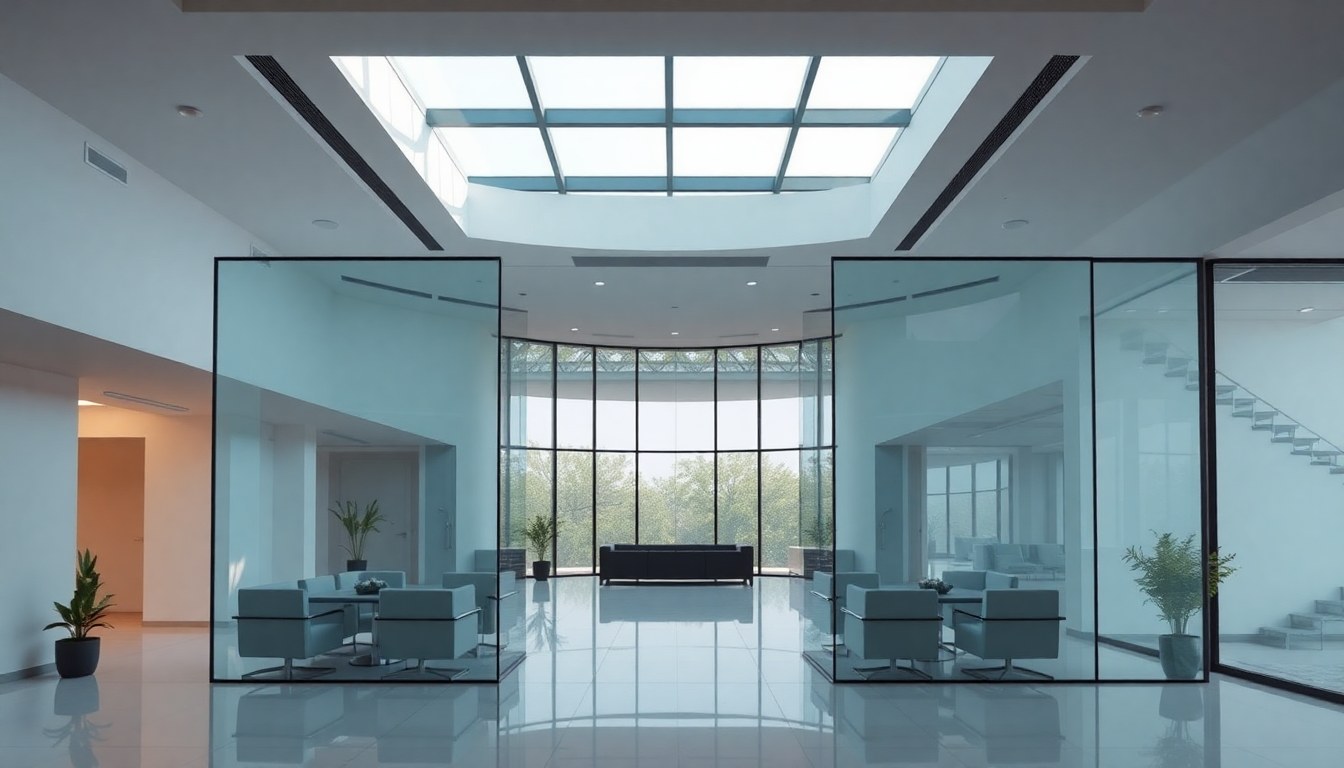
Smart glass—also called switchable glass or electrochromic glass—lets you control light transmission and privacy at the flip of a switch. In India, this technology is gaining traction in premium residences, corporate offices, and hospitality spaces. This guide breaks down real costs, installation requirements, and what you need to know before investing in smart glass for your property.
What Is Smart Glass and How Does It Work?
Smart glass contains a thin electrochromic layer that changes opacity when an electrical current is applied. When activated, the glass darkens to block light and heat; when deactivated, it returns to clear. This happens in seconds, giving you instant control over natural light, glare, and privacy without curtains or blinds.
The technology works through a chemical reaction in the glass layers. Lithium ions move between electrode layers when voltage is applied, absorbing light. The process is reversible and can be triggered manually via a switch, remote control, or automated systems tied to sensors and smart home platforms.
Types of Smart Glass Available in India
- Electrochromic Glass: Most common type; darkens gradually and offers excellent energy control. Ideal for offices and homes.
- Suspended Particle Display (SPD): Particles align to block light; faster response than electrochromic but less common in India.
- Polymer Dispersed Liquid Crystal (PDLC): Switches between opaque and transparent; popular for privacy applications in bathrooms and conference rooms.
- Thermochromic Glass: Responds to temperature changes; passive technology requiring no electricity.
Smart Glass Pricing in India (2026)
Smart glass costs in India vary based on type, size, technology, and supplier. Imported premium brands command higher prices, while domestically manufactured options offer cost savings. Most pricing is quoted per square meter.
Cost Breakdown by Type
- Electrochromic Smart Glass: ₹8,000–₹18,000 per square meter (material only). Premium imported brands like View Glass or Gentex reach ₹20,000+.
- PDLC Smart Glass: ₹6,000–₹12,000 per square meter. More affordable for smaller installations.
- SPD Smart Glass: ₹12,000–₹22,000 per square meter. Less common; imported primarily.
- Thermochromic Glass: ₹4,000–₹8,000 per square meter. Cheapest option but non-controllable.
For a typical residential window (2 sq. meters), expect material costs between ₹16,000–₹36,000. Commercial projects with larger glass areas often negotiate bulk discounts, reducing per-unit costs by 15–25%.
Installation and Auxiliary Costs
Installation is not a simple glass replacement. Smart glass requires electrical connections, control systems, and sometimes structural modifications. Budget for these additional expenses:
- Installation Labor: ₹2,000–₹5,000 per square meter, depending on complexity and location.
- Electrical Wiring & Control System: ₹15,000–₹50,000 per window or glass panel. Smart home integration adds ₹10,000–₹30,000.
- Power Supply Unit (PSU): ₹8,000–₹20,000 per unit. Larger installations may need multiple PSUs.
- Structural Modifications: If existing frames need reinforcement, budget ₹5,000–₹15,000 per opening.
- Warranties & Testing: ₹3,000–₹10,000 for certification and extended warranties.
Total Project Cost Example: A 10 sq. meter office partition with electrochromic smart glass might cost ₹1,60,000–₹2,80,000 (material: ₹80,000–₹1,80,000; installation & controls: ₹80,000–₹1,00,000).
Installation Process and Requirements
Smart glass installation is more involved than standard glazing. It requires coordination between glass suppliers, electricians, and structural engineers to ensure safety and functionality.
Pre-Installation Checklist
- Structural assessment of existing frames and load capacity.
- Electrical load calculation and power supply availability.
- Building permissions and compliance with Indian Standards (IS codes).
- Climate assessment (humidity, temperature extremes in your region).
- Smart home system compatibility if integrating with automation.
Installation Steps
- Measurement & Design: Precise dimensions taken; control system layout planned.
- Frame Preparation: Existing glass removed; frames cleaned and inspected for damage.
- Electrical Setup: Wiring installed from power source to each smart glass panel. This can take 2–5 days depending on scale.
- Smart Glass Installation: Panels fitted into frames with specialized gaskets and sealants to prevent moisture ingress.
- Control System Integration: Switches, sensors, and smart home hubs connected and tested.
- Testing & Commissioning: Full functionality verified; user training provided.
Timeline for a residential installation typically ranges from 5–15 days. Commercial projects may take 3–6 weeks depending on scale and complexity. Weather and supply chain delays can extend timelines, so plan accordingly.
Benefits and Drawbacks of Smart Glass in India
Key Advantages
- Energy Efficiency: Reduces cooling costs by 20–30% in hot Indian climates by blocking solar heat gain.
- Privacy On-Demand: No need for curtains or blinds; switch to opaque instantly.
- Glare Reduction: Ideal for offices and homes with high sun exposure.
- Modern Aesthetics: Clean, minimalist look appeals to contemporary design preferences.
- Long Lifespan: 20–30 years with minimal maintenance.
- Smart Home Integration: Compatible with voice assistants and automation systems.
Limitations to Consider
- High Upfront Cost: Significantly more expensive than conventional glass.
- Electricity Dependency: Requires continuous power supply; non-functional during outages (unless battery backup added).
- Limited Transparency Control: Most smart glass offers binary switching (clear/opaque) rather than gradual dimming.
- Moisture Sensitivity: Humidity in coastal or monsoon-heavy regions can affect lifespan if not properly sealed.
- Slow Response Time: Electrochromic glass takes 5–15 minutes to fully darken; not instantaneous.
- Maintenance Requirements: Occasional cleaning and electrical component checks needed.
Smart Glass Suppliers and Brands in India
Several international and domestic players offer smart glass solutions in India. Prices and availability vary by region and supplier reputation.
Leading Suppliers
- View Glass (formerly Soladigm): Premium electrochromic glass; widely available through authorized dealers in major Indian cities. Price: ₹18,000–₹25,000 per sq. meter.
- Gentex Corporation: High-end electrochromic and SPD products; imported, expensive but reliable. Price: ₹20,000–₹28,000 per sq. meter.
- RavenWindow: PDLC-based smart glass; more affordable option. Price: ₹7,000–₹12,000 per sq. meter.
- Local Manufacturers: Indian glass companies are increasingly offering smart glass at competitive rates (₹8,000–₹15,000 per sq. meter) with shorter delivery times.
- Smart Glass India (SSI) & Similar Startups: Emerging domestic brands providing cost-effective solutions tailored to Indian climate and building standards.
When selecting a supplier, verify certifications, warranty terms (typically 5–10 years), and after-sales service availability in your city. Request samples and site visits to existing installations if possible.
Is Smart Glass Worth the Investment?
Smart glass makes financial sense in specific scenarios. For a residential apartment in Bangalore or Delhi with high summer cooling costs, the 20–30% energy savings can offset the initial investment in 8–12 years. For corporate offices in premium locations, the aesthetic appeal and productivity gains (reduced glare, better focus) justify higher upfront costs.
However, for budget-conscious homeowners or buildings in cooler climates, traditional glass with good insulation and external shading may be more cost-effective. Conduct a life-cycle cost analysis for your specific use case, factoring in energy savings, maintenance, and replacement cycles.
Government incentives for energy-efficient building materials exist in some Indian states (e.g., GRIHA certification benefits), so check local policies before finalizing your investment.
Frequently Asked Questions
How long does smart glass last?
Quality smart glass typically lasts 20–30 years with proper maintenance. The electrochromic layer degrades very slowly; most failures are electrical (control system or wiring) rather than glass itself. Warranty coverage is usually 5–10 years for material and 2–5 years for electronics.
Does smart glass work during power cuts?
No. Smart glass requires electricity to function. During a power outage, it remains in its last state (clear or opaque). To address this, some installations include battery backup systems (₹15,000–₹40,000), which keep smart glass operational for 4–8 hours. Alternatively, hybrid designs combine smart glass with manual roller shades.
Can smart glass be installed in existing windows?
Yes, but it requires removing the existing glass and retrofitting the frame with smart glass panels. This is more expensive than installing during construction but feasible. Ensure your existing frame can support the weight and electrical requirements. Some frames may need reinforcement (₹5,000–₹15,000 additional cost).
What is the difference between smart glass and tinted glass?
Tinted glass has permanent color and blocks light at all times. Smart glass is dynamic—it switches between clear and opaque on demand. Tinted glass is cheaper (₹500–₹1,500 per sq. meter) but offers no control, whereas smart glass adapts to your needs and provides better energy efficiency.
Is smart glass suitable for Indian climates?
Yes, smart glass performs well in India's varied climates. In hot regions (Delhi, Mumbai, Bangalore), it excels at heat control. In humid coastal areas (Chennai, Kolkata), proper sealing and regular maintenance are critical to prevent moisture ingress. In cooler regions (Himalayan foothills), the energy-saving benefits are lower but privacy and glare control remain valuable.
Next Steps: Find Smart Glass Experts on Glassy.in
Smart glass is a premium investment that requires expert installation and reliable suppliers. Visit glassy.in, India's largest glass-business directory, to connect with certified smart glass installers, manufacturers, and consultants in your city. Browse verified profiles, compare quotes, and read customer reviews to find the right partner for your project.