
Smart Glass
Smart Glass Switchable Partitions for Office Cabins: Technology & ROI
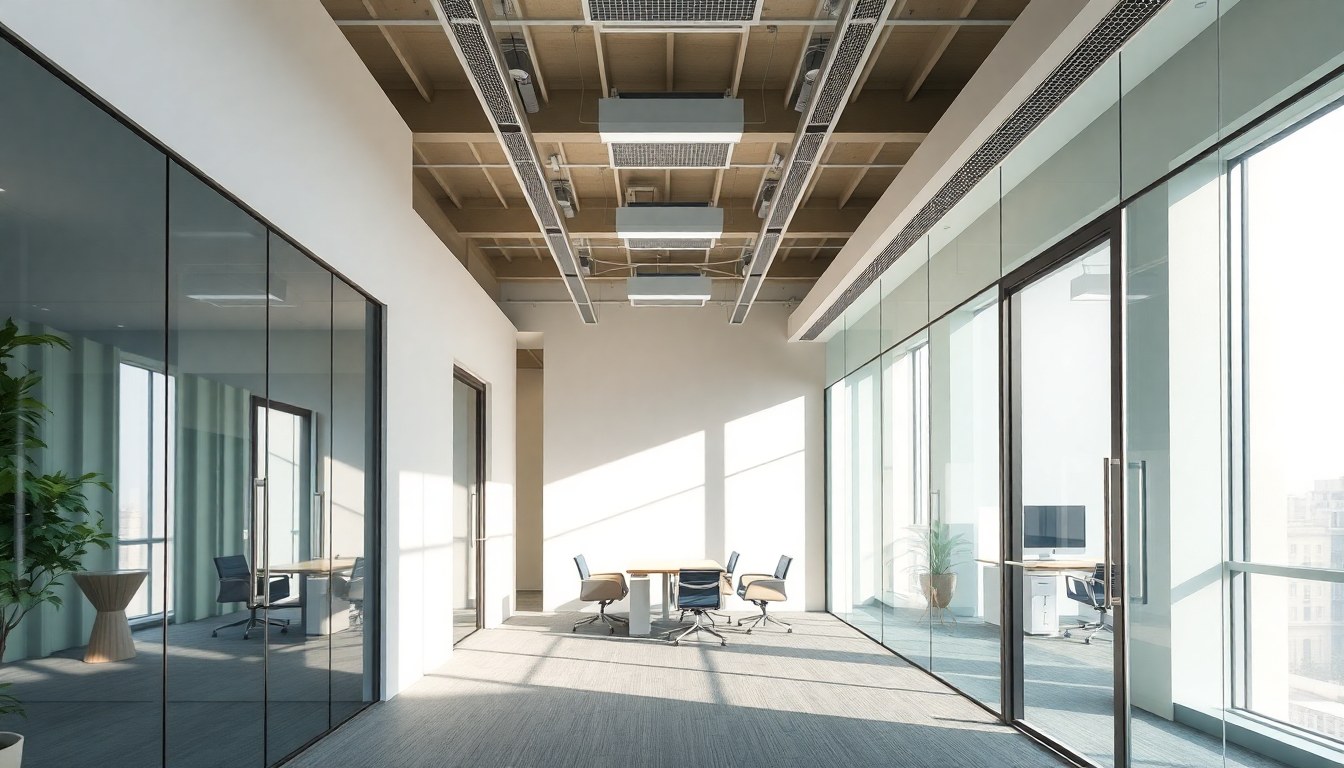
Smart switchable glass partitions are transforming how Indian offices balance privacy, transparency, and energy efficiency. Whether you're designing a cabin in Bangalore's tech corridor or retrofitting an existing workspace, electrochromic and PDLC smart glass solutions offer instant control over visibility and light transmission at the touch of a button. This guide explores the technology, installation realities, and financial impact to help you decide if smart glass is the right investment for your office.
What Is Smart Switchable Glass and How Does It Work?
Smart switchable glass, also called dynamic glass or privacy glass, changes from transparent to opaque (or frosted) electronically. Two main technologies dominate the Indian market: electrochromic glass and polymer-dispersed liquid crystal (PDLC) glass. Both require electrical power but operate on different principles and suit different applications.
Electrochromic glass uses a thin coating of metal oxides that change color when voltage is applied. The process is reversible—apply power to darken, remove it to clear. PDLC glass contains microscopic liquid crystal droplets suspended in a polymer resin. When unpowered, the droplets scatter light, making the glass opaque; apply electricity and they align, making it transparent. Neither technology requires moving parts or mechanical blinds, eliminating maintenance hassles common in traditional office partitions.
Electrochromic Glass: Gradual Control
Electrochromic technology allows variable tinting—you can dial in any shade between fully clear and fully dark. This granular control suits environments where you want to reduce glare or heat without complete privacy. Response time is slower (typically 5–15 minutes for full tint), but the energy consumption is minimal once tinted because no continuous power is needed to maintain the state.
PDLC Glass: Instant On/Off
PDLC glass switches between transparent and frosted almost instantly (under one second), making it ideal for office cabins where you need immediate privacy. The trade-off is that PDLC requires continuous low-voltage power to remain transparent, so ongoing electricity costs are higher. PDLC is also more forgiving of installation angles and doesn't require the precision calibration that electrochromic systems demand.
Smart Glass Switchable Partitions for Office Cabins: Installation & Complexity
Installing smart glass in office cabins is more involved than hanging conventional glass partitions. The electrical infrastructure, control systems, and material handling all add layers of complexity that affect timeline and cost.
Electrical Requirements
Smart glass requires a dedicated low-voltage power supply (typically 12V or 24V DC for PDLC, or higher voltage for electrochromic systems). This means running electrical conduits, installing transformers, and integrating control switches or automation panels. In existing buildings, this may require routing cables through walls or ceiling cavities, which can disrupt office operations. New construction allows for cleaner integration during the design phase. Most installations also include smart controls—motion sensors, daylight sensors, or app-based management—which add to the complexity and cost.
Structural and Framing Considerations
Smart glass panels are heavier than standard toughened glass and require robust aluminum or steel framing to support the added weight of electrical components and wiring. The framing must also accommodate edge seals and electrical connectors. Working with experienced glass installers is critical; improper installation can lead to electrical faults, water ingress, or structural failure. In Bangalore's humid climate, proper sealing and ventilation of the frame cavity is essential to prevent condensation and electrical issues.
Timeline and Disruption
A typical smart glass partition installation in an office cabin takes 2–4 weeks, depending on the scale and whether electrical infrastructure already exists. This includes site surveys, electrical work, glass fabrication, frame assembly, and testing. Plan for some workplace disruption, especially if cable routing requires wall cutting or ceiling access.
Pricing: What Smart Glass Switchable Partitions Cost in India
Smart glass pricing varies widely based on technology, panel size, brand, and installation complexity. Understanding the cost breakdown helps you budget accurately and compare quotes from local suppliers.
Material Costs
PDLC smart glass typically costs ₹8,000 to ₹15,000 per square meter in India, depending on thickness (usually 6–10mm) and supplier. Electrochromic glass is generally more expensive, ranging from ₹12,000 to ₹25,000 per square meter, but offers superior energy control and aesthetics. A standard office cabin with two 2m × 2m glass partitions (8 sq. m total) would cost between ₹64,000 and ₹200,000 just for the glass, before framing and installation.
Framing, Electrical, and Installation
Aluminum framing, electrical conduits, transformers, and control systems typically add ₹15,000 to ₹40,000 per partition, depending on complexity. Professional installation labor costs another ₹10,000 to ₹25,000 per partition. For a two-partition cabin setup, expect total installation costs (labor + materials) of ₹1,50,000 to ₹4,00,000, with electrochromic systems at the higher end.
Maintenance and Operating Costs
PDLC systems consume approximately 5–10W per square meter continuously when in transparent mode, translating to roughly ₹500–₹1,500 per year in electricity for a standard cabin. Electrochromic systems use far less power—often under ₹200 per year—because they don't require continuous power. Maintenance is minimal for both; occasional cleaning and rare component replacement (switches, sensors) are the main expenses. Warranty periods typically range from 5 to 10 years.
Energy Savings and Environmental Benefits
One of the strongest arguments for smart glass in office cabins is reduced cooling load and improved thermal comfort. By controlling solar heat gain, smart glass can lower air-conditioning costs significantly, especially in sun-facing cabins.
Electrochromic glass can reduce solar heat transmission by up to 60% when fully tinted, while PDLC achieves around 40–50% reduction. In a Bangalore office where air-conditioning runs 8–10 hours daily, this translates to measurable savings. A cabin with 8 sq. m of electrochromic glass might save ₹5,000–₹10,000 annually in cooling costs, depending on orientation and usage patterns. Over a 10-year lifespan, that's ₹50,000–₹1,00,000 in energy savings—often enough to offset the initial investment.
Beyond energy, smart glass eliminates the need for traditional blinds or curtains, reducing material waste and maintenance. The technology is also compatible with building automation systems, allowing integration with HVAC and lighting controls for holistic energy management.
ROI Analysis: Is Smart Glass Worth the Investment?
The return on investment for smart glass depends on several factors: cabin usage, orientation, local electricity costs, employee satisfaction, and long-term occupancy plans.
Financial Payback Period
For a typical Bangalore office cabin with ₹2,50,000 installed cost and ₹7,500 annual energy savings, the simple payback period is roughly 33 years—longer than the product lifespan. This suggests smart glass alone may not deliver strong financial ROI in traditional cost-benefit terms. However, this calculation ignores non-financial benefits.
Non-Financial Benefits
Smart glass offers intangible but significant advantages: instant privacy without visual clutter, improved aesthetics (no dangling blinds or curtains), reduced glare for screen work, and enhanced employee comfort. Modern office design values these factors heavily. Tech companies and design-forward organizations in Bangalore often view smart glass as a brand and recruitment tool, not purely a cost-saving measure. Clients and visitors perceive smart glass as cutting-edge, reinforcing the company's innovation image.
When Smart Glass Makes Financial Sense
Smart glass becomes financially attractive when:
- The cabin is in a high-sun orientation (east or west-facing) with heavy air-conditioning use
- Your office operates in a region with high electricity tariffs (over ₹8 per kWh)
- You plan to occupy the space for 15+ years, allowing energy savings to accumulate
- You're building new rather than retrofitting, reducing installation complexity and cost
- You combine smart glass with other energy-efficient upgrades (LED lighting, high-performance HVAC)
Choosing a Supplier: What to Look For
India's smart glass market is growing, with suppliers ranging from established glass dealers to specialized tech companies. When evaluating options, prioritize experience, warranty, and local support.
Look for suppliers who offer site surveys to assess electrical feasibility, provide detailed warranties (ideally 7–10 years), and have completed similar office projects. Ask for references and site visits if possible. Local dealers familiar with regional climate conditions—humidity, dust, temperature extremes—are preferable to distant suppliers. Companies like Shree Ram Glass & Plywood in major metros often partner with smart glass manufacturers and can guide you through the selection and installation process. For architectural integration, consulting firms like tada design collective can help optimize smart glass placement and controls within your office layout.
Ensure the supplier provides comprehensive training on operation, maintenance, and troubleshooting. A good supplier will also help you navigate electrical code compliance and obtain necessary approvals from your building management or local authorities.
Frequently Asked Questions
What is the typical price per square meter for smart switchable glass in India?
PDLC smart glass costs ₹8,000–₹15,000 per sq. m, while electrochromic glass ranges from ₹12,000–₹25,000 per sq. m. These prices vary by supplier, thickness, and order volume. Installation, framing, and electrical work typically add ₹15,000–₹40,000 per partition. For a complete cabin setup, budget ₹1,50,000–₹4,00,000 depending on technology choice and complexity.
How long does a smart glass partition installation take?
Most installations take 2–4 weeks, including site survey, electrical work, glass fabrication, framing, and testing. The timeline depends on whether electrical infrastructure already exists and the complexity of the cabin layout. New construction allows faster integration than retrofits in existing buildings.
Does smart glass really save money on air-conditioning costs?
Yes, but savings are modest. Electrochromic glass can reduce solar heat gain by up to 60%, potentially saving ₹5,000–₹10,000 annually per cabin in a Bangalore office. Over 10 years, this may offset the initial investment, especially if combined with other energy upgrades. PDLC achieves slightly lower heat reduction (40–50%) but uses more electricity to maintain transparency.
Which is better for office cabins: electrochromic or PDLC glass?
Electrochromic glass suits offices prioritizing energy efficiency and gradual light control; it uses minimal power once tinted and offers variable tinting. PDLC is ideal for instant privacy needs and simpler installation; it responds instantly but requires continuous power to stay transparent. Choose electrochromic for sun-facing cabins, PDLC for privacy-critical spaces or retrofit projects.
Is smart glass worth the investment for a small office cabin?
Smart glass's ROI depends on usage, orientation, and occupancy timeline. For a single cabin in a rented space with a short lease, ROI is weak. For owned property, south or west-facing cabins, or multi-cabin installations, the financial case improves. Many companies value the aesthetic and employee experience benefits beyond pure cost savings, making smart glass worthwhile as a design investment.
Make Your Office Smarter Today
Smart switchable glass partitions represent the intersection of technology, design, and sustainability—ideal for forward-thinking Indian offices. While the upfront cost is significant, the combination of energy savings, aesthetic appeal, and operational flexibility justifies the investment for many organizations. To explore smart glass options and connect with experienced installers, suppliers, and architects in your region, visit glassy.in, India's largest glass-business directory. Browse verified smart glass specialists, compare quotes, and read reviews from businesses like yours to make an informed decision.