
Smart Glass
Smart Glass Technology in Indian Offices: Cost, Benefits, and Real-World Applications
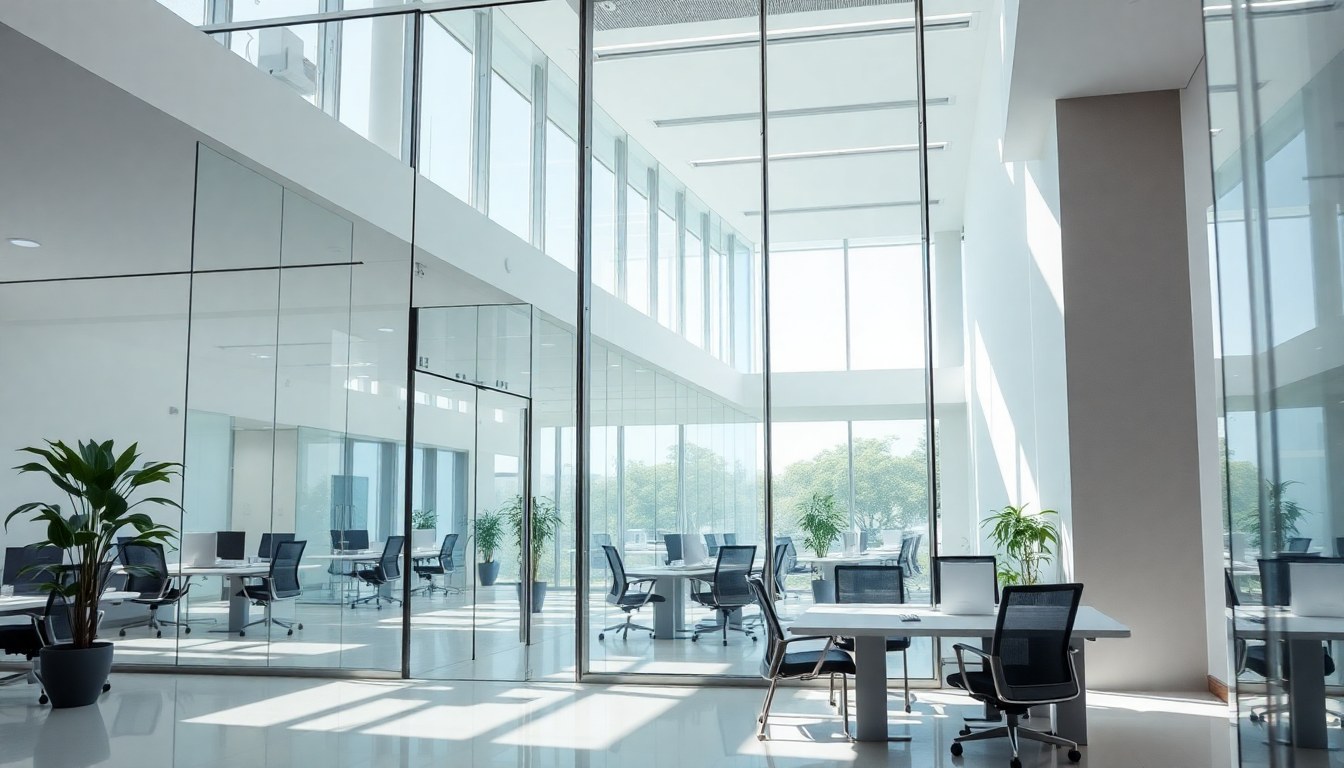
Smart glass—also called switchable glass or dynamic glass—is revolutionizing how Indian companies design modern workspaces. By shifting from transparent to opaque states at the flip of a switch, these glass panels reduce cooling costs, enhance privacy, and create flexible office environments without permanent walls. Whether you're planning a tech park renovation in Gurugram or upgrading a Bangalore corporate tower, understanding the true costs and benefits of smart glass is essential for making an informed investment.
What Is Smart Glass and How Does It Work?
Smart glass is a technologically advanced material that changes its light transmission properties in response to electrical current, heat, or light. The two most common types used in Indian offices are electrochromic and thermochromic glass, each suited to different applications and climates.
Electrochromic glass contains a special coating that turns opaque when an electrical current is applied, allowing instant control through wall switches or mobile apps. Thermochromic glass automatically darkens as temperature increases, making it ideal for sun-facing facades in India's hot climate. Both technologies eliminate the need for traditional blinds, curtains, and heavy partitions, creating cleaner aesthetics and saving valuable floor space.
Electrochromic Glass in Offices
Electrochromic (EC) glass is the most popular choice for Indian corporate interiors. When voltage is applied, ions move within the glass coating, changing its color from clear to blue-gray or dark blue. This transition takes 2–3 minutes and consumes minimal electricity—roughly 5–10 watts per square meter during the switching process.
The primary advantage is user control: employees can adjust opacity throughout the day to manage glare, heat, and privacy without relying on weather conditions. In open-plan offices across Delhi NCR tech parks, EC glass partitions allow teams to create temporary private meeting spaces while maintaining visual connection and natural light flow.
Thermochromic Glass for Passive Cooling
Thermochromic glass automatically darkens when exposed to direct sunlight and heat, reducing solar gain without any electrical input. This passive technology is particularly valuable for south and west-facing windows in Indian offices, where afternoon sun can push indoor temperatures above 35°C and spike air-conditioning loads.
Unlike EC glass, thermochromic glass requires no switches or maintenance, making it a low-cost, low-complexity solution for building exteriors. However, it offers less precise control—the glass responds to ambient temperature rather than user preference—so it's best suited for perimeter walls rather than interior partitions.
Smart Glass Pricing in India: What You'll Actually Pay
Smart glass costs significantly more than standard glazing, but prices have dropped 30–40% over the past five years as demand grows and Indian manufacturers enter the market. Understanding the full cost structure—material, installation, electrical infrastructure, and controls—is critical for budgeting.
Material Costs
Electrochromic glass panels typically cost between ₹8,000 and ₹15,000 per square meter in India, depending on the supplier, glass thickness, and coating quality. Premium imported brands (Halio, Research Frontiers, Sage Electrochromics) command prices at the higher end, while emerging Indian suppliers and Chinese manufacturers offer more competitive rates. Thermochromic glass is cheaper—usually ₹4,000 to ₹8,000 per square meter—because it requires no electrical infrastructure.
For a typical 100 sq. meter office partition using EC glass, material costs alone range from ₹8 lakhs to ₹15 lakhs. A 500 sq. meter facade retrofit in a Gurugram tech tower could cost ₹40 lakhs to ₹75 lakhs before installation and controls.
Installation and Electrical Infrastructure
Smart glass installation is more complex than standard glazing. Electrical wiring, control switches, and sometimes a central management system must be integrated into the building's infrastructure. Installation labor typically adds ₹2,000 to ₹5,000 per square meter, and electrical work can add another ₹1,500 to ₹3,000 per sq. meter depending on the building's existing systems.
A smart glass partition project in a Delhi office building might budget an additional ₹5–10 lakhs for installation, wiring, and control panels. Larger facade projects require coordination with structural engineers and may necessitate temporary building closures, raising costs further.
Control Systems and Automation
Basic manual switches cost very little, but integrated smart controls—allowing app-based opacity adjustment, scheduling, and integration with building management systems—add ₹50,000 to ₹2,00,000+ depending on complexity. A fully automated system that adjusts glass opacity based on time of day, occupancy sensors, and solar position offers maximum efficiency but requires skilled commissioning.
Energy Savings and Environmental Benefits
The primary financial justification for smart glass is energy cost reduction. Indian offices spend 40–50% of their electricity budget on air-conditioning, and uncontrolled solar heat gain through windows is a major culprit. Smart glass directly addresses this problem.
Cooling Cost Reduction
Studies from Indian tech parks show that smart glass can reduce cooling loads by 15–25% in perimeter zones. A 500 sq. meter south-facing facade with electrochromic glass might save ₹1.5 to ₹3 lakhs annually in air-conditioning costs, depending on usage patterns and electricity rates. In Bangalore and Hyderabad, where cooling demand is year-round, payback periods of 5–8 years are realistic for large installations.
Thermochromic glass delivers more modest savings—typically 8–12%—because it cannot be turned off during cooler months. However, its lower upfront cost means payback often occurs within 6–10 years.
Daylighting and Employee Productivity
Beyond energy, smart glass enables better daylighting control. By allowing natural light while blocking heat and glare, the technology supports the growing body of research showing that natural light improves employee focus, mood, and productivity. Companies report fewer headaches and eye strain complaints after installing smart glass, though quantifying this benefit in rupees remains difficult.
Sustainability Credentials
Smart glass reduces a building's carbon footprint by lowering electricity consumption. For companies aiming to achieve green building certifications (LEED, IGBC, GRIHA), smart glass contributes to energy efficiency credits and can be a deciding factor in certification approval. This intangible benefit often justifies the investment for corporations with sustainability mandates.
Real-World Applications in Delhi NCR Tech Parks
Several major office complexes across Delhi NCR have adopted smart glass, providing valuable lessons for companies considering similar upgrades.
Case Study: Gurugram Corporate Tower Retrofit
A 50,000 sq. meter IT office tower in Gurugram installed electrochromic glass on 2,000 sq. meters of south and west-facing windows in 2020. The total project cost was approximately ₹2.5 crores, including materials, installation, and controls. Within three years, the building achieved a 18% reduction in cooling costs, translating to annual savings of ₹22 lakhs. The payback period was 11 years—longer than initially projected due to lower-than-expected electricity price increases, but still economically sound given the building's 30+ year lifespan.
The facility manager noted that tenant satisfaction improved measurably. Employees appreciated the ability to control glare without closing blinds, and the modern aesthetic attracted premium tenants willing to pay higher rents.
Case Study: Noida Tech Park Interior Partitions
A 15,000 sq. meter Noida tech park deployed smart glass for interior office partitions, replacing traditional drywall and glass. Using electrochromic panels, the developer created flexible spaces that could be reconfigured for different tenant needs without structural changes. The ₹1.2 crore investment in smart glass partitions (800 sq. meters) was offset by eliminating permanent walls, reducing construction waste, and enabling faster tenant buildouts. The building now commands 8–10% rental premium over comparable properties.
Case Study: Bangalore Finance Office Privacy and Aesthetics
A financial services company in Bangalore installed smart glass in executive meeting rooms and collaborative zones. The ₹45 lakhs investment (300 sq. meters of EC glass) addressed a key pain point: privacy during confidential meetings without the visual clutter of blinds. Employees could switch the glass opaque for video calls and transparent for brainstorming sessions. The company reported improved meeting efficiency and a modern office image that aided recruitment.
Challenges and Practical Considerations
While smart glass offers compelling benefits, several practical challenges must be addressed before implementation.
High Upfront Capital Cost
The primary barrier remains cost. A ₹2–3 crore investment requires board approval and strong business justification, especially for smaller companies. Many organizations prefer to spread the investment over multiple phases, starting with high-impact areas like south-facing facades.
Maintenance and Durability
Electrochromic coatings are durable—most manufacturers guarantee 500,000+ switching cycles (20+ years of daily use)—but damage to the coating can be costly to repair. Scratches, impacts, or manufacturing defects may require full panel replacement at ₹8,000–₹15,000 per sq. meter. Building insurance policies must explicitly cover smart glass damage.
Electrical Dependency
Unlike passive thermochromic glass, EC glass requires continuous electrical supply. Power outages leave the glass in whatever state it was switched to—a minor inconvenience if transparent but a problem if opaque. Battery backup systems add cost and complexity, so most installations accept this trade-off.
Installation Quality and Commissioning
Smart glass performance depends heavily on proper installation and commissioning. Incorrect wiring, poor sealing, or inadequate control system setup can result in uneven opacity, slow switching, or electrical faults. Hiring experienced installers familiar with smart glass is essential—cutting corners on installation can waste the entire investment.
How to Choose Smart Glass for Your Office
Selecting the right smart glass solution requires matching technology to your specific office environment and business goals.
- Assess your priority: Are you targeting energy savings, privacy control, aesthetic modernization, or a combination? Energy-focused projects benefit most from thermochromic or EC glass on south/west facades. Privacy-focused projects need EC glass for interior partitions.
- Calculate payback period: Use your building's current cooling costs, expected electricity rate increases, and the cost of your proposed smart glass project to estimate payback. If payback exceeds 12 years, explore phased implementation or alternative solutions.
- Evaluate suppliers: Request samples, references, and warranties from at least three suppliers. Verify that the supplier offers local technical support and has experience with similar projects in India.
- Plan electrical infrastructure: Ensure your building's electrical system can support smart glass loads. Engage a qualified electrician early to assess wiring, switching, and control requirements.
- Consider hybrid approaches: Combining smart glass with reflective coatings, external shading, or phase-change materials may deliver better results at lower cost than smart glass alone.
Frequently Asked Questions
What is the typical payback period for smart glass in Indian offices?
Payback periods range from 6 to 12 years depending on the technology, building orientation, climate, and electricity costs. Thermochromic glass on south-facing facades in hot climates typically achieves 6–8 year payback. Electrochromic glass for interior partitions focused on privacy may not achieve payback through energy savings alone but delivers productivity and aesthetic benefits that justify the cost.
Can smart glass be retrofitted to existing office buildings?
Yes, smart glass can be retrofitted, but it requires careful planning. Existing window frames must be compatible with smart glass dimensions and weight. Electrical infrastructure must be extended to each panel location. Retrofits are more expensive than new construction because of additional labor and potential building disruption, but they are technically feasible in most Indian office buildings.
How long does electrochromic glass take to switch from clear to opaque?
Most electrochromic glass switches within 2–3 minutes, with some premium products achieving full opacity in 60–90 seconds. The speed depends on the coating technology and applied voltage. Switching time is generally not a practical concern for office applications, though faster switching can be specified if rapid privacy control is critical.
Is smart glass suitable for all office climates in India?
Smart glass is most cost-effective in hot climates with high cooling demands—Bangalore, Hyderabad, Delhi, and Mumbai. In cooler regions or offices with naturally low cooling loads, payback periods extend significantly. Thermochromic glass is passive and works well in any climate, while electrochromic glass requires active management regardless of location.
What maintenance does smart glass require?
Smart glass requires minimal maintenance—regular cleaning with standard glass cleaner is sufficient. Electrical components should be inspected annually to ensure switches and wiring are functioning properly. Most manufacturers offer 10–15 year warranties covering manufacturing defects and coating degradation, so maintenance costs are typically low after installation.
Conclusion and Next Steps
Smart glass technology is no longer a luxury reserved for flagship corporate headquarters. Falling costs, proven energy savings, and the growing demand for modern, flexible workspaces make smart glass a practical investment for medium to large Indian office buildings. Whether your priority is reducing air-conditioning costs, creating private meeting spaces without permanent walls, or achieving green building certification, smart glass offers a solution worth exploring.
To move forward, start by identifying your highest-impact areas—typically south or west-facing windows in hot climates—and request detailed cost and savings estimates from qualified suppliers. Visit completed projects in your region to see smart glass in action and speak with facility managers about their experience.
Ready to find smart glass suppliers and installers for your office project? Browse verified glass manufacturers and smart glass specialists on the Glassy.in directory to connect with experienced partners across India who can guide your investment from concept to completion.