
Smart Glass
Smart Glass for Office Privacy: Switchable Glass Partition Technology Explained
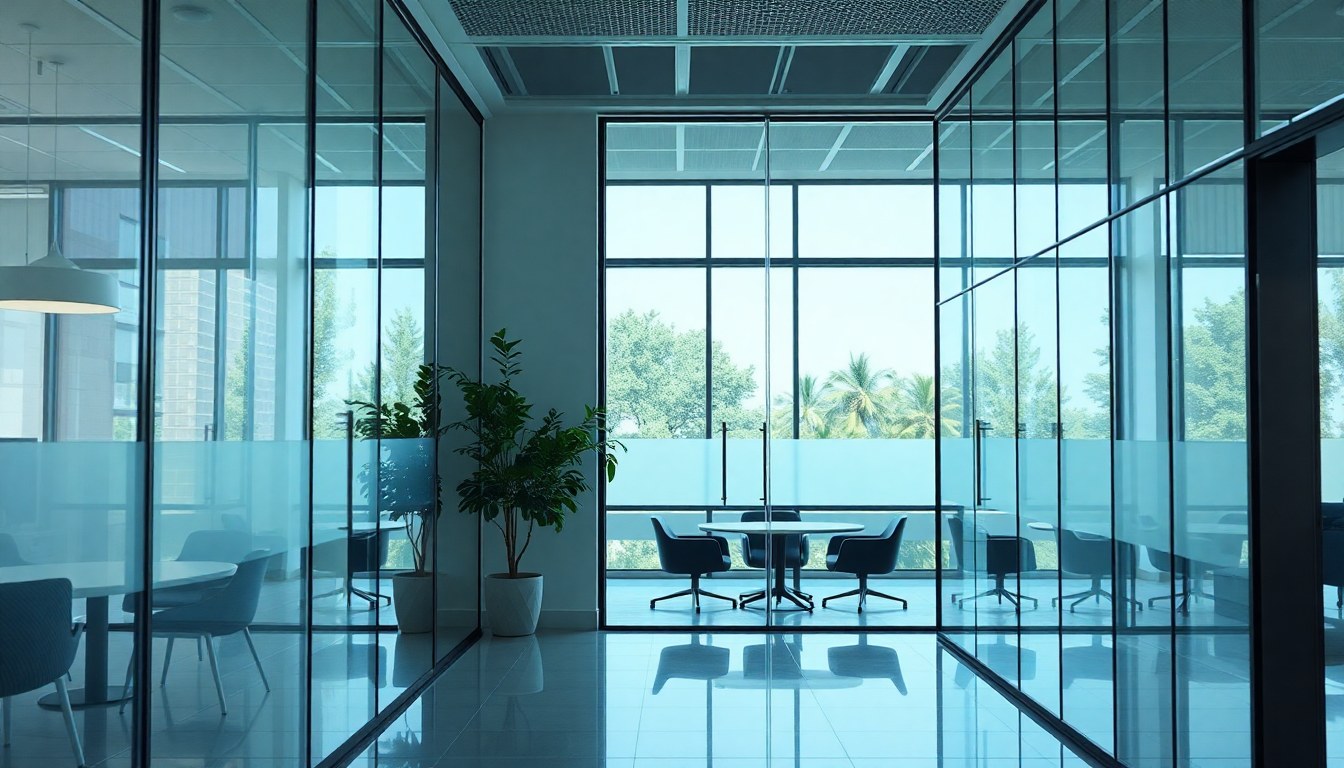
Modern offices demand flexibility, privacy, and style—often simultaneously. Smart glass partitions deliver all three by switching from transparent to opaque at the touch of a button, eliminating the need for traditional blinds or frosted glass. If you're planning an office renovation in Bangalore's thriving tech parks or corporate hubs, understanding switchable glass technology, costs, and installation requirements is essential to making an informed decision.
What Is Switchable Glass and How Does It Work?
Switchable glass, also called smart glass or privacy glass, is a technology that changes its light transmission properties when an electrical current is applied. In its default state, the glass can be transparent, translucent, or opaque depending on the type and configuration. When activated, it transitions to the opposite state—transparent glass becomes frosted, or frosted glass becomes clear.
The technology relies on two primary mechanisms: electrochromic and liquid crystal dispersed (LCD) films. Both methods work by manipulating how light passes through the glass material, creating instant privacy without the need for mechanical blinds or curtains. This makes switchable glass ideal for office cabins, conference rooms, and meeting spaces where privacy requirements change throughout the day.
Electrochromic Glass (EC Glass)
Electrochromic glass uses multiple thin layers of metal oxides and an electrolyte sandwiched between glass panes. When a low-voltage electrical current is applied, ions move through the layers, causing the glass to darken gradually. The process is reversible—reversing the current returns the glass to its original transparent state. This type of glass is durable, offers excellent UV protection, and can be controlled individually or in zones across large installations.
Liquid Crystal Dispersed (LCD) Glass
LCD smart glass contains millions of liquid crystal droplets suspended in a polymer film between glass layers. In their natural state, these droplets are randomly oriented, scattering light and making the glass appear opaque or frosted. When electric current is applied, the crystals align, allowing light to pass through and making the glass transparent. LCD glass switches almost instantly and requires power only during the transition, not to maintain opacity—making it energy-efficient for frequent switching scenarios.
Benefits of Smart Glass Partitions for Modern Offices
Switchable glass partitions offer distinct advantages over traditional glass, frosted finishes, and mechanical blinds. They combine aesthetics, functionality, and long-term cost savings in ways that conventional office solutions cannot match.
- Instant Privacy Control: Activate privacy in seconds without closing blinds or shutters, maintaining a clean, uncluttered aesthetic.
- Natural Light Optimization: Maintain daylight access while controlling visibility, reducing reliance on artificial lighting and lowering energy costs.
- Professional Appearance: Smart glass creates a modern, high-tech image that impresses clients and enhances workplace culture.
- Space Flexibility: Open office layouts can quickly transform private spaces for confidential meetings or focused work without structural changes.
- Reduced Maintenance: No blinds to clean, dust, or repair. Smart glass requires only occasional cleaning like regular windows.
- Sound Insulation Enhancement: The sealed multi-layer construction of smart glass provides better acoustic isolation than single-pane frosted glass.
- UV Protection: Electrochromic glass particularly excels at blocking harmful UV rays, protecting furnishings and reducing cooling loads.
Smart Glass Partition Costs in Bangalore
Pricing for switchable glass partitions in Bangalore varies significantly based on glass type, size, installation complexity, and supplier. Understanding the cost structure helps in budgeting and selecting the right solution for your office space.
Material Costs
LCD smart glass typically ranges from ₹4,000 to ₹8,000 per square meter, depending on thickness, quality, and supplier. Electrochromic glass is generally more expensive, ranging from ₹6,000 to ₹12,000 per square meter, but offers superior durability and UV control. These prices reflect the raw material and technology, not installation or electrical integration.
Installation and Integration Costs
Installation costs add another ₹1,500 to ₹3,000 per square meter, depending on the complexity of framing, electrical wiring, and control system integration. A typical office cabin partition measuring 3 meters × 2.5 meters (7.5 square meters) could cost between ₹45,000 and ₹90,000 for materials alone, plus installation fees. For larger conference rooms or open office zones, bulk installations often reduce per-unit costs.
Control Systems and Automation
Smart glass partitions require electrical control systems, which add ₹20,000 to ₹50,000 depending on whether you opt for simple manual switches, remote controls, or advanced automation integrated with building management systems (BMS). Bangalore's tech parks often invest in BMS-integrated systems that allow scheduling, occupancy-based activation, and energy monitoring.
Installation Process and Technical Considerations
Installing switchable glass partitions in an existing office space requires careful planning and coordination with electrical, structural, and design teams. The process differs slightly from traditional glass installations due to electrical requirements and control system integration.
Pre-Installation Assessment
Before installation, a site assessment determines structural load capacity, electrical infrastructure availability, and optimal partition placement. Bangalore's modern office buildings typically have adequate electrical capacity, but older structures may require electrical upgrades. The assessment also identifies whether walls are load-bearing and whether the partition will span multiple floors or sections.
Framing and Glazing
Smart glass partitions are installed in aluminum or steel frames similar to conventional glass systems. The frames must accommodate the electrical wiring and control mechanisms integrated into the partition. Sealing is critical—improper sealing can lead to moisture ingress, affecting the smart glass performance. Professional installers ensure weathertight, dust-proof installations that maintain the integrity of the electrochromic or LCD layers.
Electrical Integration
Low-voltage electrical wiring (typically 24V DC) runs through or behind the frame to power the smart glass. For large installations, multiple zones may be controlled independently, requiring a control panel and wiring distribution system. Bangalore's tech parks often have dedicated IT and facilities teams that coordinate with installers to ensure electrical safety and integration with existing building systems.
Maintenance and Long-Term Performance
Switchable glass partitions require minimal maintenance compared to blinds or traditional frosted glass, but proper care ensures longevity and consistent performance. Most manufacturers warrant smart glass for 10-15 years, with many installations lasting 20+ years with proper maintenance.
- Regular Cleaning: Use soft, non-abrasive cloths and mild glass cleaners. Avoid harsh chemicals that may damage the smart glass coating.
- Electrical System Checks: Periodically test control switches and automation systems to ensure responsive switching.
- Frame Inspection: Check aluminum or steel frames for corrosion, especially in humid environments. Bangalore's monsoon season requires attention to sealing.
- Firmware Updates: If integrated with building management systems, ensure control software is updated to maintain security and functionality.
Smart Glass in Bangalore's Office Landscape
Bangalore's status as India's IT capital means offices here prioritize cutting-edge technology and modern design. Switchable glass partitions align perfectly with this ethos, and many tech parks, corporate headquarters, and design-forward companies have adopted the technology. Firms like TADA Design Collective and interior design specialists such as Cube Interiors understand the importance of integrating smart glass into contemporary office environments.
For office renovations or new builds in Bangalore, consulting with experienced glass suppliers and interior designers ensures you select the right smart glass technology for your specific needs. Local suppliers like Shree Ram Glass & Plywood can provide material sourcing, while design-focused firms ensure seamless integration with your office aesthetic and workflow.
Frequently Asked Questions
How long does it take for smart glass to switch from transparent to opaque?
LCD smart glass typically switches in 1-3 seconds, while electrochromic glass takes slightly longer, usually 5-15 seconds depending on the size and voltage applied. For most office applications, both speeds are fast enough for practical privacy needs.
Can smart glass be installed in existing office spaces, or only in new construction?
Smart glass can be retrofitted into existing offices, though installation may require structural modifications, electrical upgrades, and temporary workspace disruption. New construction allows for easier integration during the planning phase, but retrofitting is entirely feasible in Bangalore's established office buildings.
What is the power consumption of switchable glass partitions?
LCD smart glass consumes power primarily during switching transitions, averaging 2-8 watts per square meter during operation. Electrochromic glass consumes similar power during switching but maintains opacity without continuous power. Overall energy consumption is minimal—far less than air conditioning or traditional lighting systems.
Is smart glass suitable for outdoor office spaces or only interior partitions?
While smart glass technology exists for outdoor applications, most office installations use it for interior partitions, cabin divisions, and conference room walls. Outdoor durability depends on UV exposure, temperature fluctuations, and moisture—factors that require specialized electrochromic glass designed for external environments, which is more expensive.
How does smart glass compare in cost to traditional frosted glass or blinds over a 10-year period?
Initial smart glass costs are higher (₹50,000-₹90,000+ for a typical cabin partition), but over 10 years, maintenance savings, durability, and energy efficiency offset the premium. Traditional blinds require regular replacement, cleaning, and repairs, while smart glass requires minimal upkeep. For high-use office spaces, smart glass becomes cost-competitive within 7-10 years.
Smart glass partitions represent a significant investment in your office's future—combining privacy, aesthetics, and operational efficiency. Whether you're designing a new tech park office in Bangalore or upgrading an existing corporate space, switchable glass technology offers a modern solution that grows with your business needs. Explore options with local glass suppliers and design professionals through glassy.in, India's largest glass-business directory, to connect with trusted providers and specialists who understand Bangalore's unique office environment.