
Shower Enclosures
Shower Niche Shelving in Toughened Glass: Installation and Waterproofing for Vadodara Bathrooms
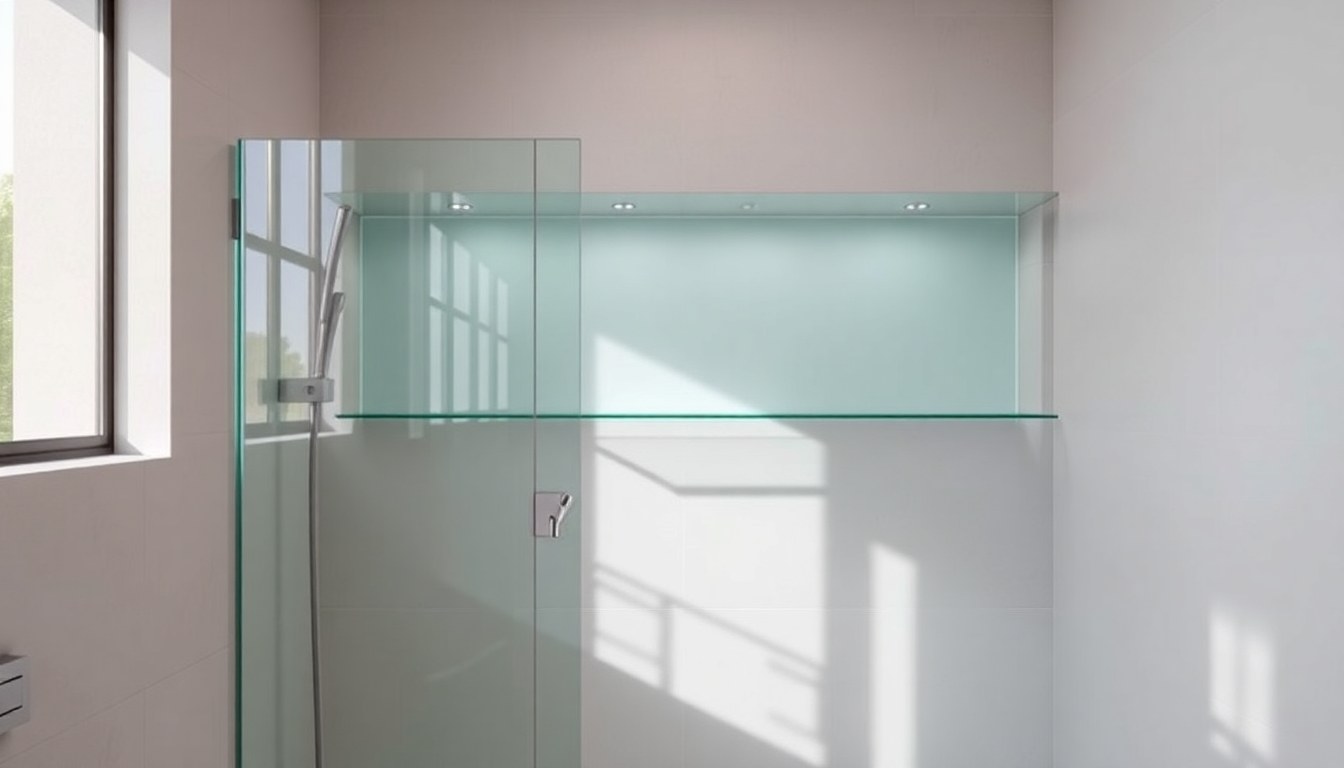
Shower niches with toughened glass shelving combine elegant minimalism with practical storage, turning recessed wall cavities into functional display spaces for toiletries and bath essentials. In Vadodara's humid climate, proper glass selection, edge treatment, and waterproofing are critical to prevent leaks, mold growth, and premature deterioration. This guide covers everything from glass thickness and tempering standards to silicone compatibility and integration with ceramic or stone tile surrounds, helping you create durable, beautiful wet-area storage solutions.
Why Toughened Glass for Shower Niche Shelves
Standard annealed glass poses significant safety risks in wet environments where slippery hands and dropped bottles are common. Toughened (tempered) glass undergoes controlled thermal treatment that makes it four to five times stronger than ordinary glass and causes it to shatter into small, relatively harmless granules rather than dangerous shards. For shower applications where shelves bear the weight of shampoo bottles, soap dispensers, and other items while constantly exposed to moisture and temperature fluctuations, tempering is not optional—it is essential.
Beyond safety, toughened glass resists thermal shock far better than annealed alternatives. Vadodara's bathroom temperatures can swing dramatically when hot shower steam meets air-conditioned spaces, creating stress that would crack untreated glass. Tempered shelves handle these transitions without issue, maintaining structural integrity season after season.
The aesthetic advantages are equally compelling. Glass shelves appear to float within tile niches, creating visual lightness that makes small Vadodara bathrooms feel more spacious. Unlike metal or plastic alternatives that corrode or discolor in constant moisture, properly sealed glass maintains its clarity indefinitely with minimal maintenance.
Glass Thickness and Load-Bearing Specifications
Selecting appropriate glass thickness depends on shelf span, expected load, and support method. For most residential shower niches in Vadodara, the following specifications apply:
- 8mm thickness: Suitable for shelves up to 300mm wide with light loads (soap bars, small bottles). Requires full-perimeter support or metal brackets at minimum 200mm intervals.
- 10mm thickness: The most common choice for shelves 300-450mm wide carrying typical toiletry loads. Provides adequate strength with semi-recessed mounting into tile or stone.
- 12mm thickness: Recommended for spans exceeding 450mm or heavy-duty applications. Offers superior rigidity and premium appearance but increases material and fabrication costs by 30-40%.
Always specify toughened glass to IS 2553 Part 1 standards, which govern thermal tempering processes in India. Reputable Vadodara fabricators will provide certification confirming the glass has been properly tempered. The thickness you choose affects not only strength but also the visual weight of the shelf—thicker glass appears more substantial and luxurious, while 8mm options maintain an airier aesthetic.
Edge Polishing and Finishing Options
Exposed glass edges require polishing for both safety and aesthetics. Standard options include flat polished edges (the most economical choice), beveled edges that catch light beautifully, and pencil-rounded edges that eliminate sharp corners entirely. For shower shelves, pencil polishing is strongly recommended as it prevents cuts during cleaning and creates a softer, more refined appearance.
Some Vadodara clients opt for seamed edges on sides that recess into tile work, saving ₹50-80 per linear foot while maintaining polished fronts where fingers make contact. Discuss edge treatment with your fabricator during the template stage, as post-tempering edge work is impossible—all cutting, drilling, and polishing must occur before the thermal treatment.
Waterproofing and Silicone Sealant Selection
Even toughened glass requires proper sealing to prevent water infiltration behind shelves, which leads to tile damage, mold growth, and structural problems. The junction between glass and tile represents a critical waterproofing plane that must accommodate minor movement while maintaining a watertight seal.
Neutral-cure silicone sealants are mandatory for glass applications. Acetoxy-cure (vinegar-smell) silicones release acetic acid during curing that can etch glass and corrode metal shelf supports. Quality neutral-cure products designed for wet areas include:
- Dow Corning 795: Professional-grade building sealant with excellent adhesion to glass, ceramic, and natural stone. Resists mold growth and maintains flexibility across temperature ranges common in Vadodara bathrooms.
- Sika Sanisil: Specifically formulated for sanitary applications with fungicide additives. Bonds well to non-porous surfaces and cures to a durable, flexible seal.
- Fevicol Marine Silicone: A more economical Indian-manufactured option suitable for residential applications, though professional installers often prefer imported formulations for critical waterproofing.
Apply continuous beads along all contact points between glass and tile, smoothing with a wet finger or tool to create concave profiles that shed water. Allow 24-48 hours of cure time before exposing seals to water, and longer in Vadodara's monsoon humidity when curing slows. Avoid sealants labeled "kitchen and bath" without specific glass compatibility—these may not bond adequately to non-porous surfaces.
Waterproofing Membrane Integration
The niche cavity itself requires waterproofing before tile installation. Liquid-applied membranes like Dr. Fixit or brush-on systems from Sika should extend across the entire recess, creating a waterproof pan. When installing glass shelves, ensure sealant bonds to this membrane layer (if accessible) or to fully cured tile surfaces that have been cleaned of soap residue, oils, and dust.
For recessed installations where shelf edges sit within routed tile channels, the membrane must wrap into these channels before tile setting. This creates redundant waterproofing—even if the silicone seal eventually degrades, the membrane prevents water from reaching wall substrates.
Installation Methods and Tile Integration
Three primary installation approaches suit Vadodara bathroom conditions, each with distinct advantages:
Full Recess Installation
The glass shelf slots into horizontal channels routed into tile or stone during installation. This method provides the cleanest aesthetic with no visible brackets, but requires precise coordination between tiler and glass fabricator. The shelf typically sits on a thin bead of silicone within the lower channel, with additional sealant applied to the upper channel for lateral stability. This approach works best with 10-12mm glass that has sufficient edge thickness to engage channels securely.
L-Bracket Support
Stainless steel or brass L-brackets (grade 304 minimum for corrosion resistance) mount to the back wall of the niche, with the glass shelf resting on the horizontal arms. Small clear silicone dots secure the glass to brackets while allowing removal for deep cleaning. This method suits retrofit applications where tile is already installed and provides flexibility for shelf height adjustment. Ensure brackets are anchored into solid backing—never just tile and adhesive—using appropriate fasteners for your wall construction (concrete, brick, or cement board).
Floating Pin Installation
Concealed metal pins (typically 10-12mm diameter) project from the back wall, inserting into holes drilled in the glass shelf rear edge before tempering. The shelf appears to float with minimal visible support. This sophisticated approach requires millimeter-precise hole placement and professional installation, making it the most expensive option but delivering unmatched visual impact. Waterproofing around pins demands careful detailing to prevent leakage paths.
Vadodara Fabricator Selection and Pricing
Vadodara's glass industry includes numerous fabricators capable of producing toughened shower shelves, but capabilities vary significantly. When selecting a supplier, verify they have:
- On-site tempering furnaces (not outsourcing to other cities, which adds time and breakage risk)
- CNC cutting and edging equipment for precise dimensions and consistent polish quality
- Experience with bathroom applications and understanding of waterproofing requirements
- Willingness to provide IS 2553 certification and written warranties covering tempering quality
Typical pricing in Vadodara for toughened glass shower shelves ranges from ₹800-1,400 per square foot depending on thickness, edge work, and order volume. A standard 450mm × 200mm shelf in 10mm glass with pencil-polished edges costs approximately ₹650-900 including fabrication. Custom shapes, holes for fixtures, or premium edge treatments add 15-25% to base prices. Request itemized quotes that separate material, fabrication, tempering, and installation charges.
Several Vadodara fabricators offer complete installation services including waterproofing consultation and coordination with tile contractors. While this increases upfront costs by ₹1,500-3,000 per niche, it ensures proper integration and typically includes warranty coverage for both materials and workmanship.
Maintenance and Long-Term Care
Toughened glass shelves require minimal maintenance but benefit from regular attention to preserve clarity and prevent buildup. Vadodara's hard water contains calcium and magnesium that create cloudy deposits on glass surfaces. Weekly cleaning with a squeegee or microfiber cloth prevents these minerals from bonding permanently.
For deeper cleaning, use pH-neutral glass cleaners or a solution of white vinegar and water (1:1 ratio). Avoid abrasive scrubbers that can scratch polished edges and create sites for future buildup. If hard water staining becomes severe, specialized lime removers formulated for glass (available at Vadodara tile and sanitary suppliers) can restore clarity without damaging tempered surfaces.
Inspect silicone seals annually, looking for gaps, discoloration, or loss of adhesion. Well-applied neutral-cure silicone should last 5-8 years in shower environments, but Vadodara's monsoon humidity and temperature extremes can accelerate degradation. Early resealing costs ₹300-600 per shelf and prevents expensive water damage repairs later.
Frequently Asked Questions
What is the minimum thickness for a toughened glass shower shelf?
While 6mm toughened glass exists, 8mm is the practical minimum for shower shelves in residential applications. This thickness provides adequate strength for typical toiletry loads on spans up to 300mm with proper support. For shelves wider than 300mm or those bearing heavier items, 10mm thickness is strongly recommended to prevent deflection and potential breakage over time.
Can I install glass shelves in an existing tiled shower niche?
Yes, retrofit installation is entirely feasible using L-bracket or adhesive mounting methods. The key is ensuring your niche has solid backing material (cement board or masonry) capable of supporting bracket anchors. Clean tile surfaces thoroughly with isopropyl alcohol before applying silicone, and allow full cure time before loading shelves. For niches without adequate backing, consult a contractor about reinforcement options before proceeding with glass installation.
How do I prevent soap scum buildup on glass shower shelves?
Prevention is easier than removal. Apply a thin coat of automotive rain-repellent treatment (products like Rain-X) to clean, dry glass shelves every 2-3 months. These hydrophobic coatings cause water and soap to bead and run off rather than forming films. Daily squeegeeing after showers also dramatically reduces buildup. For existing scum, use a paste of baking soda and white vinegar, let sit for 10 minutes, then scrub with a non-abrasive sponge and rinse thoroughly.
What is the cost difference between clear and frosted toughened glass shelves?
Frosted (acid-etched or sandblasted) glass typically costs 20-30% more than clear toughened glass due to the additional processing step. In Vadodara, expect to pay ₹950-1,200 per square foot for frosted versus ₹800-950 for clear in comparable thickness. Frosted glass hides water spots and soap residue better than clear, reducing visible maintenance needs, but shows dust more readily on the matte surface. Many clients choose frosted for lower shelves where contents are less display-focused and clear for upper shelves showcasing decorative bottles.
Do glass shower shelves need special supports for earthquake safety?
Vadodara falls in seismic zone III, requiring moderate earthquake preparedness. For shower shelves, this means ensuring adequate engagement depth in recessed installations (minimum 12mm on each side) and using flexible silicone rather than rigid adhesives that can crack during tremors. L-bracket installations should include small silicone dots securing glass to brackets, preventing shelves from sliding off during lateral movement. Properly installed toughened glass shelves with appropriate silicone sealing provide sufficient earthquake resistance for residential applications without specialized hardware.
Ready to upgrade your Vadodara bathroom with custom toughened glass shower shelves? Visit glassy.in, India's largest glass business directory, to connect with certified fabricators, compare quotes, and read verified customer reviews. Whether you need simple floating shelves or complex integrated niche systems, glassy.in helps you find qualified professionals who understand local installation requirements and waterproofing best practices for Vadodara's unique climate conditions.