
Shower Enclosures
Shower Enclosure Door Mechanisms: Sliding vs Pivot vs Bi-Fold Comparison
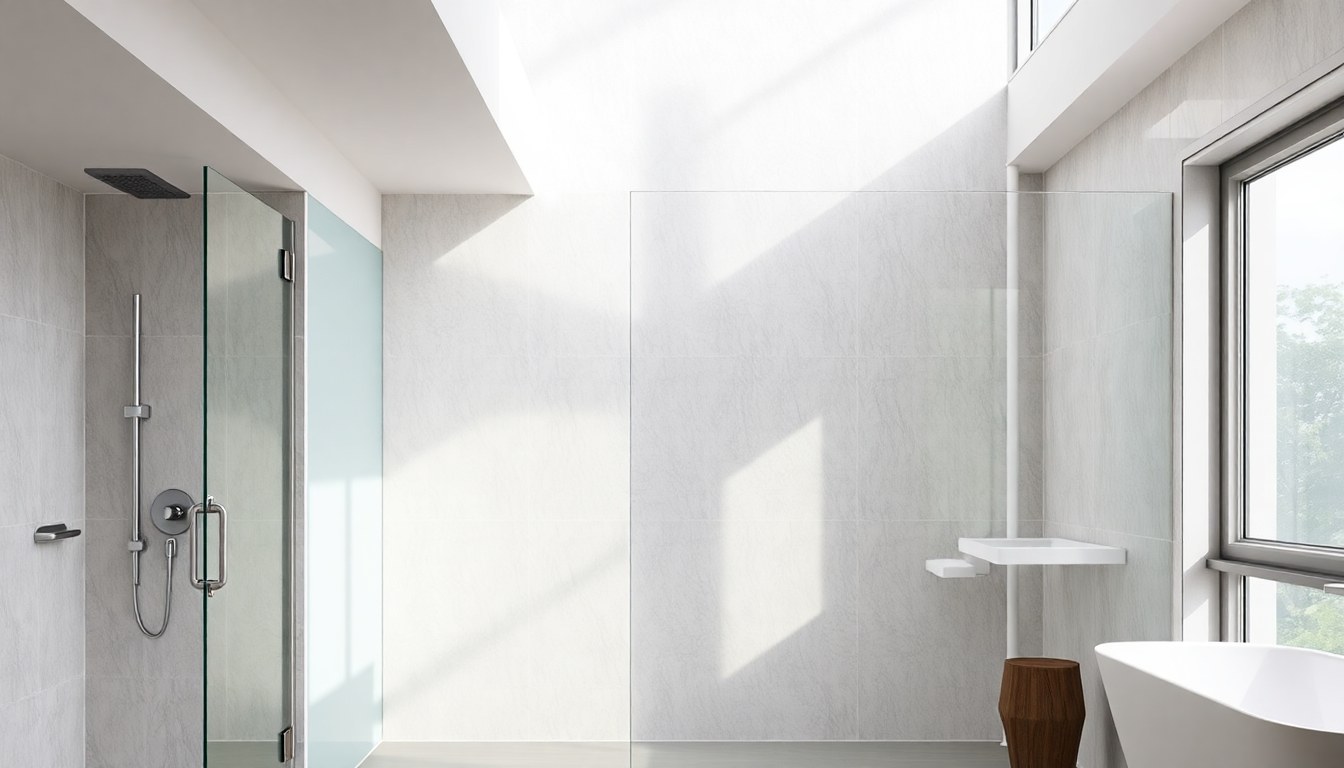
Selecting the right shower door mechanism is one of the most important decisions when designing or renovating your bathroom. The door type affects not only the aesthetic appeal but also functionality, space utilization, water containment, and maintenance requirements. Whether you're working with a compact bathroom in a Mumbai apartment or a spacious master bath in a Delhi villa, understanding the differences between sliding, pivot, and bi-fold shower doors will help you make an informed choice that suits your specific needs.
Understanding Sliding Shower Door Mechanisms
Sliding shower doors, also known as bypass doors, operate on a track system where two or more glass panels glide horizontally past each other. This mechanism is particularly popular in Indian bathrooms where space optimization is crucial. The doors move along parallel tracks mounted at the top and bottom of the enclosure, allowing one panel to slide behind or in front of the other.
The primary advantage of sliding doors is their space-saving design. Since the doors don't swing outward, they require no clearance space outside the shower area, making them ideal for bathrooms measuring 5x7 feet or smaller. This makes sliding mechanisms the go-to choice for apartments in metro cities where every square foot counts. The doors typically use roller bearings or wheeled carriages that run smoothly along aluminum or stainless steel tracks.
Space Requirements and Installation
Sliding doors need zero external clearance, requiring only the footprint of the shower enclosure itself. However, they do need sufficient wall space for the tracks to be mounted securely. The installation process involves precise leveling of both tracks to ensure smooth operation and proper water drainage. Most sliding systems in India are available in standard widths of 48, 54, and 60 inches, though custom sizes can be manufactured.
Water Leakage Considerations
The overlapping design of sliding doors creates multiple potential leak points. Water can seep through the gap where panels overlap and through the bottom track if not properly sealed. Quality sliding systems use magnetic seals, vinyl gaskets, and water-deflecting fins to minimize leakage. The bottom track must have proper weep holes to drain any water that collects, preventing overflow into the bathroom floor.
Exploring Pivot Shower Door Systems
Pivot doors, also called swing doors or hinged doors, operate on a hinge mechanism that allows the door to swing open in one or both directions. The hinges are typically mounted on one side of the door panel, though some designs use a central pivot point. This traditional mechanism offers a wide, unobstructed entry and a clean, minimalist appearance that appeals to modern bathroom designs.
Pivot doors provide the most generous opening width among all shower door types, making them accessible for elderly users and people with mobility challenges. The absence of bottom tracks creates a seamless threshold that's easier to clean and safer to step over. In Indian homes where bathroom attendants or caregivers may need to assist family members, this accessibility feature becomes particularly valuable.
Space and Clearance Needs
The main limitation of pivot doors is their clearance requirement. A standard pivot door needs at least 24 to 30 inches of clear floor space outside the shower for the door to swing open completely. In a typical Indian bathroom, this can consume valuable space that might be needed for other fixtures. Some pivot systems offer outward-and-inward swing capabilities, providing flexibility in tight spaces, though these cost approximately 20-30% more than single-swing models.
Hardware Durability and Maintenance
Pivot door hardware bears the full weight of the glass panel, making hinge quality critical. Premium pivot systems use brass or stainless steel hinges with self-closing mechanisms and adjustable tension. In coastal cities like Chennai or Goa where humidity and salt air accelerate corrosion, investing in marine-grade stainless steel hardware (grade 316) is advisable. Regular lubrication of hinges every six months ensures smooth operation and extends hardware life to 10-15 years.
Analyzing Bi-Fold Door Mechanisms
Bi-fold shower doors consist of two or more panels connected by hinges that fold against each other when opening, similar to an accordion. This mechanism offers a compromise between the space-saving benefits of sliding doors and the wide access of pivot doors. Bi-fold systems are particularly useful in bathrooms with limited floor space but where a wider entry is desired than what sliding doors typically provide.
The folding action allows bi-fold doors to open inward or outward while requiring only half the clearance space of a full pivot door. This makes them suitable for bathrooms in the 6x6 to 7x8 feet range, common in Indian residential projects. The mechanism uses multiple pivot points and hinges, creating a sophisticated system that maximizes both space efficiency and accessibility.
Complexity and Cost Considerations
Bi-fold doors are mechanically more complex than sliding or pivot systems, involving multiple hinges, alignment pins, and magnetic closures. This complexity translates to higher initial costs, typically ranging from ₹18,000 to ₹45,000 for quality systems, compared to ₹12,000-₹30,000 for sliding doors and ₹15,000-₹35,000 for pivot doors. The additional hardware also means more potential points of failure and higher maintenance requirements over time.
Water Containment Performance
Bi-fold mechanisms can be challenging for water containment because of the multiple folding joints and the dynamic movement pattern. Water can spray through gaps during the folding action if someone opens the door while the shower is running. Quality bi-fold systems address this with comprehensive seal systems including magnetic strips along all panel edges, bottom sweeps, and drip rails. Proper installation with accurate alignment is crucial to prevent leakage issues.
Comparative Analysis for Indian Bathrooms
When choosing between these mechanisms for Indian conditions, several factors deserve consideration. Climate plays a role—in humid regions like Kerala or coastal Karnataka, hardware corrosion resistance becomes paramount. Water hardness varies significantly across India; areas with hard water like Bangalore or Hyderabad will see more mineral buildup on tracks and seals, making maintenance frequency a key decision factor.
For compact bathrooms under 50 square feet, sliding doors typically offer the best solution. They maximize usable space while providing adequate shower access. Mid-sized bathrooms of 50-75 square feet can accommodate pivot doors, which offer superior aesthetics and easier cleaning. Bi-fold doors work well in specific scenarios where you need wider access than sliding doors provide but cannot spare the full clearance for pivot doors.
Maintenance Requirements Across Mechanisms
Sliding doors require regular track cleaning to remove soap scum, hair, and mineral deposits that can impede smooth operation. The bottom track, in particular, needs weekly attention in hard water areas. Pivot doors demand less frequent but more critical maintenance—hinge inspection and lubrication every six months, and periodic tightening of mounting screws. Bi-fold systems need the most comprehensive maintenance schedule, including hinge lubrication, alignment checks, and seal inspection quarterly.
- Sliding doors: Clean tracks weekly, replace rollers every 3-5 years, reseal gaskets every 2-3 years
- Pivot doors: Lubricate hinges biannually, check mounting stability annually, replace seals every 3-4 years
- Bi-fold doors: Quarterly hinge maintenance, annual alignment adjustment, seal replacement every 2-3 years
Making the Right Choice for Your Needs
Your final decision should balance practical constraints with personal preferences. If you have young children or elderly family members, the threshold-free design of pivot doors offers safety advantages despite requiring more space. For rental properties or budget-conscious renovations, sliding doors provide reliable performance at lower costs. Premium homes prioritizing aesthetics might justify the investment in bi-fold systems despite higher maintenance needs.
Consider future-proofing your choice as well. Bathrooms typically undergo renovation every 10-15 years in Indian homes, but shower enclosures often last longer. A pivot door system might seem extravagant in a small bathroom today, but if you plan to eventually combine it with an adjacent room to create a larger master bath, it becomes a wise long-term investment. Similarly, installing a premium sliding system with replaceable components ensures you can maintain functionality for decades without complete replacement.
Professional Installation Importance
Regardless of which mechanism you choose, professional installation is crucial for optimal performance. Improper leveling causes sliding doors to bind or roll unevenly. Incorrectly mounted pivot hinges create stress points that can crack glass panels. Misaligned bi-fold systems leak and wear out prematurely. Investing in experienced installers—budget ₹3,000-₹8,000 for professional installation—prevents costly problems and ensures your shower door operates smoothly from day one.
Frequently Asked Questions
Which shower door type is best for small Indian bathrooms?
Sliding shower doors are ideal for compact bathrooms under 50 square feet as they require no clearance space outside the enclosure. They maximize usable floor area while providing adequate shower access, making them the most popular choice for apartments in Mumbai, Bangalore, and other metro cities where space is at a premium.
How much do different shower door mechanisms cost in India?
Sliding doors typically range from ₹12,000 to ₹30,000 depending on glass quality and hardware. Pivot doors cost ₹15,000 to ₹35,000, while bi-fold systems are the most expensive at ₹18,000 to ₹45,000. These prices include standard 8mm tempered glass and basic hardware; premium finishes and thicker glass increase costs by 30-50%.
Which mechanism requires the least maintenance?
Pivot doors generally require the least frequent maintenance—primarily biannual hinge lubrication and occasional seal replacement. Sliding doors need more regular track cleaning, especially in hard water areas, while bi-fold systems demand the most attention with quarterly maintenance checks due to their multiple moving parts and complex hinge systems.
Do sliding shower doors leak more than pivot doors?
Sliding doors have more potential leak points due to the overlapping panels and bottom track, but quality systems with proper magnetic seals and vinyl gaskets perform comparably to pivot doors. Leakage is typically more dependent on installation quality and seal maintenance than on the mechanism type itself. Regular seal inspection and timely replacement prevent leakage issues across all door types.
Can I install a pivot door in a bathroom with limited space?
While standard pivot doors need 24-30 inches of clearance, some manufacturers offer compact pivot systems or doors that swing both inward and outward, reducing clearance requirements to 15-18 inches. Alternatively, consider a single-panel frameless pivot door with a fixed panel configuration, which provides the aesthetic benefits of pivot doors while minimizing space consumption in bathrooms as small as 5x7 feet.
Choosing the right shower door mechanism involves balancing space constraints, budget, maintenance capacity, and aesthetic preferences. Whether you opt for the space-efficient sliding door, the accessible pivot door, or the versatile bi-fold system, quality installation and regular maintenance ensure years of reliable performance. For expert guidance and to connect with verified shower enclosure suppliers across India, explore the comprehensive business directory at glassy.in, where you'll find manufacturers, installers, and service providers specializing in all types of shower door systems.