
Interior Design
Shopfront Glass Design Trends 2026: Retail Transparency & Brand Display
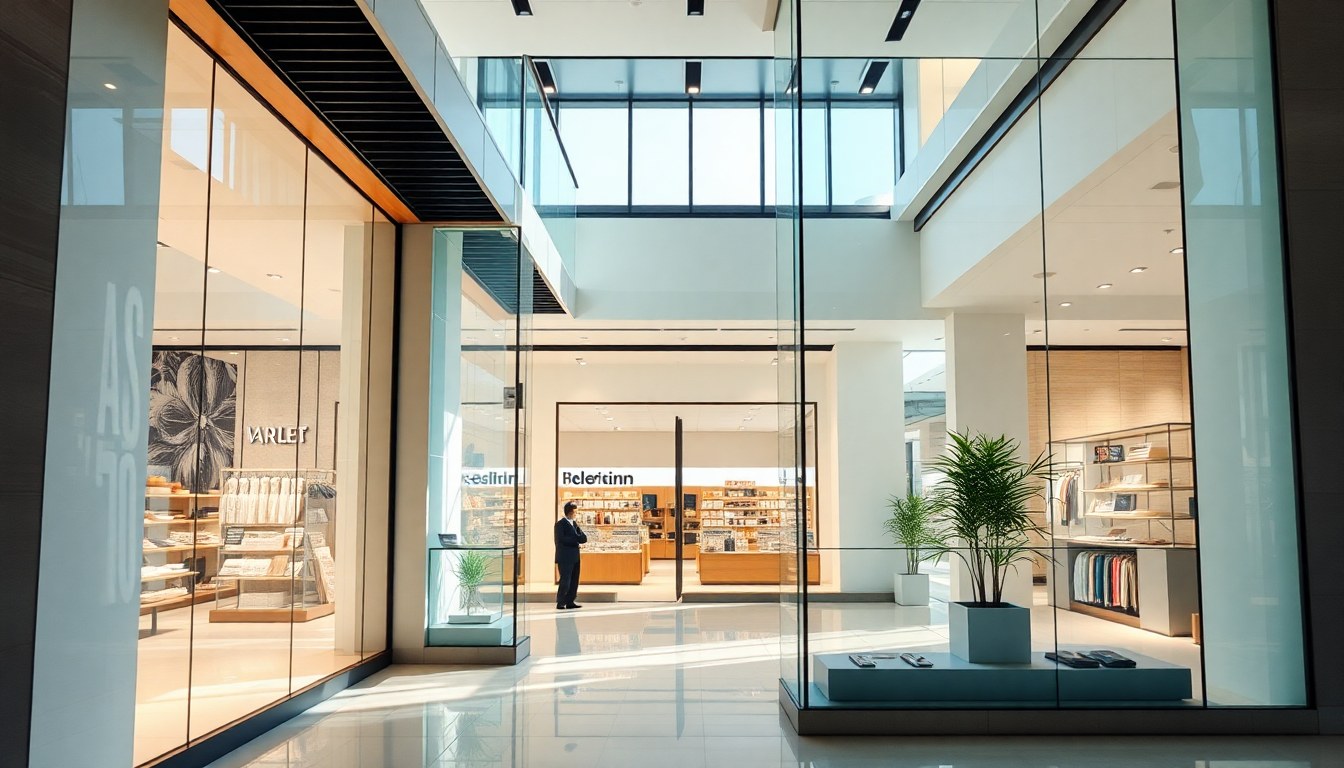
Modern retail storefronts are becoming architectural statements that merge transparency with brand identity. In 2026, shopfront glass design is moving beyond simple window displays toward sophisticated systems that combine curved facades, frameless engineering, smart lighting, and digital integration to captivate customers and maximize product visibility. Understanding these emerging trends helps retailers and architects create spaces that drive foot traffic and elevate the shopping experience.
Curved Glass Facades: Breaking Away from Flat Designs
Curved glass facades are redefining how retail spaces interact with street-level foot traffic. Unlike traditional flat shopfronts, curved designs create dynamic visual angles that draw the eye from multiple directions and make storefronts appear larger and more inviting. This architectural trend is particularly effective in high-street locations and shopping districts across Indian metros like Mumbai, Delhi, and Bangalore, where competition for customer attention is intense.
The engineering behind curved glass has advanced significantly. Modern curved facades use heat-strengthened or tempered glass that maintains structural integrity while achieving smooth, flowing lines. Installation requires precision measurement and custom fabrication, but the investment pays dividends through enhanced brand perception and increased dwell time—the time customers spend looking at your storefront.
Benefits of Curved Glass for Retail
- Enhanced visibility: Curved surfaces reflect light differently, creating visual interest from multiple angles
- Psychological appeal: Curved lines feel welcoming and modern, encouraging customers to enter
- Space perception: Curves make storefronts appear deeper and more spacious
- Weather resilience: Properly engineered curves improve water drainage and reduce pooling
Frameless Tempered Glass Systems
Frameless glass systems have moved from luxury retail into mainstream shopfront design. These systems eliminate visible metal frames, creating an unobstructed view of merchandise and allowing the interior design to extend seamlessly to the street. Frameless designs rely entirely on tempered or laminated glass for structural support, requiring careful engineering and high-quality materials.
Tempered glass is essential for frameless systems because it's four to five times stronger than standard glass and shatters into small, harmless granules rather than dangerous shards. In India, where safety standards and durability are critical, tempered glass meeting IS 2553 (Indian Standard for safety glass) ensures compliance and customer protection. The cost of frameless systems typically ranges from ₹3,500 to ₹8,000 per square meter, depending on glass thickness and installation complexity.
Installation Considerations for Frameless Glass
Frameless systems require specialized fittings and precise installation. Stainless steel or aluminum patch fittings connect glass panels at corners and edges, and these must be installed by experienced glaziers. The glass itself is usually 12mm to 19mm thick, with laminated options providing additional safety and sound insulation. Proper sealing with high-performance silicone sealants is critical to prevent water infiltration and ensure longevity.
Digital Integration and Smart Displays
The line between glass and digital technology is blurring in 2026. Interactive digital displays, projection mapping, and smart glass technologies are being integrated directly into shopfront glazing. These systems allow retailers to change messaging instantly, showcase dynamic product imagery, and create immersive brand experiences without replacing the physical storefront.
Smart glass technology, which can switch between transparent and opaque states, offers privacy control and energy efficiency while maintaining the transparency aesthetic. Projection-mapped glass creates stunning visual effects by projecting images onto specially treated glass surfaces. These technologies are gaining traction in premium retail locations and flagship stores across Indian cities, though cost remains a significant factor—smart glass systems can cost ₹15,000 to ₹30,000 per square meter.
Practical Digital Applications
- Dynamic product showcases: Display rotating product images and promotional content
- Real-time inventory displays: Show availability of featured items
- Interactive wayfinding: Guide customers to specific departments or products
- Weather-responsive graphics: Adjust messaging based on real-time conditions
- Social media integration: Display customer reviews and user-generated content
Strategic Lighting for Maximum Product Visibility
Lighting design is equally important as the glass itself in modern shopfront design. LED technology has made it possible to integrate lighting directly into glass frames, within mullions, or as external wash lighting that highlights the facade. Strategic lighting serves multiple purposes: it ensures products are visible after dark, creates ambiance, draws attention to specific merchandise, and enhances security by eliminating dark corners.
Color temperature matters significantly. Warm white light (2700K-3000K) creates an inviting, comfortable atmosphere suitable for fashion and lifestyle brands, while cool white light (4000K-5000K) works better for electronics, jewelry, and premium products. Many retailers are adopting tunable LED systems that adjust color temperature throughout the day, aligning with natural light cycles and customer behavior patterns.
Lighting Strategies for 2026 Shopfronts
Modern shopfront lighting moves beyond simple illumination. Accent lighting highlights specific products or architectural features, creating focal points that guide customer attention. Backlit displays use translucent glass or frosted panels with integrated LED strips to create glowing product showcases visible from the street. Grazing light—angled lighting that emphasizes texture and depth—adds sophistication to luxury retail environments.
Energy efficiency is increasingly important. LED systems consume 75% less energy than traditional halogen lighting and last 25,000 to 50,000 hours. Motion sensors and daylight harvesting systems automatically adjust lighting levels based on ambient conditions, reducing electricity costs while maintaining visibility. In India, where energy costs are rising, these efficiency measures directly impact operational expenses.
Material Innovations and Sustainability
Sustainability is reshaping material choices for shopfront glass. Low-emissivity (low-E) glass reduces heat transfer, keeping interiors cooler in India's hot climate while reducing air conditioning costs. Recycled glass content is becoming more common in manufacturing, and some producers now offer glass with up to 30% recycled material without compromising quality or clarity.
Anti-reflective coatings reduce glare and improve product visibility, particularly important in bright sunlight. Self-cleaning glass coatings, which use photocatalytic technology to break down dirt and organic matter, reduce maintenance requirements—a significant advantage in dusty Indian urban environments. These coatings typically add 15-20% to glass costs but pay for themselves through reduced cleaning labor over 5-7 years.
Popular Glass Types for Modern Shopfronts
- Tempered glass: Standard choice for safety and durability; ₹1,500-₹3,500 per sq.m.
- Laminated glass: Enhanced safety with sound insulation; ₹2,500-₹5,000 per sq.m.
- Low-E glass: Thermal efficiency; ₹3,000-₹6,000 per sq.m.
- Smart glass: Switchable opacity; ₹15,000-₹30,000 per sq.m.
- Self-cleaning glass: Photocatalytic coating; ₹4,000-₹7,000 per sq.m.
Color and Tinting Trends
While clear glass remains the standard, tinted and colored glass options are gaining popularity for brand differentiation. Subtle gray or bronze tints reduce glare and solar heat gain while maintaining visibility. Some luxury brands are experimenting with custom-tinted glass that reflects brand colors while remaining transparent enough to showcase products. Dark tints (over 50% opacity) are used strategically in luxury retail to create exclusivity and mystery.
The trend in 2026 is moving toward minimalist, neutral tints that enhance product visibility rather than compete with it. Retailers are learning that the storefront glass should be a frame for the product, not a statement in itself. Exceptions exist in fashion and lifestyle sectors where the glass itself becomes part of the brand identity.
Frequently Asked Questions
What is the most cost-effective shopfront glass option for small retailers?
Standard tempered glass remains the most cost-effective choice, typically costing ₹1,500-₹3,500 per square meter installed. It provides excellent safety, durability, and visibility without the premium pricing of smart glass or specialized coatings. For small storefronts (20-30 sq.m.), total material and installation costs usually range from ₹60,000 to ₹120,000. Adding basic LED lighting and proper sealing is recommended even on modest budgets.
How long do modern shopfront glass systems last?
Quality tempered and laminated glass systems can last 15-20 years or longer with proper maintenance. The glass itself is extremely durable, but longevity depends on installation quality, sealing maintenance, and environmental factors. In coastal areas or regions with high pollution, more frequent cleaning and sealant inspection are necessary. LED lighting systems typically last 8-10 years before requiring bulb replacement.
Is frameless glass more expensive than framed systems?
Yes, frameless glass systems typically cost 20-40% more than traditional framed systems because they require thicker, higher-quality glass and specialized fittings. However, the aesthetic benefits and improved product visibility often justify the investment for premium retail locations. For high-street locations in major Indian cities, the enhanced brand perception can increase sales enough to offset the higher initial cost within 2-3 years.
What maintenance is required for modern shopfront glass?
Regular cleaning is essential—weekly for high-traffic areas, monthly for standard locations. Use pH-neutral cleaners to avoid damaging coatings. Inspect sealants quarterly and reseal every 5-7 years. Self-cleaning glass reduces frequency but doesn't eliminate the need for occasional washing. Check LED lighting systems monthly and replace any non-functioning units promptly to maintain visibility.
Can I retrofit my existing shopfront with new glass design trends?
Yes, retrofitting is possible but requires structural assessment. Upgrading to frameless systems or adding smart glass typically requires reinforcement of existing frames and support structures. The cost of retrofitting is usually 30-50% higher than new installation because of structural modifications. For most retailers, retrofitting is worthwhile every 10-15 years to maintain competitive appearance and incorporate new technology.
Conclusion
Shopfront glass design in 2026 reflects a convergence of aesthetics, technology, and sustainability. Curved facades, frameless systems, integrated digital displays, and strategic lighting create retail environments that engage customers before they even enter the store. Whether you're planning a new storefront or upgrading an existing one, understanding these trends helps you make informed decisions that balance investment with long-term returns.
Ready to upgrade your retail space with cutting-edge glass solutions? Browse verified glass suppliers, manufacturers, and installation specialists on glassy.in, India's largest glass-business directory. Find local experts in your city who specialize in shopfront design, tempered glass systems, and retail glazing solutions.