
Interior Design
Fluted Glass vs Reeded Glass: Which Texture Works Best for Your Interior?
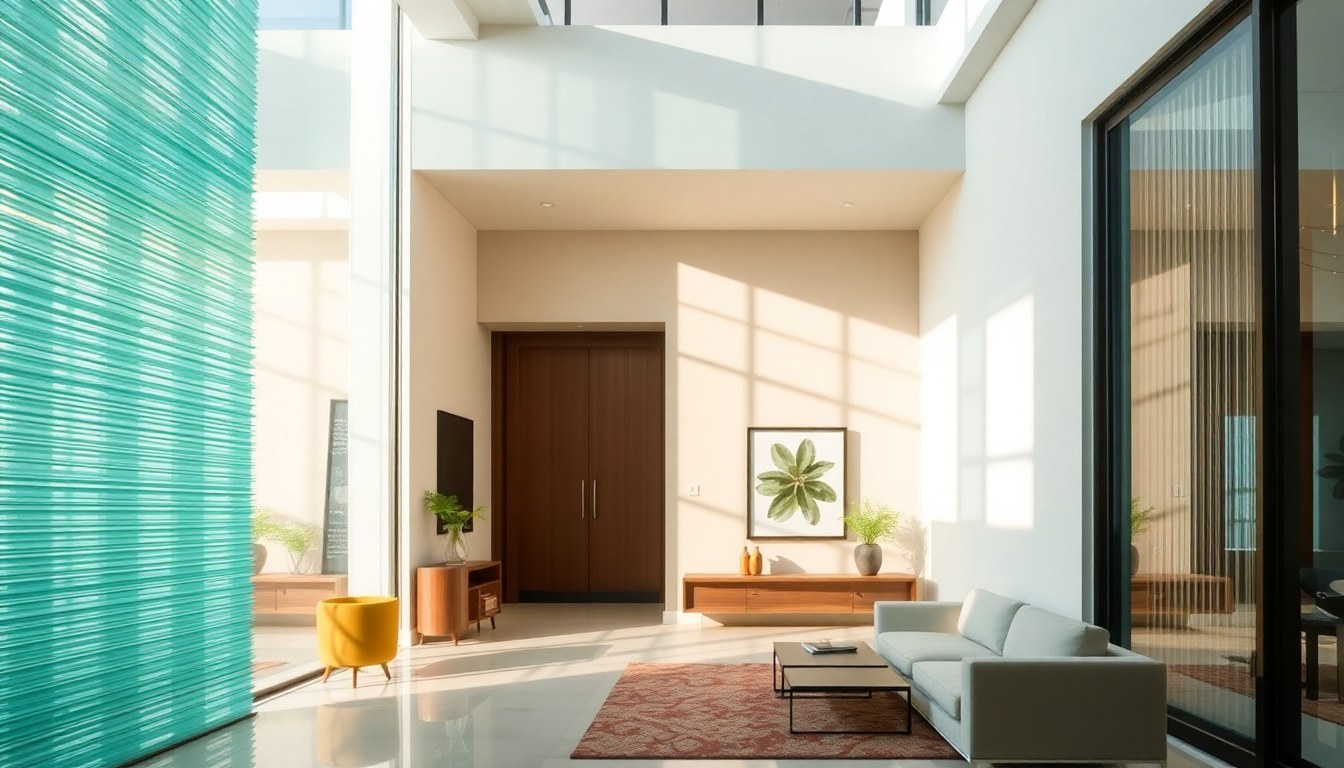
Fluted and reeded glass are two popular textured glass options that add visual interest and privacy to homes and offices, yet they differ significantly in their appearance, light-diffusion properties, and aesthetic impact. Understanding these differences will help you make an informed decision that complements your interior design while meeting your functional needs. In this guide, we'll break down everything you need to know about both textures to determine which one suits your space best.
What is Fluted Glass?
Fluted glass features vertical ridges or grooves that run parallel to each other across the glass surface. These grooves create a subtle, linear pattern that catches light in interesting ways, giving the glass a sophisticated, contemporary appearance. The ridges are typically narrow and closely spaced, creating a refined texture that works well in modern and minimalist interiors.
The manufacturing process involves pressing molten glass against a patterned mold that creates these parallel grooves. This texture is available in various depths and spacing widths, allowing you to customize the visual effect based on your design preferences. Fluted glass is commonly used in partition walls, cabinet doors, shower enclosures, and decorative panels throughout Indian homes and offices.
Key Characteristics of Fluted Glass
- Vertical parallel grooves running the length of the glass
- Subtle, linear aesthetic that suits contemporary design
- Available in various depths and groove spacing options
- Excellent light diffusion with directional effects
- Provides moderate privacy while maintaining some transparency
What is Reeded Glass?
Reeded glass, also known as fluted glass in some regions, features a similar pattern but with slightly different characteristics. The term "reeded" traditionally refers to glass with rounded or semi-cylindrical ridges that create a more pronounced textural effect. These rounded grooves give the glass a softer appearance compared to the sharper lines of true fluted glass, making it feel more organic and tactile.
Reeded glass is created through a similar pressing process but uses molds with rounded ridge profiles. The result is a glass surface that diffuses light beautifully while creating distinct shadows and highlights. This texture has gained popularity in both residential and commercial spaces across India, particularly in premium interior design projects where texture and visual depth are priorities.
Key Characteristics of Reeded Glass
- Rounded or semi-cylindrical ridge patterns
- Softer, more organic appearance than fluted glass
- Creates pronounced shadow and light effects
- Excellent privacy without complete obscuration
- Works well in traditional and transitional design styles
Privacy Levels: Fluted vs Reeded Glass
Privacy is often a primary concern when choosing textured glass for bathrooms, bedrooms, or office partitions. Both fluted and reeded glass offer privacy benefits, but the degree varies based on groove depth and spacing. Fluted glass typically provides moderate privacy—you can see silhouettes and general movement through it, but fine details remain obscured. This makes it ideal for spaces where you want privacy without complete isolation.
Reeded glass, with its rounded ridge design, generally offers slightly better privacy than fluted glass due to the more pronounced light diffusion created by the curved surfaces. The rounded grooves scatter light more effectively, making it harder to see through even when looking directly at the glass. If maximum privacy is your priority, reeded glass is often the better choice, though both options are far superior to clear glass in terms of visual blocking.
For applications requiring maximum privacy—such as bathroom windows or sensitive office areas—you might consider combining either texture with frosted or sandblasted finishes, or pairing them with privacy films for enhanced obscuration.
Light Diffusion and Aesthetic Impact
The way glass handles light dramatically affects the ambiance of a space. Fluted glass creates linear light patterns that emphasize the vertical direction, making spaces feel taller and more open. The sharp ridges of fluted glass produce distinct shadows and highlights, creating a dynamic visual effect that changes throughout the day as natural light shifts. This makes fluted glass particularly striking in spaces with abundant natural light, such as living rooms, entryways, and contemporary office lobbies.
Reeded glass, with its rounded grooves, diffuses light more softly and uniformly. Rather than creating sharp shadow lines, reeded glass produces a gentle, glowing effect that feels warmer and more inviting. This softer light diffusion makes reeded glass ideal for spaces where you want to create a calm, welcoming atmosphere. Bathrooms, bedrooms, and traditional-style homes often benefit from the gentle aesthetic of reeded glass.
Light Diffusion Comparison
- Fluted Glass: Sharp, directional light patterns; creates distinct shadows; emphasizes vertical lines; dynamic visual effect
- Reeded Glass: Soft, uniform light diffusion; gentle glow; creates subtle shadows; warm, inviting aesthetic
Applications in Home and Office Design
Both fluted and reeded glass serve numerous applications in Indian homes and offices. For bathroom partitions and shower enclosures, reeded glass is frequently preferred because it provides excellent privacy while creating a spa-like aesthetic. Many homeowners in Mumbai, Delhi, and Bangalore opt for reeded glass in master bathrooms to combine functionality with luxury.
Fluted glass excels in modern office environments where you want to maintain visual separation without creating a claustrophobic feel. It's popular for conference room partitions, administrative office dividers, and contemporary kitchen cabinet doors. The linear pattern of fluted glass complements minimalist and industrial design styles beautifully.
For decorative applications, both textures work well in doors, windows, and interior partitions. Professionals like those at Khurana Interior and Exterior Hub can help you select the right texture based on your specific design vision. Similarly, Mittal Fabrication specializes in custom glass solutions tailored to your interior requirements.
Popular Applications
- Bathroom partitions and shower enclosures
- Office partition walls and conference room dividers
- Kitchen cabinet doors and backsplashes
- Interior window treatments and room dividers
- Decorative wall panels and accent features
- Storefront displays and commercial interiors
Cost Comparison and Durability
When it comes to pricing, fluted and reeded glass are generally comparable, though costs vary based on thickness, size, and the specific supplier. In India, you can expect to pay between ₹400 to ₹800 per square foot for standard textured glass, depending on your location and the glass thickness (typically 6mm to 10mm for residential use). Custom sizes or specialized finishes may cost more.
Both textures are equally durable and require similar maintenance. The grooves in textured glass can trap dust and require regular cleaning with appropriate glass cleaners and soft cloths. Avoid abrasive materials that might scratch the surface. Tempered versions of both fluted and reeded glass are available for areas requiring enhanced safety, such as bathroom enclosures or areas prone to impact.
For specialized glass fabrication and installation, consulting with experienced professionals like Dream Homes Architects ensures you get quality materials and expert installation that will last for years.
Design Style Compatibility
Your interior design style should influence your choice between fluted and reeded glass. Fluted glass pairs exceptionally well with contemporary, modern, industrial, and Scandinavian design aesthetics. The clean, linear pattern complements minimalist spaces and works beautifully in homes and offices with sleek furnishings and neutral color palettes.
Reeded glass suits traditional, transitional, farmhouse, and eclectic design styles. The rounded, softer texture feels more organic and works well in spaces with warm wood tones, classic furnishings, and rich color schemes. If you're designing a home with mixed style elements, reeded glass's versatility makes it easier to integrate into various design contexts.
Consider the overall aesthetic of your space before making a final decision. Both textures enhance interior design, but the right choice depends on whether you want to emphasize clean lines and contemporary style (fluted) or create a softer, more inviting atmosphere (reeded).
Frequently Asked Questions
What is the main difference between fluted and reeded glass?
The primary difference lies in the ridge profile. Fluted glass features sharp, angular vertical grooves that create distinct light patterns and a contemporary look. Reeded glass has rounded or semi-cylindrical ridges that produce softer light diffusion and a warmer, more organic aesthetic. Both provide privacy and textural interest, but they create different visual effects and suit different design styles.
Which glass provides better privacy, fluted or reeded?
Reeded glass generally offers slightly better privacy than fluted glass due to its rounded grooves, which scatter light more effectively and make it harder to see through. However, both textures provide good privacy compared to clear glass. The actual privacy level depends on groove depth, spacing, and light conditions. For maximum privacy, consider combining either texture with frosted or sandblasted finishes.
Can I use fluted or reeded glass in bathrooms?
Yes, both textures work excellently in bathrooms. Reeded glass is more commonly chosen for bathroom partitions and shower enclosures because it provides superior privacy and creates a spa-like ambiance. However, fluted glass can also be used if you prefer a more contemporary aesthetic. Always ensure the glass is tempered for safety in wet environments, and use appropriate sealants for shower installations.
How do I clean textured glass like fluted or reeded glass?
Clean textured glass regularly using a soft cloth and appropriate glass cleaner. The grooves can trap dust, so use a soft brush or cloth to gently remove debris from the ridges. Avoid abrasive scrubbers that might scratch the surface. For stubborn spots, use a mixture of white vinegar and water. Dry with a microfiber cloth to prevent water spots and streaks.
Which glass texture is more suitable for modern office design?
Fluted glass is generally more suitable for modern office design because its sharp, linear pattern complements contemporary aesthetics and minimalist interiors. It works beautifully for conference room partitions, office dividers, and administrative spaces. However, the final choice depends on your specific office design vision and whether you prioritize visual separation with a modern look (fluted) or a warmer, more inviting atmosphere (reeded).
Make Your Choice with Confidence
Both fluted and reeded glass offer distinct advantages for interior design projects. Fluted glass excels in contemporary spaces where you want sharp lines and dynamic light effects, while reeded glass creates a softer, warmer ambiance perfect for traditional and transitional interiors. Consider your privacy needs, design style, light conditions, and budget when making your decision. Whether you choose fluted or reeded glass, you're investing in a textured solution that adds visual interest, privacy, and sophistication to your home or office. Browse the extensive selection of glass suppliers and designers on glassy.in to find the perfect textured glass solution for your project and connect with experienced professionals who can bring your vision to life.