
Interior Design
Fluted & Reeded Glass for Modern Interiors: Design Texture & Light Play
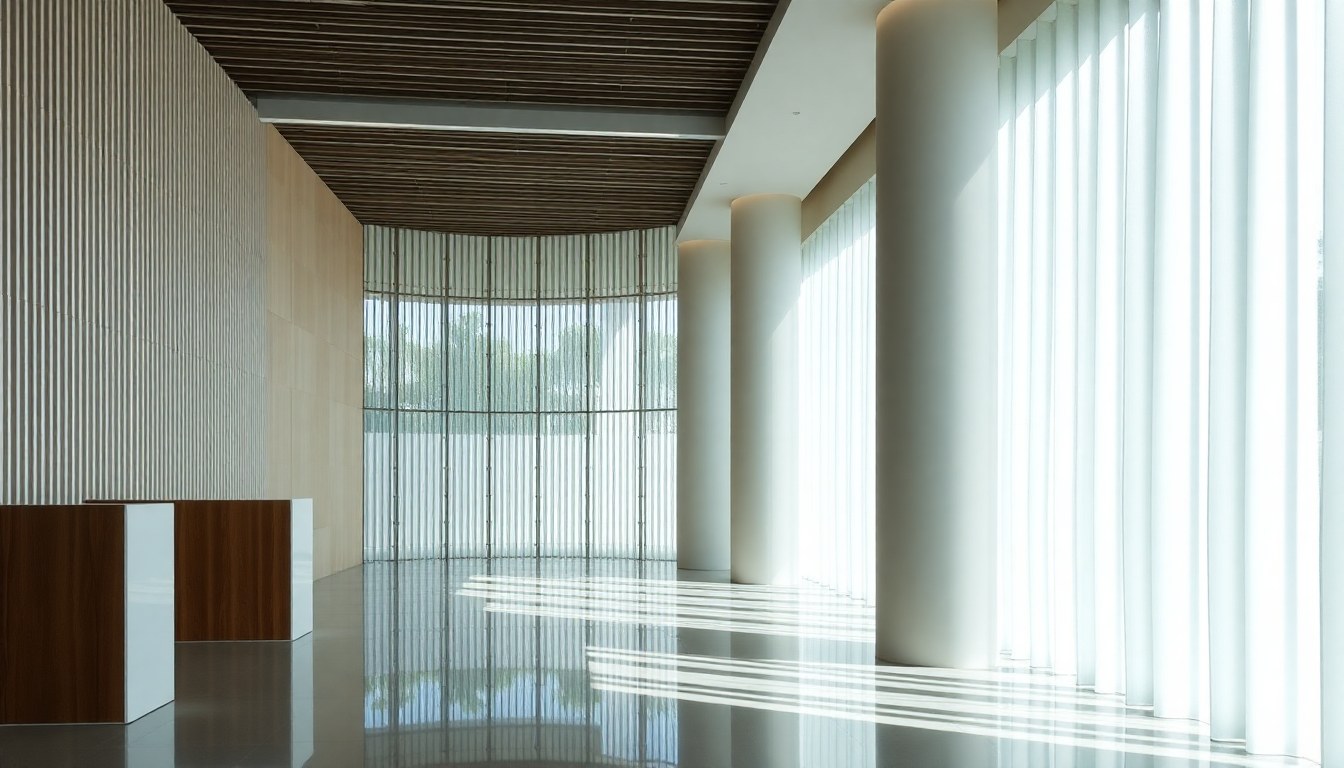
Textured glass is revolutionizing modern interior design by adding dimension, privacy, and sophisticated visual interest to spaces without sacrificing natural light. Fluted and reeded glass patterns—characterized by parallel grooves or ridges—are particularly effective for creating dynamic light play and architectural drama in residential and commercial interiors. Whether you're designing a contemporary office partition, a sleek bathroom enclosure, or a statement room divider, understanding how these finishes work can elevate your project from ordinary to exceptional.
What Are Fluted and Reeded Glass Finishes?
Fluted glass features vertical or horizontal grooves that run parallel across its surface, creating a ribbed texture that catches and refracts light in distinctive ways. Reeded glass is similar but typically features finer, more closely spaced ridges that produce a subtler, more refined appearance. Both finishes are created during the manufacturing process by pressing molten glass against textured rollers or molds, embedding the pattern permanently into the material.
The key difference lies in the scale and spacing of the pattern. Fluted designs tend to have deeper, more pronounced grooves—sometimes 2-3mm in depth—making them ideal for spaces where you want bold visual impact. Reeded patterns are more delicate, with narrower ridges that create a softer, more understated texture. Both options are available in various glass thicknesses (typically 5mm to 12mm) and can be combined with tinted or clear glass bases for added customization.
Manufacturing and Durability
Modern fluted and reeded glass is created using industrial pressing techniques that ensure consistency and strength. The textured pattern is integral to the glass itself—not a surface coating—meaning it won't wear off or require special maintenance. These finishes are available in tempered and laminated variants, making them suitable for safety-critical applications like bathroom enclosures and partition walls that may experience impact.
Design Benefits: Light Diffusion and Privacy
One of the primary advantages of fluted and reeded glass is its ability to diffuse light while maintaining transparency. The grooves scatter light rays in multiple directions, softening harsh sunlight and creating an even, diffused glow throughout a space. This is particularly valuable in open-plan offices, studios, and modern homes where you need to balance natural light with visual privacy.
Unlike frosted or obscured glass, which can feel heavy or industrial, textured finishes like fluted and reeded glass maintain a sense of openness and connection between spaces. They obscure detailed views—preventing people from seeing directly through to the other side—while still allowing ambient light to pass through. This makes them ideal for:
- Bathroom and toilet partitions where privacy is essential
- Office partition walls that separate teams without creating visual barriers
- Kitchen glass doors that hide clutter while maintaining a modern aesthetic
- Bedroom glass walls that provide separation without isolation
- Shower enclosures that add visual interest while protecting privacy
Light Play and Visual Dynamics
The grooved surface of fluted and reeded glass creates movement and depth as light angles change throughout the day. Morning sunlight may create sharp, defined shadows along the ridges, while afternoon light produces softer, more diffused effects. This dynamic quality means the glass never looks static or monotonous—it's constantly responding to natural light conditions, adding an element of visual sophistication to any interior.
Fluted and Reeded Glass in Modern Interior Applications
These textured finishes work beautifully across a range of contemporary design styles, from minimalist Scandinavian interiors to bold industrial spaces. The versatility of fluted and reeded glass lies in its ability to complement rather than dominate a design scheme.
Partition Walls and Room Dividers
Fluted glass partitions are increasingly popular in open-plan homes and offices. They create defined zones without the visual heaviness of solid walls, maintaining the sense of spaciousness while providing acoustic privacy and visual separation. In residential settings, a fluted glass partition can separate a home office from a living area, or divide a master bedroom from an ensuite, creating distinct spaces within an open floor plan. The textured pattern adds architectural interest that plain glass simply cannot achieve.
Doors and Cabinetry
Glass doors with fluted or reeded finishes have become a hallmark of contemporary kitchen and wardrobe design. They allow you to display beautiful items while maintaining a clean, uncluttered visual appearance. A fluted glass cabinet door in a modern kitchen creates a sophisticated display for glassware or dishware while the texture prevents fingerprints from being obvious. Similarly, bedroom wardrobes with reeded glass fronts feel lighter and more integrated into the overall interior than solid timber doors.
Bathroom and Wet Areas
Bathrooms are where textured glass truly shines. Fluted and reeded glass shower screens provide complete privacy while maintaining the visual openness of the space. The texture also serves a practical purpose—it's less likely to show water spots and soap residue compared to clear glass, reducing maintenance requirements. Bathroom partitions with these finishes create a spa-like aesthetic while being entirely functional.
Design Considerations and Best Practices
When specifying fluted or reeded glass for your interior project, several factors will influence the final result and success of the installation.
Pattern Direction and Scale
The orientation of the grooves—whether vertical, horizontal, or diagonal—significantly impacts the visual effect. Vertical fluting creates a sense of height and elongation, making it ideal for ceilings or tall partition walls. Horizontal reeding can make a space feel wider and is often preferred in bathrooms and kitchens. The scale of the pattern should relate to the size of the space; larger grooves work better in spacious, open areas, while finer reeding suits smaller, more intimate rooms.
Glass Thickness and Structural Considerations
Fluted and reeded glass is available in various thicknesses. For partition walls and large installations, 10mm or 12mm tempered glass is recommended to ensure structural integrity and safety. Bathroom applications often use 8mm tempered glass, while smaller applications like cabinet doors may use 5mm or 6mm glass. Always consult with your glass supplier or architect to determine the appropriate thickness for your specific application.
Framing and Installation
The frame system used to support fluted and reeded glass influences the overall aesthetic. Minimalist frameless systems showcase the glass texture beautifully, while aluminum or timber frames can add warmth and definition. For professional results, work with experienced glass installers who understand how to handle textured glass and ensure proper sealing and weatherproofing.
Cost and Sourcing in India
Fluted and reeded glass is widely available across India, with costs varying based on thickness, glass type (clear, tinted, or tempered), and pattern complexity. As of 2024, expect to pay approximately ₹800 to ₹1,500 per square meter for standard fluted or reeded glass, with tempered variants costing 20-30% more. Bulk orders and custom patterns may attract different pricing.
Leading interior designers and glass specialists across India, such as TATTVA, The House Of Designs in Thousand Lights, Chennai, work regularly with textured glass finishes and can provide expert guidance on selection, design integration, and installation. Many glass manufacturers and suppliers listed on glassy.in offer consultation services to help you choose the right finish for your specific project requirements.
Maintenance and Longevity
Fluted and reeded glass requires minimal maintenance compared to some other interior finishes. The grooved texture actually helps conceal dust and water spots, reducing the frequency of cleaning needed. Regular cleaning with a soft cloth and mild glass cleaner is sufficient for most applications. The textured pattern is permanent and integral to the glass, so it won't fade, wear away, or require refinishing.
Tempered fluted and reeded glass is highly durable and resistant to thermal stress, making it suitable for bathrooms and kitchens where temperature fluctuations occur. Properly installed and maintained, these glass finishes can last the lifetime of a building without degradation or loss of optical properties.
Frequently Asked Questions
Can fluted glass be used in wet areas like bathrooms and showers?
Yes, absolutely. Fluted and reeded glass is excellent for bathrooms and shower enclosures, especially when tempered. The texture helps hide water spots and soap residue, reducing maintenance. Ensure the glass is properly sealed at joints and that the installation includes appropriate drainage and ventilation considerations.
Does fluted glass provide complete privacy?
Fluted and reeded glass provides visual privacy by obscuring detailed views and preventing people from seeing through clearly, but it is not completely opaque. Light and silhouettes can still pass through. If you require complete privacy with no light transmission, you may need frosted glass or an alternative material combined with the textured finish.
Is fluted glass more expensive than clear glass?
Fluted and reeded glass typically costs 15-40% more than standard clear glass due to the specialized manufacturing process. However, the cost difference is often justified by the design benefits, reduced maintenance, and the premium aesthetic value it adds to a space. Prices vary based on thickness, glass type, and supplier.
Can fluted glass be cut or customized after manufacturing?
While fluted glass can be cut to size, it's best done before tempering. Cutting textured glass after tempering can compromise the structural integrity. Always specify final dimensions with your supplier before manufacturing. Custom pattern variations are possible but require special tooling and typically involve minimum order quantities.
What's the difference between fluted and reeded glass in terms of light diffusion?
Both fluted and reeded glass diffuse light, but fluted glass (with deeper grooves) produces more dramatic light scattering and shadow effects, while reeded glass (with finer ridges) creates subtler, more refined diffusion. Choose based on the visual impact you want—bold and dramatic or understated and sophisticated.
Transform Your Space with Textured Glass
Fluted and reeded glass offers a sophisticated, practical solution for modern interiors seeking texture, light control, and visual interest. Whether you're designing a residential partition, commercial office space, or luxury bathroom, these finishes deliver both aesthetic appeal and functional benefits. Explore the extensive directory of glass suppliers, manufacturers, and interior design specialists on glassy.in to find the perfect partner for your next project and discover how textured glass can elevate your interior design vision.