
Interior Design
Reeded Glass vs Fluted Glass: Texture Trends for Modern Interior Partitions
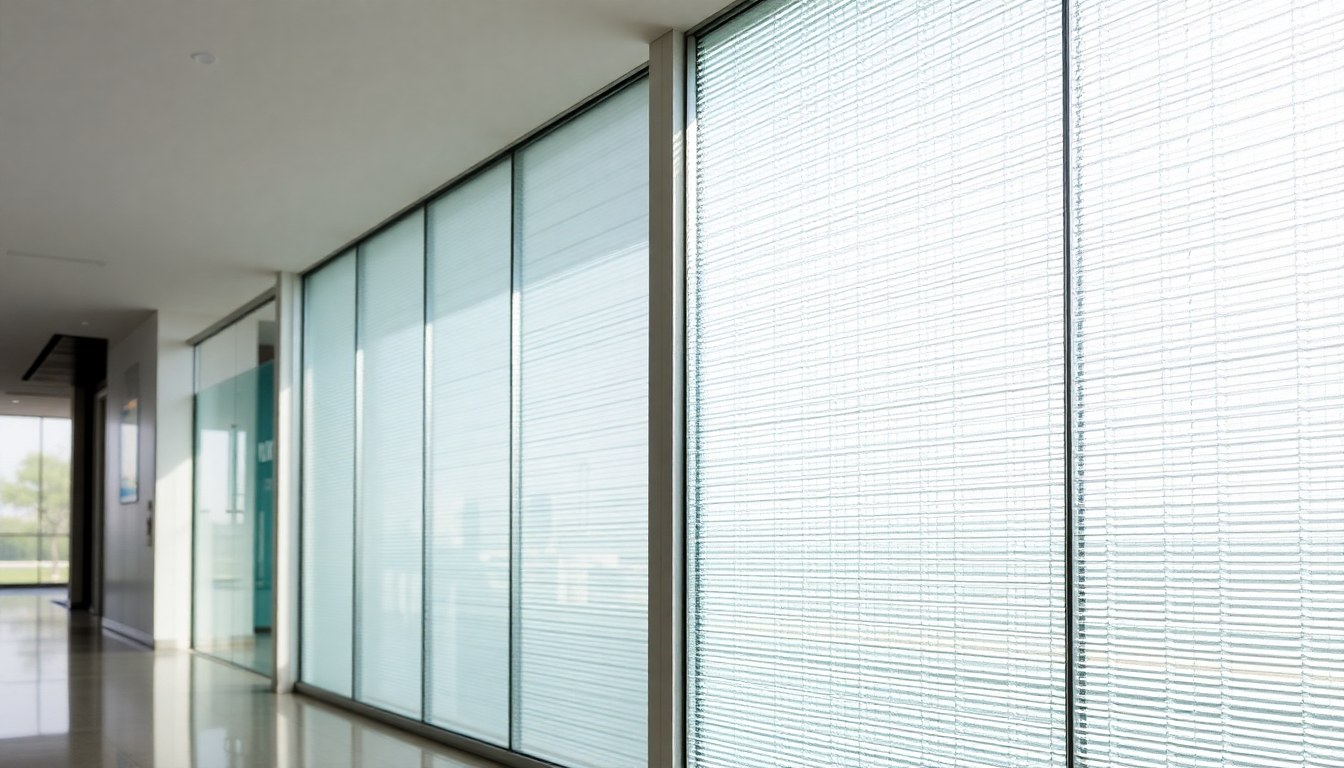
Textured glass has become a cornerstone of contemporary interior design, offering the perfect balance between privacy and aesthetic appeal. Whether you're designing office cabins, wardrobe doors, or bathroom partitions, choosing between reeded and fluted glass can dramatically shape your space's visual character. Both textures obscure vision while allowing light to pass through, but their directional grooves create distinctly different design impacts—and understanding these differences helps you make an informed choice that aligns with your interior goals.
What Is Reeded Glass?
Reeded glass features vertical grooves that run from top to bottom across the glass surface. These parallel ridges and valleys create a linear, streamlined aesthetic that draws the eye vertically. The grooves are typically uniform in width and depth, creating a consistent pattern that feels orderly and refined.
The manufacturing process involves pressing or rolling the molten glass against a patterned mold, which imprints the vertical channels into the surface. Reeded glass is available in various groove widths—from subtle, closely-spaced lines to bolder, more pronounced ridges—allowing designers to control the level of visual distortion and privacy.
Visual and Functional Characteristics
- Creates a sense of height and verticality in spaces
- Provides moderate to high privacy depending on groove depth
- Allows diffused light to filter through while obscuring detail
- Pairs well with minimalist and contemporary design schemes
- Easier to clean than heavily textured alternatives
What Is Fluted Glass?
Fluted glass features horizontal grooves that run side-to-side across the surface. Like reeded glass, fluted glass uses a mold-pressing technique to create uniform parallel channels, but the horizontal orientation creates a completely different visual and spatial effect.
The horizontal groove pattern tends to make spaces feel wider and more expansive. Fluted glass is equally effective at providing privacy while maintaining light transmission, though the horizontal lines create a softer, less rigid visual impression compared to the vertical emphasis of reeded glass.
Visual and Functional Characteristics
- Creates a sense of width and horizontal flow
- Offers similar privacy levels to reeded glass
- Produces a more relaxed, organic visual feel
- Works well in transitional and contemporary interiors
- Complements curved furniture and rounded design elements
Reeded vs Fluted Glass: Side-by-Side Comparison
The primary distinction between these two textures lies in groove direction and the psychological effects they create. Reeded glass's vertical lines emphasize height, making it ideal for tall partitions, ceiling-height cabins, and spaces where you want to draw attention upward. Fluted glass's horizontal lines encourage the eye to move laterally, making rooms feel wider and more open.
From a privacy standpoint, both perform similarly. The depth and spacing of grooves matter more than direction when determining how much light distortion occurs. A deeply-grooved reeded glass and a deeply-grooved fluted glass will provide comparable visual obstruction. However, the directional impact on space perception differs significantly.
| Feature | Reeded Glass | Fluted Glass |
|---|---|---|
| Groove Direction | Vertical | Horizontal |
| Spatial Effect | Emphasizes height | Emphasizes width |
| Visual Style | Formal, structured | Relaxed, organic |
| Best For | Office cabins, tall spaces | Open-plan areas, wardrobe doors |
| Privacy Level | Moderate to high | Moderate to high |
Design Applications for Modern Interiors
Office Partitions and Cabin Doors
In corporate environments, reeded glass is frequently chosen for cabin partitions and office doors. The vertical lines reinforce a sense of professionalism and structure, while the privacy it provides keeps distractions at bay. Reeded glass works particularly well in high-rise office buildings in cities like Bangalore, Mumbai, and Delhi, where floor-to-ceiling partitions are common.
Fluted glass, however, suits open-plan office spaces better. When used as a partial partition or screen, the horizontal grooves create visual separation without the rigid, enclosed feeling that full-height reeded partitions might impart. This makes fluted glass ideal for collaborative work environments where you want to maintain a sense of openness.
Wardrobe Doors and Built-in Cabinetry
Wardrobe doors benefit from both textures, but the choice depends on your bedroom or dressing room's proportions. In narrow, vertically-oriented spaces, reeded glass wardrobe doors enhance the sense of height. In wider rooms or where you want a softer aesthetic, fluted glass creates visual harmony with horizontal sight lines.
Many designers in Indian homes opt for fluted glass wardrobe doors because they complement traditional wooden frames and create a balanced, less industrial appearance. Reeded glass, by contrast, pairs beautifully with steel frames and minimalist design schemes.
Bathroom and Shower Enclosures
Both reeded and fluted glass excel in bathroom applications. Reeded glass in shower enclosures creates a clean, vertical emphasis that feels spa-like and contemporary. Fluted glass, meanwhile, produces a more diffused light effect and can make smaller bathrooms feel less cramped due to its horizontal visual flow.
Kitchen Glass Doors and Partitions
For kitchen cabinetry and glass partitions separating the kitchen from dining or living areas, fluted glass is often preferred. The horizontal grooves feel less formal and integrate more naturally with the social nature of kitchen spaces. Reeded glass works too, but it can feel overly structured in culinary contexts.
Practical Considerations: Maintenance, Cost, and Durability
Both reeded and fluted glass require similar maintenance routines. The grooved surfaces can trap dust and water droplets, so regular cleaning with a soft cloth and mild glass cleaner is essential. Reeded glass with tightly-spaced grooves may require slightly more effort to clean thoroughly, while fluted glass's horizontal orientation sometimes allows water to pool less noticeably.
In terms of cost, reeded and fluted glass are typically priced similarly in the Indian market, ranging from ₹800 to ₹2,500 per square foot depending on thickness, quality, and finish. Thicker glass (10mm or 12mm) commands a premium, as does tempered or laminated variants for safety-critical applications.
Durability is comparable across both textures. Tempered reeded and fluted glass are equally impact-resistant and suitable for high-traffic areas. If you're installing these in a home with children or pets, tempered variants are strongly recommended for both textures, as they shatter into small, harmless granules rather than sharp shards.
Choosing Between Reeded and Fluted Glass for Your Space
The decision ultimately hinges on three factors: spatial dimensions, design aesthetic, and functional requirements.
Choose reeded glass if your space is:
- Tall and narrow, where vertical emphasis is desired
- Designed in a minimalist or industrial style
- An office or professional environment requiring formal aesthetics
- Paired with steel or metal framing systems
Choose fluted glass if your space is:
- Wide and open, where horizontal flow complements the layout
- Designed in a transitional or contemporary style
- A residential setting prioritizing warmth and approachability
- Paired with wooden frames or traditional design elements
Many designers recommend visiting showrooms in your city to see both textures in person. The way light interacts with each surface varies depending on your room's natural light, artificial lighting, and surrounding materials. In Pune, Hyderabad, and Chennai, several glass suppliers maintain extensive sample displays where you can evaluate both options side-by-side.
Frequently Asked Questions
Is reeded glass more private than fluted glass?
No, both offer similar privacy levels. Privacy depends on groove depth and spacing rather than direction. A deeply-grooved reeded glass and a deeply-grooved fluted glass obscure vision equally well. Light diffusion and distortion are comparable between the two textures.
Can I use reeded and fluted glass together in the same space?
Yes, many contemporary designs combine both textures. For example, you might use reeded glass for a tall office partition wall and fluted glass for wardrobe doors, creating visual interest and breaking monotony. However, ensure the groove depths are similar to maintain design coherence.
Which textured glass is easier to clean?
Both require regular maintenance. Fluted glass with wider, more spaced grooves may be slightly easier to clean than tightly-spaced reeded patterns. Using a soft-bristle brush with glass cleaner and a microfiber cloth works well for either texture. Avoid abrasive scrubbers that can scratch the surface.
How much does reeded or fluted glass cost in India?
Prices typically range from ₹800 to ₹2,500 per square foot, depending on glass thickness (6mm, 8mm, 10mm, or 12mm), tempering, and supplier. Tempered variants cost 20-30% more than annealed glass. Installation and framing costs are additional and vary by region and complexity.
Is tempered reeded or fluted glass safer for homes with children?
Yes, tempered versions of both textures are highly recommended for homes with children. Tempered glass is heat-treated to be 4-5 times stronger than standard glass and shatters into small, harmless granules rather than sharp shards. Laminated glass (with an interlayer) is another safe option that holds together even when broken.
Find Quality Reeded and Fluted Glass Suppliers on Glassy.in
Whether you're designing a modern office cabin in Bangalore, a contemporary home in Mumbai, or a boutique retail space in Delhi, finding the right textured glass supplier is crucial. Glassy.in connects you with verified glass manufacturers, suppliers, and installers across India who specialize in reeded, fluted, and other decorative glass solutions. Browse our directory to compare products, request quotes, and partner with professionals who understand your design vision.