
Interior Design
Reeded & Fluted Glass: Aesthetic Privacy for Modern Kitchens
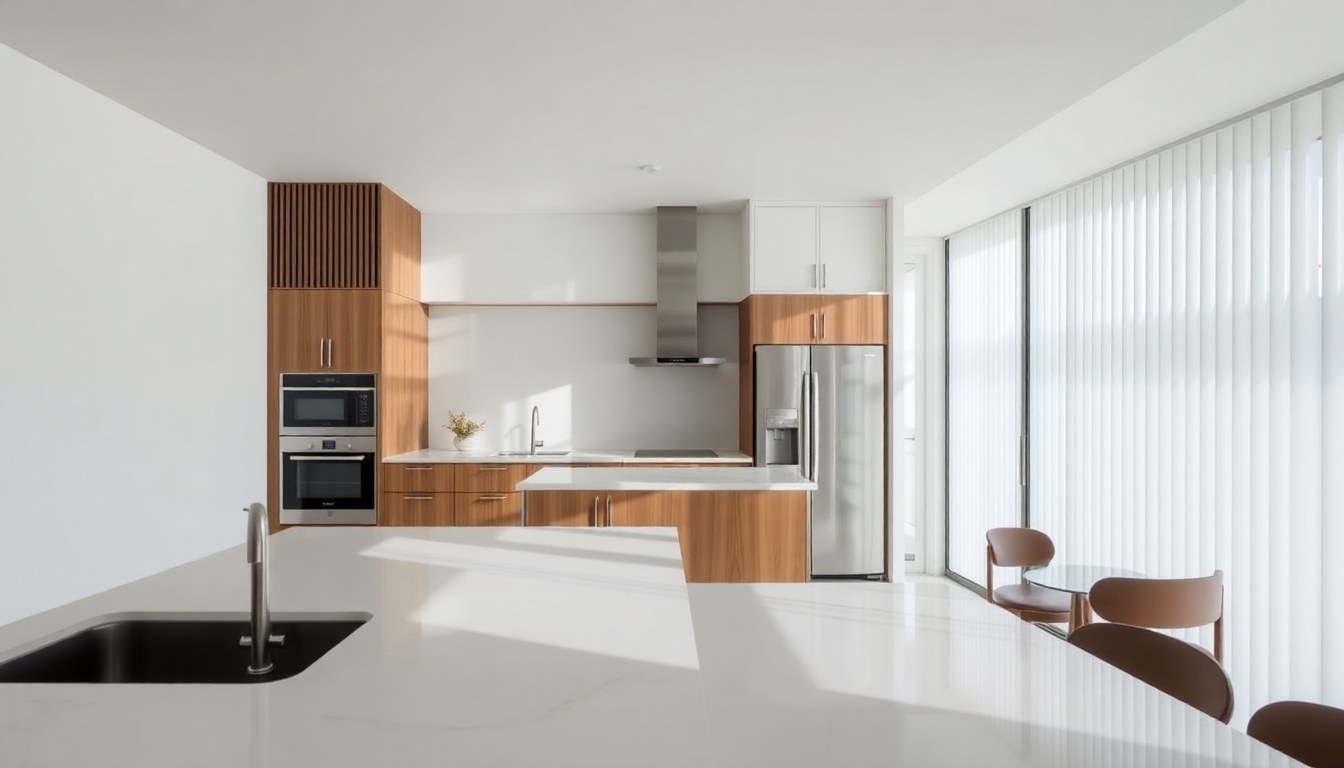
Reeded and fluted glass has become a go-to choice for homeowners and interior designers seeking to balance openness with privacy in modern kitchens. These textured glass finishes obscure direct sightlines while allowing light to flow through, making them ideal for kitchen partitions, cabinet doors, and sliding panels. Whether you're renovating a compact Mumbai apartment or designing a sprawling villa in Bangalore, understanding how to incorporate these elegant finishes can elevate your kitchen's visual appeal while solving practical design challenges.
What Are Reeded and Fluted Glass Finishes?
Reeded and fluted glass refers to textured glass surfaces created with parallel ridges or grooves running across the pane. The terms are often used interchangeably, though they describe slightly different patterns. Reeded glass typically features closer, more uniform ridges, while fluted glass has deeper, more pronounced grooves. Both finishes are created during the manufacturing process by passing molten glass through textured rollers or by applying the pattern to pre-formed glass sheets.
These finishes are available in various configurations: vertical fluting for a sleek, elongating effect; horizontal reeding for a more contemporary look; and diagonal patterns for added visual interest. The depth and spacing of the ridges affect how much light diffusion occurs and how much privacy the glass provides. Deeper grooves offer greater privacy but may reduce light transmission slightly, while subtle reeding maintains excellent transparency while still obscuring detailed views.
How Light Behaves Through Textured Glass
One of the primary advantages of reeded and fluted glass is its ability to refract light beautifully. Instead of creating harsh shadows or complete opacity like frosted glass, textured finishes scatter light softly throughout the kitchen. This creates a warm, diffused illumination that enhances the space without creating stark visual barriers. The pattern also adds visual depth, making glass partitions appear less institutional and more intentionally designed.
Design Applications for Kitchen Partitions
Kitchen partitions serve multiple purposes: they define the cooking zone, reduce cooking odors in open-plan homes, and create visual separation without complete enclosure. Reeded and fluted glass excels in these applications because it maintains the sense of spaciousness while establishing clear boundaries.
Sliding Glass Partition Doors
Sliding partitions with reeded glass are increasingly popular in Indian homes where open-plan living is desired but kitchen odors and heat need containment. These panels glide smoothly along ceiling-mounted or floor-mounted tracks and can be opened fully when entertaining or closed during meal preparation. The textured surface adds architectural interest while the transparency ensures the kitchen doesn't feel cut off from the rest of the home.
Fixed Glass Dividers
Fixed reeded glass dividers are permanent installations that create visual separation without the moving parts of sliding doors. These work particularly well in L-shaped or U-shaped kitchens where a subtle boundary between the kitchen and dining area is desired. The fixed installation also allows for more robust framing options and easier integration with existing cabinetry.
Partial-Height Partitions
Not all kitchen partitions need to extend floor-to-ceiling. Partial-height reeded glass panels installed at counter level or slightly above create visual interest while maintaining sightlines across the kitchen. These are excellent for kitchens with high ceilings where a full-height partition might feel oppressive.
Cabinet Doors and Glass Fronts
Reeded and fluted glass transforms ordinary cabinet doors into design statements. Rather than solid wood or clear glass that exposes every dish and container, textured glass provides a curated, intentional appearance while still allowing you to display your best dishware and glassware.
Kitchen cabinet doors in reeded glass work beautifully in both traditional and contemporary settings. In modern kitchens, pair them with matte black or stainless steel frames for a sophisticated, minimalist aesthetic. In transitional designs, combine reeded glass with warm wood tones and brass hardware for a timeless look. The textured finish ensures that even if your cabinet contents aren't perfectly organized, the glass maintains an elegant appearance.
Upper Cabinets vs. Lower Cabinets
Reeded glass is most commonly used for upper kitchen cabinets where you want to display items while maintaining privacy. Lower cabinets with reeded glass are less common but can work beautifully in kitchens with adequate counter space and organized storage. Consider your lifestyle and organization habits before committing to glass lower cabinets.
Style and Design Considerations
Incorporating reeded and fluted glass requires thoughtful consideration of your overall kitchen aesthetic. The texture adds visual weight and interest, so balance it with clean lines and uncluttered surfaces elsewhere in the space.
- Minimalist Modern: Pair reeded glass with handleless cabinetry, integrated appliances, and a neutral color palette. The textured glass becomes the primary visual element.
- Industrial Chic: Combine reeded glass with exposed brick, metal shelving, and concrete countertops. The texture adds softness to harder materials.
- Transitional Design: Mix reeded glass cabinet doors with solid wood panels and traditional hardware for a balanced, timeless approach.
- Scandinavian Style: Use reeded glass with light wood frames, white cabinetry, and natural materials for a bright, airy feel.
- Contemporary Luxury: Pair textured glass with marble countertops, brass accents, and statement lighting for an upscale appearance.
Color and Finish Coordination
Reeded glass comes in clear, tinted, and colored options. Clear reeded glass is the most versatile and works with any kitchen color scheme. Tinted options like smoke gray or bronze add subtle color while maintaining the textured aesthetic. Consider your cabinet frame color, countertop materials, and overall kitchen palette when selecting glass tint. In smaller kitchens, clear reeded glass maximizes the sense of space, while tinted options can add coziness to larger kitchens.
Practical Benefits Beyond Aesthetics
While reeded and fluted glass is undeniably beautiful, it also offers genuine functional advantages for kitchen spaces. The textured surface is more forgiving than clear glass—fingerprints and dust are less visible, reducing the frequency of cleaning required. This makes reeded glass particularly practical for busy Indian households where kitchen use is frequent and intensive.
The privacy provided by textured glass also means you can use open shelving or glass cabinets without worrying about displaying every item. This psychological benefit encourages better kitchen organization and can make the space feel more intentional and designed. Additionally, the light diffusion properties reduce glare, which is particularly valuable in kitchens with south-facing windows that receive intense afternoon sun.
Sourcing Reeded and Fluted Glass in India
India's glass manufacturing industry produces high-quality reeded and fluted glass suitable for residential and commercial applications. Major glass suppliers across metropolitan areas including Delhi, Mumbai, Bangalore, Hyderabad, and Chennai offer these finishes in various thicknesses and configurations.
When sourcing reeded glass for your kitchen project, work with suppliers who can provide:
- Samples of different flute depths and spacings so you can assess privacy and light transmission in your specific kitchen
- Tempered glass options for safety, particularly important for partition doors and lower cabinets
- Custom sizing and edge finishing to match your cabinet or partition specifications
- Installation support and guidance on proper framing and mounting
- Warranty information and after-sales service
Pricing for reeded and fluted glass varies based on thickness (typically 4-10mm for kitchen applications), glass quality, and customization requirements. Budget approximately ₹800–₹1,500 per square foot for standard reeded glass, with premium or custom options running higher. Tempered reeded glass costs 20-30% more than annealed options but is worth the investment for safety and durability.
Installation and Maintenance
Proper installation ensures your reeded glass performs beautifully for years. Glass partitions should be mounted by experienced professionals who understand weight distribution, frame alignment, and safety requirements. Cabinet doors require precise hinge installation and regular adjustment to ensure smooth operation.
Maintenance is straightforward: clean reeded glass with a soft cloth and mild glass cleaner. The textured surface actually hides water spots and dust better than clear glass, reducing the appearance of cleaning frequency. Avoid abrasive scrubbing or harsh chemicals that could damage the glass surface or frame finishes.
Frequently Asked Questions
How much privacy does reeded glass actually provide?
Reeded glass obscures detailed views and prevents people from seeing specific items or activities clearly, but it doesn't provide complete opacity. If privacy is your primary concern, consider pairing reeded glass with roller shades or curtains, or opt for deeper fluting patterns. For most kitchen applications, reeded glass provides adequate privacy while maintaining the desired openness and light flow.
Can reeded glass be used in humid kitchen environments?
Yes, reeded glass is excellent for humid kitchens. Unlike wood, it won't warp or absorb moisture. Ensure proper ventilation in your kitchen to prevent condensation buildup on glass surfaces, and use tempered glass for cabinet doors to ensure safety. The texture of reeded glass actually helps hide water spots and condensation marks better than clear glass.
Is reeded glass more expensive than clear glass?
Reeded glass typically costs 15-25% more than standard clear glass due to the manufacturing process and pattern creation. However, when compared to the cost of other design elements like custom cabinetry or decorative finishes, the premium is modest. The aesthetic and functional benefits often justify the additional investment.
What's the difference between reeded and fluted glass?
The terms are often used interchangeably, but technically reeded glass has closer, finer ridges while fluted glass features deeper, more pronounced grooves. Fluted patterns provide greater privacy and light diffusion, while reeded patterns maintain more transparency. Both styles are suitable for kitchen applications; your choice depends on your privacy needs and aesthetic preferences.
Can I retrofit existing kitchen cabinets with reeded glass doors?
Yes, you can replace existing cabinet doors with reeded glass options if your cabinet frames are in good condition. Work with a glass supplier or cabinet maker who can match your existing frame dimensions and hardware. This is a cost-effective way to update your kitchen's appearance without a complete renovation.
Ready to transform your kitchen with reeded and fluted glass? Explore India's largest glass-business directory on glassy.in to connect with verified suppliers, manufacturers, and installation professionals near you. Browse portfolios, compare pricing, and find the perfect glass solution for your kitchen design.