
Glass Partitions
Office Cabin Glass Partition vs Gypsum Wall: Cost and Flexibility Comparison
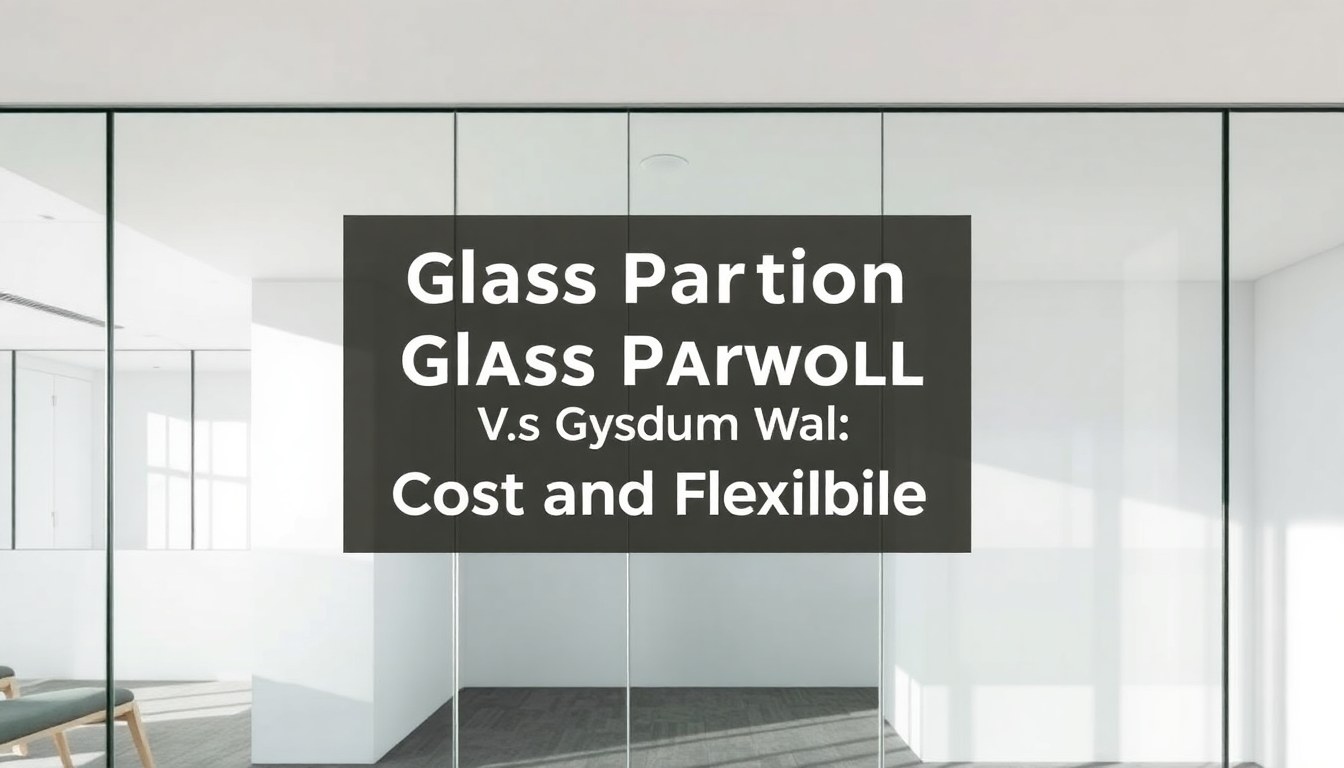
When designing or renovating office spaces in India, one of the most critical decisions involves choosing between glass partitions and traditional gypsum walls for cabin construction. While gypsum walls have been the conventional choice for decades, glass partitions are rapidly gaining popularity in modern workspaces due to their sleek appearance and flexibility. This comprehensive comparison will help you understand the cost implications, structural flexibility, acoustic performance, and aesthetic advantages of both solutions to make an informed decision for your office project.
Initial Installation Costs: Breaking Down the Numbers
The upfront investment is often the first consideration for any office fit-out project. Glass partitions typically range from ₹450 to ₹1,200 per square foot in India, depending on the glass type, thickness, and hardware quality. Standard 10mm toughened glass with aluminum framing falls on the lower end, while frameless systems with 12mm glass and premium fittings command higher prices. Acoustic glass partitions with double glazing can cost upwards of ₹1,500 per square foot.
Gypsum wall construction, on the other hand, generally costs between ₹180 and ₹350 per square foot for standard metal stud framing with double-sided 12.5mm gypsum board. This includes basic finishing but excludes painting, electrical work, or decorative elements. When you factor in primer, paint, and finishing touches, the total cost typically reaches ₹280 to ₹450 per square foot. For premium finishes like wallpaper, textured paint, or wood paneling, costs can escalate to ₹600-800 per square foot.
While glass partitions appear more expensive initially, the cost comparison becomes more nuanced when you consider long-term factors. Glass partitions require minimal finishing work beyond installation, whereas gypsum walls need plastering, priming, painting, and periodic repainting. Additionally, if you source quality materials from established suppliers like Adithya Glass or ARMAN GLASS EMPORIUM, you often receive better warranties and after-sales support that protect your investment.
Flexibility and Reconfiguration: Adapting to Business Needs
Modern businesses evolve rapidly, and office layouts must adapt accordingly. Glass partition systems excel in flexibility, particularly demountable or relocatable systems designed for easy reconfiguration. These partitions can be dismantled and reinstalled in new configurations with minimal waste, making them ideal for growing companies or businesses that frequently reorganize their workspace. The modular nature means you can expand, contract, or completely redesign your office layout without significant demolition or construction waste.
Gypsum walls, by contrast, are essentially permanent structures. Any modification requires breaking down the existing wall, disposing of the debris, and constructing a new wall from scratch. This process generates substantial waste, creates dust and noise disruption, and incurs both demolition and reconstruction costs. For businesses in co-working spaces or rented premises where layout changes are common, this inflexibility represents a significant disadvantage.
Relocation and Reusability
When relocating offices, glass partition systems can often be dismantled and reinstalled at the new location, preserving 70-85% of your initial investment. Quality systems from manufacturers maintain their structural integrity through multiple installations. Gypsum walls, however, cannot be relocated—they must be demolished and rebuilt entirely, representing a complete loss of your initial investment. This reusability factor makes glass partitions particularly attractive for businesses with medium-term lease agreements or expansion plans.
Acoustic Performance: Managing Sound in Open Offices
Sound insulation is crucial for maintaining productivity and privacy in office environments. Standard single-glazed glass partitions (10-12mm) provide a Sound Transmission Class (STC) rating of approximately 30-34, which adequately reduces general office noise but may not completely block loud conversations or phone calls. For better acoustic performance, double-glazed glass partitions with an air gap can achieve STC ratings of 40-45, offering privacy comparable to traditional walls.
Gypsum walls with metal stud framing and insulation typically achieve STC ratings between 35 and 50, depending on the construction method. A standard wall with single-layer gypsum board on each side rates around STC 35-38, while double-layer construction with acoustic insulation can reach STC 50-55. For executive cabins, conference rooms, or spaces requiring confidential discussions, gypsum walls with proper acoustic treatment provide superior sound blocking.
However, the acoustic gap is narrowing. Modern acoustic glass partitions incorporating laminated glass, double glazing, or specialized acoustic interlayers now rival gypsum wall performance. These solutions combine the transparency and aesthetic appeal of glass with sound insulation suitable for private offices and meeting rooms, though at a premium price point of ₹1,200-2,000 per square foot.
Aesthetics and Natural Light: Creating Modern Workspaces
Glass partitions fundamentally transform office aesthetics by maximizing natural light penetration throughout the workspace. This transparency creates an open, collaborative atmosphere while maintaining defined spaces. Natural light distribution reduces dependence on artificial lighting, potentially lowering electricity costs by 15-30% and improving employee well-being and productivity. The visual connectivity glass provides helps smaller offices feel more spacious and less claustrophobic.
From a design perspective, glass partitions align perfectly with contemporary office aesthetics favored by tech companies, creative agencies, and modern enterprises. They project an image of transparency, innovation, and openness—values increasingly important to both clients and employees. Architects and designers, such as those at LINEAR ARCHITECTS, frequently specify glass partitions to create sophisticated, premium-looking workspaces that enhance brand image.
Gypsum walls offer different aesthetic advantages, particularly for traditional corporate environments or spaces requiring focused work without visual distractions. They provide surfaces for branding elements, artwork, whiteboards, and shelving systems. The solid, enclosed feeling can be preferable for concentration-intensive work or roles requiring absolute privacy. Additionally, gypsum walls can incorporate diverse finishes—paint colors, wallpapers, wood veneers, or textured treatments—offering greater customization for specific brand identities or design themes.
Maintenance and Durability: Long-Term Considerations
Glass partitions require minimal maintenance beyond regular cleaning with standard glass cleaners. Toughened glass is highly durable, resistant to scratches, and maintains its appearance for decades without fading, discoloration, or deterioration. The primary maintenance concern involves hardware components—hinges, handles, and locks—which may require occasional adjustment or replacement. Quality hardware typically lasts 10-15 years with normal use.
Gypsum walls demand more ongoing maintenance. They require repainting every 3-5 years to maintain appearance, particularly in high-traffic areas. The surface is vulnerable to impact damage, dents, and scuff marks from furniture, equipment, or daily use. Water damage from leaks or humidity can cause significant problems, including staining, bubbling paint, and structural deterioration requiring panel replacement. Repairs to damaged gypsum walls often leave visible patches that necessitate repainting entire sections.
Hygiene and Cleaning
In the post-pandemic workplace, hygiene has become paramount. Glass surfaces are non-porous, making them easier to sanitize and less likely to harbor bacteria or viruses compared to painted gypsum surfaces. Glass can be thoroughly disinfected without damaging the material, while harsh cleaning chemicals may damage paint finishes on gypsum walls. This hygienic advantage makes glass partitions particularly suitable for healthcare facilities, laboratories, or organizations prioritizing workplace health.
Installation Time and Workplace Disruption
Glass partition installation is relatively quick and clean. A typical cabin measuring 10x10 feet can be installed in 1-2 days with minimal dust, noise, or debris. The process involves measuring, cutting (usually done off-site), and assembling pre-fabricated components. Businesses can often continue operations in adjacent areas during installation, minimizing productivity loss.
Gypsum wall construction takes considerably longer—typically 5-7 days for the same-sized cabin when including framing, boarding, taping, mudding, drying time, priming, and painting. The process generates substantial dust and requires proper ventilation during drying phases. This extended timeline means greater workplace disruption and potentially longer periods of unusable space. For businesses operating from the premises during renovation, this difference can significantly impact operations and revenue.
Environmental Considerations and Sustainability
Sustainability increasingly influences corporate decision-making. Glass partitions score well on environmental metrics due to their reusability and longevity. Glass is infinitely recyclable without quality degradation, and demountable systems generate minimal waste during reconfiguration. The natural light transmission reduces energy consumption for artificial lighting, contributing to lower carbon footprints and potentially helping achieve green building certifications like LEED or GRIHA.
Gypsum board production and disposal present environmental challenges. Manufacturing gypsum board is energy-intensive, and demolition generates significant landfill waste. While gypsum can theoretically be recycled, the infrastructure for doing so remains limited in India, meaning most demolished gypsum walls end up in landfills. The need for periodic repainting also introduces volatile organic compounds (VOCs) into the workplace environment, though low-VOC paints are increasingly available.
Making the Right Choice for Your Office
The choice between glass partitions and gypsum walls depends on your specific priorities, budget, and workplace culture. Glass partitions represent the superior choice for businesses prioritizing flexibility, modern aesthetics, natural light, and long-term adaptability. They suit dynamic organizations expecting growth, layout changes, or potential relocation. Despite higher initial costs, the reusability, minimal maintenance, and energy savings often deliver better total cost of ownership over 7-10 years.
Gypsum walls remain appropriate for organizations requiring maximum acoustic privacy, traditional corporate aesthetics, or working within tight initial budgets. They're particularly suitable for permanent installations in owned properties where layout changes are unlikely. Conference rooms, server rooms, and executive cabins requiring absolute sound isolation benefit from gypsum construction with proper acoustic treatment.
Many modern offices adopt a hybrid approach, using glass partitions for general workspace and collaborative areas while reserving gypsum walls for specific high-privacy zones. This balanced strategy optimizes both cost and functionality. Consulting with experienced professionals from businesses like Real Glass work can help you design a solution tailored to your specific needs and budget constraints.
Frequently Asked Questions
Which is cheaper: glass partition or gypsum wall for office cabins?
Gypsum walls have lower initial installation costs, ranging from ₹280-450 per square foot compared to ₹450-1,200 per square foot for glass partitions. However, when considering long-term costs including maintenance, repainting, and potential reconfiguration expenses, glass partitions often prove more economical over a 7-10 year period due to their durability, reusability, and minimal maintenance requirements.
Can glass partitions provide adequate sound privacy for office cabins?
Standard single-glazed glass partitions provide moderate sound reduction (STC 30-34) suitable for general office use but may not block loud conversations completely. For better privacy, acoustic glass partitions with double glazing or laminated glass achieve STC ratings of 40-45, comparable to standard gypsum walls. For maximum sound isolation in executive cabins or confidential meeting rooms, gypsum walls with acoustic insulation (STC 50-55) remain superior.
How long does it take to install glass partitions compared to building gypsum walls?
Glass partition installation is significantly faster, typically taking 1-2 days for a standard office cabin with minimal disruption and dust. Gypsum wall construction requires 5-7 days including framing, boarding, finishing, drying, and painting. This time difference means less workplace disruption and faster project completion with glass partitions, allowing businesses to resume normal operations sooner.
Can glass partitions be relocated if we move offices?
Yes, demountable glass partition systems are specifically designed for relocation and reconfiguration. They can be dismantled and reinstalled at new locations, preserving 70-85% of your initial investment. Gypsum walls, by contrast, are permanent structures that must be demolished and completely rebuilt at any new location, representing a total loss of the original investment.
Which option is better for natural light in the office?
Glass partitions are vastly superior for natural light distribution, allowing daylight to penetrate throughout the workspace and reducing dependence on artificial lighting by 15-30%. This creates brighter, more pleasant work environments and can lower electricity costs. Gypsum walls block natural light completely, requiring artificial lighting in interior cabins and potentially creating darker, more enclosed spaces.
Ready to transform your office space with the right partition solution? Explore the extensive directory of glass suppliers, dealers, and interior design professionals at glassy.in to find trusted experts in your area who can help bring your vision to life with quality materials and professional installation.