
Glass Partitions
Glass Partition Cleaning and Maintenance Schedule for Corporate Offices in India
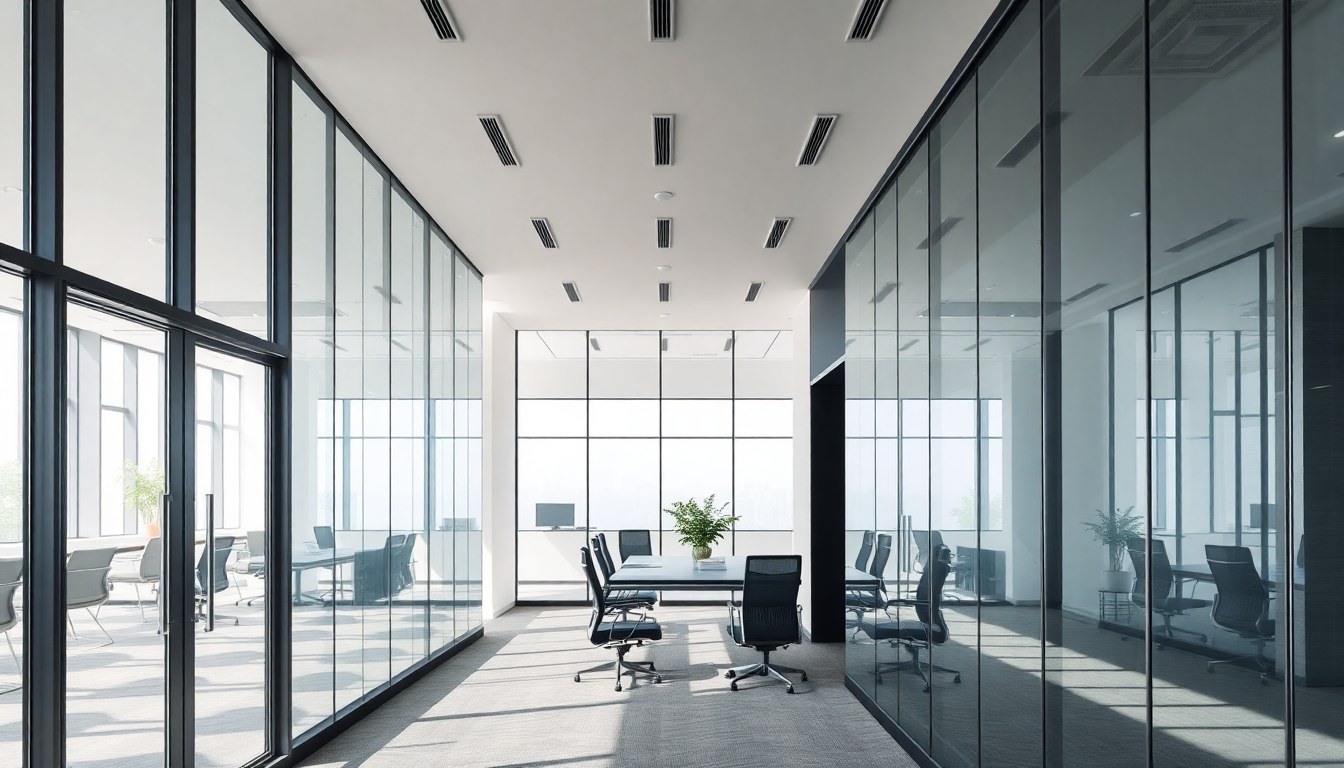
Glass partitions have become the cornerstone of modern corporate office design across Mumbai, Bangalore, Delhi-NCR, and other Indian metros, offering transparency, natural light, and aesthetic appeal. However, India's unique environmental challenges—from monsoon humidity to construction dust and urban pollution—demand a systematic maintenance approach to keep these installations looking professional. This comprehensive guide provides actionable cleaning protocols, inspection checklists, and cost-effective maintenance strategies tailored specifically for Indian office environments.
Understanding the Indian Office Environment Challenge
Indian corporate offices face distinctive maintenance challenges that differ significantly from Western counterparts. High dust levels, particularly during summer months and in cities undergoing rapid infrastructure development, create a persistent film on glass surfaces. The combination of humidity during monsoons and air conditioning creates condensation issues, while hard water in many Indian cities leaves stubborn mineral deposits on glass partitions.
These environmental factors mean that glass partitions in Indian offices require more frequent attention than international maintenance standards typically recommend. A partition that might need weekly cleaning in a European office may require daily attention in Delhi or Pune. Understanding this context is essential for developing realistic maintenance schedules that keep your office looking professional without overwhelming your facilities team.
Daily Cleaning Protocols for Office Glass Partitions
Daily maintenance prevents the accumulation of dust and fingerprints that can make glass partitions appear neglected. This routine should be quick, efficient, and integrated into your regular office cleaning schedule.
Morning Spot Cleaning Routine
Begin each workday with a quick inspection and spot-clean of high-traffic areas. Focus on door glass, partitions near workstations, and conference room glass where fingerprints and smudges accumulate overnight. Use a microfiber cloth slightly dampened with a water-vinegar solution (one part white vinegar to three parts water) for quick touch-ups. This natural solution works exceptionally well in Indian conditions and costs significantly less than commercial cleaners.
For offices in particularly dusty areas, a dry microfiber dusting should precede any wet cleaning. Attempting to clean dusty glass with a wet cloth simply creates muddy streaks that are harder to remove. Train your cleaning staff to always dust first, then clean with appropriate solutions.
End-of-Day Comprehensive Cleaning
Evening cleaning should be more thorough, addressing the full surface area of all glass partitions. This is when your cleaning team should tackle both sides of the glass, paying special attention to areas around door handles, push plates, and meeting room partitions that see heavy use throughout the day. A systematic approach—working from top to bottom, left to right—ensures no areas are missed.
Weekly and Monthly Deep Maintenance Schedules
While daily cleaning maintains basic appearance, weekly and monthly routines address deeper maintenance needs and prevent long-term deterioration of glass quality and hardware functionality.
Weekly Maintenance Checklist
- Inspect all glass surfaces for scratches, chips, or cracks that may compromise structural integrity
- Check door hinges, handles, and closing mechanisms for smooth operation
- Clean glass partition frames and aluminum tracks where dust accumulates
- Remove hard water stains using a specialized glass cleaner or a paste of baking soda and water
- Verify that all rubber seals and gaskets remain intact and properly positioned
- Clean air vents near glass partitions to prevent dust recirculation
Monthly Inspection and Deep Cleaning
Monthly maintenance should involve a more detailed inspection by your facilities manager or a professional glass maintenance service. This includes checking the structural integrity of floor and ceiling mounts, examining sealants for any signs of deterioration, and assessing whether any panels require professional restoration or replacement. In coastal cities like Mumbai or Chennai, monthly inspections should specifically look for corrosion on metal fittings due to salt-laden air.
This is also the time to address any etching or permanent staining that daily cleaning cannot resolve. Professional glass restoration services can often restore clarity to glass that appears permanently damaged, extending the life of your partitions significantly and delaying costly replacements.
Recommended Cleaning Products for Indian Dust Conditions
Selecting appropriate cleaning products makes an enormous difference in both cleaning efficiency and long-term glass preservation. Indian market conditions offer both imported premium products and cost-effective local alternatives.
Budget-Friendly Solutions
For organizations managing large office spaces on tight budgets, homemade cleaning solutions perform remarkably well. A mixture of white vinegar and water remains the most cost-effective option, typically costing ₹50-100 per month for a medium-sized office. For stubborn spots, a paste of baking soda and water acts as a gentle abrasive that removes hard water stains without scratching glass surfaces.
Microfiber cloths are non-negotiable for streak-free results. While the initial investment of ₹200-400 per cloth may seem high, quality microfiber cloths last for hundreds of washes and dramatically outperform traditional cotton cloths or newspapers. Purchase at least a dozen cloths to maintain a clean rotation.
Professional-Grade Products
For premium office environments or when dealing with specialized glass coatings, professional-grade cleaners offer superior results. Ammonia-free glass cleaners prevent damage to tinted or coated glass and typically cost ₹300-800 per liter. These concentrated solutions dilute significantly, making them economical for regular use.
Anti-static glass cleaners, while more expensive at ₹600-1200 per liter, actively repel dust—a significant advantage in Indian conditions. Offices in high-dust areas like Gurgaon or Noida report that anti-static treatments can reduce cleaning frequency by up to thirty percent, offsetting the higher product cost through reduced labor hours.
Cost-Effective Maintenance Contracts and In-House Management
Organizations must decide between in-house maintenance and professional contracts based on office size, budget constraints, and staff availability. Each approach offers distinct advantages for different organizational contexts.
In-House Maintenance Programs
For offices under 5,000 square feet with straightforward glass partition installations, in-house maintenance typically proves most economical. Training your existing housekeeping staff requires minimal investment—usually one or two training sessions costing ₹5,000-10,000 total. Monthly supply costs for a medium-sized office typically range from ₹2,000-5,000, depending on glass area and product choices.
The key to successful in-house programs lies in clear protocols, adequate supplies, and regular supervision. Create laminated instruction cards showing proper cleaning techniques, maintain a dedicated cleaning supply station, and conduct monthly quality checks to ensure standards remain consistent.
Professional Maintenance Contracts
Larger offices, those with specialized glass installations, or organizations lacking dedicated facilities staff benefit from professional maintenance contracts. In major Indian cities, professional glass maintenance contracts typically cost ₹15-35 per square foot annually, with prices varying based on service frequency and glass complexity.
When evaluating service providers, request detailed proposals that specify cleaning frequency, products used, inspection protocols, and response times for emergency repairs. Reputable providers should offer references from similar corporate clients and carry appropriate liability insurance. Many contracts include quarterly deep cleaning and annual restoration services that extend glass life significantly.
Preventing Common Maintenance Issues
Proactive measures prevent many common glass partition problems, reducing both maintenance costs and downtime that disrupts office operations.
Install protective films on high-traffic areas prone to scratching, particularly near doors and in corridors. These films cost ₹200-500 per square foot installed but can be replaced much more economically than entire glass panels. Place visible markers or decals at eye level on clear glass partitions to prevent accidental collisions, which remain the leading cause of glass damage in corporate environments.
Establish clear usage guidelines for staff, particularly regarding the use of adhesive tapes, sticky notes, or temporary signage on glass surfaces. Adhesive residues require specialized solvents for removal and can permanently damage certain glass coatings. Provide alternative display solutions like magnetic boards or designated bulletin areas to discourage improper use of glass partitions.
Frequently Asked Questions
How often should office glass partitions be professionally cleaned in Indian conditions?
For most Indian corporate offices, daily spot cleaning combined with weekly thorough cleaning maintains professional appearance. Professional deep cleaning should occur quarterly in typical office environments, but offices in high-dust areas or near construction sites may require monthly professional attention. Coastal offices dealing with salt air may also benefit from more frequent professional cleaning to prevent permanent etching and corrosion of fittings.
What is the average cost of annual glass partition maintenance for a 10,000 square foot office?
Annual maintenance costs for a 10,000 square foot office typically range from ₹1,50,000 to ₹3,50,000 depending on glass area, service frequency, and whether you choose in-house or contracted maintenance. In-house programs cost approximately ₹60,000-1,00,000 annually in supplies and training, while professional contracts range from ₹1,50,000-3,50,000 based on service levels. These costs represent approximately two to five percent of initial glass partition installation expenses.
Can regular glass cleaners damage frosted or tinted glass partitions?
Yes, many common glass cleaners contain ammonia or harsh chemicals that can damage specialized glass finishes. Frosted glass, tinted glass, and partitions with privacy films require ammonia-free, pH-neutral cleaners to prevent discoloration, peeling, or permanent cloudiness. Always verify product compatibility with your specific glass type, and test any new cleaning solution on an inconspicuous area before full application. When in doubt, consult your glass partition supplier for approved cleaning products.
How do I remove permanent marker or adhesive residue from office glass partitions?
For permanent marker, isopropyl alcohol (rubbing alcohol) applied with a microfiber cloth effectively removes most ink without damaging glass. For stubborn adhesive residue, apply a small amount of cooking oil or commercial adhesive remover, let it sit for five minutes, then wipe clean with a glass cleaner. Avoid using razor blades or abrasive scrubbers on coated glass, as these will cause permanent scratches. For valuable or specialized glass installations, consult professional restoration services rather than risk damage with aggressive DIY methods.
What warranty or guarantee should I expect from professional glass maintenance services?
Reputable professional maintenance services should guarantee streak-free results and offer to re-clean any areas that don't meet agreed standards within 24-48 hours at no additional cost. They should also carry liability insurance covering accidental damage during cleaning operations. For restoration services, expect warranties of six months to one year on treated surfaces. Always obtain written service agreements specifying performance standards, response times, and remediation procedures for unsatisfactory work.
Maintaining pristine glass partitions requires consistent effort and the right approach for Indian environmental conditions. Whether you choose in-house maintenance or professional contracts, a systematic schedule prevents costly repairs and preserves the professional appearance that makes glass partitions valuable. For comprehensive listings of glass partition suppliers, maintenance service providers, and specialized cleaning products available in your city, visit the glassy.in directory—India's most trusted resource for all glass-related business needs.