
Glass Partitions
Fire-Rated Glass Partition Installation: Code Requirements for Mumbai Commercial Spaces
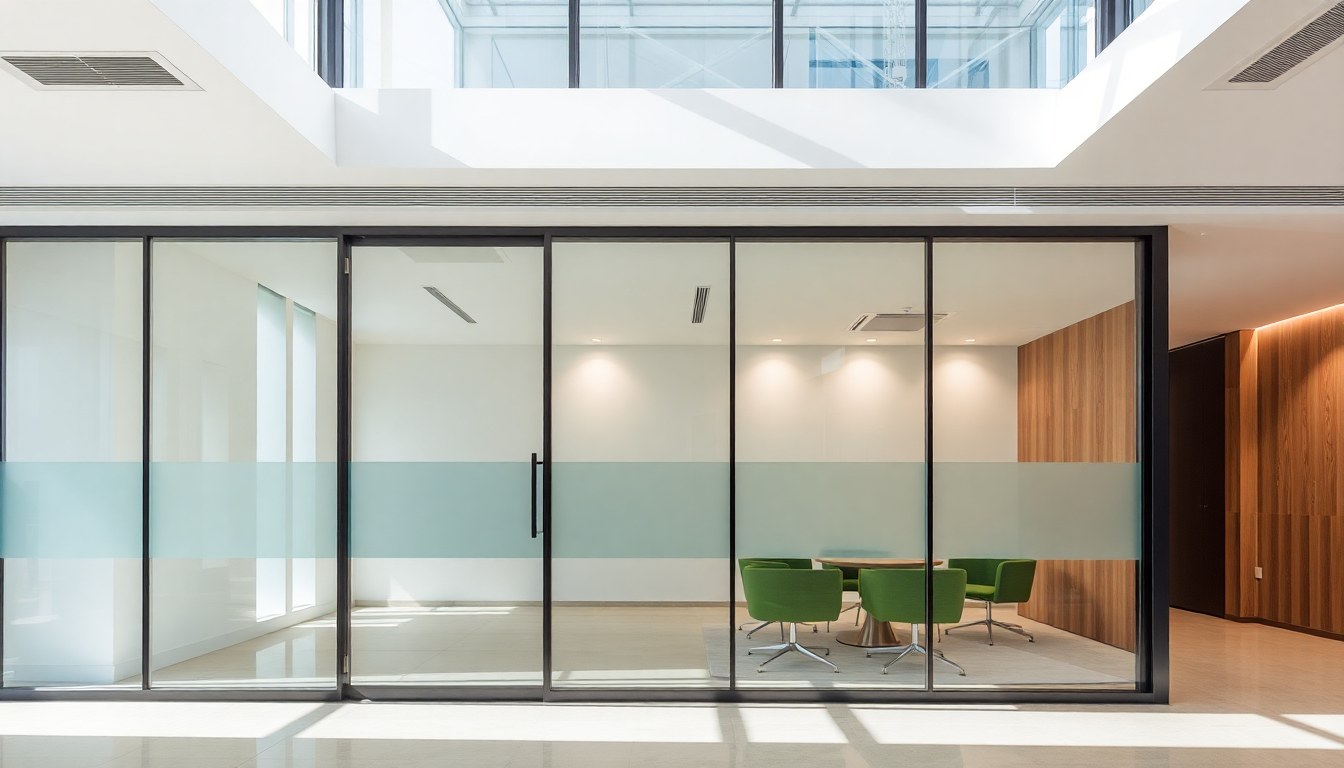
Fire-rated glass partitions have become essential in Mumbai's commercial buildings, combining safety compliance with modern aesthetics. Installing these specialized systems requires strict adherence to National Building Code (NBC) standards and Maharashtra fire safety regulations, ensuring your office space meets legal requirements while maintaining transparency and natural light flow. This comprehensive guide walks you through the installation process, code requirements, and certification procedures for fire-rated glass partitions in Mumbai commercial properties.
Understanding Fire-Rated Glass Partition Systems
Fire-rated glass partitions are engineered systems designed to contain fire and smoke for specified durations, typically rated at 60, 90, or 120 minutes. Unlike standard glass partitions, these assemblies incorporate multiple layers of specially treated glass with intumescent interlayers that expand when exposed to heat, creating an opaque barrier that blocks flames and radiant heat transfer.
The National Building Code of India 2016 mandates fire-rated partitions in specific commercial applications, including exit corridors, stairwell enclosures, fire separation walls between tenancies, and areas surrounding high-risk zones like server rooms or electrical panels. Mumbai's municipal building regulations further specify requirements based on building height, occupancy classification, and proximity to fire exits.
Fire-rated glass systems consist of several critical components: the fire-rated glass itself, fire-rated framing systems (typically steel or aluminum with thermal breaks), intumescent seals and gaskets, fire-rated hardware including hinges and locks, and proper anchoring systems that maintain integrity under fire conditions. Each component must carry independent fire-resistance certification, and the complete assembly must be tested as a system to achieve the desired rating.
NBC Fire-Resistance Rating Requirements for Mumbai
The National Building Code Part 4 (Fire and Life Safety) establishes minimum fire-resistance ratings based on building classification and use. For commercial office buildings in Mumbai, the requirements vary significantly depending on building height and occupancy load.
Rating Classification by Application
Buildings under 15 meters typically require 60-minute fire-rated partitions for corridor walls and exit enclosures. Mid-rise structures between 15-24 meters must install 90-minute systems for stairwell enclosures and fire separation walls. High-rise buildings exceeding 24 meters demand 120-minute fire-rated assemblies for all critical fire barriers and vertical shaft enclosures.
The Maharashtra Fire Prevention and Life Safety Measures Act 2006 adds supplementary requirements for Mumbai specifically. Commercial spaces exceeding 500 square meters must provide fire-rated separation between tenancies, and buildings with basement parking require fire-rated partitions separating parking areas from occupied spaces. Professional architects like Tandem Thoughts Architects can help navigate these complex regulatory requirements during the design phase.
Testing Standards and Certification
All fire-rated glass systems installed in Mumbai must comply with IS 3614 standards for fire-resistance testing. The certification must specify both integrity rating (ability to prevent flame passage) and insulation rating (ability to limit temperature rise on the unexposed surface). Some applications require only integrity rating, while others demand full insulation performance, particularly where occupants might be present on both sides of the partition.
Step-by-Step Installation Process
Proper installation is critical to maintaining the fire-rating of glass partition systems. Any deviation from manufacturer specifications can void the fire-resistance certification and create life-safety hazards. The installation process requires specialized training and should only be performed by certified installers familiar with fire-rated assemblies.
Pre-Installation Site Preparation
Begin by verifying that structural openings match approved shop drawings, with tolerances typically within ±6mm. The surrounding construction must be complete and fire-rated to at least the same level as the partition system. This includes fire-rated walls, floors, and ceilings that the partition will connect to. Remove all combustible materials from the installation area and ensure adequate ventilation if intumescent sealants will be applied.
Inspect all components upon delivery to confirm they match the specified fire-rating and check for shipping damage. Verify that frame sections, glass panels, hardware, and sealing materials all carry proper certification labels. Store glass panels vertically in a protected area, never flat, and keep intumescent materials sealed until application to prevent moisture contamination.
Frame Installation and Anchoring
Install the perimeter framing system first, using fire-rated anchors at maximum 600mm centers as specified by the system manufacturer. Anchor types must be compatible with the substrate material—concrete, masonry, or steel—and rated for fire conditions. Use a laser level to ensure frames are plumb and level within 1.5mm per meter, as misalignment can prevent proper seal compression and compromise fire-rating.
Apply intumescent tape or gasket to frame rabbets before setting glass panels. This material expands under heat to seal gaps and prevent flame passage. The tape must be continuous at all corners with properly mitered joints, and compression must meet manufacturer specifications, typically 25-30% of original thickness. Any gaps, even small ones, can allow fire penetration and invalidate the entire assembly's rating.
Glass Panel Installation
Handle fire-rated glass with extreme care using suction cups rated for the panel weight. These panels cannot be cut or modified on site—any alterations void the fire-rating. Set each panel into the prepared frame, ensuring even bearing on all edges with proper clearances maintained. Setting blocks should be non-combustible and positioned according to glass manufacturer specifications.
Secure glass panels using fire-rated glazing beads or stops, tightening fasteners to specified torque values in the correct sequence to distribute pressure evenly. Over-tightening can crack the glass, while under-tightening may allow panels to dislodge during fire conditions. Install all fire-rated hardware including hinges, closers, and locks, ensuring they carry certifications matching the partition's fire-rating.
Sealing and Fire-Stopping
Apply intumescent sealant to all perimeter gaps between the partition frame and surrounding construction. This critical step requires careful attention—the sealant must completely fill voids without air pockets, typically to a minimum depth of 25mm. Tooling the sealant creates proper contact with both surfaces and ensures expansion will effectively seal gaps under fire conditions.
Where partitions intersect with ceilings, particularly suspended ceiling systems, install proper fire-stopping assemblies. Standard ceiling tiles are not fire-rated and must be supplemented with fire-rated barriers extending from the partition to the structural deck above. This prevents fire from bypassing the partition through the ceiling plenum space.
Critical Code Compliance Checkpoints
Mumbai's fire department and municipal building officials conduct inspections at various stages of commercial construction. Understanding their focus areas helps ensure smooth approval and prevents costly rework.
Inspectors verify that installed systems match approved drawings and specifications, including fire-rating duration, manufacturer, and model numbers. They check for continuous intumescent sealing at all perimeter conditions and proper installation of fire-rated hardware. Any penetrations through fire-rated partitions for electrical, plumbing, or HVAC must incorporate listed fire-stop systems with compatible ratings.
Label requirements are strictly enforced—each fire-rated assembly must display permanent labels identifying the manufacturer, fire-rating, and certification body. These labels must remain visible and legible after installation completion. Documentation requirements include manufacturer installation instructions, material certifications, installer qualifications, and as-built drawings showing exact partition locations and ratings.
Common Installation Mistakes to Avoid
Even experienced contractors sometimes make errors that compromise fire-rated glass partition performance. Using non-rated glazing tape or sealant is a frequent violation—all materials in contact with the fire-rated assembly must carry compatible certifications. Standard construction sealants, even high-quality ones, do not provide intumescent properties required for fire-resistance.
Improper anchoring represents another common failure point. Anchors must penetrate deep enough into structural substrates to maintain holding strength under fire conditions when materials weaken. Surface-mounted anchors or those installed in non-structural elements like drywall cannot provide adequate support and will fail during fire events.
Field modifications to fire-rated glass are absolutely prohibited. Drilling holes, cutting edges, or altering factory-sealed edges destroys the fire-rating completely. If openings don't match ordered sizes, frames must be adjusted or new glass ordered to proper dimensions. Working with experienced professionals like kompassarchitects during the design phase helps prevent such costly dimensional conflicts.
Maintenance and Ongoing Compliance
Fire-rated glass partitions require regular inspection and maintenance to ensure continued code compliance throughout the building's life. Mumbai fire safety regulations mandate annual inspections of all fire-rated assemblies in commercial buildings, with documentation maintained for municipal review.
Inspect intumescent seals quarterly for damage, deterioration, or gaps. These materials can degrade over time, particularly in high-humidity environments common in Mumbai. Any damaged sections must be removed and replaced with identical certified materials. Check that all fire-rated doors within glass partitions close and latch properly, as held-open fire doors are a leading code violation.
Maintain clear documentation of the original installation, including manufacturer certifications, installer credentials, and inspection reports. This documentation proves code compliance during building sales, lease negotiations, or occupancy permit renewals. Any alterations to fire-rated partitions require professional assessment and often necessitate new permits and inspections.
Cost Considerations and Budgeting
Fire-rated glass partition systems cost significantly more than standard glass partitions due to specialized materials and installation requirements. In Mumbai's commercial market, expect to budget ₹8,500-₹15,000 per square meter for 60-minute systems, ₹12,000-₹18,000 for 90-minute ratings, and ₹15,000-₹25,000 for 120-minute assemblies, including materials and professional installation.
These costs vary based on system manufacturer, glass clarity requirements, frame finish, and hardware specifications. Larger projects often achieve better pricing through volume discounts, while complex layouts with numerous doors or curved sections increase costs substantially. Budget an additional 10-15% for engineering, permitting, inspection fees, and project management.
While the initial investment is substantial, fire-rated glass partitions provide long-term value through insurance premium reductions, enhanced property values, and improved marketability to quality tenants who prioritize safety compliance. Many Mumbai landlords find that premium office spaces with proper fire-rated construction command 15-20% higher rental rates compared to buildings with minimal safety features.
Frequently Asked Questions
What is the difference between fire-rated and fire-resistant glass?
Fire-rated glass carries official certification from testing laboratories confirming it meets specific time-duration standards (60, 90, or 120 minutes) for integrity and sometimes insulation. Fire-resistant glass may offer some fire protection but lacks formal testing and certification. Only fire-rated glass with proper documentation satisfies NBC code requirements and Mumbai municipal regulations for commercial buildings.
Can existing glass partitions be upgraded to fire-rated systems?
Standard glass partitions cannot be retrofitted to achieve fire-ratings. The entire assembly—glass, frames, seals, and hardware—must be purpose-designed and tested as a complete system. Upgrading requires complete removal of existing partitions and installation of certified fire-rated systems. This often involves structural modifications to accommodate different frame depths and anchoring requirements specified by fire-rated system manufacturers.
How long does fire-rated glass partition installation take?
Installation duration depends on project scope and complexity. A typical 30-meter linear installation in a Mumbai office might require 5-7 working days, including frame installation, glass setting, sealing, and hardware installation. Complex projects with multiple doors, curved sections, or difficult access can extend to 2-3 weeks. Always allow additional time for inspections and any required corrections before final approval.
Do fire-rated glass partitions require special cleaning or maintenance?
Clean fire-rated glass using standard glass cleaners and soft cloths—avoid abrasive materials that might scratch protective coatings. The critical maintenance focuses on intumescent seals and hardware rather than the glass itself. Inspect seals quarterly for damage and ensure all fire-rated doors close and latch properly. Never paint over or remove certification labels, as this creates code violations during inspections.
What certifications should installers have for fire-rated glass work?
Installers should hold manufacturer-specific training certifications for the fire-rated systems they install. Look for technicians certified by major system manufacturers and members of professional organizations like the Glass Association of India. Request documentation of previous fire-rated installations and references from Mumbai commercial projects. Proper installer certification is often required for warranty validity and insurance compliance.
Installing fire-rated glass partitions in Mumbai commercial spaces requires careful attention to NBC codes, proper materials, and certified installation practices. Whether you're planning a new office build-out or upgrading existing spaces for compliance, connect with experienced glass professionals through the glassy.in directory to ensure your project meets all safety requirements while achieving your aesthetic goals.