
Mirrors
Mirrored Glass vs Reflective Glass: Aesthetic & Functional Differences
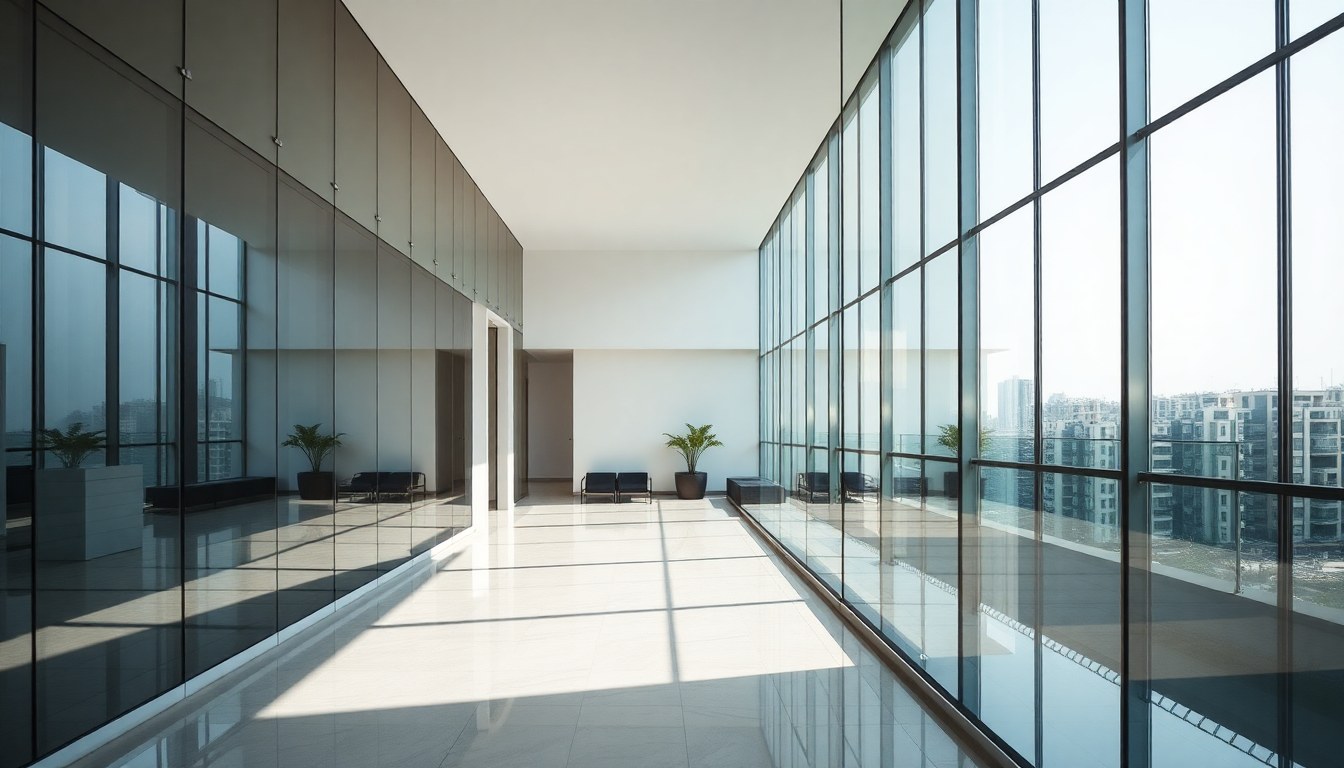
When designing interiors, choosing between mirrored glass and reflective glass can dramatically impact both the look and functionality of your space. While these terms are sometimes used interchangeably, they represent distinctly different products with unique properties, durability levels, and price points. Understanding the differences helps you make an informed decision that aligns with your aesthetic goals and practical requirements.
What Is Mirrored Glass?
Mirrored glass is a traditional reflective surface created by coating the back of clear glass with a thin layer of reflective material—typically aluminum or silver. This coating is then protected by a backing layer, usually made of copper or paint, to prevent oxidation and corrosion. The result is a highly reflective surface that produces clear, sharp reflections similar to what you see in bathroom mirrors or dressing room installations.
Mirrored glass has been a staple in Indian homes and commercial spaces for decades. It's commonly used in wardrobes, bathroom vanities, decorative wall panels, and living room accent walls. The manufacturing process is straightforward, making it a cost-effective option for most budgets. High-quality mirrored glass typically reflects 90–95% of light, providing excellent clarity for personal grooming or creating the illusion of space in smaller rooms.
Backing Types for Mirrored Glass
The backing layer is crucial to a mirror's longevity. Traditional copper backing offers superior protection against moisture and humidity, making it ideal for bathrooms and kitchens. Paint backing is more economical but less durable in wet environments. Some manufacturers now offer epoxy resin backing, which combines affordability with decent moisture resistance. When purchasing mirrored glass in India, always check the backing specification—it directly impacts how long your mirror will last, especially in cities with high humidity like Mumbai, Bangalore, or Kolkata.
What Is Reflective Glass?
Reflective glass is a modern alternative that incorporates reflective coatings directly into the glass during the manufacturing process. Unlike traditional mirrors, the reflective layer is fused into the glass itself or applied to the surface with advanced adhesive technology. This creates a more durable, seamless product that doesn't rely on a separate backing layer for protection.
Reflective glass is increasingly popular in contemporary interior design, particularly for minimalist and modern aesthetics. It's used in glass partitions, sliding doors, window treatments, and architectural glass installations. The reflectivity varies depending on the coating type and thickness—some reflective glass offers 70–85% light reflection, while premium options can match traditional mirrors. Reflective glass also comes in various tints, including bronze, gray, and blue, allowing designers to create subtle, sophisticated effects that traditional mirrored glass cannot achieve.
Manufacturing and Coating Technology
Reflective glass is produced using advanced coating techniques such as vacuum deposition or sol-gel processes. These methods create a more uniform, durable coating compared to the liquid adhesive application used in traditional mirroring. The result is a product that resists peeling, flaking, and backing deterioration—common issues with older mirrored glass in humid climates. This technological advantage makes reflective glass particularly suitable for high-traffic commercial spaces and demanding residential applications.
Aesthetic Differences and Design Applications
Mirrored glass offers a classic, timeless look that works well in traditional, transitional, and eclectic interiors. Its high reflectivity and crystal-clear appearance make it ideal for spaces where you want authentic, undistorted reflections. Mirrored glass is the go-to choice for bathroom vanities, full-length dressing mirrors, and decorative wall installations where visual clarity is paramount. In Indian homes, mirrored glass wardrobes and pooja room wall panels remain popular design choices.
Reflective glass, by contrast, provides a more contemporary, understated aesthetic. Tinted reflective glass creates subtle mirror effects that blend seamlessly with modern architecture. It works beautifully in open-plan living spaces, glass partitions, and feature walls where you want reflectivity without the obvious "mirror" appearance. Reflective glass also performs better in spaces where glare reduction is important, as the coating can be engineered to minimize harsh reflections while maintaining privacy and light control.
- Mirrored glass: Best for bathrooms, vanities, dressing areas, and traditional décor
- Reflective glass: Best for modern partitions, doors, windows, and contemporary design schemes
- Mirrored glass: Creates bold, clear reflections ideal for space expansion
- Reflective glass: Offers subtle reflectivity suitable for minimalist and industrial aesthetics
Durability and Maintenance Comparison
Mirrored glass durability depends heavily on the backing quality and environmental conditions. In dry climates, a well-backed mirror can last 15–20 years or longer. However, in humid environments—common across most Indian cities—moisture can seep behind the backing, causing black spots, corrosion, and eventual deterioration. Regular cleaning and proper ventilation help extend the life of mirrored glass, but once backing damage begins, repair is typically impossible. The cost of replacing a large mirrored glass installation can be substantial, ranging from ₹500 to ₹2,000 per square foot depending on quality and size.
Reflective glass is inherently more durable because the coating is fused into or directly bonded to the glass surface. There's no separate backing layer to degrade, making it resistant to moisture, humidity, and temperature fluctuations. This makes reflective glass an excellent choice for kitchens, bathrooms, and outdoor-facing applications. Maintenance is straightforward—simple glass cleaner and a soft cloth keep reflective glass looking pristine. While the initial cost may be 20–30% higher than mirrored glass, the extended lifespan and reduced maintenance make it a smart long-term investment for many homeowners and businesses.
Environmental Impact
Reflective glass scores higher on sustainability metrics. Since it doesn't require replacement as frequently as mirrored glass, it generates less waste over time. Additionally, many manufacturers now produce reflective glass using eco-friendly coating processes that minimize harmful emissions. If environmental responsibility is important to you, reflective glass aligns better with green building practices.
Cost Analysis: Mirrored Glass vs Reflective Glass
Pricing varies significantly based on quality, thickness, size, and backing type. Standard mirrored glass typically costs ₹300–₹800 per square foot in India, with premium options reaching ₹1,000–₹1,500 per square foot. Budget mirrored glass with basic paint backing may be cheaper initially but often shows signs of deterioration within 5–7 years in humid conditions. Reflective glass generally costs ₹600–₹1,500 per square foot, reflecting its advanced manufacturing process and superior durability.
When calculating total cost of ownership, factor in replacement and maintenance expenses. A mirrored glass installation that deteriorates and requires full replacement within 10 years becomes more expensive than reflective glass, which might last 20+ years with minimal maintenance. For commercial applications in high-traffic areas, reflective glass often proves more economical despite higher upfront costs. Residential applications in dry climates may favor mirrored glass for budget-conscious buyers, while humid regions and premium projects increasingly lean toward reflective glass.
Practical Considerations for Indian Climates
India's diverse climate zones significantly influence which product suits your needs. In coastal cities like Mumbai, Goa, and Chennai, where humidity levels remain high year-round, reflective glass is the superior choice. The salt-laden air accelerates backing deterioration in traditional mirrors, making reflective glass's sealed construction invaluable. In drier regions like Delhi, Jaipur, and Pune, mirrored glass performs adequately if properly installed with adequate ventilation and maintenance.
Professional installation is crucial regardless of which product you choose. Improper installation can trap moisture behind mirrored glass or leave reflective glass vulnerable to edge damage. Always hire experienced installers familiar with local climate conditions and building codes. Many reputable glass suppliers and installers across major Indian cities—including Delhi, Bangalore, Mumbai, and Hyderabad—offer consultation services to help you select the right product for your specific environment.
Frequently Asked Questions
Can reflective glass be used as a bathroom mirror?
Yes, reflective glass works excellently in bathrooms and often outperforms traditional mirrored glass in humid conditions. Since the coating is integrated into the glass, it resists moisture damage that causes black spots in traditional mirrors. However, ensure the reflectivity level meets your needs—some reflective glass products have lower reflectivity than standard mirrors, which may affect grooming applications. Consult with your supplier to confirm reflectivity percentages before purchase.
Why do mirrors develop black spots over time?
Black spots form when moisture penetrates the backing layer of mirrored glass, causing the reflective coating to oxidize and corrode. This is especially common in bathrooms and kitchens where humidity is high. Reflective glass avoids this problem entirely because there's no separate backing layer. If your existing mirrored glass shows black spots, they cannot be repaired—the mirror must be replaced.
Is reflective glass more expensive than mirrored glass?
Reflective glass typically costs 20–30% more upfront than standard mirrored glass. However, when you account for durability, maintenance, and replacement costs over 15–20 years, reflective glass often becomes the more economical choice. In humid climates, the cost advantage of reflective glass is even more pronounced because traditional mirrors deteriorate faster.
Which is better for creating a sense of space in small rooms?
Mirrored glass is traditionally superior for this purpose because of its high reflectivity and crystal-clear appearance, which maximizes light reflection and visual expansion. However, high-quality reflective glass with 85%+ reflectivity can achieve similar effects. The choice depends on your overall design aesthetic—if you prefer a subtle, modern look, reflective glass works well; for a bold, traditional approach, mirrored glass is ideal.
Can mirrored glass and reflective glass be used together in the same space?
Absolutely. Many contemporary interior designs combine both products strategically. For example, use traditional mirrored glass for a bathroom vanity (where clarity is essential) and reflective glass for a bedroom partition or accent wall (for aesthetic appeal). This hybrid approach lets you leverage the strengths of each product while maintaining design cohesion.
Choosing between mirrored glass and reflective glass depends on your priorities: budget, climate, aesthetic preferences, and long-term durability requirements. Both products have their place in modern interior design. For expert guidance tailored to your specific project, explore the extensive network of glass suppliers and interior designers listed on Glassy.in—India's largest glass-business directory. Connect with certified professionals who understand your local climate and can recommend the perfect solution for your home or business.