
Interior Design
Mirrored Glass Splashbacks for Kitchens: Design Ideas, Installation & Maintenance
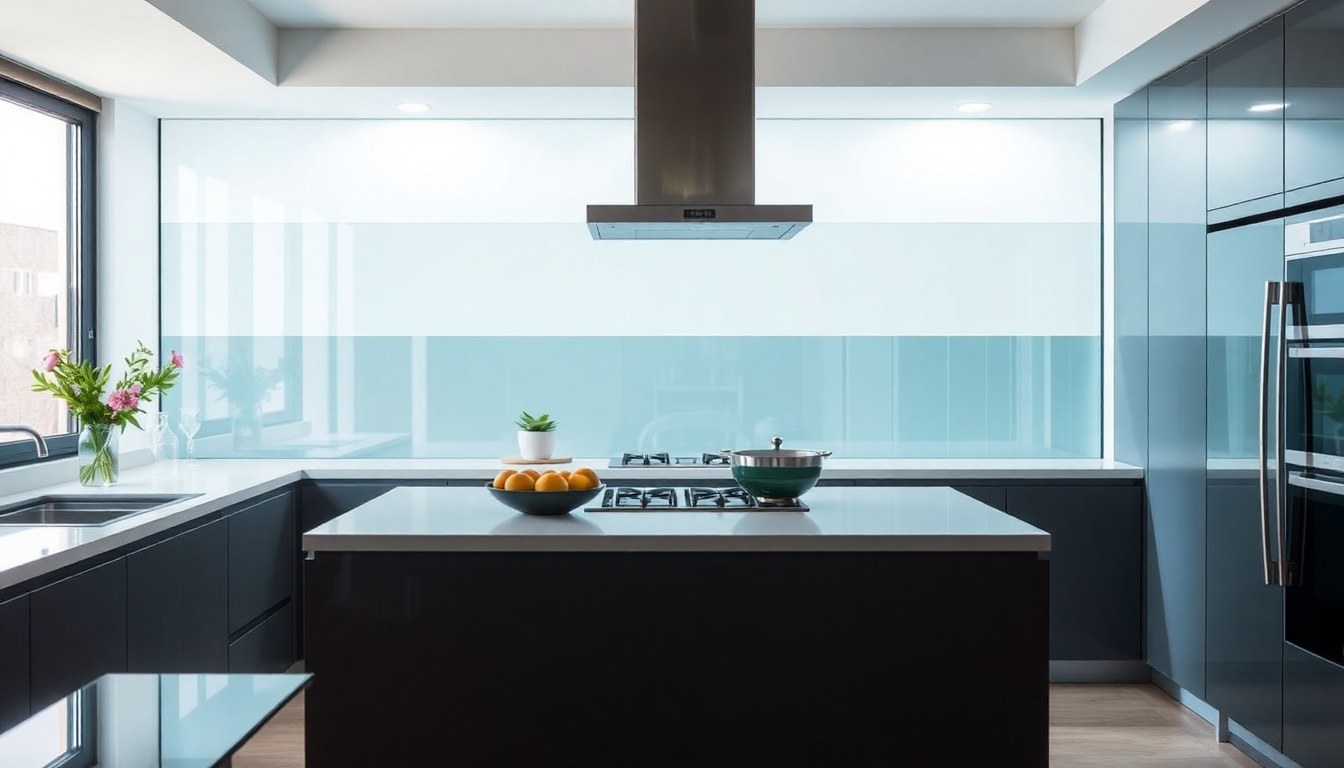
Mirrored glass splashbacks are a sophisticated choice for modern Indian kitchens, reflecting natural and artificial light to create an illusion of space while adding elegance to your cooking area. Whether you're renovating a compact urban apartment or redesigning a spacious villa, mirrored backsplashes combine functionality with aesthetic appeal. This guide covers design inspiration, professional installation techniques, protective coatings, and practical maintenance routines to keep your mirrored splashback looking pristine for years.
Why Choose Mirrored Glass Splashbacks for Your Kitchen?
Mirrored glass splashbacks offer distinct advantages over traditional tile or painted finishes. They reflect light from windows and overhead fixtures, making even small kitchens feel airier and brighter. This reflective quality is particularly valuable in Indian homes where natural light may be limited by climate or building design. Beyond aesthetics, mirrored splashbacks are hygienic, easy to wipe clean, and resistant to staining when properly sealed.
The versatility of mirrored glass allows it to complement both contemporary minimalist designs and traditional kitchen layouts. Whether paired with stainless steel appliances, wooden cabinetry, or granite countertops, mirrored splashbacks create a cohesive visual experience. They also work well in kitchens with limited wall space, as the reflective surface makes the area feel larger without requiring structural changes.
Design Ideas and Style Inspiration
Contemporary Minimalist Kitchens
In minimalist kitchens, a full mirrored splashback from countertop to cabinet soffit creates a seamless, uncluttered look. Pair it with handleless cabinets and a monochromatic color scheme for a sleek, modern aesthetic. This approach works exceptionally well in urban apartments across cities like Mumbai, Bangalore, and Delhi where space optimization is essential.
Partial Mirrored Splashback Designs
Not every kitchen needs a full mirrored splashback. Consider installing mirrored glass only behind the cooking zone or stovetop, then using complementary materials like subway tiles or stone elsewhere. This hybrid approach reduces costs while maintaining visual interest and functionality where heat and splashes are most likely.
Mirrored Glass with Decorative Frames
Add character by framing mirrored glass panels with stainless steel, brass, or wooden trim. These frames create visual boundaries and prevent the kitchen from feeling too reflective. Framed mirrored splashbacks work particularly well in traditional or transitional kitchen designs popular in Indian homes.
Patterned and Textured Mirrored Options
While plain mirrored glass is most common, textured mirrored glass offers visual depth without sacrificing the reflective qualities. Beveled edges, subtle patterns, or frosted sections can add sophistication while reducing glare. These options cost slightly more but provide unique design flexibility.
Installation Process for Mirrored Glass Splashbacks
Preparation and Measurements
Accurate measurements are critical for a professional installation. Measure the height from countertop to the bottom of wall cabinets or desired endpoint. Note any electrical outlets, switches, or uneven wall surfaces that require accommodation. Most mirrored splashbacks span 600mm to 900mm in height, though this varies based on cabinet design and personal preference.
Ensure your wall surface is clean, dry, and level. Any moisture, paint flakes, or bumps will affect adhesion and create visible imperfections in the reflection. Sand down rough areas and fill holes with appropriate filler material.
Adhesive Selection and Application
Use a high-quality mirror adhesive or silicone-based construction adhesive specifically designed for glass-to-wall bonding. Standard tile adhesive is not suitable for mirrored glass. Apply adhesive in small dots or a continuous bead pattern across the back of the glass, ensuring even coverage without excess that could squeeze out and damage the mirror backing.
Press the mirrored glass firmly against the wall, starting from the bottom and working upward. Use spacers to maintain consistent gaps between panels if installing multiple pieces. Allow adhesive to cure for 24 to 48 hours before exposing the surface to moisture.
Sealing Edges and Joints
Sealing is essential to prevent moisture from reaching the mirror backing, which causes corrosion and dark spots. Use a waterproof silicone sealant along all edges, particularly where the splashback meets the countertop and wall cabinets. Apply sealant in a continuous, smooth bead for both aesthetic and protective purposes.
At joints between multiple mirrored panels, use clear silicone to maintain visibility while preventing water ingress. Allow sealant to cure fully (typically 24 hours) before using the kitchen.
Protective Coatings and Anti-Fog Solutions
Anti-Fog Coatings
Kitchen steam from cooking can cause mirrored surfaces to fog, reducing their reflective quality and appearance. Anti-fog coatings create a thin hydrophobic layer that prevents moisture condensation. These coatings are typically applied during manufacturing but can be applied post-installation using specialized products available at glass suppliers across India.
Common anti-fog solutions include spray-on coatings and wipe-on treatments. Spray coatings provide more uniform coverage and longer durability, lasting 6 to 12 months depending on kitchen ventilation and usage frequency. Wipe-on treatments are easier to apply but may require more frequent reapplication.
Protective Sealants for Mirror Backing
The back of mirrored glass contains a reflective metallic coating vulnerable to moisture and oxidation. Specialized mirror sealants create a barrier against humidity and water vapor. These are particularly important in Indian kitchens where monsoon seasons or high humidity levels exist. Apply protective sealant to the edges and any exposed areas of the mirror backing during installation.
Maintenance and Cleaning Routines
Daily Cleaning
Wipe your mirrored splashback daily with a soft, lint-free cloth to remove cooking splatters and dust. Use a solution of equal parts white vinegar and distilled water for streak-free cleaning. Avoid commercial glass cleaners containing ammonia, which can damage the mirror backing over time.
For stubborn stains or dried splatters, spray the vinegar solution generously and let it sit for 2 to 3 minutes before wiping. This prevents the need for aggressive scrubbing that could scratch the surface.
Weekly Deep Cleaning
Once weekly, perform a more thorough cleaning using a microfiber cloth and the vinegar solution. Pay special attention to areas around the stove and near grease-prone zones. Ensure no moisture accumulates along the bottom edge where the splashback meets the countertop, as this is where water damage typically begins.
Addressing Common Issues
If you notice dark spots or discoloration on the mirror, these indicate water has reached the backing. Early intervention is crucial. Apply a waterproof sealant to the affected edges immediately. For extensive damage, consultation with a glass professional may be necessary.
Persistent fogging despite anti-fog treatments suggests inadequate kitchen ventilation. Ensure your exhaust fan runs during and for 15 to 20 minutes after cooking. Consider upgrading ventilation if fogging continues, as this protects not just the splashback but your entire kitchen.
Seasonal Maintenance
During monsoon seasons in Indian cities, check sealant integrity monthly. Reapply silicone sealant if cracks or gaps appear. Test anti-fog coatings and reapply if performance diminishes. This preventive approach extends the life of your mirrored splashback significantly.
Cost Considerations and Material Selection
Mirrored glass splashback costs in India typically range from ₹2,500 to ₹6,000 per square meter, depending on glass quality, thickness, and special coatings. Standard 4mm or 5mm mirrored glass is suitable for most kitchens, while thicker options provide increased durability and reduced distortion.
Budget additional funds for professional installation (₹1,500 to ₹3,000 per square meter), high-quality adhesives, sealants, and anti-fog treatments. While DIY installation is possible, professional installation ensures proper sealing and alignment, protecting your investment long-term. Obtain quotes from multiple glass suppliers in your area, as prices vary significantly based on location and supplier reputation.
Frequently Asked Questions
Can mirrored glass splashbacks be installed over existing tiles?
Yes, but the existing surface must be thoroughly cleaned, degreased, and leveled. Any loose tiles should be removed and gaps filled. The key is ensuring a smooth, stable substrate for adhesive application. If the existing surface is uneven or unstable, it's better to remove old tiles first for optimal results.
How do I prevent water damage to the mirror backing?
Proper sealing during installation is the primary defense. Use waterproof silicone sealant along all edges, particularly where the splashback meets the countertop and walls. Additionally, apply protective sealant to the mirror backing edges. Maintain good kitchen ventilation to minimize moisture buildup, and address any water leaks immediately.
Are mirrored splashbacks safe near cooking heat?
Mirrored glass can withstand normal kitchen temperatures from cooking. However, direct exposure to intense heat from an open flame or very hot cookware should be avoided. If installing behind a gas stove, ensure adequate clearance and consider using heat-resistant glass or partial mirrored coverage with complementary materials in the highest-heat zone.
How often should anti-fog coating be reapplied?
Commercial anti-fog coatings typically last 6 to 12 months depending on kitchen humidity, ventilation, and usage. Monitor performance during monsoon seasons or high-humidity periods. When fogging becomes noticeable, reapply the coating following manufacturer instructions. Regular ventilation use extends coating life significantly.
Can I cut or customize mirrored glass splashbacks for outlets and switches?
Cutting mirrored glass requires specialized equipment and should be done by professionals to prevent damage to the reflective backing. When planning your splashback, account for existing outlets and switches. Many installers recommend working around these features rather than cutting through them, or upgrading outlet positions during renovation for a cleaner look.
Transform Your Kitchen with Professional Mirrored Glass Solutions
Mirrored glass splashbacks offer an elegant, practical solution for modern Indian kitchens. Whether you're drawn to their light-reflecting properties, aesthetic versatility, or easy maintenance, proper installation and care ensure they remain beautiful for years. Explore the extensive network of qualified glass suppliers and installers on glassy.in to find the perfect mirrored splashback solution for your kitchen. Browse verified vendors, compare quotes, and connect with professionals who understand the unique requirements of Indian kitchens.