
Interior Design
Mirrored Glass Partition Walls for Small Apartments: Space Illusion Tricks
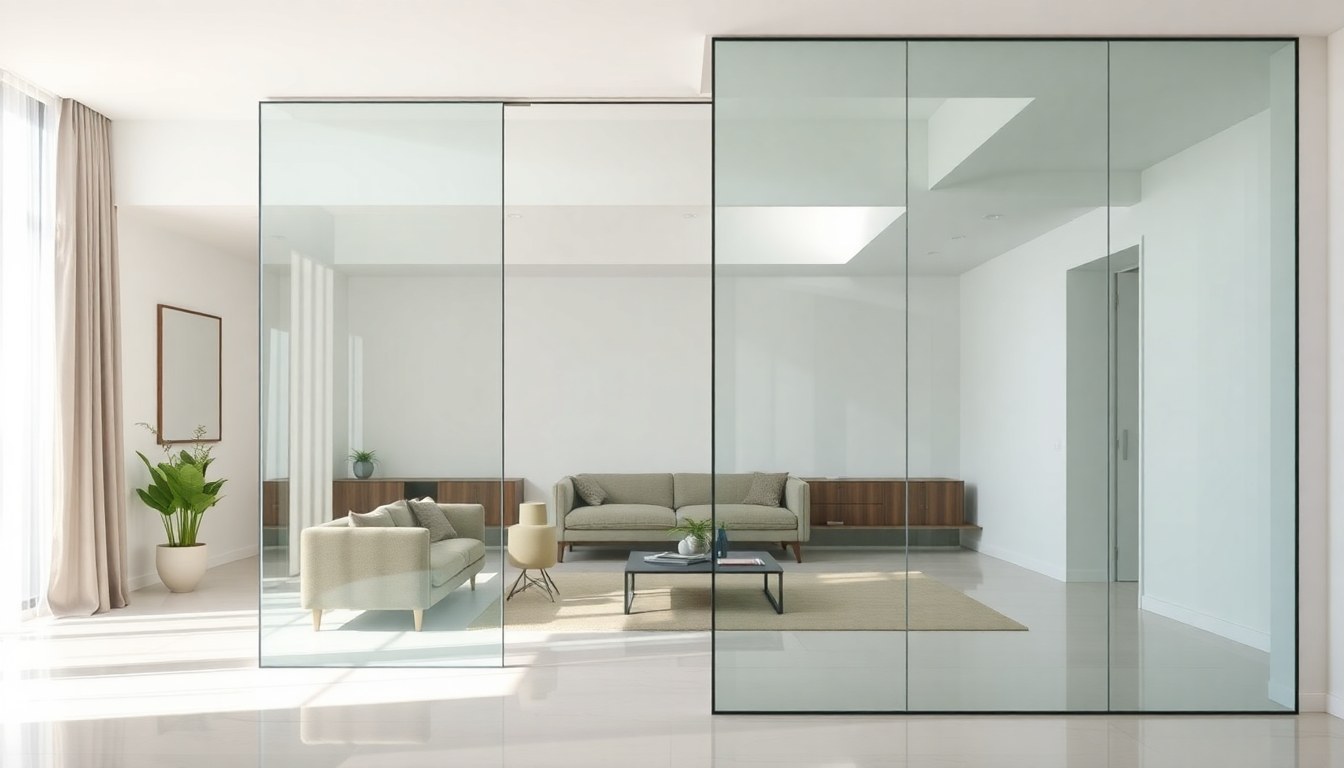
Small apartments in Indian cities like Mumbai, Bangalore, and Delhi often feel cramped despite efficient layouts. Mirrored glass partition walls are a proven interior design solution that amplifies light, creates visual depth, and makes compact spaces feel significantly larger—without requiring structural changes or major renovations.
Why Mirrored Glass Partitions Work for Small Spaces
The psychology and physics of mirrors in interior design are well-established. When light hits a mirrored surface, it reflects and bounces around the room, multiplying the perceived brightness and creating an illusion of expanded square footage. In small apartments where natural light is often limited, this effect is transformative.
Unlike traditional solid walls or heavy wooden partitions, mirrored glass maintains visual continuity across a room. Your eye travels through the reflection rather than stopping at a barrier, which tricks the brain into perceiving the space as larger than it actually is. This is especially valuable in studio apartments or one-bedroom homes where you need to define separate zones without sacrificing openness.
- Light multiplication: Mirrors reflect natural and artificial light, brightening dark corners and reducing the need for additional lighting fixtures
- Visual expansion: Reflections create depth, making a 300 sq. ft. apartment feel closer to 400 sq. ft.
- Flexible zoning: Mirrored partitions separate living, sleeping, and working areas without creating a claustrophobic feel
- Modern aesthetic: Glass partitions align with contemporary interior design trends and add a premium feel to modest apartments
Strategic Placement for Maximum Impact
The placement of mirrored glass partitions determines how effectively they amplify space. The most impactful locations are opposite or adjacent to windows, where they capture and reflect incoming natural light. If your apartment has a single window, positioning a mirrored partition across from it doubles the visual light impact throughout the room.
For apartments with limited natural light, place mirrored partitions near artificial light sources—ceiling fixtures, wall sconces, or floor lamps. This ensures the mirrors work 24/7 to brighten the space, not just during daytime hours.
Room-by-Room Placement Guide
Living areas: Install a mirrored partition between the living room and kitchen to separate zones while maintaining visual openness. The reflection of the living space in the kitchen creates a sense of expansiveness on both sides.
Bedrooms: Use a mirrored partition to divide a studio bedroom-cum-living area. Position it to reflect the bed's headwall and any windows, creating the illusion of a larger sleeping zone without blocking sightlines entirely.
Entryways: A mirrored partition in the entryway reflects the main living area, making the apartment feel more spacious the moment you walk in. This is particularly effective in cramped Mumbai or Delhi apartments where the entrance is narrow.
Home offices: In work-from-home setups, a mirrored partition creates a defined office corner while reflecting natural light onto your desk, reducing eye strain and creating a brighter work environment.
Types of Mirrored Glass Partitions Available
The Indian glass and partition market offers several mirrored glass options, each suited to different budgets and aesthetic preferences.
Full Mirrored Glass Panels
These are 100% reflective glass panels, typically 8-12mm thick for structural stability. Full mirrored partitions maximize the space illusion effect and are ideal for small apartments where you want dramatic visual expansion. Prices in India typically range from ₹2,500 to ₹4,500 per sq. ft., depending on glass quality and frame material (aluminum, stainless steel, or wood).
Partially Mirrored or Frosted Glass
These combine mirrored sections with frosted or clear glass, offering privacy where needed while maintaining some reflective benefits. They're popular for bedroom partitions and bathrooms, where full transparency or full reflection isn't desired. Costs range from ₹2,000 to ₹3,500 per sq. ft.
Mirrored Glass with Frames
Framed mirrored partitions use aluminum or wooden frames to hold individual mirror panels. This modular approach allows customization and is easier to install in rental apartments. Frame-and-panel systems typically cost ₹1,800 to ₹3,200 per sq. ft.
Smart Mirrored Glass
Advanced switchable mirrored glass—which can shift from reflective to transparent at the flick of a switch—is emerging in premium Indian apartments. These use electrochromic technology and cost significantly more (₹6,000 to ₹12,000+ per sq. ft.), but offer unmatched flexibility for renters and homeowners wanting reversible solutions.
Design Tips to Maximize the Space Illusion Effect
Installing a mirrored glass partition is only half the battle. How you style the space around it determines whether the illusion succeeds or falls flat.
- Keep the reflected area clutter-free: Mirrors amplify visual chaos as much as they amplify light. Ensure the space reflected in the partition is tidy and minimal. A cluttered reflected image defeats the purpose of spatial expansion.
- Use neutral colors on reflected walls: Paint the wall opposite the mirror in soft, neutral tones (whites, grays, light beiges). Dark colors absorb light and reduce the expansion effect.
- Avoid placing mirrors directly opposite mirrors: Two mirrors facing each other can create disorienting infinite reflections. Position mirrored partitions at slight angles or in different rooms to avoid this.
- Combine with strategic lighting: Add recessed ceiling lights or wall sconces near the mirrored partition. This ensures the partition always has light to reflect, amplifying the space illusion even at night.
- Choose minimalist furniture: In apartments with mirrored partitions, less is more. Bulky furniture reduces the visual openness that mirrors create. Opt for sleek, low-profile pieces.
- Use glass or transparent furniture: Glass coffee tables, clear acrylic chairs, and transparent shelving complement mirrored partitions and maintain visual continuity.
Practical Considerations and Maintenance
While mirrored glass partitions are visually stunning, they require thoughtful consideration regarding maintenance, safety, and installation in rental properties.
Cleaning and Upkeep
Mirrored glass shows fingerprints, dust, and water spots easily. Establish a weekly cleaning routine using a soft microfiber cloth and glass cleaner (or a vinegar-water solution). In humid Indian climates, especially in coastal cities like Mumbai, ensure proper ventilation around mirrored partitions to prevent moisture buildup and mold.
Safety Concerns
Mirrored glass partitions must be made from tempered glass, which shatters into small, harmless granules rather than sharp shards if broken. Always specify tempered glass when ordering from glass suppliers. Ensure the partition is securely anchored to prevent tipping, particularly important in homes with children or pets.
Rental Apartment Considerations
If you're renting, confirm with your landlord before installing a mirrored partition. Many landlords allow non-permanent installations using adhesive frames or freestanding partitions. These options avoid wall damage and are fully removable, making them ideal for temporary tenants in Delhi, Bangalore, or Hyderabad.
Installation Costs
Professional installation typically costs ₹500 to ₹1,500 per sq. ft., depending on complexity and location. For a 4 sq. ft. partition in a small apartment, expect total costs (material + labor) between ₹12,000 and ₹30,000. DIY installation is possible for frame-based systems but not recommended for full glass partitions without professional expertise.
Real-World Applications in Indian Apartments
Mirrored glass partitions are increasingly popular in compact Indian apartments, particularly in metro cities where real estate is expensive and space is premium.
A 350 sq. ft. studio apartment in Mumbai's Bandra or Worli can feel significantly larger with a mirrored partition separating the sleeping area from the living space. Residents report that the visual expansion makes the apartment feel 20-30% larger, improving both functionality and psychological comfort.
In Bangalore's tech corridor, young professionals working from home use mirrored partitions to create dedicated office nooks without sacrificing the open-plan feel of their studios. The reflected light from partitions positioned near windows reduces the need for additional desk lamps, saving electricity costs.
Delhi apartments, particularly in areas like Dwarka or Gurgaon, benefit from mirrored partitions in north-facing units where natural light is limited. Strategic placement opposite artificial lights compensates for poor natural illumination.
Frequently Asked Questions
Do mirrored glass partitions actually make a room feel larger?
Yes, mirrored glass partitions create a genuine optical illusion of expanded space. They work by reflecting light and the room's contents, tricking the eye into perceiving greater depth and square footage. However, the effect is most pronounced when the partition is positioned opposite windows or light sources and when the reflected area is kept clean and uncluttered.
Can mirrored glass partitions be installed in rental apartments?
Absolutely. Freestanding mirrored partitions and frame-based systems require no wall modifications and can be completely removed without damage. Always seek landlord approval before installation. Adhesive-mounted panels are also available but should be carefully removed to avoid wall damage.
How much do mirrored glass partitions cost in India?
Material costs range from ₹1,800 to ₹12,000+ per sq. ft., depending on glass type and frame material. Professional installation adds ₹500 to ₹1,500 per sq. ft. For a typical 4-6 sq. ft. partition in a small apartment, budget ₹12,000 to ₹40,000 total. Prices vary by city and supplier; obtain quotes from multiple local glass vendors for the best rates.
What type of glass should I choose for a mirrored partition?
Always specify tempered mirrored glass for safety. Tempered glass is heat-treated to be four times stronger than regular glass and shatters safely if broken. For small apartments, 8mm or 10mm tempered mirrored glass is ideal. Avoid annealed (non-tempered) glass, which breaks into dangerous sharp shards.
How do I maintain mirrored glass partitions?
Clean weekly with a soft microfiber cloth and glass cleaner to prevent fingerprint and dust buildup. In humid climates, ensure good ventilation to prevent moisture and mold. Avoid harsh chemicals or abrasive scrubbing, which can damage the reflective coating. In coastal areas like Mumbai, occasional deep cleaning with vinegar solution helps remove mineral deposits from humidity.
Transform Your Small Apartment Today
Mirrored glass partitions are a cost-effective, reversible way to amplify light and perceived space in small Indian apartments. Whether you're in Mumbai, Bangalore, Delhi, or any other city, strategic mirrored glass placement can dramatically improve your home's functionality and aesthetic appeal. Explore options from trusted glass suppliers and installers on glassy.in, India's largest glass-business directory, where you'll find vetted professionals, competitive quotes, and expert guidance for your next interior design project.