
Mirrors
Mirror Glass Types for Home Gyms: Distortion-Free & Safety-Certified Options
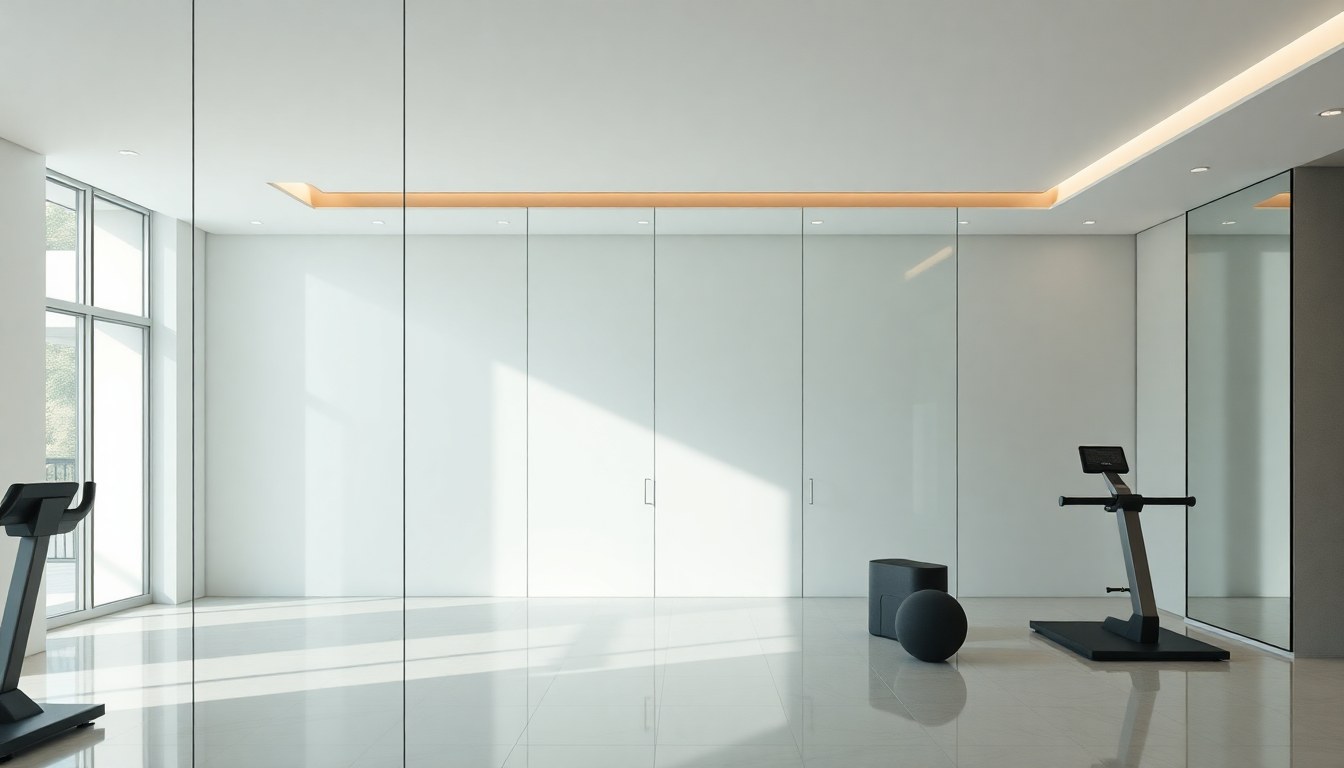
A quality mirror is essential for any home gym—it helps you monitor your form, build confidence, and create the illusion of a larger space. But not all mirror glass is created equal, especially in humid, high-moisture environments where sweat and temperature fluctuations take a toll. This buyer's guide explores the best mirror glass types for fitness spaces, from silver-backed to aluminum-backed options, so you can invest in a mirror that stays crystal-clear and safe for years.
Why Mirror Quality Matters in Home Gyms
Home gyms are demanding environments. Intense workouts generate heat and moisture, temperature swings cause condensation, and the constant humidity accelerates corrosion of inferior mirror backings. A cheap, low-grade mirror will develop dark spots, clouding, and edge deterioration within months—compromising both aesthetics and safety. Poor-quality mirrors also distort your reflection, making it harder to assess exercise form accurately.
Investing in distortion-free, safety-certified mirror glass protects your investment and your wellbeing. Premium mirrors maintain optical clarity, resist corrosion, and meet Indian and international safety standards, ensuring your home gym remains both functional and secure.
Understanding Mirror Glass Backing Types
Silver-Backed Mirrors: The Industry Standard
Silver-backed mirrors use a thin layer of silver deposited on the rear surface of glass to create the reflective coating. This is the traditional, most common mirror type found in homes across India. Silver provides excellent optical clarity and bright, true-to-life reflections, making it ideal for form assessment during workouts.
However, silver is vulnerable to oxidation and moisture. Without proper protection, silver-backed mirrors in humid gym environments can develop black edge rot and spotting within 12–24 months. To combat this, manufacturers apply protective coatings (typically copper and paint layers) to seal the silver backing and extend lifespan. Look for mirrors labeled with multi-layer backing systems that include anti-corrosion paint and copper protection.
Aluminum-Backed Mirrors: Enhanced Durability
Aluminum-backed mirrors replace the traditional silver layer with aluminum, which is naturally more resistant to oxidation and moisture. This makes them an excellent choice for high-humidity spaces like home gyms, bathrooms, and basements. Aluminum backing delivers nearly identical optical clarity to silver while offering superior longevity in challenging environments.
Aluminum mirrors typically cost 15–25% more than standard silver-backed options, but the investment pays off through reduced maintenance and longer service life. Many premium home gym mirrors use aluminum backing specifically because fitness spaces demand durability and moisture resistance. Aluminum is also lighter than some alternative backings, making installation easier.
Anti-Corrosion Coated Mirrors: Maximum Protection
The most advanced option combines silver or aluminum backing with specialized anti-corrosion coatings. These coatings include multiple protective layers: a copper layer to prevent edge corrosion, epoxy or polyester paint to seal moisture, and sometimes an additional silicone-based sealant for extra protection. Anti-corrosion mirrors are engineered for extreme environments and can last 15–20 years even in humid conditions.
While anti-corrosion mirrors represent the premium end of the market (often ₹800–1,500 per square foot in India), they eliminate the worry of deterioration and spotting. For serious home gym enthusiasts planning to use their space for a decade or more, this investment is worthwhile.
Distortion-Free Glass: What to Look For
Distortion occurs when glass thickness varies, when the backing is uneven, or when the glass has internal stress or bubbles. A distorted mirror makes your reflection appear warped, which is not only frustrating but also makes it difficult to evaluate exercise form accurately. Distortion-free mirrors are essential for a home gym.
To ensure distortion-free quality, look for these markers:
- Float glass construction: Float glass is manufactured using a controlled floating process that ensures uniform thickness and optical clarity. It's the gold standard for mirror glass and is used in virtually all quality mirrors sold in India.
- Thickness specification: Mirror glass for gym use should be at least 4–5 mm thick. Thicker glass (5–6 mm) resists warping and provides superior clarity. Avoid anything thinner than 4 mm, as thin glass is prone to flexing and distortion.
- Flatness tolerance: Quality mirrors specify a flatness tolerance (usually ±2 mm per meter). This measurement confirms the glass surface is truly flat, not slightly curved or wavy.
- Edge quality: Inspect the edges—they should be smooth and polished, not rough or chipped. Rough edges indicate poor manufacturing and may signal interior quality issues as well.
- Backing uniformity: Hold the mirror at an angle under bright light. The backing should appear uniformly reflective with no dark patches, spots, or streaks, which indicate uneven backing application.
Safety Certifications and Standards
Mirror glass for home gyms should meet recognized safety standards to prevent breakage injuries. In India, the relevant standards are:
- IS 2553:2008 (Indian Standard for Mirrors): This standard specifies requirements for plane mirrors, including optical properties, backing durability, and safety. Mirrors certified to IS 2553 have been tested for clarity, thickness consistency, and corrosion resistance.
- IS 2553 Part 1 (Safety requirements): This covers edge safety, thickness uniformity, and impact resistance. It ensures mirrors won't shatter into dangerous shards if struck during a workout.
- International standards (CE, ASTM): Many premium mirrors also carry European (CE) or American (ASTM) certifications, which are recognized globally and indicate compliance with stringent quality protocols.
Always ask suppliers for certification documentation before purchase. A legitimate mirror manufacturer will provide IS 2553 certification or equivalent. Uncertified mirrors are cheaper but carry real safety risks, especially in a home gym where mirrors may be bumped during exercises.
Installation and Maintenance for Humid Environments
Installation Best Practices
Proper installation is critical for mirror longevity in humid gym spaces. Mirrors should be mounted on walls that have been sealed or waterproofed to prevent moisture from seeping behind the mirror. Use stainless steel or aluminum fixtures rather than iron or steel, which can rust and corrode the mirror backing over time.
Ensure adequate air circulation behind the mirror to prevent moisture accumulation. If mounting on a masonry wall, apply a waterproof primer and sealant first. In high-humidity areas, consider mounting mirrors with small spacers (3–5 mm) to allow air flow behind the glass.
Maintenance in Humid Conditions
Even premium mirrors require basic maintenance in gym environments:
- Wipe mirrors weekly with a soft, dry microfiber cloth to remove sweat residue and dust.
- Use a glass cleaner with a anti-fog formula monthly. Avoid ammonia-based cleaners, which can damage backing seals over time.
- Ensure your gym has a dehumidifier running during and after workouts to keep humidity below 60%. High humidity (above 70%) accelerates mirror deterioration.
- Inspect mirror edges quarterly for signs of spotting or discoloration. Early detection allows for prompt intervention before damage spreads.
- Never allow water to pool on the mirror surface or run down the edges, as this forces moisture behind the backing.
Cost Comparison and Recommendations
Mirror glass pricing in India varies widely based on backing type, thickness, and coating:
- Standard silver-backed (4 mm, uncoated): ₹300–500 per square foot. Suitable for dry environments, not ideal for humid gyms.
- Silver-backed with basic anti-corrosion coating (4–5 mm): ₹500–800 per square foot. Good balance of cost and durability for home gyms.
- Aluminum-backed (5 mm, coated): ₹700–1,000 per square foot. Excellent for humid environments, longer lifespan.
- Premium anti-corrosion (5–6 mm, multi-layer protection): ₹1,000–1,500 per square foot. Best-in-class durability and clarity, recommended for serious gyms.
For most home gym owners, aluminum-backed or silver-backed mirrors with certified anti-corrosion coatings (₹600–1,000 per sq ft) offer the best value. They provide distortion-free reflections, resist humidity damage, and carry safety certifications—without the premium price of ultra-high-end options.
Frequently Asked Questions
What causes dark spots on gym mirrors?
Dark spots (called "edge rot" or "silvering failure") occur when moisture penetrates the protective backing layers and oxidizes the silver or aluminum layer underneath. This is especially common in humid environments where moisture accumulates around mirror edges. Using aluminum-backed or anti-corrosion-coated mirrors, maintaining low humidity, and ensuring proper installation with waterproofing significantly reduce the risk.
Can I use a bathroom mirror in my home gym?
Bathroom mirrors are designed for moisture resistance, making them suitable for home gyms. However, bathroom mirrors are often smaller and may not meet the thickness or optical standards ideal for fitness form assessment. For a dedicated gym, invest in a larger, thicker mirror (5–6 mm) specifically rated for gym use, rather than settling for bathroom-grade mirrors.
How thick should gym mirror glass be?
For home gym applications, mirror glass should be at least 4 mm thick; 5–6 mm is preferred. Thicker glass resists warping, provides superior optical clarity, and is less likely to distort your reflection. Thicker mirrors also feel more substantial and are safer if accidentally bumped during workouts.
What's the difference between float glass and regular glass for mirrors?
Float glass is manufactured using a controlled process that creates perfectly uniform thickness and optical clarity. Regular or drawn glass can have slight variations in thickness and internal stress, leading to subtle distortions. All quality mirrors use float glass; it's the industry standard and essential for distortion-free reflections.
How long do quality mirror backings last in a home gym?
With proper installation and maintenance, silver-backed mirrors with anti-corrosion coatings last 8–12 years in humid gym environments. Aluminum-backed mirrors typically last 12–15 years. Premium anti-corrosion mirrors with multi-layer protection can last 15–20 years. Lifespan depends heavily on humidity control and maintenance—dehumidifiers and regular cleaning significantly extend mirror life.
Find the Perfect Mirror Glass for Your Home Gym
Choosing the right mirror glass for your home gym ensures years of distortion-free reflections, accurate form assessment, and a polished, professional look. Whether you opt for durable aluminum backing, premium anti-corrosion coatings, or certified silver-backed options, prioritize safety certifications, adequate thickness, and moisture resistance. Explore certified mirror glass suppliers and manufacturers on glassy.in, India's largest glass-business directory, to connect with trusted vendors in your city and get expert recommendations tailored to your gym's specific needs.