
Glass Facades
Low-E Glass Coating: How It Works & Why Architects Specify It for Facades
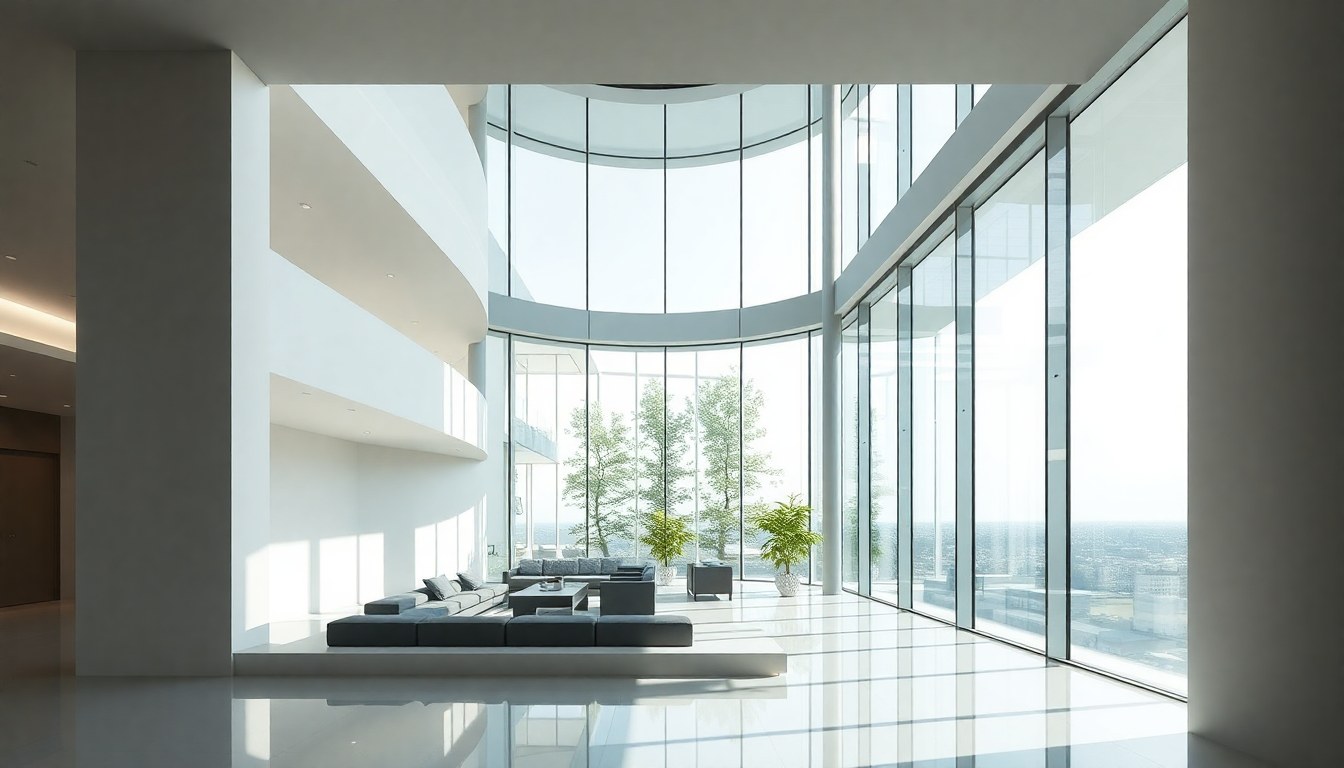
Low-emissivity (Low-E) glass coatings have become a cornerstone of sustainable building design, reflecting infrared radiation while allowing natural light to enter buildings. For architects designing modern facades, understanding Low-E technology is essential to meeting energy codes, reducing operational costs, and creating comfortable interior environments. This deep-dive explores the physics behind Low-E coatings, their thermal performance benefits, and the practical criteria that drive architect specification decisions across Indian commercial and residential projects.
What Is Low-E Glass Coating?
Low-emissivity (Low-E) coating is a microscopically thin layer of metallic or metal-oxide material applied to glass surfaces. This coating is engineered to reduce the amount of infrared (thermal) radiation that passes through glass while maintaining high visible light transmittance. The coating typically measures between 0.1 and 1 micrometer in thickness—so thin that it remains invisible to the naked eye yet profoundly affects thermal performance.
Low-E coatings work by reflecting long-wave infrared energy (heat) back into buildings during winter and back outdoors during summer, depending on the coating type. This selective transmission of light while blocking heat is what makes Low-E glass fundamentally different from ordinary annealed or tinted glass. The technology has been commercially available since the 1980s and is now standard in high-performance building envelopes worldwide.
Types of Low-E Coatings
There are two primary categories of Low-E coatings: hard-coat (pyrolytic) and soft-coat (sputtered). Hard-coat Low-E is applied during the glass manufacturing process at high temperatures, creating a durable, scratch-resistant surface suitable for uninsulated glazing or single-pane applications. Soft-coat Low-E is applied in a vacuum chamber after glass production, offering superior thermal performance but requiring protection in insulated glass units (IGUs). Most modern facade applications use soft-coat technology in double or triple-glazed units because it delivers better U-values (thermal transmittance ratings).
How Low-E Coating Reduces Heat Transfer
The fundamental principle behind Low-E performance lies in the electromagnetic spectrum. Visible light (wavelengths 380–700 nanometers) passes through Low-E coating with minimal obstruction, allowing daylighting to illuminate interiors naturally. However, infrared radiation (wavelengths above 700 nanometers), which carries thermal energy, is reflected by the metallic layer in the coating. In India's hot climate zones, this selective blocking of solar heat gain can reduce cooling loads by 20–30% compared to standard clear glass.
The effectiveness of Low-E coatings is measured by their Solar Heat Gain Coefficient (SHGC) and U-value. SHGC indicates the fraction of solar radiation transmitted through the glass; lower values mean more heat is blocked. U-value measures overall thermal transmittance; lower U-values indicate better insulation. A typical soft-coat Low-E coating in a double-glazed unit might achieve a U-value of 1.4–1.8 W/m²K, compared to 2.8–3.2 W/m²K for standard double glazing without Low-E treatment.
Climate-Specific Coating Selection
Architects must choose Low-E coatings aligned with local climate conditions. In India's cooling-dominated climates (Bangalore, Chennai, Mumbai), low-SHGC coatings are preferred to minimize solar heat gain and reduce air-conditioning demand. In heating-dominated climates (Delhi, Himachal Pradesh), high-SHGC coatings are specified to allow solar heat gain during winter months, reducing heating requirements. This strategic selection directly impacts long-term building operating costs and occupant comfort.
Thermal Performance Benefits for Modern Facades
The thermal advantages of Low-E coatings extend beyond simple heat rejection. In a well-designed facade system, Low-E glass reduces temperature differentials across the glass surface, minimizing thermal stress and the risk of glass breakage from thermal shock. This is particularly important in Indian buildings where exterior temperatures can swing dramatically between day and night, especially in northern regions.
Energy savings from Low-E glazing are quantifiable. A 10,000 m² commercial office building in Mumbai retrofitted with Low-E glass can reduce annual cooling costs by ₹8–12 lakhs, depending on orientation, window-to-wall ratio, and HVAC efficiency. Over a 20-year lifecycle, these savings often justify the 15–25% premium that Low-E glass commands over standard glazing. Building owners increasingly recognize this return on investment, driving architect specification of Low-E coatings in new construction and major renovations.
Condensation Control and Indoor Air Quality
Low-E coatings also improve interior surface temperatures, reducing the likelihood of condensation formation on glass surfaces during cold months or high-humidity conditions. This benefit protects building interiors from moisture-related damage and mold growth, particularly valuable in monsoon-prone regions of India. Additionally, by reducing the need for excessive air conditioning, Low-E glazing can support better indoor air quality through reduced mechanical ventilation demand and lower energy consumption.
Why Architects Specify Low-E Glass for Facades
Modern architects specify Low-E glass for facades based on multiple performance criteria and regulatory drivers. Energy codes and green building standards—including ECBC (Energy Conservation Building Code) compliance in India—increasingly mandate minimum thermal performance for building envelopes. Low-E glazing is the most cost-effective way to meet these requirements without compromising daylighting or views.
Leading architecture firms such as Groove Designs and Matz Design in Mumbai routinely specify Low-E coatings in commercial and mixed-use projects. These practices recognize that Low-E glazing enhances occupant comfort, reduces operational complexity, and delivers measurable sustainability credentials that appeal to institutional investors and corporate tenants.
Architect Selection Criteria
When specifying Low-E glass, architects evaluate several technical and commercial factors:
- Visible Light Transmittance (VLT): Architects aim for VLT above 70% to maximize daylighting and reduce artificial lighting loads, particularly in open-plan office layouts.
- Color Rendering: Low-E coatings can impart a slight green or blue tint; architects select coatings that maintain neutral color appearance, especially for heritage-sensitive projects or retail facades.
- Durability and Maintenance: Soft-coat Low-E requires protection in insulated glass units; architects specify robust frame systems and ensure glazing contractors understand handling protocols.
- Cost-Benefit Analysis: Architects conduct lifecycle cost analysis to justify Low-E premiums, particularly in climates with high cooling or heating demands.
- Acoustic Performance: Low-E coatings are often combined with laminated or acoustic glass to meet noise reduction requirements in high-traffic urban locations.
Firms like DK Architecture Design in Ahmedabad and Artiifice Interior Pvt. Ltd. integrate Low-E specifications into comprehensive facade strategies that balance thermal, optical, and structural requirements across complex building geometries.
Cost Considerations and Market Availability in India
Low-E coated glass carries a premium of 15–30% over standard clear glass, depending on coating type, glass thickness, and order volume. For a typical commercial project, the incremental cost for Low-E glazing might range from ₹200–400 per square meter. While this represents a significant upfront investment, the energy savings and regulatory compliance benefits typically recover the cost within 5–8 years in India's climate zones.
The Indian market for Low-E glass has matured considerably, with major international manufacturers (Saint-Gobain, Pilkington, Guardian) operating production facilities or distribution networks across the country. Domestic suppliers and fabricators increasingly stock Low-E products, improving availability and reducing lead times. However, architects should verify that glazing contractors are certified and experienced in handling soft-coat Low-E, as improper installation can degrade coating performance.
Frequently Asked Questions
What is the difference between hard-coat and soft-coat Low-E glass?
Hard-coat Low-E is applied during high-temperature glass manufacturing and is extremely durable, suitable for single-pane or uninsulated applications. Soft-coat Low-E is applied in a vacuum after manufacturing and offers superior thermal performance but must be protected within insulated glass units. For modern facades, soft-coat Low-E in double or triple glazing delivers the best thermal efficiency.
How much energy can Low-E glass save in Indian buildings?
Energy savings depend on climate, orientation, and building type. In cooling-dominated climates like Mumbai or Bangalore, Low-E glazing can reduce annual cooling costs by 20–30%. In mixed climates like Delhi, savings typically range from 15–25%. Actual savings should be calculated using energy modeling software specific to the building's location and design.
Does Low-E coating affect natural light transmission?
No. Modern Low-E coatings maintain visible light transmittance above 70%, preserving daylighting quality and views. The coating selectively blocks infrared radiation while allowing visible light to pass through, so occupants experience minimal optical difference compared to standard glass.
Is Low-E glass suitable for all building orientations?
Low-E glass is beneficial for all orientations, but coating selection matters. South and west-facing facades in hot climates benefit from low-SHGC coatings that minimize solar heat gain. North-facing facades and buildings in cooler climates may specify higher-SHGC coatings to capture beneficial solar heat. Architects should conduct solar analysis to optimize coating selection for each facade direction.
How should architects specify Low-E glass in contract documents?
Architects should specify Low-E coating type (hard or soft), target U-value, SHGC range, visible light transmittance minimum, color/tint preference, and the insulated glass unit configuration (double or triple glazing). Including performance test reports and requiring contractor certification ensures proper installation and performance verification.
Conclusion
Low-E glass coatings represent a mature, cost-effective technology for achieving high-performance building facades in India. By selectively blocking infrared radiation while transmitting visible light, Low-E coatings reduce thermal loads, lower operating costs, and enhance occupant comfort. Architects designing modern facades—whether commercial offices, residential towers, or institutional buildings—should evaluate Low-E specifications as a core component of their thermal and daylighting strategies.
Ready to specify Low-E glass for your next facade project? Browse certified glass suppliers, architects, and glazing contractors on glassy.in, India's largest glass-business directory. Connect with specialists who understand Low-E technology and can deliver high-performance glazing systems tailored to your project's climate, budget, and design vision.