
Glass Railings
Laminated Glass vs Toughened Glass for Balcony Railings: Safety & Cost Analysis
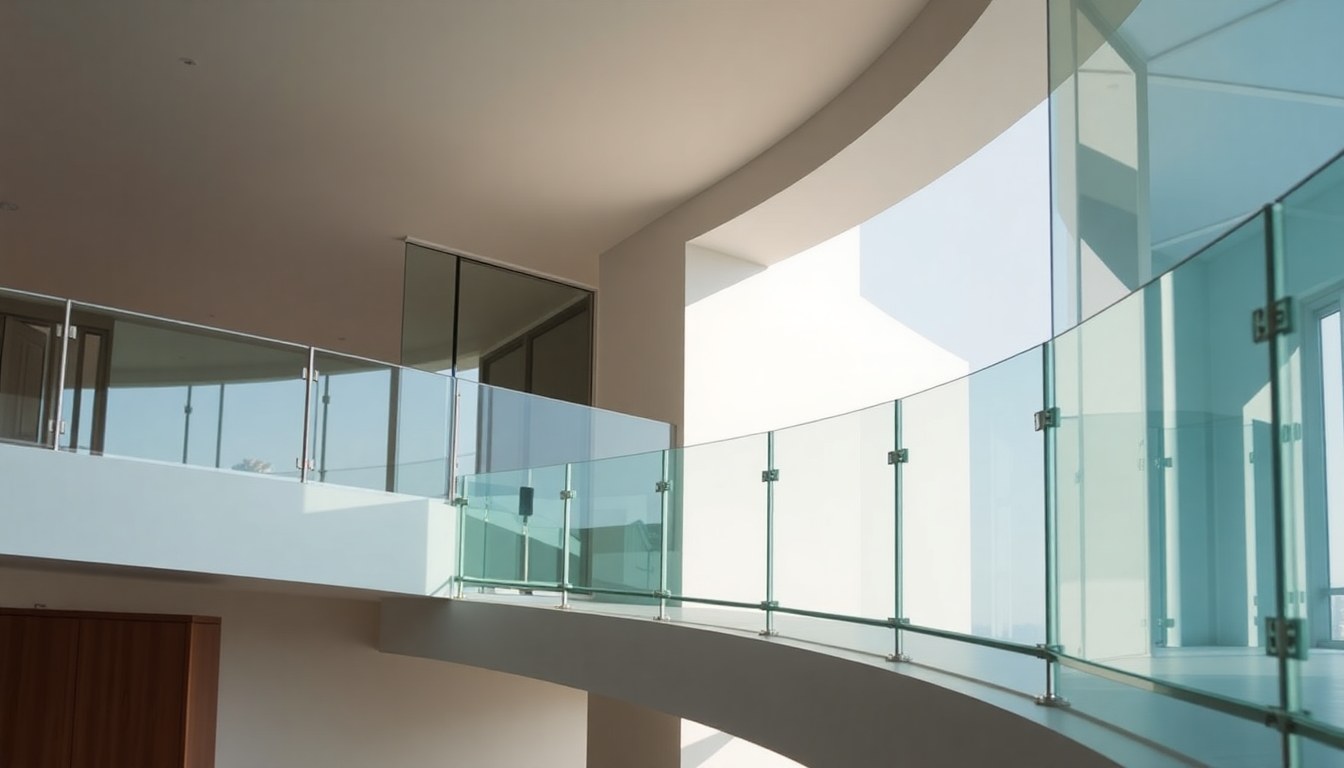
When securing your balcony with glass railings, the choice between laminated and toughened glass significantly impacts safety, durability, and long-term maintenance costs. Both options meet Indian building codes, but they perform differently under impact, weather stress, and aging. Understanding these differences helps you make an informed decision that protects your family while delivering value for your investment.
Understanding Laminated Glass for Balcony Railings
Laminated glass consists of two or more glass panes bonded together with a polyvinyl butyral (PVB) or ethylene vinyl acetate (EVA) interlayer. When impact occurs, the glass may crack, but the interlayer holds the fragments together, preventing sharp pieces from scattering. This safety feature makes laminated glass particularly valuable in high-traffic residential areas where accidental impacts are common.
In Indian homes, laminated glass railings offer excellent protection against breakage from children playing, pets running, or objects falling from upper floors. The interlayer also provides sound dampening, reducing external noise by 30-40%, which is beneficial in busy urban areas like Mumbai, Bangalore, and Delhi. Additionally, laminated glass blocks up to 99% of UV rays, protecting your interiors from sun damage while maintaining visibility.
Key Advantages of Laminated Glass
- Safety on impact: Fragments remain bonded to the interlayer, eliminating dangerous sharp glass pieces
- Noise reduction: Interlayer dampens external sounds effectively
- UV protection: Blocks harmful ultraviolet radiation, preserving furniture and flooring
- Security: Harder to break through deliberately, providing burglary resistance
- Privacy options: Available with tinted or frosted interlayers for aesthetic control
Disadvantages of Laminated Glass
- Higher initial cost: Typically 40-60% more expensive than standard toughened glass
- Visible interlayer: May show a slight haze or color tint depending on the PVB used
- Repair complexity: Entire panel usually requires replacement if the interlayer is compromised
- Heavier weight: Requires stronger support structures and installation expertise
Understanding Toughened Glass for Balcony Railings
Toughened glass, also called tempered glass, undergoes a thermal treatment process that creates internal stress. The outer surfaces cool rapidly while the core remains hot, resulting in a glass that is 4-5 times stronger than standard annealed glass. When toughened glass breaks, it shatters into small, relatively harmless granules rather than sharp shards, making it inherently safer for railings.
Toughened glass is the most commonly used material for balcony railings across India because it offers excellent strength-to-cost efficiency. It withstands temperature fluctuations common in Indian climates—from scorching summer heat to cool winter mornings—without cracking. The thermal tempering process makes it ideal for outdoor applications where weather extremes are inevitable.
Key Advantages of Toughened Glass
- Cost-effective: 30-50% cheaper than laminated glass for equivalent thickness
- High strength: Resists impact, wind pressure, and thermal stress effectively
- Crystal clarity: No visible interlayer or optical distortion
- Easy maintenance: Simple cleaning with standard glass cleaners
- Lightweight: Easier installation and less structural load on buildings
- Weather resistant: Handles Indian monsoons, humidity, and temperature swings
Disadvantages of Toughened Glass
- No post-breakage safety: Once broken, it shatters completely into granules
- Cannot be cut after tempering: Must be cut to size before thermal treatment
- Spontaneous breakage risk: Rare but possible due to nickel sulfide inclusions in the glass
- No sound dampening: Provides minimal noise reduction compared to laminated options
- No UV blocking: Standard toughened glass doesn't filter ultraviolet radiation
Safety Performance Comparison
Both laminated and toughened glass meet Indian Standard IS 2553 for safety glass requirements. However, their safety mechanisms differ fundamentally. Laminated glass prevents glass fragments from falling freely, making it ideal for homes with young children or elderly family members who might be injured by sharp edges. Toughened glass shatters into small, blunt granules that are less likely to cause deep cuts, but fragments still scatter and can cause minor injuries.
For balcony railings specifically, toughened glass is generally preferred because the granular breakage pattern is less hazardous when fragments fall into open space. Laminated glass becomes the better choice if your railing faces an interior living space where falling glass could injure people below. In high-rise apartments in cities like Hyderabad, Pune, and Kolkata, building codes often specify the type of glass based on the railing's location and orientation.
Weather Resistance and Durability in Indian Climates
India's diverse climate presents unique challenges for balcony railings. Coastal areas experience salt spray corrosion, tropical regions endure heavy monsoon rains, and inland cities face extreme temperature variations. Toughened glass performs exceptionally well in these conditions because the tempering process strengthens the entire glass structure uniformly. It resists thermal shock from sudden temperature changes—such as hot sun followed by monsoon rains—without cracking.
Laminated glass also performs well in Indian weather, but the interlayer requires attention. Over 10-15 years, exposure to intense UV radiation and humidity can degrade PVB interlayers, causing yellowing or delamination. Premium EVA interlayers offer better UV and moisture resistance, extending the lifespan to 20-25 years. For coastal properties in Mumbai, Goa, or Chennai, upgrading to laminated glass with UV-resistant interlayers is a wise investment.
Maintenance Requirements
Toughened glass: Requires only regular cleaning with mild soap and water. Avoid abrasive cleaners that can scratch the surface. Annual inspection for micro-cracks is recommended, though these are rare.
Laminated glass: Needs the same cleaning routine but benefits from UV-protective coatings applied every 2-3 years to preserve the interlayer. Check seal joints annually to prevent moisture ingress between the glass and frame.
Cost Analysis and Long-Term Value
Initial material costs vary significantly. For a standard 10mm glass balcony railing measuring 2 meters × 1.2 meters, toughened glass costs approximately ₹8,000-12,000, while laminated glass ranges from ₹14,000-20,000. Installation costs are similar for both, adding ₹3,000-5,000 depending on your location and structural complexity.
Long-term costs tell a different story. Toughened glass requires minimal maintenance—occasional cleaning and minor repairs. Laminated glass, while more durable in breakage scenarios, demands periodic interlayer maintenance and potential full replacement after 15-20 years if the interlayer degrades. However, if a toughened glass panel shatters due to impact or spontaneous breakage, replacement costs are identical to initial installation. Laminated glass's superior durability can offset its higher upfront cost over 25+ years.
Cost Breakdown Example
- Toughened glass: ₹8,000-12,000 (material) + ₹3,000-5,000 (installation) = ₹11,000-17,000 initial; ₹500/year maintenance
- Laminated glass: ₹14,000-20,000 (material) + ₹3,000-5,000 (installation) = ₹17,000-25,000 initial; ₹1,500/year maintenance
- 25-year total (toughened): ₹11,000-17,000 + (₹500 × 25) + one replacement (~₹14,000) = ₹40,500-56,000
- 25-year total (laminated): ₹17,000-25,000 + (₹1,500 × 25) = ₹54,500-62,500
Choosing the Right Glass for Your Balcony
Select toughened glass if your budget is limited, you live in an area with extreme weather, and your railing faces open space. It's ideal for apartments in Bangalore, Delhi, and other cities where cost-effectiveness matters. Choose this option if your building code permits it and you prioritize ease of maintenance.
Select laminated glass if safety is your absolute priority, you have young children or elderly family members, and your railing overlooks an interior living space. It's worth the premium in high-rise buildings where falling glass poses risks to people below. Choose this option if you value sound reduction and UV protection, or if you live in a coastal area where durability justifies the higher investment.
Consult your building's structural engineer or a certified glass supplier to confirm which option meets local building codes. In metro cities, building bye-laws often specify requirements based on height and occupancy type.
Frequently Asked Questions
Can toughened glass spontaneously break on its own?
Yes, though it's rare. Spontaneous breakage occurs when tiny nickel sulfide inclusions in the glass expand due to temperature changes, creating internal stress. Modern manufacturing has reduced this risk to less than 1 in 10,000 panes. High-quality glass from reputable manufacturers in India significantly lowers this probability.
Is laminated glass worth the extra cost for a balcony railing?
It depends on your priorities. If safety, noise reduction, and UV protection are important, laminated glass justifies its 40-60% premium. For budget-conscious homeowners in low-risk situations, toughened glass offers excellent value. Consider your family's needs, building location, and local climate when deciding.
How long does each type of glass last on a balcony?
Toughened glass typically lasts 20-30 years with minimal maintenance. Laminated glass lasts 15-25 years depending on interlayer quality and UV exposure. In harsh coastal climates, both may require replacement sooner. Regular maintenance extends lifespan for both types.
Which glass is better for noise reduction?
Laminated glass is significantly better for soundproofing due to its interlayer, reducing noise by 30-40%. Toughened glass offers minimal sound dampening. If you live near busy roads or airports, laminated glass is the better choice despite higher costs.
Can I install either type of glass myself?
Both types require professional installation due to their weight, precision fitting, and structural requirements. Improper installation compromises safety and voids warranties. Always hire certified glass installers familiar with Indian building codes and local climate conditions.
Ready to upgrade your balcony with the right glass railing? Browse trusted glass suppliers and installers in your city on glassy.in, India's largest glass-business directory. Compare quotes, read reviews, and connect with certified professionals who deliver quality and safety.