
Glass Railings
Laminated Glass vs Toughened Glass for Balcony Railings: Strength & Cost
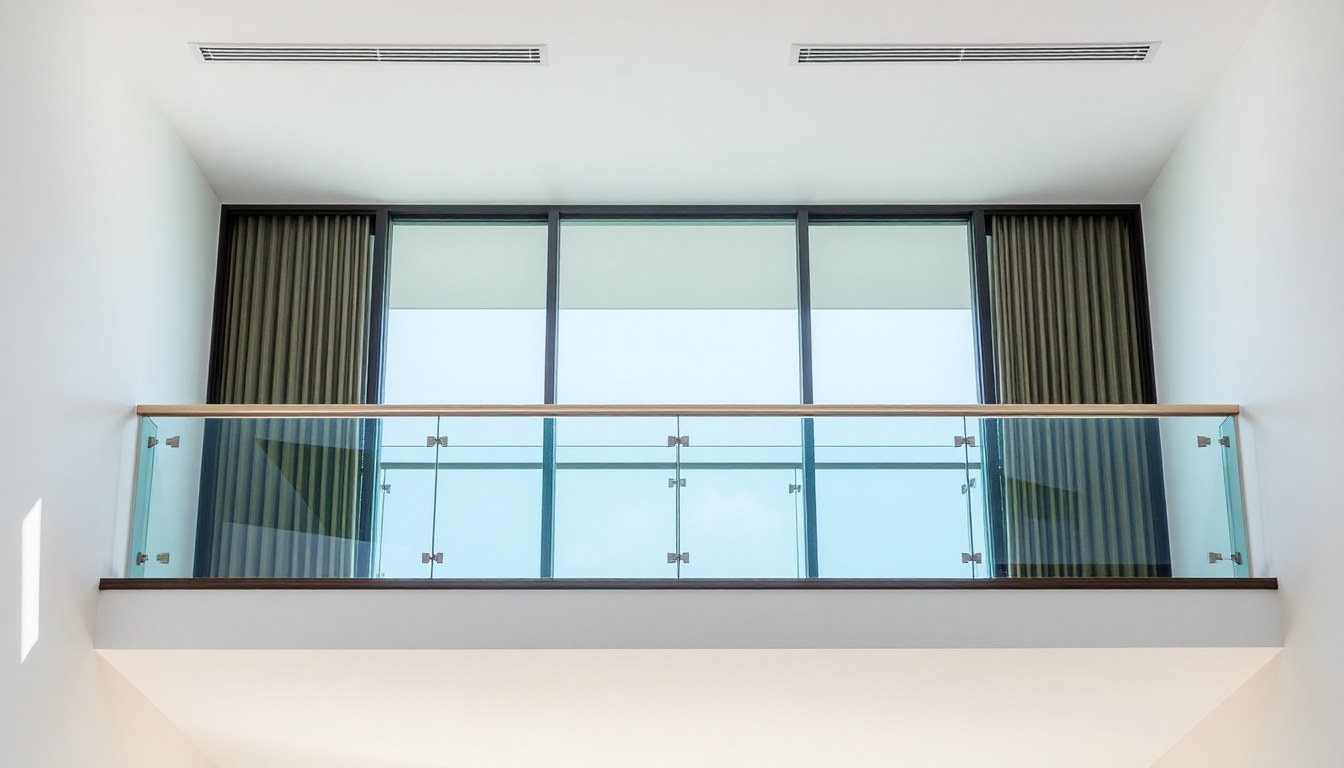
When upgrading your balcony with glass railings, you'll face a critical choice: laminated or toughened glass. Both offer safety and durability, but they perform very differently under impact and carry distinct price tags. Understanding these differences will help you select the right material for your home's specific needs and budget.
What Is Toughened Glass and How Does It Work?
Toughened glass, also called tempered glass, undergoes a specialized heat-treatment process that strengthens it significantly. The glass is heated to around 650°C and then rapidly cooled, creating internal stress that makes it much harder to break than ordinary annealed glass. This process increases its strength by 4 to 5 times compared to standard glass of the same thickness.
The real advantage of toughened glass reveals itself when it does break. Instead of shattering into dangerous sharp shards, it crumbles into small, relatively harmless granules. This safety feature makes it ideal for railings where people lean against the glass or where children might be present. In India, toughened glass is widely available and manufactured by companies across metros like Delhi, Mumbai, Bangalore, and Chennai.
Understanding Laminated Glass and Its Unique Properties
Laminated glass consists of two or more glass panes bonded together with a tough plastic interlayer, typically made of polyvinyl butyral (PVB). When laminated glass breaks, the plastic layer holds the glass pieces together, preventing them from scattering. This makes it extremely safe because there's no risk of sharp fragments falling or injuring someone.
The interlayer also provides sound dampening and UV protection, making laminated glass useful not just for safety but also for noise reduction and sun control. While laminated glass is stronger than standard annealed glass, it's not as hard as toughened glass—but its post-breakage safety characteristics are superior. The glass may crack, but it won't shatter, and the plastic layer keeps everything contained.
Impact Resistance: Which Glass Wins?
Toughened Glass Impact Performance
Toughened glass excels at resisting initial impact. Its hardened surface can withstand significant force from objects, accidental bumps, or even deliberate strikes. For balcony railings in high-traffic areas or homes with active children and pets, this initial strength is valuable. However, once the threshold for breakage is exceeded, the glass fails completely and rapidly.
The granulation pattern means the entire pane shatters at once, which is actually a safety feature—there's no prolonged weakening or partial failure. You'll know immediately that the glass needs replacement.
Laminated Glass Impact Performance
Laminated glass absorbs impact energy differently. The plastic interlayer acts as a shock absorber, distributing force across the entire pane. This means it can withstand repeated impacts or sustained pressure better than toughened glass. If struck hard, laminated glass will crack, but the cracks won't propagate into a complete failure—the plastic holds everything together.
For balcony railings, this characteristic means the railing remains functional even after damage, providing an additional safety margin before replacement becomes necessary. This is particularly valuable in areas prone to storms, high winds, or where impact is more likely.
Safety After Breakage: The Critical Difference
This is where the two materials diverge most significantly. Toughened glass breaks into small, relatively blunt granules that won't cut skin deeply, but they can still cause minor injuries if someone falls into the broken area. The main advantage is the absence of large, razor-sharp shards that characterize ordinary glass breakage.
Laminated glass provides superior post-breakage safety. The plastic interlayer holds all glass fragments in place, whether the glass is cracked or completely shattered. Even if someone falls against a broken laminated glass railing, they won't encounter loose glass pieces—the plastic layer prevents any fragments from separating. This makes laminated glass the clear winner for safety in high-risk scenarios, such as homes with young children, elderly residents, or areas where falls are a concern.
Building codes in many Indian cities, including Mumbai and Bangalore, increasingly favor laminated glass for balcony railings specifically because of this superior post-breakage safety profile.
Cost Comparison: Pricing in the Indian Market
Toughened glass is generally more affordable than laminated glass. In India, toughened glass for balcony railings typically costs between ₹800 to ₹1,500 per square meter, depending on thickness (usually 10-12mm for railings) and your location. Prices vary across cities, with metropolitan areas like Delhi and Mumbai commanding slightly higher rates than tier-2 cities.
Laminated glass costs considerably more, ranging from ₹1,800 to ₹3,500 per square meter for similar specifications. The additional cost reflects the manufacturing complexity—bonding multiple panes with the PVB interlayer requires specialized equipment and quality control. A typical 3-meter balcony railing requiring about 5-6 square meters of glass would cost approximately ₹4,000–₹9,000 for toughened glass versus ₹9,000–₹21,000 for laminated glass.
Installation costs are similar for both types, typically ranging from ₹200 to ₹500 per square meter, so the material cost is the primary budget differentiator. While laminated glass costs more upfront, some homeowners view it as an investment in superior long-term safety.
Durability and Maintenance Considerations
Both toughened and laminated glass are durable when properly installed and maintained. Toughened glass requires standard glass cleaning—water, mild detergent, and a soft cloth work well. It doesn't degrade over time, and its strength remains constant throughout its lifespan, which typically exceeds 20-30 years for balcony railings.
Laminated glass also lasts 20-30 years or longer, but the interlayer can occasionally develop minor discoloration or slight separation at the edges over decades of exposure to heat and UV. This doesn't affect safety but may become visible in certain lighting. Regular cleaning prevents buildup that could accelerate any edge degradation. The plastic interlayer also provides better UV protection, so colors and furnishings behind the railing fade less quickly.
Neither type requires special treatments or coatings for balcony use. Both resist moisture, temperature fluctuations, and the environmental stresses common in Indian climates, from coastal salt air to intense summer heat and monsoon rains.
Which Should You Choose for Your Balcony?
Choose toughened glass if your priorities are budget, initial impact strength, and simplicity. It's ideal for:
- Budget-conscious renovations where cost is the primary concern
- Homes without young children or elderly residents
- Balconies in areas with low foot traffic or minimal risk of impact
- Commercial properties where aesthetics and cost-efficiency matter equally
Choose laminated glass if safety is your top priority and you can accommodate the higher cost. It's better suited for:
- Homes with young children or elderly family members
- High-rise apartments where falls pose serious risks
- Balconies in storm-prone regions or areas with high wind exposure
- Properties where sound dampening and UV protection add value
- Homes where the railing might experience repeated impacts or stress
Many architects and builders in India's premium residential segments now recommend laminated glass for balcony railings as a standard safety upgrade, even though toughened glass meets building codes.
Frequently Asked Questions
Can toughened glass be cut or modified after manufacturing?
No, toughened glass cannot be cut, drilled, or reshaped after the tempering process. Any attempt to cut or drill it will cause the entire pane to shatter due to the internal stress release. This means all modifications must be planned before tempering, which can increase manufacturing lead times. Laminated glass can be cut, but only by specialized glass professionals, and cutting will expose the interlayer.
Is laminated glass heavier than toughened glass?
Laminated glass is slightly heavier because it consists of multiple panes plus the plastic interlayer. For a 12mm toughened pane, weight is around 30 kg per square meter. A 12mm laminated glass (typically 6mm + 6mm with PVB) weighs approximately 25-28 kg per square meter. The difference is minimal and rarely affects balcony railing installation, as both are well within structural limits.
Which glass option is better for noise reduction?
Laminated glass provides noticeable sound dampening due to the plastic interlayer, which absorbs sound vibrations. If your balcony faces a busy road or railway line, laminated glass can reduce noise by 5-10 decibels depending on thickness. Toughened glass offers no sound reduction benefits beyond standard glass. If noise control is important, laminated glass is the better choice.
Do building codes in India require laminated or toughened glass for balcony railings?
Most Indian building codes, including the National Building Code (NBC), permit both toughened and laminated glass for balcony railings, provided the glass meets safety standards and thickness requirements (typically 10-12mm minimum). However, some municipal corporations and premium residential societies specify laminated glass for added safety. Always check your local building department's requirements before finalizing your choice.
What is the typical lifespan of laminated glass interlayers?
The PVB interlayer in quality laminated glass typically lasts 20-30 years or longer without degradation that affects safety. In extreme conditions—such as constant direct sunlight or very high temperatures—minor discoloration or slight edge separation may occur after 25+ years, but the safety function remains intact. Using UV-protective coatings or installing the railing with proper shading can extend interlayer longevity.
Make Your Balcony Railing Decision with Confidence
Both toughened and laminated glass offer valid solutions for balcony railings, each with distinct advantages. Toughened glass delivers cost savings and strong initial impact resistance, while laminated glass provides superior post-breakage safety and durability under repeated stress. Your choice should reflect your budget, safety priorities, and local building requirements. Browse verified glass suppliers and manufacturers in your city on glassy.in, India's largest glass-business directory, to compare quotes and find trusted professionals for your balcony railing project.