
Glass Railings
Laminated Glass vs Toughened Glass for Balcony Railings: Safety & Cost
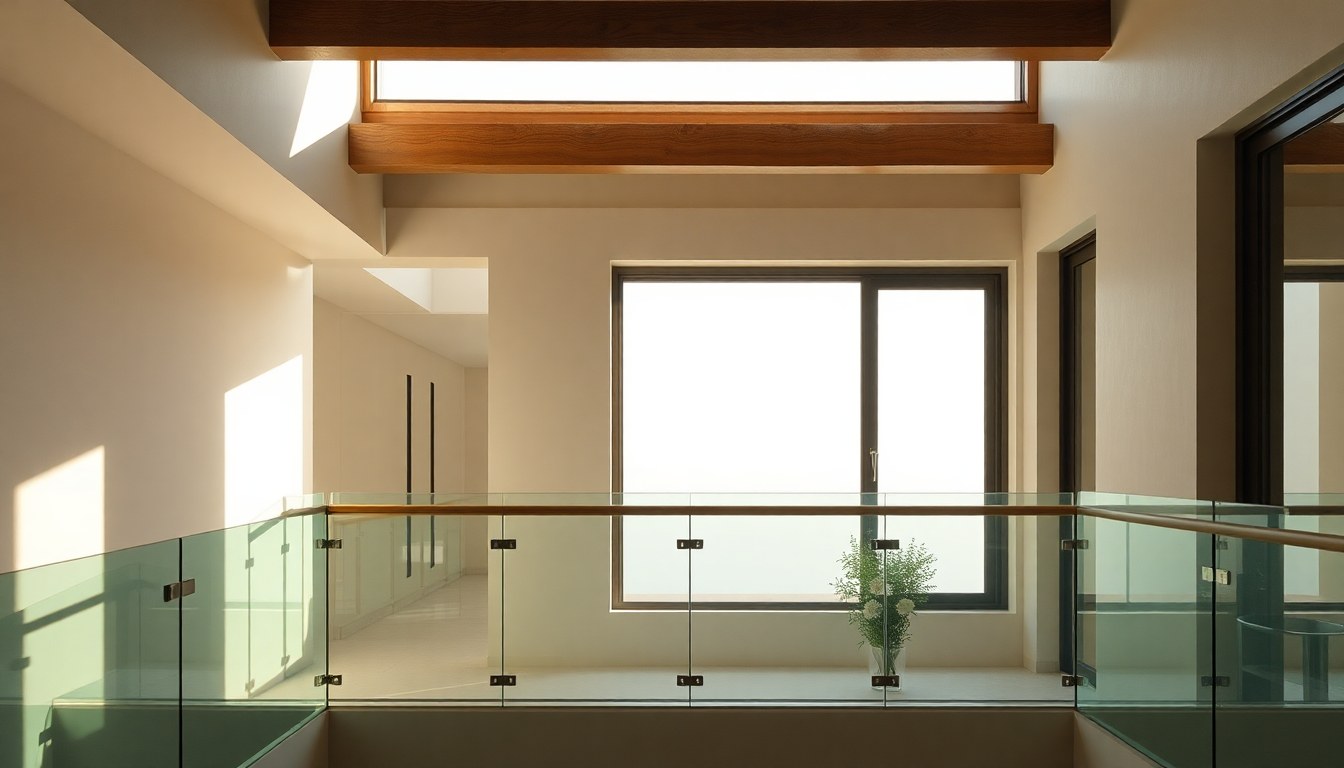
When upgrading or installing balcony railings, the choice between laminated and toughened glass significantly impacts both safety and long-term expenses. Both materials meet Indian building standards but behave differently under impact, environmental stress, and aging. Understanding their distinct advantages helps you make an informed decision that balances protection, durability, and budget.
Understanding Laminated Glass
Laminated glass consists of two or more glass panes bonded together with a polyvinyl butyral (PVB) interlayer. When impact occurs, the glass may crack, but the interlayer holds the fragments in place, preventing them from scattering. This adhesive layer is the key differentiator that makes laminated glass safer in high-traffic areas and homes with children or elderly residents.
The interlayer also provides acoustic insulation and blocks ultraviolet (UV) rays, which means balcony railings made from laminated glass reduce external noise and protect interior furnishings from sun damage. Over time, the PVB layer can slightly yellow, but modern formulations minimize this effect. Laminated glass is heavier than toughened glass and requires stronger support structures, which may increase installation costs.
Advantages of Laminated Glass
- Fragments remain bonded to the interlayer, reducing injury risk
- Better sound dampening for high-noise environments
- UV protection extends furniture and floor lifespan
- Provides a degree of security against break-ins
- Maintains visibility even after cracking
Disadvantages of Laminated Glass
- Higher initial cost compared to toughened glass
- Heavier, requiring reinforced frames and support
- Interlayer can degrade with prolonged UV exposure
- Repairs are expensive; usually requires full panel replacement
- Takes longer to install due to weight and handling requirements
Understanding Toughened Glass
Toughened glass, also called tempered glass, undergoes a thermal treatment process that creates internal stress. The outer surfaces cool rapidly while the interior remains hot, creating a state of compression. This process makes toughened glass approximately four to five times stronger than annealed glass of the same thickness. When toughened glass breaks, it shatters into small, relatively harmless granules rather than sharp shards.
This behavior makes toughened glass ideal for balcony railings where impact resistance is essential. The granular breakage pattern reduces the risk of deep cuts or lacerations. Toughened glass is lighter than laminated glass, simplifying installation and reducing structural load on the building. However, once tempered, the glass cannot be cut, drilled, or altered without losing its tempered properties.
Advantages of Toughened Glass
- Four to five times stronger than standard glass
- Shatters into small, safe granules upon breakage
- Lighter weight reduces installation complexity
- Lower initial cost than laminated alternatives
- Excellent thermal shock resistance
- Requires less structural reinforcement
Disadvantages of Toughened Glass
- Cannot be cut, drilled, or modified after tempering
- Spontaneous breakage can occur due to nickel sulfide inclusions (rare but possible)
- Offers no UV protection
- Provides minimal sound insulation
- No fragment retention; complete panel loss upon breakage
Safety Performance and Indian Building Codes
India's National Building Code (NBC) 2016 mandates specific safety requirements for glass railings in residential and commercial buildings. Both laminated and toughened glass are approved materials, but their application depends on building height, occupancy type, and location. For balconies above ground level, the code requires impact-resistant glass with a minimum thickness of 8mm or appropriate lamination.
The Bureau of Indian Standards (BIS) has established IS 2553 for safety requirements of toughened glass and IS 2553-1 for laminated glass. Both standards ensure that the glass can withstand human impact without catastrophic failure. In high-rise residential buildings, especially those in seismic zones, laminated glass is often preferred because fragment retention prevents injury to people below. However, in low-rise buildings and areas with lower foot traffic, toughened glass meets code requirements at a lower cost.
Seismic Considerations
India experiences significant seismic activity in zones III, IV, and V (as per NBC 2016). In these regions, laminated glass provides an additional safety margin because the interlayer prevents complete panel failure during ground movement. Toughened glass, while strong, offers no protection against shattering during lateral forces. Architects and builders in Delhi, Mumbai, Bangalore, and Hyderabad increasingly specify laminated glass for balcony railings in earthquake-prone areas.
Cost Comparison and Budget Considerations
Pricing for balcony railing glass varies significantly based on thickness, size, customization, and location within India. As of 2024, toughened glass typically costs between ₹400 to ₹800 per square meter, while laminated glass ranges from ₹800 to ₹1,500 per square meter. For a standard 2-meter balcony with 1.2 meters of railing height, toughened glass installation might cost ₹4,000 to ₹8,000, whereas laminated glass could range from ₹8,000 to ₹15,000.
Beyond material cost, consider installation expenses. Toughened glass requires less structural work but demands precision in pre-fabrication. Laminated glass needs stronger frames and careful handling during installation, which may add 20 to 30 percent to labor costs. Long-term maintenance is another factor: toughened glass requires only regular cleaning, while laminated glass interlayers may need inspection for delamination or discoloration after 10 to 15 years.
Hidden Costs to Consider
- Structural reinforcement for heavier laminated panels
- Custom fabrication charges for non-standard sizes
- Installation labor (laminated glass requires more skilled workers)
- Future replacement costs (laminated glass panels are more expensive to replace)
- Maintenance and inspection fees over the building's lifespan
Choosing the Right Option for Your Balcony
The decision between laminated and toughened glass depends on your specific needs, building characteristics, and budget. Choose laminated glass if your building is in a high-rise location, a seismic zone, or an area with heavy foot traffic. It's also ideal for homes with young children, elderly residents, or pets where additional safety is a priority. If your balcony overlooks a public area or street, laminated glass prevents fragments from falling and causing injury to people below.
Choose toughened glass if you have a low-rise building, limited budget, and low-traffic balcony usage. It's suitable for buildings in low-seismic zones and areas where UV protection and sound insulation are not critical concerns. Toughened glass works well for commercial establishments, offices, and residential buildings where cost efficiency is paramount and safety requirements are met through other architectural features.
Installation Best Practices
Regardless of which material you select, ensure that installation follows BIS standards and local municipal building codes. Hire certified installers with experience in glass railing systems. Verify that the glass thickness, frame material (typically aluminum or stainless steel), and fixing hardware meet NBC 2016 specifications. Request a compliance certificate from the installer confirming adherence to safety standards.
Maintenance and Longevity
Both laminated and toughened glass require minimal maintenance, primarily regular cleaning with mild detergent and water. Avoid abrasive cleaners or sharp tools that might scratch the surface. For laminated glass, inspect the interlayer annually for signs of delamination, bubbling, or discoloration. Toughened glass has no interlayer but should be checked for cracks or chips that could compromise its structural integrity.
Toughened glass typically lasts 20 to 30 years without degradation, while laminated glass may require interlayer replacement after 15 to 20 years depending on environmental exposure and UV intensity. In India's tropical and subtropical climates, UV exposure accelerates interlayer aging, so laminated glass in southern cities like Bangalore, Chennai, and Hyderabad may need earlier inspection than in cooler regions.
Frequently Asked Questions
Can laminated glass be used in place of toughened glass for balcony railings?
Yes, laminated glass can replace toughened glass and often provides superior safety due to fragment retention. However, it's heavier and more expensive. Both materials comply with Indian building codes when properly installed, but your choice should align with your building's structural capacity, location, and safety requirements.
What is the typical lifespan of laminated and toughened glass railings?
Toughened glass railings typically last 20 to 30 years with proper maintenance. Laminated glass railings can last 15 to 20 years before the interlayer may require inspection or replacement. The actual lifespan depends on climate conditions, UV exposure, and maintenance practices.
Is toughened glass safe if it spontaneously breaks?
Yes, toughened glass is designed to shatter into small, blunt granules rather than sharp shards, which minimizes injury risk. Spontaneous breakage due to nickel sulfide inclusions is extremely rare in modern glass manufacturing. Even if it occurs, the granular pattern is far safer than the sharp fragments produced by annealed or laminated glass.
Which glass type is better for earthquake-prone areas in India?
Laminated glass is generally preferred in seismic zones (III, IV, and V per NBC 2016) because the interlayer holds fragments together during lateral movement, preventing complete panel failure and injury to occupants or people below. Toughened glass, while strong, offers no protection against shattering during earthquakes.
Can I customize the size or shape of glass railings after tempering or laminating?
Toughened glass cannot be cut, drilled, or altered after the tempering process. All customization must occur before tempering. Laminated glass can be cut before lamination, but post-lamination modifications are difficult and expensive. Always finalize dimensions and requirements before manufacturing to avoid costly rework.
Conclusion
Both laminated and toughened glass offer reliable safety solutions for balcony railings, each with distinct advantages. Laminated glass excels in safety, sound insulation, and UV protection but demands higher investment and structural support. Toughened glass provides excellent impact resistance at a lower cost and lighter weight, making it ideal for budget-conscious projects. Your final choice should reflect your building's location, seismic risk, occupancy patterns, and long-term maintenance capacity.
Ready to upgrade your balcony railings with the right glass solution? Explore certified glass manufacturers and installers on glassy.in, India's largest glass-business directory. Connect with verified suppliers in your city, compare quotes, and find products that meet your safety and budget requirements.