
Glass earns its place in an Indian kitchen because it wipes clean. A back-painted or printed glass backsplash has no grout lines for oil and masala to sit in, and glass shutters keep a small kitchen feeling open instead of boxed in. Tell us what you are planning and we will connect you with 2–3 verified glass professionals in your city within one business day.
What goes where
The pieces of glass this room usually calls for, and what to ask for on each.
Back-painted glass backsplash
One sheet of 5–6mm lacquered glass behind the platform, cut around the switch boards and chimney — no joints, so daily splatter comes off with a damp cloth.
Printed-glass backsplash
The same panel with a UV-printed design on the back face, so the pattern sits behind the glass and cannot be scrubbed off.
Browse designs →Aluminium-profile glass shutters
Slim aluminium frames holding lacquered or fluted glass fronts — lighter than solid shutters and far easier to keep clean than high-gloss laminate.
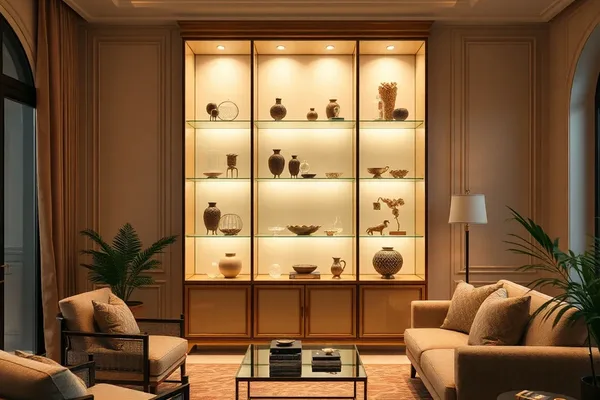
Find fabricators →Crockery unit in low-iron glass
Low-iron (extra-clear) glass has none of the green tint of ordinary float, so what is inside the unit actually looks the colour it is.
Kitchen–dining glass partition
A toughened glass screen between kitchen and dining keeps cooking noise and smells on one side while the two rooms still read as one space.
Thickness guide →Designs for your kitchen
Tap a design to attach it to your enquiry.
Photographs of completed work supplied by Vetrova Interni. Whichever design you pick, your quote comes from pros in your own city.
See who builds this in your city
Leave your number and we’ll connect you with 2–3 pros in your city who build this, within 1 business day. No cost, no obligation.
Prefer to chat? Message us on WhatsApp
Pick a backsplash print
The print sits on the back face of the glass, so it cannot be scrubbed off. Any of these can be made to your panel size.






See it in motion
Short clips showing how the glass behaves in a real room — light, reflection, and how much it opens the space up.
Tap one and it loads from YouTube.
See a design in the room first
The Glassy Visualizer puts a pattern or finish onto a kitchen scene so you can judge it at full size instead of from a thumbnail. Free, no sign-up, and the result is something concrete to show whoever quotes the job.
Try the visualizer →Planning a budget? Indicative prices: Glass price guide.
Common questions
Is a glass backsplash a good idea in an Indian kitchen?
It is one of the few surfaces that survives daily Indian cooking without staining, because there are no grout lines for oil and masala to settle into. The two things to get right are the cutouts and the wall. Every hole — switch board, chimney duct, water outlet — must be marked before the glass is toughened, since nothing can be cut afterwards; and the panel is siliconed onto the wall, so an uneven or damp wall has to be sorted out first.
What thickness of glass is used behind a kitchen platform?
5mm or 6mm back-painted (lacquered) glass is the norm for a wall-mounted backsplash. The wall carries the load, so thickness is about staying flat and resisting knocks rather than strength — 6mm is the safer choice on a long single panel or a slightly uneven wall. The stretch directly behind the hob is the exception and should be toughened.
Will the glass behind my gas stove crack from the heat?
Toughened glass will not. It handles the temperature difference across a panel far better than ordinary float or plain lacquered glass, which can crack from exactly that stress. Keep the clearance your hob manual specifies between burner and panel, and never run a non-toughened lacquered panel behind an open flame. A common cost-saving is toughened glass only for the hob stretch and standard lacquered glass elsewhere.
How do I clean and maintain kitchen glass?
Warm water with a drop of dishwashing liquid and a microfibre cloth, ideally right after cooking while the splatter is still soft. Skip abrasive scrub pads, blades and strong alkaline cleaners, especially near the exposed edges where the backing paint is vulnerable. The paint sits on the rear face, so the surface you are wiping is plain glass and does not wear thin over the years.
Why do two quotes for the same kitchen glass differ so much?
Usually toughening, the number and accuracy of cutouts, low-iron versus ordinary float, printing, and edge finish — roughly in that order. Site conditions add to it: an out-of-plumb wall needs packing, and glass that has to be carried up a stairwell without a lift costs more to deliver. Read the indicative ranges in the Glassy glass price guide first, so you can tell whether a number is in the right neighbourhood before you start comparing.
Read next
Ready to get quotes?
Tell us what you’re planning and your city — we’ll connect you with 2–3 verified pros who do this work, free and with no obligation.
Get a free quotation →