
IGU (Insulated Glass Units)
IGU Glass vs Triple Glazing: Energy Efficiency Comparison for Indian Climates
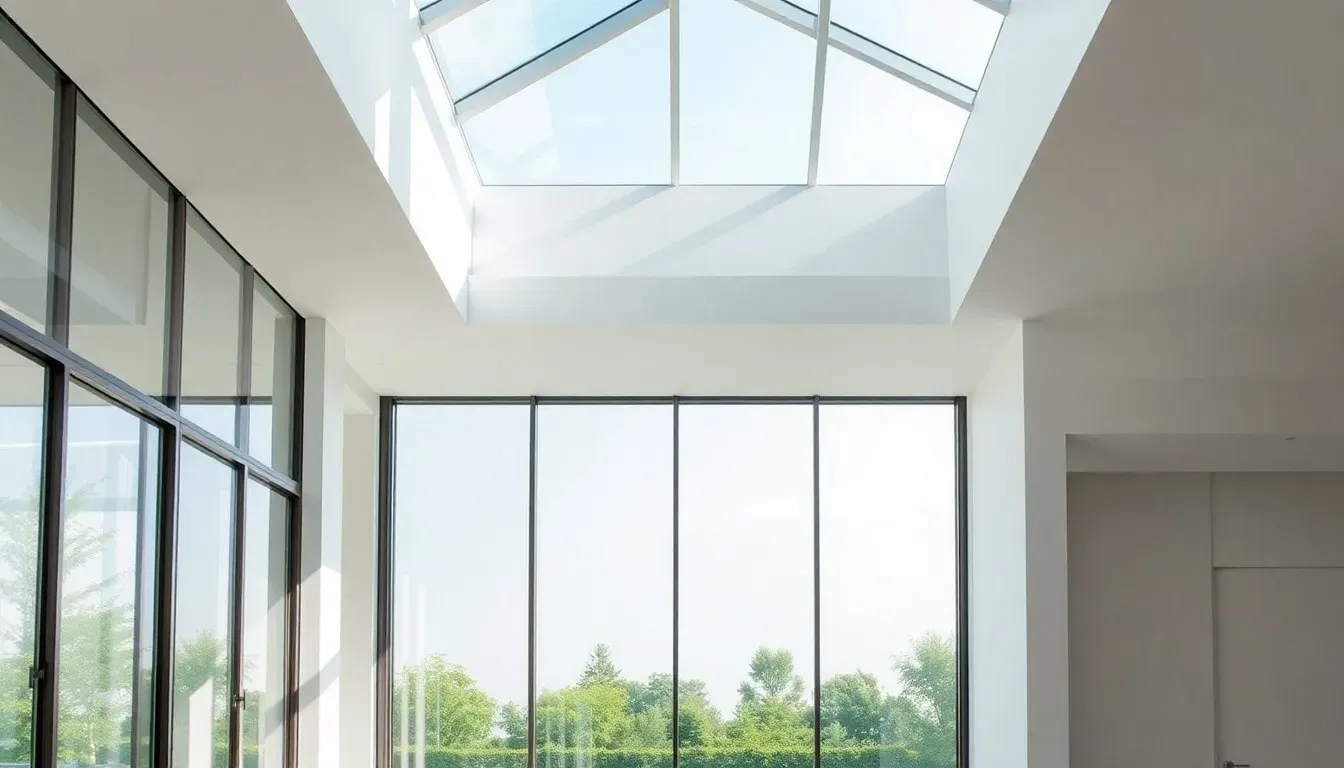
IGU Glass vs Triple Glazing: Energy Efficiency Comparison for Indian Climates
When upgrading your home’s windows for better energy efficiency, the choice between double-glazed Insulated Glass Units (IGU) and triple-glazed windows can significantly impact both your comfort and electricity bills. While triple glazing offers superior insulation, double-glazed IGU systems provide an optimal balance of performance and cost for most Indian climate zones, making the decision more nuanced than simply choosing the highest specification available.
Understanding IGU Glass and Triple Glazing Construction
An Insulated Glass Unit, commonly called IGU or double glazing, consists of two glass panes separated by a spacer filled with air or inert gas like argon. This configuration creates a thermal barrier that reduces heat transfer between indoor and outdoor environments. The typical construction includes a 6mm outer pane, a 12mm or 16mm spacer cavity, and a 6mm inner pane, often denoted as 6-12-6 or 6-16-6.
Triple glazing adds a third pane of glass with two insulating cavities, creating an even more robust thermal barrier. A standard triple-glazed unit might be configured as 4-12-4-12-4, with three 4mm glass panes and two 12mm gas-filled spaces. The additional layer provides enhanced insulation but also increases weight, thickness, and cost substantially.
Both systems can incorporate Low-E (low-emissivity) coatings that reflect infrared radiation while allowing visible light to pass through. These microscopic metallic coatings dramatically improve thermal performance without affecting transparency, making them essential for energy-efficient glazing in any climate.
Thermal Performance Across Indian Climate Zones
Hot and Humid Regions
In coastal cities like Mumbai, Chennai, and Kolkata, where temperatures remain consistently warm with high humidity, the primary concern is keeping heat out rather than retaining warmth. Double-glazed IGU units with Low-E coatings perform exceptionally well in these conditions, reflecting solar radiation while preventing outdoor heat from penetrating indoors. The U-value (heat transfer coefficient) of quality IGU glass typically ranges from 1.8 to 2.8 W/m²K, which is more than adequate for hot-humid climates.
Triple glazing offers marginal additional benefit in these regions. The third pane provides a U-value improvement to approximately 0.8 to 1.2 W/m²K, but since the goal is primarily solar heat rejection rather than insulation, the added expense rarely justifies the minimal performance gain. Air conditioning load reduction comes more from the Low-E coating and proper installation than from the extra glass layer.
Composite Climate Cities
Delhi, Jaipur, Ahmedabad, and other composite climate cities experience extreme seasonal variations—scorching summers exceeding 45°C and winters dropping to 5°C or below. Here, IGU glass provides year-round benefits by keeping heat out during summer and retaining warmth during winter. The moderate U-values of double glazing handle both seasonal demands effectively.
Triple glazing becomes more attractive in composite climates, particularly for west-facing facades that bear the brunt of afternoon sun. However, most homeowners and architects find that high-performance double-glazed units with spectrally selective Low-E coatings deliver 80-85% of the benefit at roughly 60% of the cost. Businesses like Adaptec Glass Specialities can help specify the right IGU configuration for your specific orientation and exposure.
Cold Climate Regions
In Himalayan regions, hill stations like Shimla and Manali, and high-altitude areas where winter heating is the dominant energy concern, triple glazing shows its strongest advantage. The superior insulation of three panes with two gas-filled cavities can reduce heating costs by 30-40% compared to double glazing, and by over 70% compared to single-pane windows.
In these cold zones, the lower U-value of triple glazing directly translates to warmer interior glass surfaces, reducing condensation risk and improving comfort near windows. The payback period for the additional investment shortens considerably when heating season extends beyond four months annually.
Cost Analysis and Return on Investment
Double-glazed IGU systems in India typically cost between ₹800 to ₹1,400 per square foot installed, depending on glass quality, gas fill, Low-E coatings, and frame material. Entry-level units without Low-E coating start around ₹600 per square foot, while premium systems with argon fill and dual Low-E coatings reach ₹1,600 per square foot.
Triple glazing commands a significant premium, generally ranging from ₹1,800 to ₹3,000 per square foot installed. The 50-100% cost increase over double glazing stems from additional glass, more complex manufacturing, heavier-duty frames required to support the extra weight, and limited local manufacturing capacity that necessitates imports for many projects.
Payback Period Calculations
For a typical 1,500 square foot apartment in Delhi with 200 square feet of window area, upgrading from single-pane to double-glazed IGU might cost ₹1,80,000 and reduce annual cooling and heating costs by approximately ₹25,000 to ₹35,000, yielding a payback period of 5-7 years. The same apartment upgrading to triple glazing at ₹4,50,000 might save ₹32,000 to ₹42,000 annually, extending the payback period to 11-14 years.
In hot-humid Chennai, where heating is negligible, double glazing’s payback period extends to 7-9 years based purely on air conditioning savings, while triple glazing may never achieve positive ROI during a typical window’s 20-25 year lifespan. Conversely, in cold Leh or Srinagar, triple glazing can pay for itself within 8-10 years through heating cost reductions.
Installation Considerations and Frame Requirements
Triple-glazed units weigh approximately 50% more than equivalent double-glazed IGU systems, placing greater stress on frames, hinges, and mounting hardware. This necessitates more robust uPVC or aluminum frames, which add further to the cost differential. Many existing window openings require structural reinforcement to safely support triple glazing, particularly for larger window sizes or sliding configurations.
The increased thickness of triple glazing—typically 36-44mm compared to 20-28mm for double glazing—also creates challenges in retrofit applications. Existing frame rebates may not accommodate the thicker units without modification. Specialists like Royal Glass House can assess whether your current frames can be adapted or require complete replacement.
Proper installation is critical for both systems. Even minor gaps or improper sealing can create thermal bridges that dramatically reduce performance. The spacer material between panes should be “warm edge” technology rather than traditional aluminum to minimize heat loss at the glass perimeter. Professional installation ensures correct shimming, sealing, and drainage to prevent moisture infiltration and condensation within the unit.
Climate-Specific Recommendations
For hot-humid coastal regions, invest in high-quality double-glazed IGU with Low-E coating on the outer pane (surface #2) to reflect solar heat. Specify argon gas fill for the cavity and ensure a Solar Heat Gain Coefficient (SHGC) below 0.30. Triple glazing provides minimal additional benefit and is not cost-effective for these climates.
In composite climate zones, double-glazed IGU with spectrally selective Low-E coating remains the optimal choice for most residential applications. Consider triple glazing only for west-facing walls with significant glass area, home offices requiring year-round comfort, or if acoustic insulation is equally important. The SHGC should balance between 0.30-0.40 to manage both summer heat and winter solar gain.
For cold mountain regions where heating dominates energy consumption, triple glazing delivers genuine value. Specify Low-E coating on surface #5 (inner pane, room-side) to retain indoor heat, use argon or krypton gas fill in both cavities, and target a U-value below 1.0 W/m²K. A higher SHGC of 0.40-0.50 allows beneficial solar heat gain during winter days.
Beyond Thermal Performance: Additional Factors
Acoustic insulation represents another significant consideration, particularly in urban environments. Triple glazing provides noticeably superior sound reduction, typically achieving 38-42 dB noise reduction compared to 30-35 dB for double glazing. For homes near airports, highways, or noisy commercial areas, the acoustic benefit alone may justify triple glazing regardless of climate.
Condensation resistance improves with additional panes. Triple glazing maintains warmer interior glass surfaces, virtually eliminating condensation even in high-humidity conditions with significant indoor-outdoor temperature differences. This matters most in cold climates with indoor heating, but also benefits humid regions during monsoon season when air conditioning creates cold interior surfaces.
Security and safety also factor into the decision. The additional glass layer in triple glazing provides incrementally better break-in resistance and, if one pane is laminated, improved safety in case of breakage. However, dedicated security or safety glazing solutions typically deliver better performance for these specific concerns than simply adding a third pane.
Making the Right Choice for Your Project
For most Indian homes and commercial buildings, high-quality double-glazed IGU systems with Low-E coatings represent the optimal balance of performance, cost, and practicality. They deliver 80-90% of the thermal benefits of triple glazing at significantly lower cost and with simpler installation requirements. The technology is well-established in India, with numerous qualified fabricators and installers ensuring competitive pricing and reliable service.
Triple glazing makes economic sense primarily in cold climate regions with extended heating seasons, or in situations where acoustic insulation carries equal weight to thermal performance. Before committing to the premium cost, conduct a detailed energy analysis specific to your building orientation, usage patterns, and local climate data to verify that the incremental benefits justify the substantial additional investment.
Consult with experienced glass specialists who understand Indian climate conditions and can provide region-specific recommendations. Providers like ZUBIA GLASS WORK offer expertise in both IGU and triple glazing systems, helping you navigate the technical specifications and cost implications for your specific application.
Frequently Asked Questions
Is triple glazing worth it in hot Indian cities like Bangalore or Pune?
No, triple glazing is generally not cost-effective in hot or moderate Indian climates. High-quality double-glazed IGU with Low-E coating provides excellent thermal performance for keeping heat out and reducing air conditioning costs. The additional expense of triple glazing—often 80-100% more than double glazing—will not generate sufficient energy savings to justify the investment in cities without significant heating requirements. Focus instead on proper Low-E coating selection and professional installation of double-glazed units.
What is the typical lifespan of IGU glass versus triple glazing?
Both double-glazed IGU and triple-glazed units have similar lifespans of 20-25 years when properly manufactured and installed. The seal failure that allows moisture infiltration between panes is the primary failure mode for both systems, and quality depends more on spacer technology, sealant quality, and manufacturing precision than on the number of panes. Premium units with stainless steel or composite warm-edge spacers and dual-seal construction can exceed 25 years regardless of whether they contain two or three panes.
Can I retrofit triple glazing into existing window frames?
Retrofitting triple glazing into existing frames is often challenging or impossible due to the increased thickness (36-44mm versus 20-28mm for double glazing) and weight. Most existing uPVC or aluminum frames lack sufficient rebate depth and structural strength for triple-glazed units. A professional assessment is essential—in many cases, complete frame replacement is necessary, significantly increasing the total project cost. Double-glazed IGU retrofits are typically more feasible and cost-effective for existing construction.
How much can I reduce my electricity bill with IGU glass in Delhi?
In Delhi’s composite climate, upgrading from single-pane to quality double-glazed IGU can reduce combined cooling and heating energy consumption by 25-35%, translating to annual savings of ₹15,000 to ₹35,000 for a typical 1,500 square foot apartment, depending on window area, orientation, and usage patterns. West-facing apartments with large glass areas see the highest savings. Actual reduction depends on your current window efficiency, thermostat settings, and whether you use both heating and cooling throughout the year.
Does triple glazing block more natural light than double glazing?
Triple glazing reduces visible light transmission by approximately 5-10% compared to double glazing—a difference most occupants don’t notice in typical residential settings. Modern triple-glazed units with optimized coatings still transmit 60-70% of visible light, maintaining bright, naturally lit interiors. The slight reduction in light is generally offset by improved comfort near windows due to better insulation. If maximum daylight is critical, such as in photography studios or art galleries, specify high-transmission Low-E coatings or consider whether double glazing better serves your priorities.
Ready to upgrade your windows with the right glazing solution for your climate? Explore the glassy.in directory to connect with qualified glass fabricators and installers across India who can assess your specific needs, provide accurate quotations, and ensure professional installation of either IGU or triple-glazed systems tailored to your location and budget.