
IGU (Insulated Glass Units)
IGU Glass vs Single Glazing: Energy Savings Comparison for Indian Homes
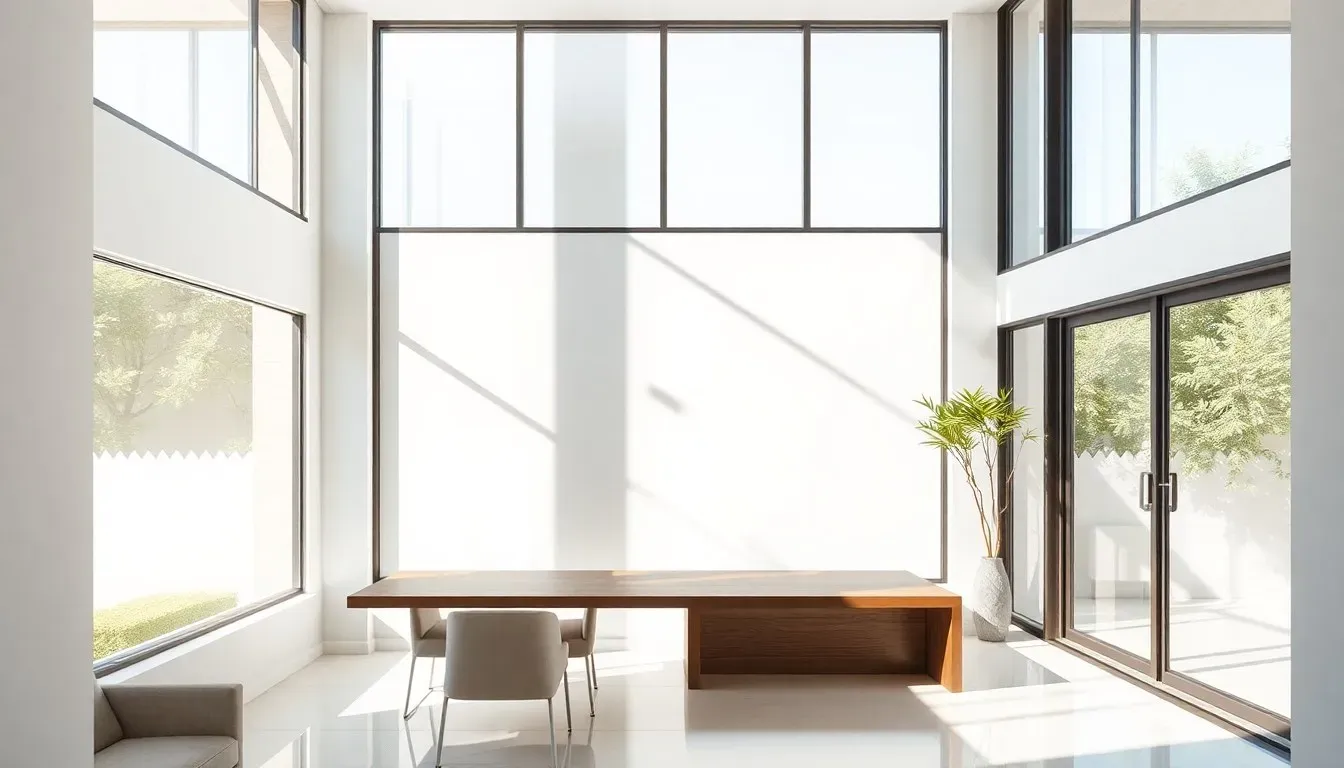
IGU Glass vs Single Glazing: Energy Savings Comparison for Indian Homes
Choosing between IGU (Insulated Glass Unit) double glazing and traditional single glazing can significantly impact your home’s energy bills, comfort levels, and long-term value. While single glazing has been the standard in Indian construction for decades, IGU glass offers superior thermal insulation, noise reduction, and energy efficiency that can reduce cooling costs by 30-50% in most Indian climates. This comprehensive comparison will help you understand which glazing solution makes the most financial and practical sense for your home.
Understanding the Fundamental Difference
Single glazing consists of a single pane of glass installed in a window frame, typically 4-6mm thick. This traditional approach offers minimal insulation, allowing heat to transfer easily between indoor and outdoor environments. The glass acts as a poor thermal barrier, becoming hot to touch in summer and cold in winter, directly impacting your home’s temperature regulation.
IGU glass, commonly called double glazing, features two glass panes separated by a sealed air gap or gas-filled space, usually 6-20mm wide. This cavity creates an insulating barrier that dramatically reduces heat transfer. The space between panes is often filled with argon or krypton gas, which conducts heat less efficiently than air, further enhancing thermal performance. The entire unit is hermetically sealed to prevent moisture infiltration and maintain insulating properties over decades.
The structural difference translates directly into performance. While a single pane allows approximately 80-90% of solar heat to enter your home, a standard IGU unit reduces this to 40-60%, depending on the glass type and coatings applied. This fundamental distinction drives all the subsequent benefits in energy savings, comfort, and cost-effectiveness.
Energy Savings and Thermal Performance in Indian Climates
India’s diverse climate zones present unique challenges for window glazing. In hot-dry regions like Rajasthan and Gujarat, summer temperatures regularly exceed 45°C, while humid coastal cities like Mumbai and Chennai face year-round heat with high humidity. Northern cities experience both extreme summers and cold winters. IGU glass addresses these varied conditions more effectively than single glazing across all regions.
Cooling Load Reduction
Air conditioning accounts for 40-60% of electricity consumption in Indian homes during peak summer months. Single glazing allows massive solar heat gain, forcing air conditioners to work harder and longer. IGU glass with Low-E coatings can reduce solar heat gain by 50-70% compared to single glazing, directly translating to lower cooling loads.
In practical terms, a typical 1500 square foot apartment in Bangalore with single glazed windows might spend ₹3,000-4,500 monthly on air conditioning during summer. Replacing these with IGU windows can reduce this cost to ₹1,800-2,700, saving ₹1,200-1,800 per month during peak cooling season. Over a year, this represents savings of ₹10,000-18,000 for moderate climate zones, and potentially ₹20,000-35,000 in extreme heat regions like Delhi or Ahmedabad.
U-Value and Heat Transfer Metrics
The U-value measures how much heat passes through a window, with lower numbers indicating better insulation. Standard single glazing typically has a U-value of 5.5-6.0 W/m²K, while IGU glass ranges from 1.8-3.0 W/m²K depending on configuration. This represents a 50-70% improvement in thermal insulation, meaning your home retains conditioned air far more efficiently.
For Indian homes, the Solar Heat Gain Coefficient (SHGC) is equally important. Single glazing typically has an SHGC of 0.80-0.85, while IGU with Low-E coating can achieve 0.25-0.40. Lower SHGC values mean less solar heat enters your home, crucial for managing India’s intense sunlight. This combination of low U-value and controlled SHGC makes IGU glass particularly effective for the Indian subcontinent.
Noise Reduction Benefits
Urban noise pollution significantly impacts quality of life in Indian cities. Traffic noise, construction activity, neighborhood sounds, and street vendors create constant disturbance. Single glazing provides minimal acoustic insulation, typically reducing noise by only 20-25 decibels. The thin glass pane vibrates easily with sound waves, transmitting noise directly into your home.
IGU glass offers substantial noise reduction, typically blocking 30-45 decibels depending on configuration. The air or gas cavity between panes disrupts sound wave transmission, while the dual-pane structure absorbs vibrations more effectively. For homes near busy roads in cities like Delhi, Mumbai, or Bangalore, this difference is immediately noticeable. Residents report significantly quieter indoor environments, better sleep quality, and reduced stress levels.
For maximum acoustic performance, asymmetric IGU configurations work best—using different glass thicknesses for each pane (such as 6mm outer and 4mm inner) prevents resonance frequencies and blocks a wider range of sound wavelengths. This specification is particularly valuable for homes near airports, railway stations, or major highways.
Cost Analysis and Return on Investment
The upfront cost difference between single and double glazing is significant but must be evaluated against long-term savings. Single glazing typically costs ₹250-450 per square foot installed, while standard IGU glass ranges from ₹650-1,200 per square foot, depending on glass quality, gas fill, and coatings. High-performance IGU with Low-E coatings and argon fill may cost ₹1,000-1,500 per square foot.
For a typical home with 150 square feet of window area, upgrading from single to IGU glazing represents an additional investment of ₹60,000-1,12,500. This appears substantial, but the payback period in Indian conditions is remarkably favorable. Based on energy savings of ₹15,000-30,000 annually in moderate climates, the investment pays for itself in 3-7 years. In extreme climate zones with higher cooling or heating loads, payback can occur in just 2-4 years.
Maintenance and Longevity Considerations
Single glazing requires minimal maintenance but offers no protection against seal failure or condensation issues. The glass may last indefinitely but provides no performance advantages over time. IGU units, when properly manufactured and installed, maintain their insulating properties for 20-25 years. Quality IGU glass comes with warranties of 5-10 years against seal failure and condensation between panes.
Maintenance costs for both options are minimal—primarily cleaning and occasional frame maintenance. However, IGU glass reduces wear on air conditioning systems by decreasing runtime, potentially extending HVAC equipment life by several years and avoiding premature replacement costs of ₹40,000-80,000 for split AC systems.
Condensation Control and Indoor Air Quality
Condensation on windows is a common problem in Indian homes, especially in humid coastal regions and during monsoon season. Single glazing readily develops condensation because the inner glass surface temperature drops close to the dew point when air conditioning is running. This moisture promotes mold growth, damages window frames and surrounding walls, and creates an unhealthy indoor environment.
IGU glass significantly reduces condensation by maintaining a warmer inner pane temperature. The insulating air gap prevents the inner glass from cooling as much, keeping it above the dew point even when air conditioning runs at full capacity. This benefit is particularly valuable in cities like Mumbai, Kolkata, and Kochi where humidity levels remain high year-round.
Better condensation control means healthier indoor air quality, reduced mold and mildew growth, and protection for expensive interior furnishings, wooden floors, and wall treatments. These indirect benefits add considerable value beyond direct energy savings.
Environmental Impact and Sustainability
Energy efficiency directly correlates with environmental responsibility. Indian homes with single glazing consume substantially more electricity for climate control, contributing to higher carbon emissions. Given that much of India’s electricity still comes from coal-fired power plants, reducing consumption has meaningful environmental impact.
IGU glass reduces a home’s carbon footprint by 30-50% related to heating and cooling energy use. For a typical Indian household, this represents avoiding 1,500-3,000 kg of CO2 emissions annually. Over the 25-year lifespan of IGU windows, this totals 37,500-75,000 kg of avoided emissions per household—equivalent to planting approximately 1,700-3,400 trees.
Additionally, improved thermal comfort means less reliance on mechanical heating and cooling, reducing the strain on India’s power grid during peak demand periods. This collective benefit helps address power shortage issues that still affect many Indian cities during extreme weather events.
Making the Right Choice for Your Home
The decision between IGU and single glazing depends on several factors specific to your situation. New construction and major renovations present ideal opportunities to install IGU glass, as the incremental cost is relatively small within the total project budget. The long-term benefits clearly justify the investment for most Indian homeowners, particularly in climate-controlled homes.
However, single glazing may still be appropriate for certain situations: homes in mild hill station climates where air conditioning is rarely needed, budget-constrained projects, or non-air-conditioned spaces like storage rooms or garages. For vacation homes used only occasionally, the energy savings may not justify the additional investment.
For the vast majority of Indian urban homes, especially those in metro cities and extreme climate zones, IGU glass represents the superior choice. The combination of energy savings, improved comfort, noise reduction, and property value enhancement creates compelling value that far exceeds the initial cost premium. As energy costs continue rising and environmental awareness grows, IGU glass will increasingly become the standard rather than the premium option in Indian residential construction.
Frequently Asked Questions
What is the actual energy savings percentage with IGU glass compared to single glazing in Indian homes?
IGU glass typically reduces cooling energy consumption by 30-50% compared to single glazing in Indian homes, depending on climate zone, window orientation, and usage patterns. In extreme heat regions like Rajasthan or coastal areas with year-round air conditioning use, savings can reach the higher end of this range. Homes in moderate climates like Bangalore or Pune typically see savings around 30-40%. These percentages translate to annual savings of ₹10,000-35,000 for average-sized homes, with payback periods of 3-7 years on the additional investment.
Does IGU glass work effectively in humid Indian climates like Mumbai or Chennai?
Yes, IGU glass performs exceptionally well in humid climates and actually provides additional benefits beyond energy savings. The insulating properties prevent condensation on the inner glass surface, which is a major problem with single glazing in humid regions. This reduces mold growth, protects window frames from moisture damage, and improves indoor air quality. The sealed unit construction prevents moisture from entering the cavity between panes, maintaining performance even in monsoon conditions. Coastal homeowners often report that condensation control alone justifies the investment.
How long does IGU glass last, and what maintenance is required?
Quality IGU glass units typically last 20-25 years when properly manufactured and installed, maintaining their insulating properties throughout this period. Maintenance requirements are minimal—regular cleaning of glass surfaces and occasional inspection of seals and frames. Most manufacturers provide 5-10 year warranties against seal failure and condensation between panes. The key to longevity is proper installation by experienced professionals and choosing reputable manufacturers who use quality sealants and spacer systems designed for India’s climate conditions.
Is IGU glass worth the investment for older homes, or only for new construction?
IGU glass delivers excellent value for both new construction and renovation projects. While installation in existing homes may involve additional costs for frame modifications or complete window replacement, the energy savings and comfort improvements justify the investment for most air-conditioned homes. Retrofitting is particularly worthwhile for homes with high cooling bills, noise pollution issues, or windows in poor condition requiring replacement anyway. The payback period may extend by 1-2 years compared to new construction, but the long-term benefits remain compelling for 15-20+ year ownership horizons.
Can I install IGU glass in standard Indian window frames designed for single glazing?
IGU units are thicker than single glazing (typically 20-28mm total versus 4-6mm), so standard frames designed for single panes usually cannot accommodate them without modification. However, many modern aluminum and uPVC window systems offer retrofit options specifically designed to replace single glazing with IGU units in existing frames. Alternatively, complete window replacement with new IGU-compatible frames may be necessary. A professional assessment from experienced window installers can determine the best approach for your specific situation and provide accurate cost estimates for either retrofit or replacement options.
Ready to upgrade your home with energy-efficient IGU glass? Visit glassy.in, India’s largest glass business directory, to connect with verified IGU glass manufacturers, suppliers, and professional installers in your city. Compare quotes, read reviews, and find the right glazing solution for your home’s specific needs.