
IGU (Insulated Glass Units)
IGU Glass vs Single Glazing: Which is Better for Surat’s Climate?
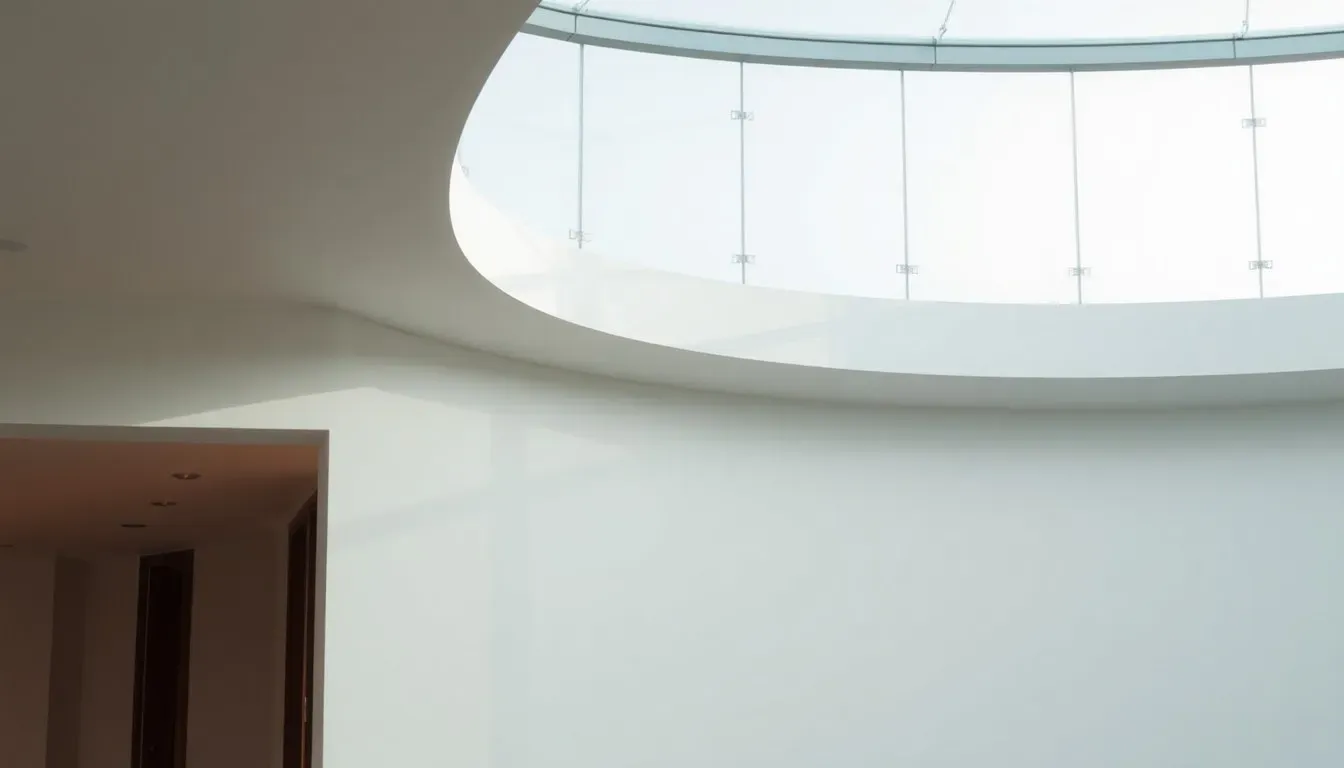
IGU Glass vs Single Glazing: Which is Better for Surat’s Climate?
Surat’s sweltering summers, with temperatures regularly crossing 40°C and humidity levels hovering above 70%, make choosing the right window glazing critical for comfort and energy savings. While single glazing has been the traditional choice for most buildings in the city, Insulated Glass Units (IGU) are rapidly gaining popularity among homeowners and commercial property owners who want to cut down on air conditioning costs and improve indoor comfort. This comprehensive guide examines both options specifically for Surat’s challenging climate conditions.
Understanding IGU Glass and Single Glazing
Single glazing consists of a single pane of glass installed in a window frame. It’s the most basic form of glazing and has been used in Indian construction for decades. Single pane windows offer minimal insulation and allow heat to transfer easily between the interior and exterior of a building. In Surat’s climate, this means your air conditioner works overtime to combat the heat constantly entering through windows.
IGU glass, also known as double glazing, consists of two or more glass panes separated by a spacer and sealed to create an insulating air gap. This gap is typically filled with air or inert gases like argon, which significantly reduces heat transfer. The sealed unit acts as a thermal barrier, keeping hot air out during summer and maintaining cooler indoor temperatures. Modern IGUs can also incorporate Low-E (low-emissivity) coatings that reflect infrared radiation while allowing visible light to pass through.
The fundamental difference lies in thermal performance. While single glazing has a U-value (measure of heat transfer) of around 5.8 W/m²K, standard IGU glass can achieve U-values as low as 1.8-2.8 W/m²K, representing a significant improvement in insulation capacity.
How Surat’s Climate Affects Glazing Performance
Surat experiences a tropical savanna climate with three distinct seasons: a hot summer from March to June, a monsoon season from July to September, and a mild winter from November to February. The summer months are particularly brutal, with temperatures frequently reaching 42-44°C and heat index values climbing even higher due to humidity. This combination creates unique challenges for building glazing.
During peak summer, single glazed windows become heat radiators. The glass absorbs solar radiation and transfers it directly into your living space through conduction. Touch a single pane window in Surat at 2 PM in May, and you’ll immediately understand the problem. This heat gain forces air conditioning systems to run continuously, driving up electricity bills substantially.
The monsoon season adds another dimension with high humidity levels that can cause condensation issues. Single glazing offers no protection against moisture-related problems, while IGU glass with its sealed air gap provides better resistance to condensation formation on interior surfaces.
Solar Heat Gain Coefficient Matters
The Solar Heat Gain Coefficient (SHGC) measures how much solar radiation passes through glass. In Surat’s climate, you want a lower SHGC to block heat. Single glazing typically has an SHGC of 0.80-0.85, meaning 80-85% of solar heat enters your building. Quality IGU glass with Low-E coatings can reduce this to 0.25-0.40, blocking 60-75% of solar heat while still allowing natural light.
Energy Savings and Cost Analysis
The primary advantage of IGU glass in Surat is reduced air conditioning load. A typical 1,500 square foot apartment with standard single glazed windows might spend ₹4,000-6,000 monthly on electricity during summer months, with a significant portion going to cooling. Switching to IGU glass can reduce cooling costs by 30-40%, translating to savings of ₹1,200-2,400 per month during peak summer.
However, the upfront investment differs substantially. Single glazing costs approximately ₹150-300 per square foot installed, while IGU glass ranges from ₹450-900 per square foot depending on specifications, coatings, and glass thickness. For a typical apartment with 150 square feet of window area, single glazing might cost ₹22,500-45,000, while IGU glass could run ₹67,500-1,35,000.
The payback period for IGU glass in Surat typically ranges from 4-7 years when factoring in energy savings alone. When you add benefits like improved comfort, reduced AC wear and tear, better noise insulation, and increased property value, the return on investment becomes more attractive. Commercial properties with larger glass areas and higher cooling loads often see faster payback periods of 3-5 years.
Long-Term Value Considerations
Beyond monthly savings, IGU glass offers durability advantages. Quality IGU units last 20-25 years with minimal maintenance, while their superior insulation reduces strain on HVAC systems, extending equipment life. Single glazed windows may be cheaper initially, but they offer no protection for your expensive air conditioning investment that works harder and wears out faster compensating for poor insulation.
Comfort and Livability Factors
Energy bills tell only part of the story. Living comfort in Surat’s extreme heat is equally important. With single glazing, rooms with large windows become uncomfortable even with air conditioning running. The radiant heat from sun-soaked glass creates hot spots near windows, and temperature variations across rooms force you to set thermostats lower, wasting more energy.
IGU glass creates a more uniform temperature distribution throughout rooms. The insulating barrier prevents radiant heat transfer, so areas near windows remain comfortable. This means you can set your thermostat 2-3°C higher while maintaining the same comfort level, directly reducing energy consumption.
Noise reduction is another significant benefit for Surat residents. The city’s busy streets, commercial areas, and industrial zones generate substantial noise pollution. IGU glass provides superior sound insulation, reducing outside noise by 30-35 decibels compared to 20-22 decibels for single glazing. This creates quieter, more peaceful indoor environments, particularly valuable for homes near main roads or commercial districts.
Practical Considerations for Surat Properties
Not every property in Surat needs IGU glass for every window. Strategic installation can balance costs and benefits. Consider IGU glass for west and south-facing windows that receive maximum solar exposure, while using single glazing for less exposed openings. This hybrid approach can reduce upfront costs while capturing most of the energy-saving benefits.
Frame compatibility matters when upgrading from single to IGU glass. IGU units are heavier and thicker, requiring stronger frames with deeper rebates. Aluminum and uPVC frames work well with IGU glass, while older wooden frames may need reinforcement or replacement. Factor these costs into your budget planning.
Maintenance requirements differ between the two options. Single glazing needs only basic cleaning, while IGU glass requires attention to seal integrity. However, quality IGU units from reputable manufacturers require minimal maintenance beyond regular cleaning. Avoid cheap IGU products that may develop seal failures, leading to condensation between panes and loss of insulating properties.
Local Availability and Installation
Surat has a growing number of glass suppliers and fabricators offering both single glazing and IGU solutions. When selecting a supplier, verify their experience with IGU installation, warranty terms, and after-sales support. Proper installation is critical for IGU performance—poor installation can compromise seals and negate the benefits you’re paying for.
Making the Right Choice for Your Property
For new construction in Surat, IGU glass is increasingly the smart choice despite higher initial costs. The long-term savings, improved comfort, and future-proofing make it worthwhile. Building codes are gradually moving toward better energy efficiency standards, and IGU glass positions your property ahead of these trends.
For existing buildings, the decision depends on several factors. If your current electricity bills are high, windows receive direct sunlight for extended periods, or you’re planning to stay in the property long-term, upgrading to IGU glass makes financial sense. However, if you’re in a rental property or planning to move within 2-3 years, the payback period may not justify the investment.
Commercial properties, offices, and retail spaces in Surat benefit significantly from IGU glass. The combination of reduced operating costs, improved employee comfort and productivity, and enhanced customer experience creates compelling value. Many commercial property owners report that IGU glass installation pays for itself within 3-4 years through reduced HVAC costs alone.
Frequently Asked Questions
How much can I really save on electricity bills with IGU glass in Surat?
Typical savings range from 30-40% on cooling costs during summer months. For an average apartment spending ₹5,000 monthly on electricity in peak summer, this translates to ₹1,500-2,000 in monthly savings. Annual savings typically range from ₹15,000-25,000 depending on window area, glass specifications, and usage patterns. Commercial properties with larger glass areas often see higher absolute savings.
Will IGU glass work during Surat’s monsoon season?
Yes, IGU glass performs well during monsoons. The sealed air gap prevents condensation on interior surfaces, a common problem with single glazing during humid conditions. The insulating properties also help maintain stable indoor temperatures when outdoor humidity is high, reducing the load on dehumidification systems and air conditioners.
What is the lifespan of IGU glass compared to single glazing?
Quality IGU glass typically lasts 20-25 years with proper installation and minimal maintenance. Single glazing can last equally long as a physical pane, but offers no performance advantages throughout its life. The key with IGU glass is ensuring the seal integrity remains intact—quality products from reputable manufacturers include warranties of 10-15 years on seal performance.
Can I install IGU glass in my existing windows?
It depends on your existing window frames. IGU units are thicker and heavier than single panes, requiring frames with adequate depth and strength. Aluminum and uPVC frames typically accommodate IGU glass with minimal modifications. Older wooden frames may need reinforcement or replacement. A professional assessment can determine feasibility and costs for your specific situation.
Is IGU glass worth it for a rented property in Surat?
For tenants, probably not, unless you negotiate a long-term lease and the landlord shares costs. The payback period of 4-7 years means you need to stay long enough to recover your investment through energy savings. For landlords, IGU glass can justify higher rent, attract quality tenants, and reduce vacancy periods by offering superior comfort—making it a worthwhile investment for premium rental properties.
Choosing between IGU glass and single glazing for Surat’s climate ultimately depends on your budget, property type, and long-term plans. For most residential and commercial properties, IGU glass offers superior value through energy savings, comfort, and durability. Ready to explore glazing options for your property? Visit the glassy.in directory to connect with verified glass suppliers and fabricators in Surat who can provide customized solutions and competitive quotes for your specific requirements.