
IGU (Insulated Glass Units)
IGU Glass vs Double Glazing: Which Is Better for Indian Homes?
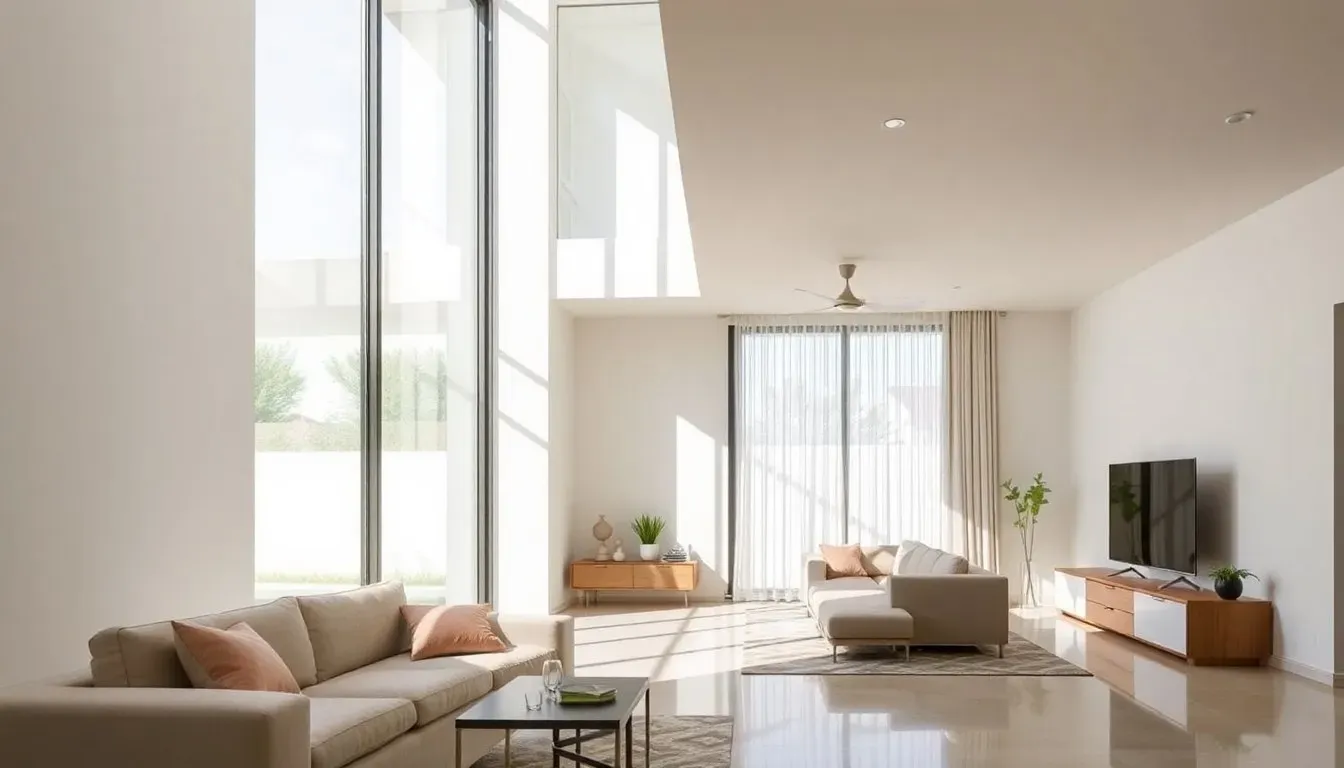
IGU Glass vs Double Glazing: Which Is Better for Indian Homes?
When Indian homeowners and architects talk about energy-efficient windows, the terms “IGU glass” and “double glazing” often come up—sometimes interchangeably. However, understanding the distinction between these two concepts is crucial for making informed decisions about your home’s thermal performance and long-term energy savings. In this comprehensive guide, we’ll clarify what each term means, compare their benefits, and help you determine which solution best suits India’s diverse climate zones.
Understanding IGU Glass and Double Glazing: What’s the Difference?
The confusion between IGU glass and double glazing stems from overlapping terminology. An Insulated Glass Unit (IGU) is the technical term for a window assembly that consists of two or more glass panes separated by a spacer and sealed to create an insulating air or gas-filled space. Double glazing, on the other hand, specifically refers to an IGU with two panes of glass. In essence, double glazing is a type of IGU—the most common type used in residential applications.
IGUs can also be triple-glazed (three panes) or even quadruple-glazed for extreme climates, though these configurations are rare in India. The key components of any IGU include the glass panes, the spacer bar (usually aluminum or warm-edge material), the insulating gas fill (typically air, argon, or krypton), and the primary and secondary seals that keep moisture out and gas in.
When comparing “IGU glass vs double glazing” in the Indian context, most discussions actually compare standard single-pane windows with double-glazed IGUs. This is the comparison we’ll focus on, as it represents the most common upgrade decision Indian homeowners face.
Energy Efficiency and Thermal Performance in Indian Climates
India’s climate diversity—from the humid tropics of Kerala to the cold deserts of Ladakh—means thermal performance requirements vary dramatically. Double-glazed IGUs offer significant advantages over single-pane windows by reducing heat transfer through the glass, which accounts for up to 30% of heating and cooling energy loss in typical homes.
The insulating air or gas gap in double-glazed units creates a thermal barrier. Standard air-filled double glazing can achieve a U-value (thermal transmittance) of around 2.8 W/m²K, compared to 5.8 W/m²K for single glazing. When filled with argon gas, this can improve to approximately 1.6-2.0 W/m²K. Lower U-values mean better insulation and reduced energy consumption for air conditioning or heating.
Climate Zone Considerations
For hot and dry regions like Rajasthan and parts of Gujarat, double glazing with low-emissivity (Low-E) coatings can reflect infrared radiation while allowing visible light through, dramatically reducing cooling loads. In composite climates like Delhi and Bangalore, where both heating and cooling are needed seasonally, double glazing provides year-round benefits. For cold regions like Shimla or Leh, the insulation properties become even more valuable, potentially reducing heating costs by 20-30%.
Coastal cities like Mumbai and Chennai face high humidity along with heat. Here, double glazing’s condensation resistance becomes particularly valuable, as the inner pane stays warmer than a single pane would, reducing moisture buildup that can lead to mold and deterioration.
Cost Comparison: Initial Investment vs Long-Term Savings
The cost difference between single-pane and double-glazed windows is substantial upfront but can be justified through energy savings over time. In India, single-pane clear glass typically costs ₹150-300 per square foot installed, while double-glazed IGUs range from ₹450-900 per square foot depending on glass type, spacer technology, and gas fill.
For a typical 1,500 square foot apartment with 150 square feet of window area, upgrading to double glazing might cost an additional ₹45,000-90,000 compared to single glazing. However, energy savings can be significant. In air-conditioned homes in hot climates, double glazing can reduce cooling costs by 15-25%, potentially saving ₹8,000-15,000 annually on electricity bills. The payback period typically ranges from 5-10 years, after which the savings become pure benefit.
Hidden Costs and Considerations
Beyond the glass itself, installation quality significantly impacts performance. Double-glazed units are heavier and require robust frames—aluminum or uPVC frames with thermal breaks are recommended. If you’re working with experienced suppliers like Adaptec Glass Specialities, they can guide you on proper frame selection and installation techniques that maintain the IGU’s integrity.
Maintenance costs for double glazing are generally minimal, but seal failure—which can occur after 15-20 years—requires complete unit replacement rather than simple glass replacement. Quality matters: reputable manufacturers offer 10-15 year warranties on seal integrity, while lower-quality units may fail much sooner, especially in India’s extreme temperature variations.
Installation and Retrofitting Challenges
New construction offers the easiest path to double glazing, as frames and openings can be designed to accommodate the thicker IGU profile (typically 18-24mm total thickness versus 4-6mm for single pane). Retrofitting existing homes presents more challenges but is certainly possible with the right approach.
The main retrofitting consideration is whether existing window frames can support the additional weight and thickness of double-glazed units. Old wooden or thin aluminum frames often cannot and may require complete replacement. Modern uPVC or thermally-broken aluminum frames designed for IGUs are the best retrofit options, though they represent a significant investment beyond the glass itself.
Installation must be performed by experienced professionals who understand proper sealing, shimming, and weatherproofing techniques. Poor installation can negate the benefits of even the highest-quality IGUs through air leakage and thermal bridging. Specialists like Royal Glass House can assess your existing windows and recommend the most practical upgrade path.
Timeline and Disruption
Manufacturing custom double-glazed units typically takes 2-4 weeks after measurement, as most are made to order. Installation itself is relatively quick—a skilled team can replace windows in a typical room in 4-6 hours. However, complete home retrofits may take several days and require temporary sealing of openings overnight.
Sound Insulation: An Often-Overlooked Benefit
While energy efficiency drives most double-glazing decisions, acoustic performance can be equally valuable in urban Indian settings. Traffic noise, construction sounds, and neighborhood activity create significant noise pollution in cities like Mumbai, Delhi, and Bangalore.
Double glazing provides substantial sound insulation, typically reducing noise transmission by 30-35 decibels compared to single glazing. For even better acoustic performance, asymmetric configurations (different glass thicknesses on each pane) or laminated glass in one or both panes can achieve 40-45 decibel reductions. This transforms living spaces near busy roads or commercial areas into peaceful retreats.
The air or gas gap in IGUs acts as a sound dampener, particularly effective against high-frequency noises like traffic and voices. For low-frequency sounds like construction equipment or bass from music, thicker glass panes (8-10mm) and wider spacing (16-20mm) provide better results.
Making the Right Choice for Your Home
Deciding between standard single glazing and double-glazed IGUs depends on several factors specific to your situation. Climate zone is paramount—homes in extreme hot or cold regions benefit most dramatically. If you run air conditioning or heating for more than four months annually, double glazing likely makes economic sense.
Building orientation and sun exposure also matter. West-facing windows in hot climates suffer the most from solar heat gain and benefit greatly from Low-E double glazing. North-facing windows in cold climates lose the most heat and gain the most from insulation. South-facing windows can benefit from solar heat gain in winter, so carefully consider coating specifications.
Your budget and timeline influence the decision as well. If you’re building new or undertaking major renovations, the incremental cost of double glazing is relatively modest. For minor upgrades or rental properties, the payback period may not justify the investment. Consider starting with the most problematic windows—those facing the harshest sun or creating the most discomfort—rather than replacing all windows at once.
Quality Indicators to Look For
When sourcing double-glazed IGUs, insist on seeing certifications and test reports. Look for spacer bars with low thermal conductivity (warm-edge technology), properly desiccated units (the desiccant absorbs moisture from the sealed cavity), and dual-seal systems (primary seal for gas retention, secondary seal for structural integrity and weatherproofing). Reputable suppliers like ZUBIA GLASS WORK can provide documentation of their products’ thermal and acoustic performance ratings.
Frequently Asked Questions
Is double glazing worth it in hot climates like Mumbai or Chennai?
Yes, double glazing is valuable in hot climates, especially when combined with Low-E coatings that reflect infrared heat while allowing visible light through. While the heating benefits don’t apply, the cooling load reduction can be substantial—typically 20-30% for air-conditioned spaces. The condensation resistance is also particularly beneficial in humid coastal climates, preventing moisture damage and mold growth on window frames and adjacent walls.
How long do double-glazed windows last in Indian conditions?
Quality double-glazed IGUs typically last 15-25 years before seal failure becomes likely, even in India’s challenging climate conditions with extreme temperature swings and monsoon humidity. The glass itself doesn’t degrade, but the seals that keep moisture out and insulating gas in will eventually fail. Higher-quality units with robust dual-seal systems and proper installation tend toward the longer end of this range. Regular inspection for condensation between panes (a sign of seal failure) helps catch problems early.
Can I install double glazing in existing wooden window frames?
It depends on the frame’s condition and design. Double-glazed units are significantly heavier and thicker than single panes, so older wooden frames may lack the strength and depth to accommodate them. A professional assessment is essential—sometimes frames can be reinforced, but often complete frame replacement with modern uPVC or aluminum systems is more practical and cost-effective. The frame must also provide adequate support and sealing around the entire perimeter to maintain thermal performance.
What is the difference between argon-filled and air-filled double glazing?
Argon is a denser, less conductive gas than air, providing approximately 20-30% better insulation when used to fill the space between glass panes. In practical terms, this might improve the U-value from 2.8 W/m²K (air-filled) to 2.0 W/m²K (argon-filled). The cost premium for argon is typically ₹50-100 per square foot. For most Indian applications, argon filling is worthwhile in climate-controlled homes where maximizing energy efficiency justifies the modest additional cost.
Does double glazing require special maintenance?
Double glazing requires minimal maintenance beyond regular cleaning of exterior and interior glass surfaces. Unlike single panes, you cannot clean between the panes—condensation or dirt between panes indicates seal failure requiring unit replacement. Check seals and weatherstripping annually, and ensure drainage holes in the frame (if present) remain clear. Avoid high-pressure washing directly on seals, and don’t use abrasive cleaners that might damage Low-E coatings if present.
Choosing between standard glazing and double-glazed IGUs for your Indian home requires balancing upfront investment against long-term energy savings, comfort improvements, and acoustic benefits. For most climate-controlled homes, especially in extreme climate zones, double glazing represents a sound investment that pays dividends in comfort and reduced energy bills for decades. Explore qualified glass suppliers and installers in your area through the glassy.in directory to get accurate quotes and professional assessments tailored to your specific needs.