
Smart Glass
How to Choose the Right Smart Glass Thickness for Privacy Partitions
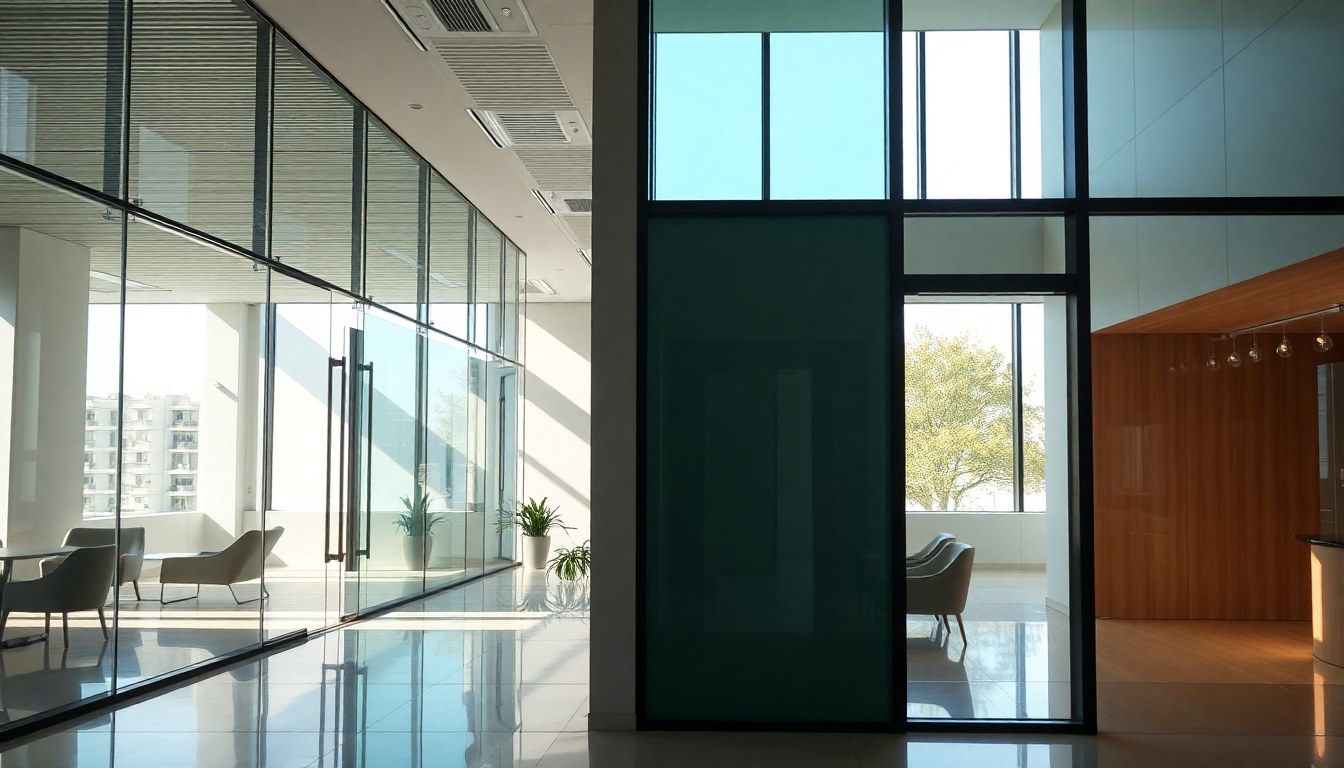
Smart glass privacy partitions are transforming Indian homes and offices, offering instant privacy at the flick of a switch. But before you invest ₹8,000 to ₹15,000 per square foot in this technology, selecting the correct glass thickness is crucial for safety, acoustics, and long-term performance. The thickness you choose directly impacts structural integrity, sound insulation, and even the clarity of the privacy effect.
Smart glass partitions typically come in four standard thicknesses: 6mm, 8mm, 10mm, and 12mm. Each serves different applications, from lightweight office dividers to heavy-duty conference room walls. Understanding which thickness suits your specific requirements will save you money and ensure your partition meets Indian safety standards while delivering the privacy and functionality you need.
Understanding Smart Glass Construction and Thickness Basics
Smart glass, also known as switchable glass or PDLC (Polymer Dispersed Liquid Crystal) glass, consists of a liquid crystal film laminated between two layers of glass. The total thickness measurement includes both glass panes plus the interlayer. When you see a 10mm smart glass specification, this typically means two 5mm glass sheets with the PDLC film sandwiched between them, though configurations can vary.
The lamination process uses PVB (Polyvinyl Butyral) or EVA (Ethylene-Vinyl Acetate) interlayers that bond the PDLC film to the glass. This construction method is similar to safety glass used in automobiles, which means smart glass partitions inherently offer better safety than standard glass. If the glass breaks, the interlayer holds the fragments together, reducing injury risk.
For Indian climate conditions, the lamination quality matters significantly. High temperatures and humidity in cities like Mumbai, Chennai, and Kolkata can affect poorly manufactured smart glass. Always verify that your smart glass meets IS 2553 standards for safety glass and that the PDLC film can withstand temperatures between -10°C and 60°C, covering India's diverse climate zones.
6mm Smart Glass: When Lightweight Solutions Work
The 6mm option (typically 3mm + 3mm configuration) represents the thinnest commercially available smart glass for partitions. This thickness works well for small office cabins, residential bathroom partitions, and decorative applications where the partition height doesn't exceed 7 feet and wind load isn't a concern.
The primary advantage of 6mm smart glass is cost savings. It weighs approximately 15 kg per square meter, requiring less robust framing and hardware. This makes installation faster and reduces structural load on floors, particularly important in older buildings or mezzanine levels. The reduced weight also means lower transportation costs for projects outside major metros.
Limitations of 6mm Thickness
However, 6mm smart glass has notable limitations. Sound insulation is minimal, with an STC (Sound Transmission Class) rating around 28-30, which barely reduces normal conversation volume. The thinner glass also flexes more, which can create visual distortion and may reduce the lifespan of the PDLC film due to repeated stress. For commercial applications or spaces requiring acoustic privacy, 6mm is rarely the right choice.
8mm and 10mm Smart Glass: The Commercial Standard
The 8mm thickness (4mm + 4mm) and 10mm thickness (5mm + 5mm or 6mm + 4mm) represent the sweet spot for most commercial and residential applications in India. These thicknesses offer an excellent balance between cost, safety, and performance, making them the default choice for conference rooms, manager cabins, and premium residential partitions.
An 8mm smart glass partition provides an STC rating of approximately 32-34, while 10mm can achieve 35-37. This level of sound reduction noticeably dampens conversations, though confidential discussions will still require additional acoustic treatment. For open-plan offices in Bangalore, Pune, or Gurgaon where noise management is critical, 10mm is typically the minimum recommended thickness.
Structural stability improves significantly at these thicknesses. A 10mm partition can safely span up to 10 feet in height with proper framing, and the reduced flex means the PDLC film experiences less mechanical stress. This translates to longer operational life and fewer maintenance issues. Most manufacturers offer warranties of 5-7 years for 10mm smart glass compared to 3-5 years for 6mm variants.
Electrical Specifications Remain Consistent
An important consideration: the electrical requirements for smart glass don't change significantly with thickness. Whether you choose 8mm or 10mm, the power consumption remains around 5-7 watts per square meter when active. The operating voltage stays at 48-65V AC, and the switching time (from transparent to opaque) is typically 1-3 seconds regardless of glass thickness. The thickness choice is purely about mechanical and acoustic properties, not electrical performance.
12mm Smart Glass: Maximum Durability and Soundproofing
The 12mm option (6mm + 6mm configuration) represents the premium tier for smart glass partitions. This thickness is specified for high-traffic commercial environments, floor-to-ceiling installations exceeding 10 feet, and situations where maximum sound insulation is non-negotiable, such as boardrooms, medical consultation rooms, or luxury hotel suites.
With an STC rating reaching 38-40, 12mm smart glass provides genuine acoustic privacy. Combined with proper sealing around the partition edges, it can reduce normal conversation to a barely audible murmur. For corporate offices handling sensitive discussions or healthcare facilities requiring patient confidentiality, this performance level justifies the additional cost of approximately 15-20% over 10mm variants.
The increased thickness also provides superior structural integrity. A 12mm partition can withstand higher wind loads, making it suitable for exterior applications or internal partitions in coastal cities where building sway might be a concern. The glass weighs approximately 30 kg per square meter, so framing must be appropriately engineered, but the result is a partition that feels substantially more solid and premium.
Safety Standards and Building Code Compliance
All smart glass partitions installed in commercial buildings in India must comply with IS 2553 (Safety Glass) and relevant NBC (National Building Code) requirements. For partitions in wet areas like bathrooms or poolside applications, toughened laminated glass configurations are mandatory, which may affect your thickness choice.
The Bureau of Indian Standards requires that glass partitions in public buildings meet specific impact resistance criteria. While the laminated construction of smart glass provides inherent safety, thicker options (10mm and above) more easily satisfy these requirements. For schools, hospitals, and government buildings, specifying 10mm or 12mm smart glass can simplify approval processes and ensure compliance.
Fire-rated smart glass is also available for applications requiring fire resistance. These specialized products typically start at 12mm thickness and can achieve 30-60 minute fire ratings. If your partition forms part of a fire compartment boundary, consult with manufacturers about fire-rated options and ensure they carry appropriate certification for Indian building codes.
Making the Right Choice for Your Application
For residential applications like bathroom partitions, dressing room dividers, or kitchen pass-throughs where the partition is under 6 feet tall, 6mm or 8mm smart glass typically suffices. The cost savings are meaningful, and the acoustic requirements are usually minimal in home settings.
Corporate offices should default to 10mm for most applications. Conference rooms, manager cabins, and collaborative spaces all benefit from the improved sound insulation and professional appearance. The marginal cost difference between 8mm and 10mm is usually worth the performance upgrade, especially considering the partition's expected 10-15 year lifespan.
For premium applications, executive boardrooms, luxury residences, or any installation requiring maximum privacy and durability, 12mm is the appropriate choice. While the upfront investment is higher, the superior acoustics and structural performance deliver long-term value. Healthcare facilities, legal offices, and financial institutions handling confidential matters should strongly consider 12mm as their standard specification.
Frequently Asked Questions
Can I use 6mm smart glass for a full-height office partition?
While technically possible with adequate framing, 6mm smart glass is not recommended for partitions exceeding 7 feet in height. The glass will flex noticeably, potentially damaging the PDLC film over time and creating visual distortion. For standard office ceiling heights of 9-10 feet, specify at least 10mm thickness to ensure structural stability and longevity. The modest cost savings of 6mm glass will be offset by potential replacement costs within a few years.
Does thicker smart glass consume more electricity?
No, the electrical consumption of smart glass is determined by the PDLC film area, not the glass thickness. A 10mm smart glass partition consumes the same 5-7 watts per square meter as a 6mm partition of the same size. The thickness affects only mechanical properties like strength and sound insulation, not electrical performance. Your electricity bill will be identical regardless of whether you choose 8mm or 12mm smart glass.
What thickness is required for soundproofing a conference room?
For effective soundproofing in a conference room, specify minimum 10mm smart glass, which provides an STC rating of 35-37. This will noticeably reduce conversation volume but won't eliminate it entirely. For truly confidential discussions, choose 12mm smart glass (STC 38-40) and ensure the partition has proper acoustic seals at all edges. Remember that sound also travels through ceiling plenums and under doors, so the partition is just one component of a complete acoustic solution.
Is smart glass thickness related to how opaque it becomes?
No, the opacity level when switched off is determined by the PDLC film quality, not glass thickness. All properly manufactured smart glass, whether 6mm or 12mm, should achieve approximately 2-5% light transmission in the opaque state, providing effective visual privacy. If a supplier claims thicker glass is "more private," they may be using inferior PDLC film in thinner variants. Demand consistent privacy performance regardless of thickness, and verify this with sample demonstrations.
Can I retrofit existing glass partitions with smart glass film instead of replacing with thick smart glass?
Switchable film products that adhere to existing glass are available, but they don't offer the same performance, durability, or safety as factory-laminated smart glass. Film products are suitable for temporary applications or budget-constrained projects, but for permanent partitions in commercial settings, invest in proper laminated smart glass at the appropriate thickness. The integrated construction ensures better optical quality, longer lifespan, and compliance with safety glass standards that adhesive films cannot match.
Choosing the right smart glass thickness for your privacy partition requires balancing budget, performance requirements, and application-specific needs. Whether you're specifying for a home renovation or a commercial project, the thickness decision will impact satisfaction for years to come. For expert guidance and to connect with certified smart glass suppliers across India, explore the comprehensive directory at glassy.in, where you'll find verified manufacturers and installers who can help you make the best choice for your specific project.