
Smart Glass
How to Choose the Right Smart Glass for Indian Homes: Complete 2026 Guide
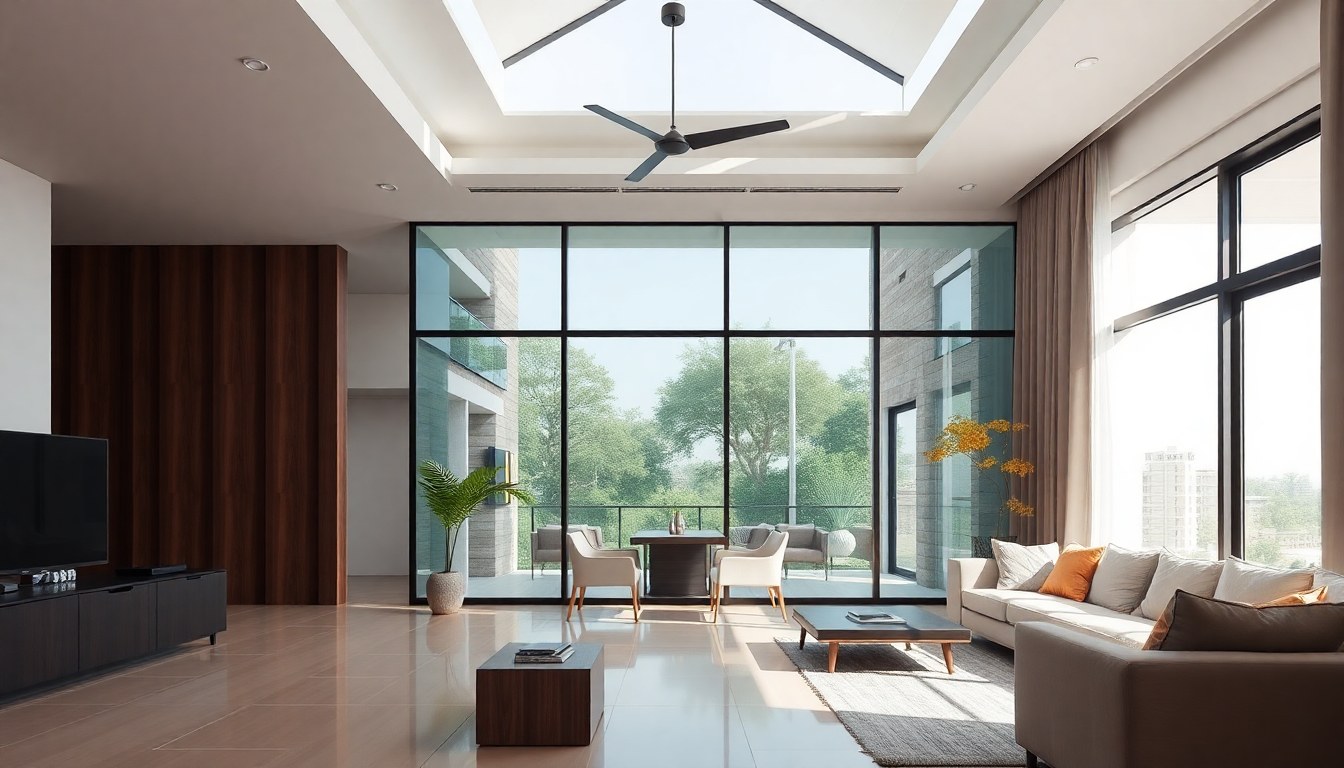
Smart glass technology has evolved from a luxury reserved for commercial buildings to an accessible solution for Indian homeowners seeking privacy, energy efficiency, and modern aesthetics. Choosing the right smart glass involves understanding different technologies, evaluating your climate zone, and balancing performance with budget. This guide walks you through every decision point to help you select smart glass that perfectly matches your home's needs.
Understanding Smart Glass Technologies Available in India
Smart glass, also called switchable glass, changes its light transmission properties when voltage, light, or heat is applied. Three main technologies dominate the Indian residential market in 2026, each with distinct characteristics that suit different applications and budgets.
PDLC (Polymer Dispersed Liquid Crystal) Glass
PDLC glass is the most popular choice for Indian homes due to its instant switching capability and strong privacy features. When power is off, liquid crystal molecules scatter randomly, making the glass opaque and milky white. Apply voltage, and the molecules align to create transparency within milliseconds. This technology works exceptionally well for bathroom windows, bedroom partitions, and conference areas within home offices.
PDLC glass typically operates on 48-65V AC and consumes approximately 5-7 watts per square meter when transparent. The technology maintains consistent performance across India's temperature ranges, from Kashmir's cold winters to Chennai's humid summers. Expect to pay between ₹4,500 and ₹7,500 per square foot depending on thickness and supplier.
Electrochromic Glass
Electrochromic glass offers variable tinting rather than simple on-off switching. A low-voltage current triggers an electrochemical reaction that darkens the glass progressively, allowing you to control exactly how much light enters. This gradual transition takes 3-20 minutes depending on the glass size and technology generation.
This technology excels in large windows and skylights where glare control and solar heat gain reduction matter more than instant privacy. Electrochromic glass remembers its state even after power is disconnected, consuming energy only during transitions. For Indian homes with significant west-facing windows, this technology can reduce air conditioning costs by 15-25%. Pricing ranges from ₹8,000 to ₹12,000 per square foot, making it a premium investment.
Thermochromic and Photochromic Glass
Thermochromic glass responds to temperature changes, automatically tinting when exposed to heat. Photochromic glass reacts to UV light intensity, similar to transition eyeglasses. Neither requires electrical connections, making installation simpler and eliminating ongoing power consumption.
However, these passive technologies lack user control—you cannot override their automatic response. They work best as supplementary solutions for skylights, sunrooms, or conservatories where automatic solar control is desirable. Thermochromic glass suited for Indian climates typically begins tinting at 28-32°C. Costs range from ₹3,000 to ₹5,500 per square foot.
Selecting Smart Glass Based on Indian Climate Zones
India's diverse climate zones demand different smart glass characteristics. The technology that performs brilliantly in Bangalore may struggle in Rajasthan or prove unnecessary in Shimla. Understanding your local climate helps narrow your options significantly.
Hot and Dry Regions (Rajasthan, Parts of Gujarat and Maharashtra)
Cities like Jodhpur, Ahmedabad, and Nagpur experience extreme summer temperatures and intense solar radiation. Electrochromic glass delivers maximum value here by blocking up to 98% of infrared heat while maintaining natural light. The ability to adjust tint levels throughout the day helps manage the harsh afternoon sun without completely darkening interiors.
For budget-conscious projects in these zones, consider PDLC glass with additional low-E coating. This combination provides privacy control while the low-E layer reflects heat. Ensure your chosen product has a Solar Heat Gain Coefficient (SHGC) below 0.30 for optimal thermal performance.
Hot and Humid Coastal Areas (Mumbai, Chennai, Goa, Kerala)
Coastal humidity poses unique challenges, particularly for electronic components and edge seals. PDLC glass performs reliably in humid conditions when properly sealed, but verify that your supplier uses moisture-resistant edge sealing compounds. Silicone-based seals typically outlast polyurethane in high-humidity environments.
Electrochromic glass also works well in coastal regions, with the added benefit of reducing glare from water reflections. Prioritize products with humidity-resistant bus bars and corrosion-proof electrical connections. Request IP65 or higher ingress protection ratings for any external applications.
Moderate and Cold Regions (Delhi NCR, Pune, Shimla, Kashmir)
Regions with significant temperature variations between seasons benefit most from PDLC glass, which maintains consistent switching performance from -20°C to 60°C. In cities like Delhi, where winter fog reduces natural light, the clear state of smart glass maximizes available daylight while providing privacy when needed.
For mountain homes in places like Shimla or Srinagar, consider double-glazed units with PDLC or electrochromic glass as one pane. This configuration provides both smart functionality and thermal insulation, crucial for retaining heat during cold months. The insulation value (U-factor) should be below 1.8 W/m²K for effective winter performance.
Power Consumption and Operating Costs
Understanding the electrical requirements and ongoing costs helps you budget accurately and choose sustainable options. Smart glass power consumption varies dramatically between technologies and usage patterns.
PDLC glass requires continuous power to maintain transparency, consuming 5-7 watts per square meter. A typical 10-square-meter installation running transparent for 12 hours daily consumes approximately 25-30 kWh monthly, costing ₹200-250 at average residential electricity rates. Many homeowners wire PDLC glass to occupancy sensors or timers to reduce unnecessary power consumption.
Electrochromic glass only draws power during state changes, making it extremely efficient for applications where tint levels change infrequently. A 10-square-meter installation might consume just 2-3 kWh monthly, costing under ₹30. This efficiency advantage becomes more pronounced in larger installations like curtain walls or extensive window systems.
Both technologies require low-voltage transformers or drivers, which should be factored into installation costs. Quality drivers with surge protection cost ₹3,500-8,000 depending on capacity. Always install drivers in accessible, ventilated locations to simplify maintenance and ensure longevity.
Privacy Ratings and Optical Performance
Smart glass privacy levels vary significantly between products, even within the same technology category. Understanding optical specifications ensures your glass provides adequate privacy and visual quality for its intended application.
PDLC glass in its opaque state typically blocks 95-99% of visible light, making it impossible to see shapes or movement through the glass from more than 30 centimeters away. However, it appears milky white rather than mirror-like, which some homeowners find less aesthetically pleasing than traditional frosted glass. In transparent mode, quality PDLC glass offers 75-82% visible light transmission, comparable to standard clear glass.
Electrochromic glass provides adjustable privacy through tinting rather than opacity. Even at maximum tint, silhouettes may be visible from close range, making it less suitable for bathrooms or changing areas. The technology excels for general living spaces where glare control matters more than complete privacy. Visible light transmission ranges from 60% (clear) to 1-2% (fully tinted) in premium products.
Check haze ratings when comparing products—lower haze percentages indicate clearer glass. Quality PDLC glass should have haze below 5% when transparent. Electrochromic glass typically maintains haze below 2% across all tint states.
Installation Requirements and Maintenance Considerations
Smart glass installation complexity and ongoing maintenance demands differ from conventional glazing. Planning for these factors prevents surprises and ensures long-term satisfaction with your investment.
Installation Considerations
Smart glass weighs 25-35% more than standard glass of equivalent thickness due to laminated layers and electrical components. Existing frames and mounting systems must support this additional weight. Most residential installations require frames designed for 12-15mm thick laminated units, even if you select thinner smart glass, to accommodate proper edge clearance and sealing.
Electrical integration requires planning during construction or renovation. PDLC installations need dedicated circuits with appropriate voltage transformers located within 15 meters of the glass. Electrochromic systems use low-voltage wiring but require careful routing to avoid electromagnetic interference from other building systems. Budget ₹8,000-15,000 for professional electrical integration per installation point.
Maintenance and Durability
Smart glass requires minimal maintenance when properly installed, but understanding care requirements preserves performance and appearance. Clean smart glass with soft microfiber cloths and pH-neutral cleaners—avoid ammonia-based products that can damage edge seals and electrical connections.
PDLC glass typically carries 5-7 year warranties on switching functionality, with expected lifespans of 15-20 years under normal residential use. Electrochromic glass warranties range from 10-15 years, reflecting the technology's greater maturity and durability. Edge seal failure is the most common issue, usually caused by water ingress in poorly sealed installations.
Inspect edge seals annually for cracks or gaps, particularly in high-humidity areas. Quality installations in controlled environments require minimal intervention beyond routine cleaning. Budget approximately ₹2,000-3,000 annually for professional inspection and maintenance if you want to maximize your smart glass lifespan.
Cost-Benefit Analysis for Indian Homes
Smart glass represents a significant upfront investment, but the right choice delivers returns through energy savings, increased property value, and enhanced livability. Calculating your specific return on investment helps justify the expense.
A typical 15-square-meter smart glass installation for a living room costs ₹90,000-1,50,000 for PDLC or ₹1,50,000-2,25,000 for electrochromic technology, including glass, frames, electrical work, and installation. Compare this to ₹30,000-45,000 for standard double-glazed windows with curtains or blinds.
Energy savings vary by climate and usage patterns. Homeowners in hot climates report 12-20% reductions in cooling costs with electrochromic glass, translating to ₹8,000-15,000 annually for a typical 3-bedroom home. PDLC glass offers modest energy benefits unless combined with low-E coatings. Payback periods range from 8-15 years based purely on energy savings.
However, financial returns tell only part of the story. Smart glass eliminates curtains and blinds, reducing maintenance and improving aesthetics. Privacy without sacrificing natural light significantly enhances livability, particularly in urban homes with close neighbors. Property value increases of 3-5% are commonly reported for homes with quality smart glass installations, though this premium varies by location and property segment.
Frequently Asked Questions
Can smart glass be retrofitted into existing windows?
Yes, smart glass can be retrofitted, but it requires careful evaluation of existing frames and structural support. PDLC glass film can be applied to existing glass as a more affordable alternative to complete replacement, though film products offer reduced optical quality and shorter lifespans (3-5 years) compared to factory-laminated smart glass. Full replacement provides better performance and durability but costs 2-3 times more than film application. Consult a structural engineer if your existing frames are more than 15 years old to verify they can support the additional weight.
How does smart glass perform during power outages?
Performance during power outages depends on the technology. PDLC glass defaults to its opaque, private state when power is disconnected, which provides security but blocks light. Electrochromic glass maintains its last state indefinitely without power, continuing to provide the tint level set before the outage. For critical applications requiring transparency during outages, specify electrochromic technology or install battery backup systems for PDLC glass, which cost ₹12,000-20,000 for 4-6 hours of backup power.
Is smart glass safe for homes with children and pets?
Smart glass is extremely safe for residential use. All products use laminated construction similar to automotive safety glass, meaning the glass remains intact even if cracked, preventing dangerous shards. The low voltage used (typically 48-65V for PDLC, under 5V for electrochromic) poses no shock hazard. Electrical components are fully sealed within the glass layers, eliminating any exposure risk. Smart glass actually provides superior safety compared to standard glass, making it an excellent choice for homes with children and pets.
What is the lifespan of smart glass in Indian climatic conditions?
Quality smart glass installations in India typically last 15-20 years for PDLC technology and 20-25 years for electrochromic glass when properly maintained. The primary factors affecting lifespan are edge seal integrity, electrical component quality, and exposure to extreme conditions. Coastal installations face accelerated aging due to salt air, potentially reducing lifespan by 20-30% without proper sealing. Regular maintenance and choosing products specifically rated for Indian climatic conditions ensures you achieve or exceed these typical lifespans.
Do I need special permissions to install smart glass in apartment buildings?
Installation requirements vary by building and municipality. Most apartment associations require approval for exterior-facing window modifications, as smart glass changes the building's appearance. Submit detailed specifications including glass appearance in both states, frame modifications, and electrical requirements. Some housing societies have approved vendor lists or technical standards you must follow. For interior applications like partition walls or bathroom windows, permissions are typically simpler. Always verify requirements with your building management before purchasing to avoid costly complications.
Ready to transform your home with smart glass technology? Visit glassy.in, India's largest glass business directory, to connect with verified smart glass suppliers, compare products, and find experienced installers in your city. Our comprehensive directory helps you make informed decisions and ensures you work with trusted professionals for your smart glass project.