
Glass Railings
How to Choose the Right Glass Railing Thickness for Balconies in Indian Homes
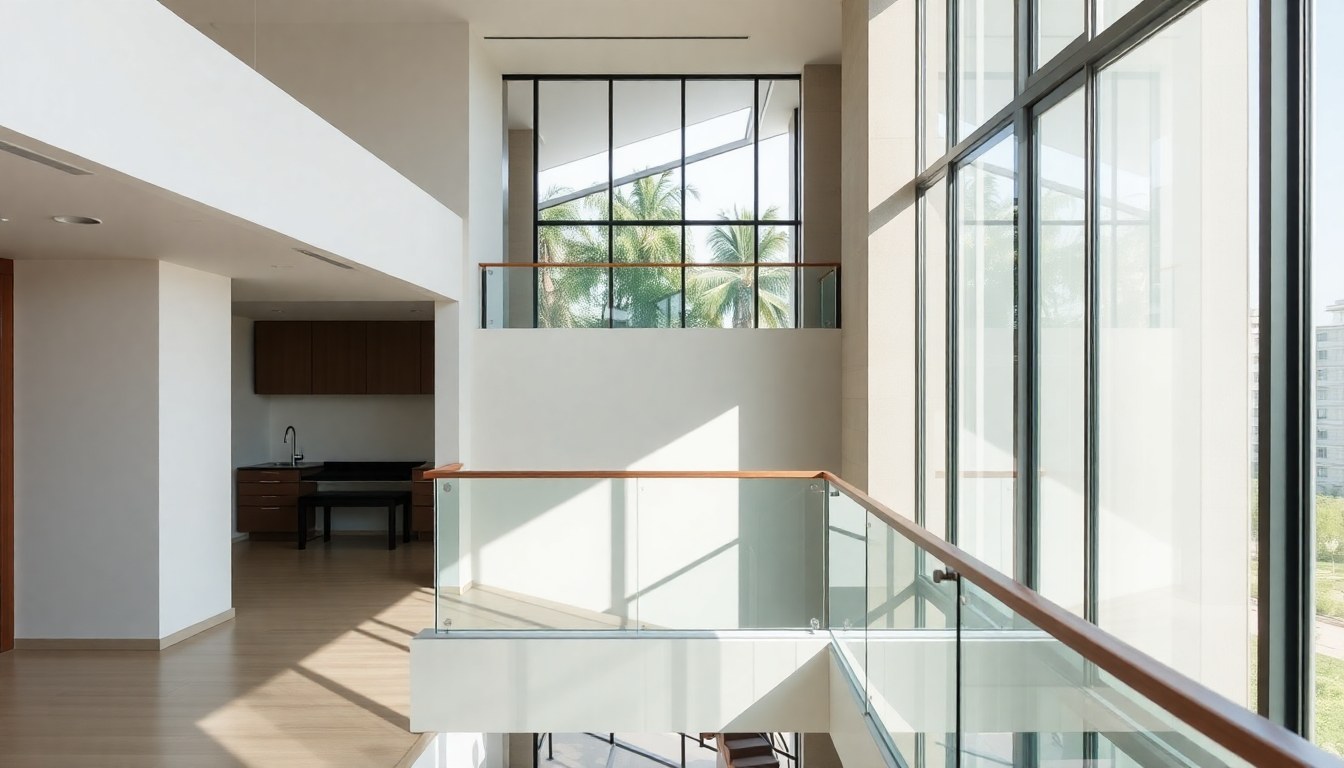
Selecting the right glass thickness for balcony railings is one of the most critical decisions in any residential project. The wrong choice can compromise safety, fail to meet building codes, and lead to costly replacements. In Indian homes, where balconies serve as extensions of living spaces and face diverse weather conditions, understanding glass railing thickness requirements ensures both safety and longevity.
Understanding Glass Thickness Standards for Balcony Railings
Glass thickness for balcony railings in India typically ranges from 10mm to 21.52mm, depending on the type of glass used and the specific application. The National Building Code of India (NBC) and Bureau of Indian Standards (BIS) provide guidelines that influence these specifications, though local municipal regulations may impose additional requirements.
For residential balconies, the most common thickness options include 10mm, 12mm, and laminated glass configurations. Toughened or tempered glass is mandatory for all balcony railing applications due to its superior strength and safety characteristics. When the glass breaks, it shatters into small, relatively harmless pieces rather than dangerous shards.
Laminated glass, which consists of two or more glass layers bonded with an interlayer, offers enhanced safety. Even if the glass breaks, the fragments remain adhered to the interlayer, preventing falls and injuries. Common laminated configurations include 6.38mm (3mm+3mm), 10.38mm (5mm+5mm), and 12.76mm (6mm+6mm).
Minimum Thickness Requirements Based on Balcony Specifications
The appropriate glass thickness for your balcony railing depends on several factors including the height of the railing, the span between supports, wind load in your area, and whether the glass is frameless or framed.
Height and Span Considerations
For standard residential balconies with railing heights between 1000mm to 1200mm and support posts spaced at 1000mm to 1500mm intervals, 12mm toughened glass is the recommended minimum thickness. This provides adequate strength to withstand normal lateral loads from people leaning against the railing.
When the span between supports exceeds 1500mm, you should consider upgrading to laminated glass with a minimum total thickness of 13.52mm (6mm+6mm with 1.52mm PVB interlayer) or 12mm toughened glass with additional mid-supports to reduce the unsupported span.
Wind Load and Exposure
High-rise apartments in cities like Mumbai, Chennai, and Kolkata face significant wind loads, especially above the 10th floor. For balconies in buildings taller than 15 meters, structural engineers typically specify thicker glass or laminated configurations to handle wind pressure. In coastal areas with cyclone risks, 17.52mm laminated glass (8mm+8mm) may be necessary for upper floors.
Ground-floor balconies and those in low-rise buildings under 10 meters can generally use 10mm to 12mm toughened glass, though 12mm remains the safer and more common choice across India.
Frameless vs. Framed Glass Railing Systems
The type of railing system you choose significantly impacts the required glass thickness. Frameless systems place greater structural demands on the glass itself, while framed systems distribute loads across the supporting framework.
Frameless Glass Railings
Frameless or minimally-framed glass railings create a sleek, modern aesthetic with unobstructed views. However, they require thicker glass since the panels bear most of the structural load. For frameless balcony railings in Indian homes, 15mm to 17.52mm laminated toughened glass is standard. The glass is typically secured using stainless steel spigots, U-channels, or patch fittings at the base and sometimes at the top.
These systems are popular in luxury apartments in metros like Bangalore, Gurgaon, and Pune, where contemporary design is prioritized. The investment is higher—expect to pay ₹1,200 to ₹2,000 per square foot for frameless systems with appropriate thickness glass—but the visual impact justifies the cost for many homeowners.
Framed Glass Railings
Framed systems use aluminum or stainless steel channels to hold the glass panels, reducing the structural demands on the glass. This allows for thinner glass options, typically 10mm to 12mm toughened glass. The frames provide additional support and can accommodate thermal expansion and minor building movements.
Framed systems are more economical, ranging from ₹600 to ₹1,200 per square foot, and are widely used across Indian residential projects. They're particularly practical for larger balconies where the cost difference becomes substantial.
Safety Considerations and Building Code Compliance
Safety should never be compromised when selecting glass thickness for balcony railings. Indian building codes require that balcony railings withstand a horizontal load of at least 0.75 kN per meter applied at the top edge. The glass must be able to handle this load with an adequate safety factor.
Always insist on toughened or laminated toughened glass that meets IS 2553 standards for toughened glass and IS 2835 for laminated glass. Reputable manufacturers provide certification and testing reports. The glass should be clearly marked with the manufacturer's identification, thickness, and type of treatment.
For homes with children, laminated glass offers superior safety. Even if broken, the glass remains in place, preventing falls through the railing. This is particularly important for balconies in upper floors where the consequences of railing failure are severe. Many architects and safety consultants in India now recommend laminated glass as the default choice for all balcony applications, regardless of height.
Climate and Environmental Factors in India
India's diverse climate zones affect glass railing performance and longevity. Coastal regions with high humidity and salt air, desert areas with extreme temperature fluctuations, and monsoon-heavy zones each present unique challenges.
In coastal cities like Mumbai, Visakhapatnam, and Kochi, the salt-laden air can corrode metal fittings and degrade edge seals on laminated glass. Here, thicker laminated glass with high-quality PVB interlayers and corrosion-resistant stainless steel grade 316 fittings are essential. The extra thickness provides a longer service life before edge delamination becomes visible.
In northern cities like Delhi and Chandigarh, where temperature variations between summer and winter exceed 30°C, the glass and mounting system must accommodate thermal expansion. Proper edge clearances and flexible gaskets prevent stress concentrations. Thicker glass is less prone to thermal stress cracking, making 12mm the practical minimum even for framed systems.
Monsoon regions require careful attention to water drainage around the base channels. Standing water can lead to edge corrosion in laminated glass. Ensuring proper drainage holes and using adequate glass thickness prevents premature failure from water-related degradation.
Cost Implications and Long-Term Value
Glass thickness directly impacts project costs, but it's important to consider long-term value rather than just initial investment. Thicker glass costs more per square foot but offers better durability, safety, and potentially lower maintenance costs over the railing's lifespan.
As a general guide, 10mm toughened glass costs approximately ₹300 to ₹450 per square foot, 12mm toughened glass ranges from ₹400 to ₹550 per square foot, and 17.52mm laminated toughened glass can cost ₹800 to ₹1,200 per square foot. These prices vary by city, supplier, and order volume, with metros generally commanding premium prices.
The incremental cost of upgrading from 10mm to 12mm glass is relatively modest—often ₹15,000 to ₹25,000 for a typical apartment balcony—but the safety and durability benefits are substantial. This upgrade is almost always worthwhile. The jump to laminated glass represents a larger investment but makes sense for high-rise apartments, homes with children, or situations where maximum safety is paramount.
Consider also the replacement cost. Undersized glass that fails prematurely requires complete replacement, including labor costs and disruption. Properly specified glass thickness from the outset avoids these future expenses and provides peace of mind.
Making Your Final Selection
When choosing glass thickness for your balcony railing, start by consulting with a qualified structural engineer or architect familiar with local building codes. They can assess your specific situation—building height, balcony dimensions, wind exposure, and local regulations—to provide precise recommendations.
As a baseline for most Indian residential applications, 12mm toughened glass is the practical minimum for framed systems, while 15mm to 17.52mm laminated toughened glass suits frameless installations. For high-rise buildings above 15 meters or coastal locations, upgrade to laminated configurations for enhanced safety and durability.
Always verify that your chosen glass supplier provides proper certification and that the installation contractor has experience with balcony railing systems. Poor installation can compromise even the best-specified glass, so professional workmanship is as important as selecting the correct thickness.
Frequently Asked Questions
What is the minimum glass thickness for a balcony railing in India?
The minimum recommended thickness for balcony glass railings in Indian homes is 12mm toughened glass for framed systems. For frameless installations, 15mm to 17.52mm laminated toughened glass is the standard minimum. While 10mm toughened glass is sometimes used in framed systems for ground-floor balconies, 12mm provides better safety margins and is widely considered the practical minimum across most applications.
Is laminated glass better than toughened glass for balcony railings?
Laminated toughened glass offers superior safety compared to toughened glass alone because the interlayer holds broken glass fragments together, preventing falls even if the glass shatters. For balconies in high-rise buildings or homes with children, laminated glass is the better choice despite higher costs. For ground-floor balconies in low-rise buildings, toughened glass may suffice, though laminated options are increasingly preferred for all applications.
How much does glass railing installation cost per square foot in India?
Glass railing costs in India vary by system type and glass thickness. Framed systems with 12mm toughened glass typically cost ₹600 to ₹1,200 per square foot installed, while frameless systems with 17.52mm laminated glass range from ₹1,200 to ₹2,000 per square foot. Prices vary by city, with metros like Mumbai, Delhi, and Bangalore at the higher end. These costs include glass, fittings, and professional installation.
Can I use 10mm glass for my balcony railing to save costs?
While 10mm toughened glass is technically permissible for some framed balcony railing applications, particularly at ground level, the cost savings are minimal compared to 12mm glass—usually ₹50 to ₹100 per square foot. The improved safety, durability, and structural performance of 12mm glass make it the better investment for most situations. Consult with a structural engineer before opting for thinner glass, as local regulations and building-specific factors may require thicker specifications.
How do I verify that my glass railing meets safety standards?
Ensure your glass carries permanent markings indicating the manufacturer, thickness, and treatment type. Request certification showing compliance with IS 2553 (toughened glass) or IS 2835 (laminated glass). Reputable suppliers provide test reports confirming the glass meets required strength standards. Additionally, hire experienced installers who follow manufacturer guidelines and local building codes. Your municipal authority may require inspections before issuing occupancy certificates, providing an additional verification layer.
Choosing the right glass thickness for your balcony railing is a decision that affects safety, aesthetics, and long-term value. Whether you're building a new home or renovating an existing balcony, connecting with experienced glass suppliers and installers ensures your project meets all requirements. Visit the Glassy.in directory to find certified glass railing manufacturers and installation professionals in your city who can guide you through the selection and installation process.