
Glass Railings
Glass Staircase Railings: Safety Standards, Design Ideas & Installation
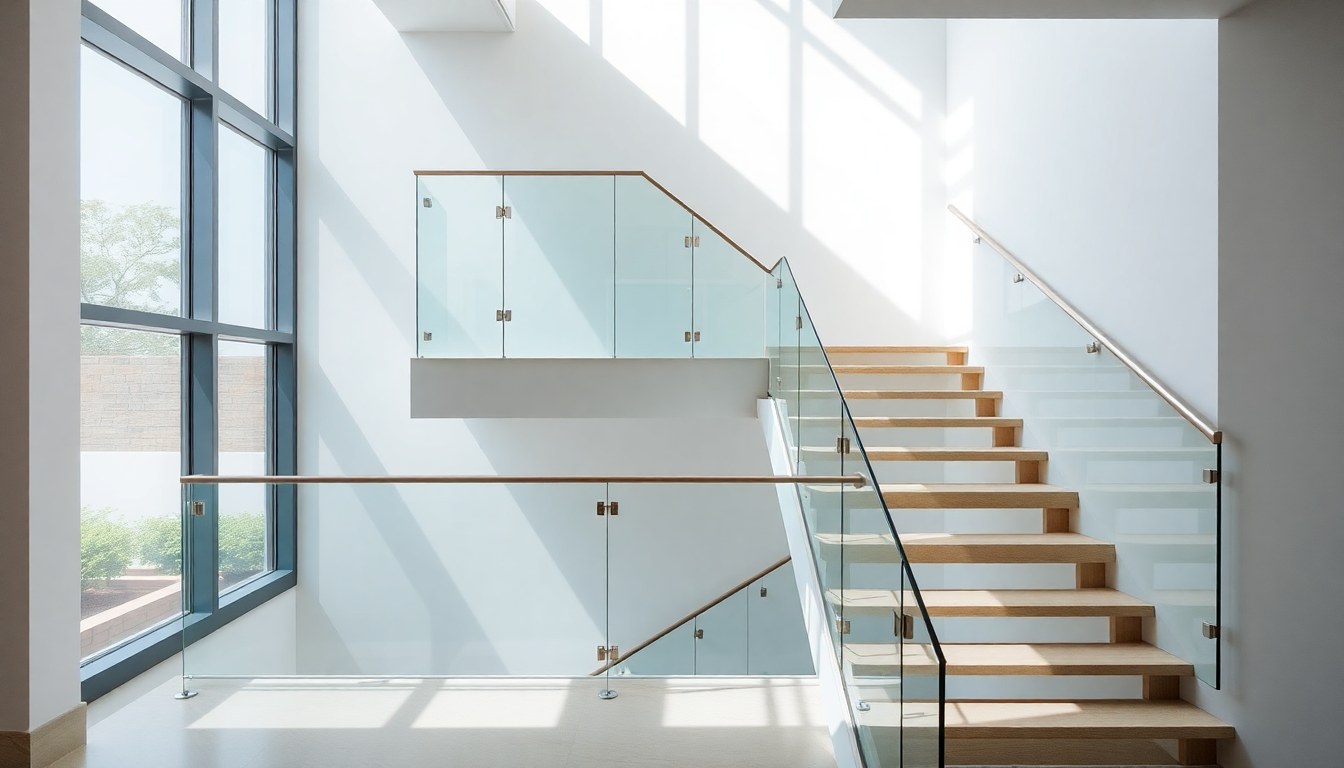
Glass staircase railings have become a popular choice for modern Indian homes and commercial buildings, offering a sleek aesthetic while maintaining sightlines and natural light flow. However, installing them safely requires understanding building codes, toughened glass specifications, and proper installation techniques. This guide covers everything you need to know about glass staircase balustrades—from safety standards to design options and costs—to help you make an informed decision for your project.
Why Glass Staircase Railings Are Popular in India
Glass railings have gained traction in Indian residential and commercial spaces for several compelling reasons. They create an illusion of more space, allow light to travel freely through interiors, and deliver a contemporary look that appeals to modern design sensibilities. Unlike solid wooden or metal railings, frameless glass balustrades don't obstruct views, making them ideal for homes with scenic balconies or multi-level layouts.
Beyond aesthetics, glass railings are durable, low-maintenance, and resistant to corrosion—a significant advantage in India's humid and coastal climates. They also work well in both traditional and minimalist interiors, adapting to various architectural styles. Cost-effectiveness has improved over the years, making them accessible to middle and upper-middle-class homeowners across Indian metros and tier-2 cities.
Safety Standards and Building Code Compliance in India
Before installing glass staircase railings, you must comply with Indian building codes and safety standards. The primary regulations governing staircase railings in India include the National Building Code (NBC) and local municipal bylaws. These standards ensure that railings protect occupants from falls and accidents.
Key Safety Requirements
- Height: Staircase railings must be at least 1000 mm (approximately 3.3 feet) above the stair tread or landing, measured from the nosing of the stair.
- Load capacity: Railings must withstand a horizontal load of 1.2 kN/m (kilonewtons per meter), equivalent to approximately 120 kg force applied at the top rail.
- Glass thickness: Toughened glass must be at least 10 mm thick for staircase railings, though 12 mm is recommended for added safety and stability.
- Baluster spacing: Vertical elements (if present) must not allow a 100 mm sphere to pass through, preventing children from getting stuck.
- Toughening requirement: All glass used in railings must be toughened (tempered) glass, not ordinary annealed glass. Toughened glass is 4–5 times stronger and breaks into small, harmless granules rather than sharp shards.
These standards are non-negotiable and form the foundation of safe glass railing installations. Always verify compliance with your local municipal corporation or building authority before finalizing designs.
Toughened Glass Specifications for Staircase Railings
Toughened glass is the only acceptable material for staircase railings in India. This glass undergoes a thermal treatment process that increases its strength and safety characteristics. Understanding its properties helps you choose the right product for your installation.
Why Toughened Glass Is Essential
Toughened glass is created by heating ordinary glass to approximately 650°C and then cooling it rapidly. This process creates internal stress that makes the glass much harder to break. If toughened glass does break, it shatters into small, relatively harmless cubes rather than sharp, jagged pieces, significantly reducing injury risk. For staircase railings, this property is critical because falls or impacts are always possible in high-traffic areas.
Glass Thickness and Load Ratings
The thickness of toughened glass directly affects its load-bearing capacity and safety rating. For staircase railings in India, the minimum recommended thickness is 10 mm, but 12 mm is preferred for better durability and reduced vibration. Some high-end installations use 15 mm toughened glass for maximum stability and aesthetic impact. Thicker glass also handles temperature fluctuations better, an important consideration in India's variable climate.
Frameless vs. Framed Glass Railing Designs
When selecting a glass staircase railing system, you'll encounter two main design approaches: frameless and framed. Each has distinct advantages, and your choice depends on budget, aesthetic preference, and structural requirements.
Frameless Glass Railings
Frameless systems use toughened glass panels held in place by minimal metal hardware—typically stainless steel or aluminum channels at the base and top. This design maximizes the visual appeal, creating an unobstructed, modern look that emphasizes the staircase itself. Frameless railings are ideal for contemporary homes and commercial spaces where aesthetics are paramount.
However, frameless systems are more expensive to install, require precise measurements and professional fitting, and may need additional support posts or cables for structural integrity. They also require regular cleaning to maintain their pristine appearance, as fingerprints and dust are more visible on unsupported glass panels.
Framed Glass Railings
Framed systems incorporate metal (aluminum or stainless steel) frames around the glass panels, providing structural support and visual definition. The frame can be powder-coated in various colors to match interior décor. Framed railings are more forgiving during installation, more affordable than frameless options, and easier to maintain.
The trade-off is that the frame visually divides the glass, reducing the seamless, modern aesthetic. However, well-designed framing can enhance the overall look, especially in homes with contemporary or industrial design themes. Framed systems are also more suitable for older buildings or renovations where structural modifications might be limited.
Installation Requirements and Best Practices
Proper installation is crucial for the safety and longevity of glass staircase railings. Whether you choose frameless or framed systems, the installation process must follow specific guidelines and be performed by qualified professionals.
Pre-Installation Considerations
- Structural assessment: Have a structural engineer evaluate the staircase to ensure it can support the railing system and handle the required load capacity.
- Accurate measurements: Precise measurements of the staircase length, height, angles, and landing dimensions are essential. Any discrepancies can lead to poor fit and safety issues.
- Surface preparation: The mounting surface must be clean, dry, and level. Any unevenness should be corrected before installation begins.
- Compliance verification: Confirm that your design meets all NBC and local building code requirements before proceeding.
Installation Process
The installation typically begins with securing the base rail or channel to the staircase structure using expansion anchors or bolts. For frameless systems, the glass panels are then inserted into the channels and secured with stainless steel fittings. For framed systems, the frame is assembled first, and glass panels are fitted into the frame slots. The top rail is then installed, and all connections are sealed with silicone or structural adhesive to prevent water infiltration.
Professional installers use specialized tools and follow manufacturer guidelines to ensure proper alignment, adequate sealing, and secure fastening. The entire process typically takes 2–5 days, depending on the staircase length and system complexity. After installation, the railing should be tested for stability and load capacity before the space is occupied.
Cost of Glass Staircase Railings in India
The cost of glass staircase railings varies significantly based on design, glass thickness, material quality, and installation complexity. Understanding the price structure helps you budget effectively and make informed decisions.
Price Breakdown
In India, frameless glass staircase railings typically cost between ₹1,500 to ₹3,500 per running meter, including 10–12 mm toughened glass and stainless steel fittings. Framed systems are more affordable, ranging from ₹1,000 to ₹2,500 per running meter. For a typical residential staircase of 12–15 running meters, you can expect a total cost of ₹15,000 to ₹50,000 or more, depending on the system chosen.
Installation charges vary by region and installer expertise, typically ranging from ₹5,000 to ₹15,000 for a standard residential staircase. Premium materials, custom designs, or complex structural requirements can increase costs further. Always obtain quotes from multiple installers and ensure they provide detailed breakdowns of materials and labor.
Factors Affecting Cost
- Glass thickness (10 mm vs. 12 mm vs. 15 mm)
- Frameless vs. framed design
- Stainless steel or aluminum fittings
- Tinted or clear glass
- Staircase length and complexity
- Installation location (metro cities tend to be more expensive)
- Warranty and after-sales service
Maintenance and Longevity
Glass staircase railings are relatively low-maintenance, but proper care extends their lifespan and keeps them looking pristine. Regular cleaning with mild soap and water, followed by drying with a soft cloth, removes dust and fingerprints. Avoid abrasive cleaners or harsh chemicals that can damage the glass or fittings.
Inspect the railing periodically for loose fittings, cracks, or signs of corrosion in metal components. Tightening bolts and replacing worn silicone seals prevents water infiltration and maintains structural integrity. With proper maintenance, a quality glass staircase railing can last 20–30 years or more.
Frequently Asked Questions
Is toughened glass mandatory for staircase railings in India?
Yes, toughened (tempered) glass is mandatory for all staircase railings in India according to the National Building Code and local building regulations. Ordinary annealed glass is not permitted because it shatters into sharp, dangerous shards. Toughened glass breaks into small, relatively harmless granules, making it safe for high-traffic areas like staircases.
What is the minimum glass thickness required for staircase railings?
The minimum recommended thickness is 10 mm toughened glass. However, 12 mm is preferred for better durability, reduced vibration, and improved load-bearing capacity. Some installations use 15 mm for maximum stability and aesthetic impact. The choice depends on the staircase span, expected traffic, and budget.
How much load must a staircase railing withstand?
According to Indian building codes, staircase railings must withstand a horizontal load of 1.2 kN/m (approximately 120 kg of force) applied at the top rail. This ensures the railing can support accidental impacts and prevent falls. Professional installation and proper material selection ensure compliance with this requirement.
What is the cost difference between frameless and framed glass railings?
Frameless glass railings typically cost ₹1,500–₹3,500 per running meter, while framed systems cost ₹1,000–₹2,500 per running meter. Frameless systems are more expensive due to the precision required in installation and the specialized hardware needed. However, they offer a cleaner, more modern aesthetic that many homeowners prefer.
How often should glass staircase railings be cleaned and maintained?
Glass railings should be cleaned monthly or as needed to remove dust and fingerprints. Use mild soap and water with a soft cloth, avoiding abrasive cleaners. Inspect fittings and seals quarterly for tightness and signs of wear. With regular maintenance, a quality glass railing lasts 20–30 years or more without significant issues.
Glass staircase railings combine safety, aesthetics, and durability when properly designed and installed. Whether you're renovating an existing staircase or building new, understanding safety standards, material specifications, and design options ensures you make the right choice for your home. Connect with experienced glass railing suppliers and installers through the glassy.in directory to find qualified professionals in your city who can deliver compliant, beautiful solutions tailored to your needs.