
Glass Railings
Glass Staircase Railings: Load Capacity & Safety Standards in India
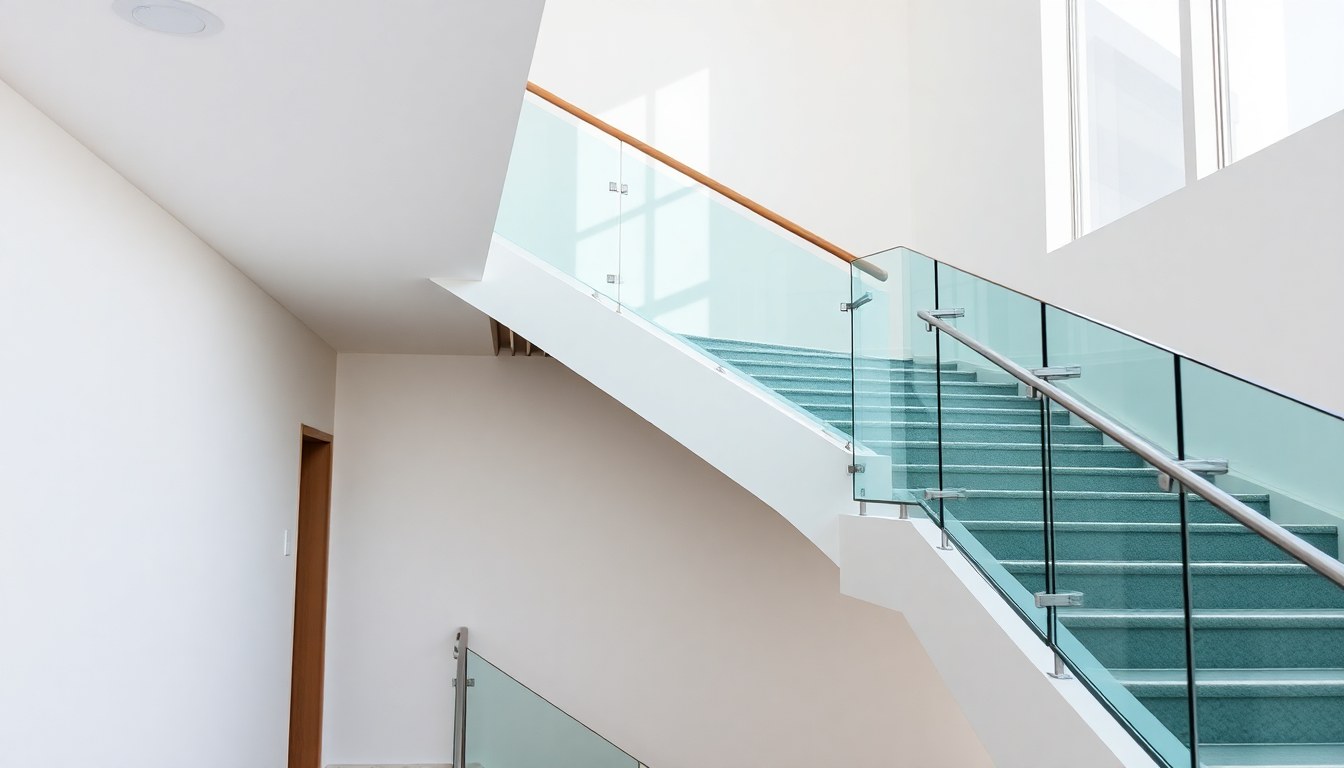
Glass staircase railings have become a hallmark of modern interior design, offering unobstructed views and an elegant aesthetic. However, their safety and structural integrity depend entirely on proper material selection, thickness, and adherence to Indian building codes. This guide walks you through the load capacity requirements, toughened glass specifications, and regulatory standards you need to know before installing glass railings in residential or commercial staircases.
Understanding Toughened Glass for Staircase Railings
Toughened glass (also called tempered glass) is the only acceptable choice for staircase railings in India. This glass undergoes a controlled heating and rapid cooling process that increases its strength by 4–5 times compared to ordinary annealed glass. When toughened glass breaks, it shatters into small, relatively harmless granules rather than sharp shards, significantly reducing injury risk.
The manufacturing process creates internal compressive stress on the glass surface, which absorbs impact energy. This property makes toughened glass ideal for high-traffic areas like staircases where accidental contact is inevitable. Indian manufacturers produce toughened glass to IS 2553-1982 standards, which specify minimum strength and safety parameters.
Why Ordinary Glass Fails
Ordinary annealed glass is prohibited for railings because it shatters into dangerous sharp fragments under impact. It also lacks the strength to handle lateral loads from people leaning or pushing against the railing. Using non-toughened glass exposes property owners to legal liability and safety risks.
Glass Thickness and Load-Bearing Capacity
The thickness of toughened glass directly determines its load capacity. Indian safety standards and the National Building Code (NBC) specify minimum thickness based on the railing height and expected usage patterns. The relationship between thickness and load capacity is not linear—doubling thickness roughly quadruples load capacity.
- 8 mm toughened glass: Suitable for low-traffic residential areas; load capacity approximately 150–200 kg per linear meter
- 10 mm toughened glass: Ideal for residential staircases with moderate traffic; load capacity approximately 300–400 kg per linear meter
- 12 mm toughened glass: Recommended for commercial buildings and high-traffic areas; load capacity approximately 500–700 kg per linear meter
- 15 mm toughened glass: Used in heavy-traffic commercial spaces and public buildings; load capacity approximately 800–1000 kg per linear meter
For most residential staircases in India, 10 mm toughened glass is the industry standard. Commercial installations typically require 12 mm or thicker. The actual load capacity also depends on the frame material (aluminium, stainless steel, or mild steel) and the spacing between support posts, which should not exceed 1.2 metres for optimal safety.
Calculating Load Requirements
The National Building Code of India specifies a minimum horizontal load of 1.2 kN/m² (approximately 122 kg/m²) for residential railings and 1.5 kN/m² for commercial spaces. This translates to the force exerted when a person leans or pushes against the railing. Engineers use these figures to determine the minimum glass thickness and frame specifications needed for a given installation.
Indian Safety Standards and Building Codes
Several regulatory frameworks govern glass railing installations across India. Compliance with these standards is not optional—it is a legal requirement for all new construction and renovation projects.
National Building Code (NBC) 2016
The NBC Part 4 Section 1 specifies requirements for stairs, ramps, and railings. Key provisions include:
- Minimum railing height of 1.0 metre (1.2 metres in commercial buildings)
- Horizontal load resistance of 1.2 kN/m² for residential and 1.5 kN/m² for commercial
- Vertical load capacity of 3.6 kN/m² to prevent collapse under concentrated weight
- No opening larger than 100 mm to prevent a child's head from passing through
Indian Standards (IS) Specifications
The Bureau of Indian Standards (BIS) has established critical benchmarks:
- IS 2553-1982: Specifies toughened glass composition, thermal stress resistance, and impact strength
- IS 2573-1982: Covers safety requirements for toughened glass
- IS 4099-1993: Details safety glazing materials for buildings
All toughened glass used in railings should carry an ISI mark, confirming that it meets these standards. Always verify the certification before purchasing glass from suppliers.
Local Building Bylaws
Municipal corporations in major cities—Delhi, Mumbai, Bangalore, Hyderabad, and Chennai—have their own building bylaws that may impose stricter requirements than the NBC. For instance, some municipalities require additional safety features like laminated glass or polycarbonate backings in certain applications. Always check with your local municipal authority before finalizing designs.
Load Capacity Testing and Verification
Professional installation requires load testing to ensure the railing meets specifications. Third-party testing laboratories in India conduct these tests following NBC guidelines. The testing process involves applying gradual horizontal and vertical loads to the railing assembly until it reaches or exceeds the design load capacity.
Reputable glass suppliers and installation companies provide test certificates with every project. These certificates document that the installed system meets or exceeds the required load capacity. For commercial projects, such documentation is mandatory for building permits and insurance purposes.
On-Site Inspection
After installation, a qualified engineer should inspect the railing to verify:
- Glass thickness matches specifications
- Support posts are securely anchored to the staircase structure
- Spacing between posts does not exceed 1.2 metres
- Frame connections are properly welded or bolted
- All components are free from cracks or defects
Cost Considerations and Material Options in India
The cost of glass staircase railings varies significantly based on glass thickness, frame material, and installation complexity. In India, pricing typically ranges from ₹800 to ₹2,500 per linear metre for residential installations and ₹1,500 to ₹4,000 per linear metre for commercial projects.
The frame material influences both cost and durability. Aluminium frames are affordable (₹600–₹1,200 per metre) and lightweight but less robust than stainless steel (₹1,500–₹3,000 per metre). Mild steel frames with powder coating offer a middle ground at ₹800–₹1,500 per metre but require regular maintenance to prevent rust in humid climates.
For enhanced safety in high-traffic areas or public buildings, laminated glass—which combines two or more layers with an interlayer—provides additional impact resistance and prevents complete shattering. Laminated glass costs 20–40% more than standard toughened glass but offers superior safety benefits.
Installation Best Practices
Proper installation is as critical as material selection. The railing must be securely anchored to the staircase structure, typically using expansion bolts embedded in concrete or welded connections for steel structures. Improper installation can compromise load capacity regardless of glass quality.
- Anchor spacing: Support posts should be spaced 1.0–1.2 metres apart
- Fastening: Use stainless steel bolts (minimum M10) for corrosion resistance
- Sealants: Apply silicone sealant around glass edges to prevent water infiltration
- Drainage: Ensure proper drainage in the frame to prevent water accumulation
In humid coastal areas like Mumbai, Chennai, and Kochi, stainless steel frames are strongly recommended to prevent corrosion. Regular maintenance—cleaning with mild soap and water, checking bolt tightness annually—extends the lifespan of the installation to 15–20 years or more.
Frequently Asked Questions
What is the minimum thickness of toughened glass for residential staircase railings in India?
The minimum recommended thickness is 10 mm for residential staircases. However, 8 mm may be acceptable for very low-traffic areas if the support frame is robust and posts are spaced no more than 1.0 metre apart. Always consult the NBC and your local building authority to confirm requirements for your specific location.
Can I use laminated glass instead of toughened glass for staircase railings?
Laminated glass can be used as a supplementary safety measure but must still be toughened (tempered) to meet Indian standards. Laminated toughened glass provides additional impact resistance and prevents complete shattering, making it ideal for commercial buildings and high-traffic areas. It costs more but offers superior safety.
How do I verify that the glass is genuinely toughened and meets Indian standards?
Look for an ISI mark on the glass edge, which indicates compliance with IS 2553-1982 and IS 2573-1982. Request a test certificate from your supplier documenting the glass specifications and load capacity. Reputable manufacturers provide these certificates as standard practice.
What is the typical load capacity of a 10 mm toughened glass railing?
A 10 mm toughened glass railing typically supports a horizontal load of 300–400 kg per linear metre, depending on the frame material and post spacing. This exceeds the NBC minimum requirement of 1.2 kN/m² (approximately 122 kg/m²) for residential applications, providing a safety margin.
Are there any maintenance requirements for glass staircase railings?
Minimal maintenance is required. Clean the glass regularly with mild soap and water. Inspect bolts and fasteners annually to ensure they remain tight. In coastal areas, apply a protective coating to metal frames every 2–3 years to prevent corrosion. Avoid abrasive cleaners that may scratch the glass surface.
Conclusion
Glass staircase railings combine safety with modern aesthetics when designed and installed according to Indian standards. Understanding load capacity, glass thickness, and regulatory requirements ensures your installation is both beautiful and secure. Whether you're planning a residential renovation or a commercial project, prioritize toughened glass certified to BIS standards and engage qualified professionals for installation and inspection.
Ready to find reliable glass suppliers and installation experts in your area? Browse verified glass companies, manufacturers, and service providers on glassy.in, India's largest glass-business directory. Connect with industry professionals who understand local building codes and safety standards.