
Glass Guides
Glass Skylight Installation in Bangalore Villas: Structural Load & Safety Standards
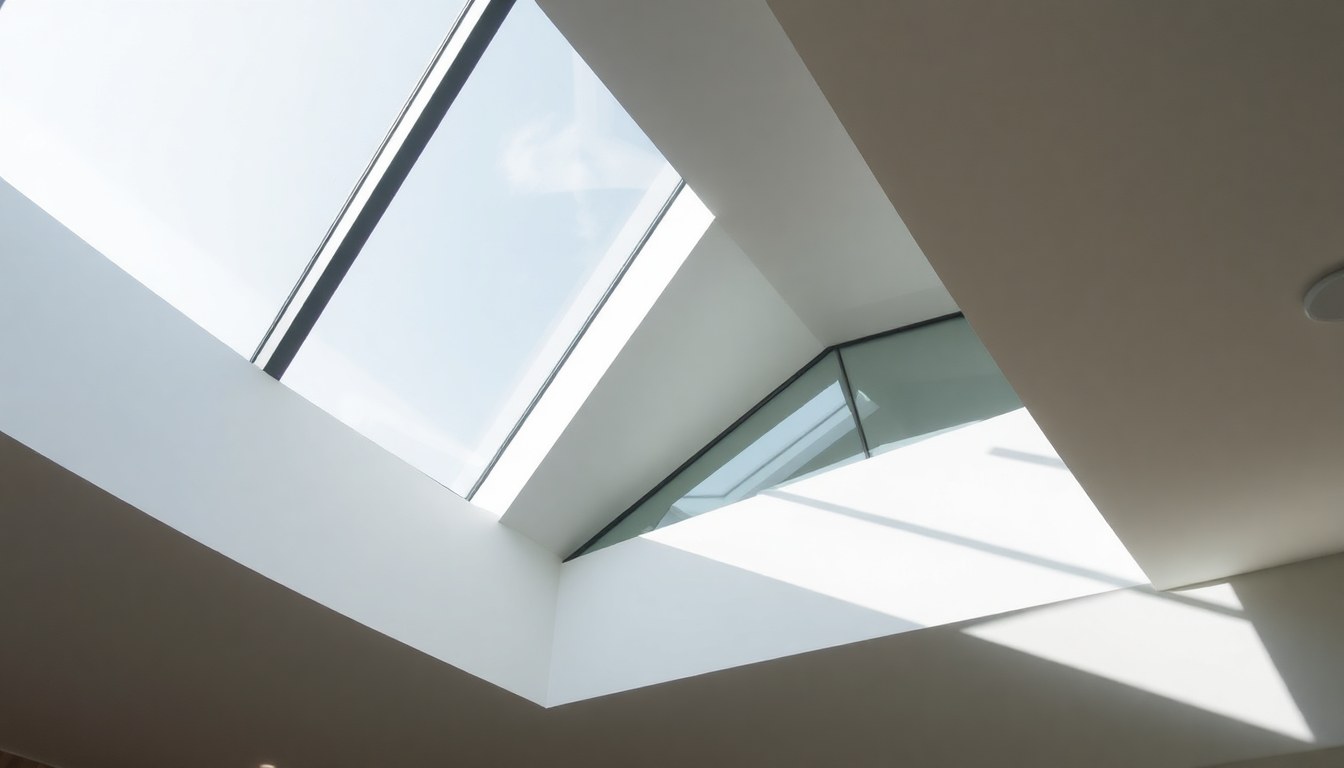
A glass skylight transforms any Bangalore villa into a naturally lit, architecturally stunning space—but only when installed correctly. Improper planning can lead to structural failure, water leaks, and costly repairs. This guide walks you through the technical requirements, safety standards, and cost considerations essential for a successful skylight installation in luxury homes.
Understanding Structural Load Calculations for Skylights
Before any glass panel touches your roof, engineers must calculate the dead load (weight of the skylight frame and glass) and live loads (wind, rain, and maintenance personnel). In Bangalore's tropical climate, wind speeds during monsoon can reach 40–50 km/h, requiring robust structural support. The roof must bear not only the skylight's static weight but also dynamic forces from weather events.
A typical residential skylight weighs 50–150 kg, depending on size and glass type. However, the supporting frame, flashing, and insulation add another 30–50 kg. Engineers use Indian Standard IS 875-1987 (Code of Practice for Design Loads for Buildings and Structures) to determine safe load limits. For Bangalore villas, most roofs are designed for 40–60 kg/m² live load; your structural consultant must verify that the skylight installation doesn't exceed this capacity.
Roof Type Considerations
- Reinforced Concrete (RCC) roofs: Most durable; can handle concentrated loads of 200–300 kg with proper reinforcement around the skylight opening.
- Wooden trusses: Common in older villas; require additional bracing and load distribution beams to prevent sagging.
- Steel frame roofs: Excellent for skylights; distribute loads evenly if properly engineered.
Your structural engineer will recommend reinforcement methods such as adding steel beams, increasing slab thickness locally, or installing a secondary load-bearing frame around the skylight opening.
Tempered vs. Laminated Glass: Which Is Right for Your Villa?
Glass selection directly impacts safety, durability, and cost. Both tempered and laminated glass are suitable for skylights, but they serve different purposes and comply with Indian standards differently.
Tempered Glass
Tempered glass is heat-treated to withstand thermal and mechanical stress. It is four to five times stronger than annealed (standard) glass and resists temperature fluctuations common in Bangalore's climate. When it breaks, tempered glass fractures into small, relatively harmless granules rather than sharp shards, reducing injury risk. The cost ranges from ₹800–₹1,500 per square meter, depending on thickness and size.
However, tempered glass cannot be cut or drilled after treatment. If your skylight design requires custom shapes or openings, you must finalize dimensions before tempering. Tempered glass is ideal for rectangular or square skylights in standard sizes.
Laminated Glass
Laminated glass consists of two or more glass panes bonded with a polyvinyl butyral (PVB) interlayer. If the outer pane breaks due to impact or thermal stress, the interlayer holds the glass together, preventing sharp fragments from falling into the room below. This makes it the safer choice for overhead installations, especially in homes with children or elderly residents.
Laminated glass also provides superior sound insulation and UV protection, extending the life of interior furnishings. Cost ranges from ₹1,200–₹2,500 per square meter. The interlayer can be tinted to reduce glare and heat gain, which is particularly valuable in Bangalore's sunny climate. Laminated glass can be cut and drilled after manufacturing, offering greater design flexibility.
Indian Safety Standards
Indian Standard IS 2553-1982 (Safety Code for Use of Glass in Buildings) mandates that all overhead glazing in occupied spaces must be either tempered or laminated. The National Building Code of India (NBC) further specifies that skylights in residential buildings must use safety glass with a minimum thickness of 6 mm (tempered) or 8 mm (laminated). Many architects and builders in Bangalore now prefer laminated glass for skylights due to its superior safety profile.
Waterproofing Methods and Flashing Installation
Bangalore's monsoon rains (June–September) bring heavy downpours. Poor waterproofing is the leading cause of skylight failure and water damage in villas. A multi-layered waterproofing approach is essential.
Flashing System
Flashing is the metal or rubber seal that bridges the gap between the skylight frame and the roof. High-quality flashing materials include anodized aluminum, stainless steel, or EPDM rubber. The flashing must overlap the roof's waterproofing membrane and be sealed with polyurethane sealant rated for outdoor use. In Bangalore, UV-resistant sealants (rated for 10+ years) are recommended to withstand intense sun exposure.
The flashing should extend at least 150 mm above the skylight frame and 200 mm down the roof slope to channel water away from the installation. Improper overlap is a common mistake that leads to leaks within the first monsoon season.
Secondary Waterproofing Layer
Below the flashing, install a secondary waterproofing membrane (bituminous or synthetic rubber) that extends under the flashing and down the interior roof surface. This acts as a backup if the primary flashing fails. Additionally, a condensation drain channel around the interior perimeter of the skylight frame prevents moisture accumulation inside the frame cavity.
Sealant Selection
Use only polyurethane or silicone sealants specifically rated for exterior use and compatible with both glass and metal. Acrylic sealants degrade quickly in Bangalore's heat and humidity. Reapply sealants every 5–7 years as part of routine maintenance. Budget ₹15,000–₹30,000 for professional waterproofing installation on a standard residential skylight.
Compliance with Indian Building Codes and Local Regulations
Bangalore falls under the jurisdiction of the Bruhat Bengaluru Mahanagara Palike (BBMP) and must comply with the National Building Code of India (NBC 2016). Before installation, obtain approval from your local authority or hire a licensed structural engineer to certify compliance.
Key Regulatory Requirements
- Safety glass certification: All glass must carry the Indian Standards mark (ISI) and test certificates from accredited laboratories.
- Structural design approval: Submit structural drawings to BBMP or a municipal authority-recognized engineer for approval.
- Wind resistance: Skylights must withstand wind speeds up to 50 km/h per IS 875-1987.
- Thermal insulation: If your villa is in a gated community with energy efficiency requirements, the skylight frame must meet U-value standards (typically ≤ 3.5 W/m²K).
- Accessibility for maintenance: NBC requires that skylights be accessible for cleaning and repair without compromising structural integrity.
Many luxury villa projects in Bangalore, particularly those designed by firms like D Design Door - Finest Bespoke Interiors, incorporate skylights as part of their architectural plans and ensure full code compliance during the design phase. If you're retrofitting a skylight into an existing villa, engage a structural consultant early to avoid costly redesigns.
Cost Breakdown and Budget Planning for Bangalore Villas
Skylight installation costs vary widely based on size, glass type, roof structure, and complexity. Here's a realistic breakdown for a typical Bangalore villa:
- Glass panel (tempered, 1.5 m × 1.5 m): ₹18,000–₹30,000
- Aluminum or steel frame: ₹20,000–₹40,000
- Flashing and waterproofing materials: ₹15,000–₹25,000
- Structural reinforcement (if needed): ₹30,000–₹100,000
- Installation labor: ₹25,000–₹50,000
- Structural engineer consultation: ₹10,000–₹20,000
- Total estimated cost: ₹118,000–₹265,000 for a standard installation
Larger skylights (2 m × 2 m) or custom designs can exceed ₹400,000. Laminated glass adds ₹5,000–₹15,000 to the material cost but is worth the investment for safety and durability. Interior designers like Yukta Interiors often recommend integrating skylights into comprehensive villa renovation plans to optimize structural work and reduce overall costs.
Hidden Costs to Budget For
Condensation management systems, interior trim work, and potential roof repairs discovered during installation can add 15–25% to the base cost. Always request a contingency budget of 10–15% for unforeseen structural issues.
Installation Process and Timeline
A professional skylight installation typically takes 5–10 working days, depending on roof complexity and weather. The process includes structural assessment, roof opening creation, frame installation, flashing application, waterproofing, and final sealing. During the monsoon season (June–September), schedule installation during dry spells to ensure proper curing of waterproofing materials. If your villa is undergoing broader interior renovation, coordinate skylight installation with other work to minimize disruption.
Frequently Asked Questions
What is the ideal size for a skylight in a Bangalore villa?
For residential spaces, skylights between 1 m × 1 m and 2 m × 2 m are most practical. Larger skylights (over 3 m²) require significant structural reinforcement and increase heat gain in Bangalore's climate. Smaller skylights (under 0.5 m²) provide minimal natural light benefit. Consult your architect to determine the optimal size based on room dimensions and desired light levels.
How do I prevent heat gain from a skylight in Bangalore's hot climate?
Use low-emissivity (Low-E) coated glass or apply external shading solutions like motorized blinds, reflective films, or external louvers. Laminated glass with tinted interlayers reduces solar heat transmission by 30–50%. Proper ventilation around the skylight frame also helps dissipate heat. These measures can reduce cooling costs by 10–15% during summer months.
Is a skylight safe during thunderstorms in Bangalore?
Yes, if properly installed with a grounded metal frame and flashing system. Glass itself does not conduct lightning; the metal frame and building structure handle electrical discharge. Ensure your villa's lightning protection system is comprehensive and includes the skylight installation. Most modern villas in Bangalore have integrated lightning rods that protect all roof-mounted structures.
How often should I maintain my skylight?
Inspect sealants and flashing twice yearly—before and after the monsoon season. Clean the glass quarterly to maintain light transmission. Reapply sealants every 5–7 years. If you notice water stains, condensation buildup, or visible cracks, address them immediately to prevent structural damage. Professional maintenance typically costs ₹5,000–₹10,000 annually.
Can I install a skylight in an existing villa without major structural work?
It depends on your roof type and condition. RCC roofs can often accommodate skylights with localized reinforcement, while wooden truss roofs may require substantial bracing. Have a structural engineer assess your roof before committing to the project. In some cases, structural work can be minimized by choosing a smaller skylight size or relocating the installation to a stronger section of the roof.
Next Steps: Connect with Bangalore's Glass and Interior Experts
Installing a glass skylight in your Bangalore villa is a significant investment that demands technical expertise and quality materials. Whether you're planning a complete renovation or adding a skylight to an existing home, partnering with experienced professionals ensures safety, compliance, and long-term satisfaction. Explore Bangalore's trusted glass dealers and interior designers on glassy.in, India's largest glass-business directory. Find certified suppliers, compare quotes, and connect with architects who specialize in luxury villa installations today.