
Interior Design
Glass Shopfront Design: Maximizing Display & Natural Light
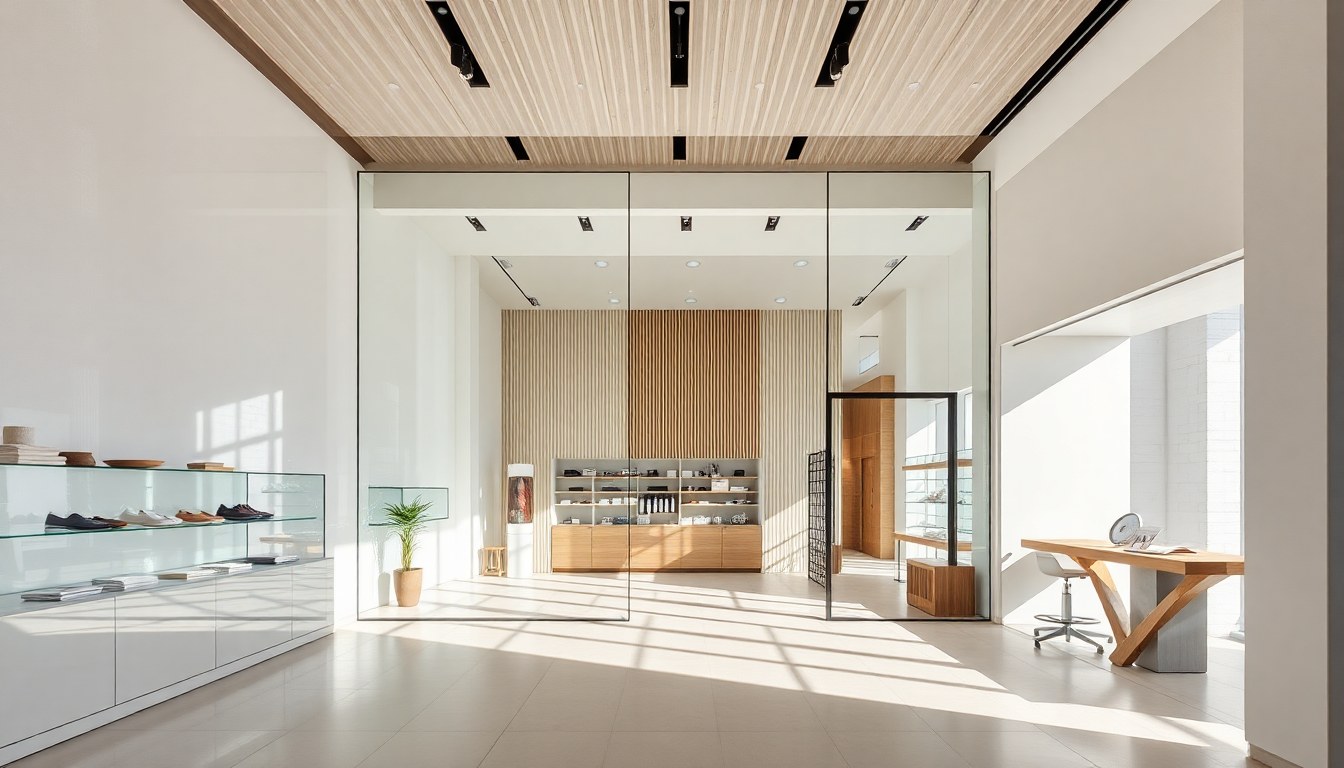
A well-designed glass shopfront is the silent salesman of retail—it draws customers in, showcases products beautifully, and transforms natural light into a competitive advantage. Whether you run a boutique in Mumbai, a jewellery store in Delhi, or a fashion outlet in Bangalore, the right glass shopfront design can increase foot traffic, reduce lighting costs, and create an inviting atmosphere that encourages customers to step inside. In this guide, we'll walk you through the key design principles, glazing options, and practical tips to maximize both display impact and natural light in your retail space.
Understanding Glass Shopfront Fundamentals
A glass shopfront serves multiple functions: it protects your merchandise, creates a visual boundary between street and shop, and acts as a continuous display window. The design must balance transparency with security, aesthetics with functionality, and cost-effectiveness with durability. In Indian retail environments—where monsoons, heat, and dust are constant challenges—choosing the right glass type and frame system is crucial.
The foundation of any shopfront design is understanding your retail category. A jewellery store prioritizes security and subtle lighting; a clothing boutique needs maximum visibility and brightness; a food outlet requires easy cleaning and hygiene standards. Your glass shopfront should reflect these priorities while maintaining a cohesive street-level presence.
Frameless Glazing: The Modern Retail Standard
Frameless glazing has become the gold standard for contemporary retail shopfronts across Indian cities. This system uses minimal or no visible framing, creating an uninterrupted view of your display and interior. The glass panels are held together using patch fittings, silicone seals, and structural glazing—eliminating bulky aluminium frames that can obstruct sightlines and date your storefront.
Benefits of Frameless Systems
- Maximum visibility: Customers see your full display without frame interruptions, increasing impulse purchases.
- Cleaner aesthetics: The minimal frame design suits modern retail branding and upscale positioning.
- Easy maintenance: Fewer frame corners mean less dust accumulation—important in Indian urban environments.
- Flexible design: Works with corner glass, curved layouts, and multi-level displays.
In practice, frameless glazing in Indian retail typically uses 10mm to 12mm toughened glass for strength and safety. Toughened glass is essential because it crumbles into small, harmless pieces if broken—protecting customers and staff. The cost ranges from ₹800 to ₹1,500 per square foot, depending on the complexity of fittings and local labour rates.
Corner Glass Solutions for Maximum Impact
The corner of your shopfront is prime real estate. A traditional 90-degree corner with a frame post blocks sightlines and wastes valuable display space. Modern corner glass solutions eliminate this problem by using structural glazing and reinforced glass panels that wrap around corners without visible framing.
Types of Corner Glazing
- Structural corner glass: Uses silicone sealant and stainless-steel patch fittings to join two glass panels at a right angle. This creates an invisible corner joint and maximizes visibility from both street directions.
- Curved corner glass: For premium retail spaces, curved glass panels can wrap around corners smoothly. Requires custom fabrication but creates a distinctive, high-end appearance.
- Mitered corner glass: Two glass panels are cut at 45 degrees and joined at the corner. Offers a clean look with minimal visible framing.
Corner solutions are particularly valuable in Indian retail locations where corner shops command premium rent. A corner shopfront in a mall or high-street location can attract customers from two directions simultaneously. The investment—typically ₹2,000 to ₹3,000 per running metre for structural corner glazing—pays dividends in visibility and brand presence.
Anti-Glare and Solar Control Coatings
India's intense sunlight is both an asset and a challenge. While natural light attracts customers and creates an inviting atmosphere, direct sun can cause glare, fade merchandise, and overheat your shop interior. Anti-glare and solar-control coatings solve this problem by reducing reflection and heat transmission while maintaining visibility.
Coating Options for Indian Retail
Anti-reflective coatings reduce the mirror-like reflection of glass, allowing customers to see displays clearly from any angle. These are especially useful for jewellery stores, where glare can obscure details of fine pieces. The coating is applied during glass manufacture and is permanent.
Solar-control films are adhesive layers applied to the glass surface that block 40-70% of solar heat while allowing 70-80% of light through. Common options include:
- Dyed films (₹150-300 per sq ft): Budget-friendly, reduce heat and glare, but may slightly darken the view.
- Metallized films (₹300-500 per sq ft): More effective heat rejection, maintain brightness, reduce fading of merchandise.
- Ceramic films (₹500-800 per sq ft): Premium option, highest heat rejection, no signal interference (important if you have security cameras or WiFi).
In a typical Indian retail shop, applying solar-control film can reduce air-conditioning costs by 15-25% during peak summer months. For shops in Delhi, Mumbai, or Bangalore where summers are intense, this translates to significant operational savings.
Lighting Design & Display Integration
Glass shopfronts are only as effective as the displays they showcase. Strategic lighting transforms glass from a barrier into a visual stage. During daytime, maximize natural light by keeping glass clean and using light-coloured interior finishes that reflect and distribute sunlight. During evening hours, artificial lighting becomes critical—it attracts attention and creates ambiance.
Practical Lighting Tips
Position LED spotlights or track lights 1-2 metres inside the glass, angled toward your primary display items. This creates depth and draws the eye inward. Avoid lighting the glass surface itself—this causes reflection and glare. Use warm white LEDs (3000K colour temperature) for fashion and lifestyle retail; cool white (4000-5000K) for jewellery and electronics where clarity is essential.
Consider tiered lighting: bright accent lights for hero products, softer ambient light for the overall shop interior, and subtle path lighting to guide customers toward entrances. In Indian retail spaces where power consumption is a concern, LED technology is ideal—it consumes 70-80% less energy than traditional halogen or incandescent bulbs and lasts 25,000-50,000 hours.
Practical Design Tips for Indian Retail Spaces
Designing a glass shopfront in India requires attention to local climate, regulations, and customer behaviour. Here are actionable tips for retail shop owners and designers:
- Plan for monsoons: Ensure proper drainage around the base of your shopfront. Water ingress is common in Indian cities during heavy rains. Use silicone sealants rated for high-humidity environments and install a slight slope in the floor toward the exterior.
- Choose security-rated glass: Laminated or toughened glass is essential in high-crime areas. Laminated glass holds together if broken, preventing easy smash-and-grab theft. Cost is slightly higher (₹1,200-2,000 per sq ft) but worthwhile for jewellery, electronics, or high-value merchandise.
- Optimize for pedestrian flow: In Indian shopping districts, foot traffic is dense and unpredictable. Avoid sharp glass edges at eye level, use safety markers or frosted sections if your shop is in a high-traffic area, and ensure the entrance is clearly visible and accessible.
- Maintain visibility of entrance: Don't block the door with displays. Keep the entrance glass clear or use subtle branding. Customers should immediately understand how to enter your shop.
- Plan for cleaning: Dust and pollution are significant in Indian cities. Design your shopfront for easy cleaning—avoid recessed frames where dirt accumulates, use hydrophobic coatings that repel water and dust, and schedule weekly cleaning in high-pollution areas.
- Consider local regulations: Municipal corporations in Indian cities often have rules about shopfront projection, signage placement, and glass safety standards. Check with your local authority before finalizing designs.
Frequently Asked Questions
What thickness of glass is best for retail shopfronts in India?
For most retail applications, 10mm toughened glass is the standard. It provides adequate strength against impact, thermal stress, and wind loads common in Indian cities. For ground-floor shops in high-crime areas or those storing high-value merchandise, 12mm laminated glass offers better security. Thickness should be verified by a structural engineer based on your specific location, wind exposure, and merchandise value.
How much does a frameless glass shopfront cost in India?
Costs vary significantly by city and complexity. A basic frameless shopfront in Tier-2 cities runs ₹800-1,200 per square foot for materials and installation. In major metros like Mumbai or Delhi, expect ₹1,200-1,800 per sq ft. Corner solutions, anti-glare coatings, and custom fabrication add 20-40% to the base cost. A typical 100 sq ft storefront might cost ₹80,000-180,000 depending on these factors.
Do anti-glare coatings reduce the brightness inside the shop?
Quality anti-glare and solar-control coatings maintain 70-80% light transmission while reducing glare and heat. You'll notice a slight reduction in brightness—roughly equivalent to wearing sunglasses—but this is intentional and beneficial. It protects merchandise from fading, reduces heat, and creates a more comfortable shopping environment. The reduction is not severe enough to require additional artificial lighting during daylight hours.
How often does a glass shopfront need maintenance in Indian weather?
Weekly cleaning is recommended in dusty or polluted areas (Delhi, industrial zones) to maintain visibility and aesthetics. In cleaner areas, bi-weekly cleaning suffices. Inspect silicone seals and patch fittings annually, especially before monsoon season. In high-humidity coastal areas (Mumbai, Goa), consider anti-fungal treatments for seals. Proper maintenance extends the lifespan of your shopfront from 15-20 years to 25+ years.
Can I retrofit anti-glare coating to an existing glass shopfront?
Yes. Solar-control films can be applied to existing glass at a cost of ₹150-800 per sq ft depending on film quality. However, anti-reflective coatings must be applied during glass manufacture and cannot be retrofitted. If your existing shopfront has significant glare issues, solar-control film is a cost-effective retrofit solution. Professional installation ensures bubble-free application and optimal performance.
Transform Your Retail Space Today
A thoughtfully designed glass shopfront is an investment in your retail business's success. From frameless glazing that maximizes visibility to solar-control coatings that protect merchandise and reduce costs, every design choice impacts customer experience and your bottom line. Whether you're opening a new store or refreshing an existing shopfront, prioritize quality glass, professional installation, and designs tailored to your location and merchandise. Explore verified glass suppliers, designers, and installation experts on the glassy.in directory—India's most comprehensive platform for glass business solutions. Find the right partner to bring your shopfront vision to life.