
Glass Roofs in Architecture: Pros and Cons Explained
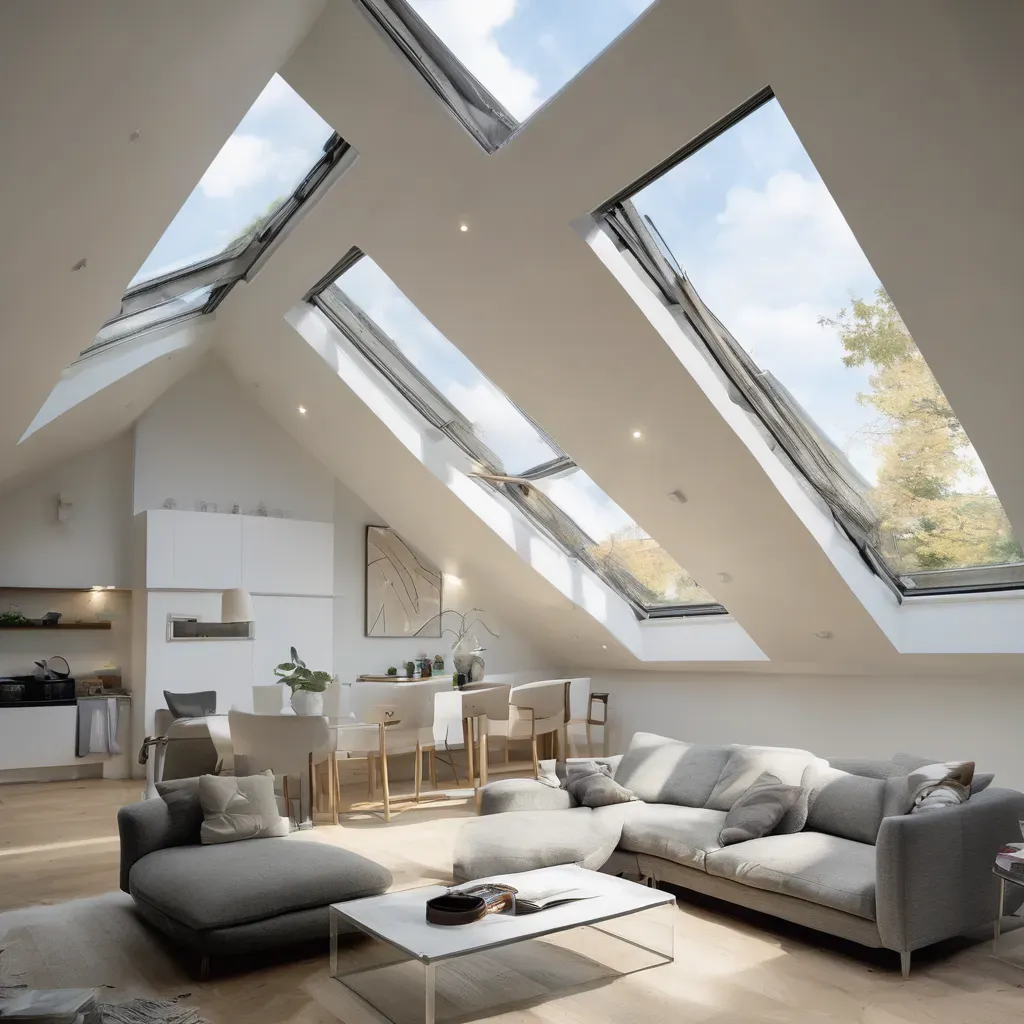
Pros and Cons of Using Glass Roofs in Architecture
Glass roofs have become an iconic feature in contemporary architecture, seamlessly blending aesthetics, functionality, and modern technology. Their transparent allure brings in abundant natural light, creates a connection with the outdoors, and showcases the creativity of architectural design. However, despite their advantages, incorporating a glass roof into structures also comes with challenges. If you’re an architect, homeowner, or design enthusiast pondering whether glass roofs align with your vision, this detailed exploration into the pros and cons of using glass roofs in architecture will guide your decision.
What Makes Glass Roofs Special in Modern Architecture?
The use of glass in architecture is often associated with sophistication and elegant minimalism. This timeless material has been reimagined in cutting-edge designs — from skylights that flood indoor spaces with light to striking atriums that blur the boundaries between indoor and outdoor worlds. Glass roofs are particularly impactful, marrying the functional aspects of protection and energy efficiency with the aesthetic roots of light, openness, and interaction with surrounding environments.
Incorporating glass roofs isn’t just about functionality. For many aspiring architects and homeowners, it’s about artistry. Glass roofing is an integral part of the “Art & Glass” movement, transforming spaces into luminous works of art. With advanced glazing technologies, glass roofs not only look beautiful but also fulfill engineering and environmental needs.
The Pros of Using Glass Roofs in Architecture
1. Abundant Natural Light
One of the main reasons people opt for glass roofs is the ability to house beautiful, sunlit spaces. Glass roofs allow an unobstructed influx of natural light, which can make interiors feel more spacious and uplifting. For design enthusiasts, this is an irresistible reason — sunlight helps highlight interiors, from art-inspired wall details to sculptural elements.
Natural light isn’t just about aesthetics. It also supports productivity, mood regulation, and overall well-being by keeping circadian rhythms balanced. For eco-conscious properties, this means reducing reliance on artificial lighting during the day, contributing to energy savings.
Explore stunning glass solutions for your artistic architecture with Glassy — where innovation meets craft.
2. Connection with Nature
Glass roofs provide an intimate connection with the outdoors without compromising comfort. Whether it’s watching a starlit sky from the living room or enjoying panoramic views of your garden in full bloom, these designs can inspire tranquillity and mindfulness.
In urban dwellings, architectural elements like glass roofs can also help city residents feel more grounded, offering a slice of nature in concrete jungles. This trend toward sustainable biophilic design is not merely aesthetic but also deeply functional in contributing to occupants’ emotional well-being.
3. Modern and Customizable Aesthetic
One of the most significant benefits of glass roofs is their versatility. They effortlessly adapt to different architectural styles, be it minimalist, industrial chic, or ultra-modern. For example, pairing a glass roof with exposed steel beams doesn’t just suffuse a space with light; it elevates the design into a sculptural, artistic statement.
With options for frosted, tinted, or patterned glass, you can also gain privacy and customize how light filters through your roof. Cutting-edge technology even allows for dynamic smart glass, which can change opacity with the flick of a switch.
4. Eco-Friendly Features
Sustainable architecture has fueled innovations in glass technology, as high-performance glazing now balances thermal regulation and insulation. Low-emissivity (Low-E) glass and solar-control glazing reduce heat gain while harnessing natural light, helping homeowners save on climate control costs over time. Properly designed glass roofs can minimize your carbon footprint while embracing eco-friendly design principles.
The Cons of Glass Roofs in Architecture
While stunningly advantageous, glass roofs aren’t without their challenges. Below are some considerations potential adopters should keep in mind.
1. Cost
Glass roofs can be pricey compared to traditional roofing materials. Advanced glazing systems, high-quality materials, and structural frameworks that can support the weight of glass often increase initial installation costs. Additionally, the durability of glass demands careful engineering, which may further raise expenses.
2. Maintenance
While undeniably beautiful, glass roofs require meticulous upkeep to remain spotless. Dust, dirt, bird droppings, and even leaves can obstruct views and dull the material’s brilliance. Regular cleaning is necessary to maintain a pristine appearance.
Moreover, repairs can get complicated if damage occurs, especially when dealing with custom-fitted or tempered glass panels. Thus, regular inspections are essential to spot wear or cracks early.
3. Thermal and Acoustic Challenges
Although technological advancements have minimized energy loss, some homeowners may still face issues with overheating during summers or heat loss in winters, particularly if low-quality glass is used. Ensuring proper insulation and sun control is vital.
Additionally, glass roofs can amplify sound from raindrops, hailstorms, and other environmental noises, which may affect a building’s ambiance. Selecting materials that dampen noise and incorporating buffers can help reduce these distractions.
4. Limited Privacy
Transparency is a defining feature of glass roofs, but this also means limited privacy in certain scenarios. This can be a concern for homeowners, especially those in densely populated areas. Fortunately, this drawback can be mitigated using frosted or reflexive glass or utilizing well-thought-out placement and landscaping outside the property.
Making Glass Roofs Work for Your Design
To genuinely leverage the benefits of glass roofs, proper planning and collaboration with skilled professionals is essential. Architects and structural engineers will ensure the framework can handle the roof’s weight, while sustainable materials like double or triple-glazed units can mitigate thermal or acoustic challenges.
For those concerned about maintenance, strategic choices like self-cleaning glass or steep roof pitches can significantly ease the effort required to keep surfaces clean. Incorporating automated blinds or shading devices can also help regulate indoor temperatures while maintaining that sleek, modern look.
Discover innovative glass roofing ideas from Glassy — because every space deserves a story illuminated through artful glasswork.
Conclusion: Is a Glass Roof Right for You?
Glass roofs are undoubtedly an architectural statement, offering unparalleled aesthetic and functional value. They allow natural light to flood interiors, create seamless indoor-outdoor transitions, and act as canvases of extraordinary design within the realm of “Art & Glass.” However, potential drawbacks like maintenance, thermal inefficiencies, and higher initial costs necessitate careful consideration.
If you’re inspired by the idea of turning your architectural vision into a luminous masterpiece, a glass roof can be the pièce de résistance of your design. With thoughtful planning and the right materials, it’s possible to create a balance between style and substance — turning your living space into a haven of light and artistry.# Pros and Cons of Using Glass Roofs in Architecture
Glass roofs have steadily gained prominence in modern architecture, seamlessly fusing functionality with aesthetics. Be it in residential spaces, commercial buildings, or cultural landmarks, glass roofs serve as a standout architectural feature, often associated with openness and elegance. While the use of glass roofs offers several advantages, it’s essential to deliberate on the limitations and challenges before incorporating them into your designs. This article explores both sides of the coin, helping architects, interior designers, and homeowners make informed decisions about integrating these innovative roofs into their spaces.
The Pros of Using Glass Roofs in Architecture
1. Abundant Natural Light
One of the biggest advantages of glass roofs is their ability to flood indoor spaces with natural light. This enhances the overall ambiance of a space, making it feel larger, brighter, and more welcoming.
For example, residential sunrooms and conservatories with glass roofs allow homeowners to enjoy an outdoor-like experience, even when they’re indoors. Similarly, museums or galleries showcasing art and glass exhibits can benefit from strategically designed skylights that emphasize natural illumination to enhance artwork presentation.
Additionally, glass roofs reduce the reliance on artificial lighting during the day, potentially lowering energy consumption and promoting sustainability — an increasingly significant consideration in green architecture.
2. Connection with the Outdoors
Glass roofs help blur the boundaries between interiors and exteriors, connecting occupants with the surrounding environment. Whether it’s the starry night sky, vibrant cityscapes, or lush greenery, a glass roof allows uninterrupted views that create a unique sensory experience.
This natural synergy works wonderfully for homes situated in scenic locations, greenhouses, or even luxury hotels seeking to captivate guests.
3. Enhanced Aesthetic Appeal
Visually, glass roofs are synonymous with modernity, minimalism, and luxury. Incorporating them into an architectural design instantly elevates the project’s sophistication and wow factor. With tailored designs, tinted or textured glass, and frameless installations, glass roofs can also serve as a customizable canvas for creative expression.
Professionals working in art and design have increasingly leveraged the flexibility of glass roofing to create iconic spaces, blending natural beauty with striking innovation. For instance, projects by renowned architects like Norman Foster or Zaha Hadid often feature large expanses of glass, demonstrating its potential to craft breathtaking artistry.
4. Energy Efficiency (in the Right Context)
Modern advancements make it possible to use specialized glass that promotes energy efficiency. Double-glazed or triple-glazed glass with thermal coatings helps reduce heat transfer, keeping interiors warm during winters and cooler in summers.
In climate-sensitive regions, this ensures comfort while keeping energy bills in check. Architects can also incorporate solar-control glass or photovoltaic panels for a dual-purpose design that produces sustainable energy while maintaining an elegant aesthetic.
The Cons of Using Glass Roofs in Architecture
While the advantages of glass roofs are undeniable, they do come with potential drawbacks, which must be factored into your decision.
1. Thermal Challenges
Without proper design considerations, glass roofs can become thermal liabilities. Poor-quality glazing or single-pane installations can cause extreme indoor temperatures, rendering spaces too warm during summers or too cold during winters.
Moreover, in regions with frequent weather fluctuations, maintaining a constant indoor climate under a glass roof can be challenging, making insulation and advanced glazing technologies essential investments.
2. High Maintenance Requirements
Glass roofs demand regular maintenance to retain their visual and functional appeal. Dust, leaves, bird droppings, and other debris can accumulate quickly, reducing both the aesthetic appeal and the amount of light entering the facility.
Additionally, cleaning a slanted or curved glass roof is more complicated compared to traditional roofing options, often requiring specialized cleaning services.
3. Fragility and Risk of Damage
Even with advancements in glass technology, like toughened or laminated glass, fragility remains a pertinent concern. Glass roofs are vulnerable to extreme weather conditions such as hailstorms, heavy snow, or falling branches. While high-quality materials can mitigate such issues, the risk of damage still exists, potentially leading to costly repairs or replacements.
4. Cost Considerations
Glass roofs typically demand significant upfront investment. From premium materials like high-performance glass to expert installation and post-installation maintenance, the costs can add up fairly quickly. Custom designs, such as curved or frameless roofs, can further inflate the expense, making glass roofs less accessible for low-budget projects.
Additionally, integrating energy-efficient or reinforced glass compounds can make it even more costly, though these expenses are often justified by reduced energy consumption and a longer lifespan.
Striking the Right Balance
Glass roofs aren’t necessarily an all-or-nothing proposition; a balanced approach can ensure designers reap their benefits while mitigating potential drawbacks. For example, combining sections of glass roofing with traditional opaque materials can achieve visual appeal without excessive costs or thermal inefficiency.
Proper planning can also address maintenance challenges. Opt for self-cleaning or dirt-resistant glass coatings to minimize upkeep. Likewise, innovative technologies such as energy-efficient glazing, UV coatings, and thermal insulation can eliminate concerns about temperature control and long-term durability.
Final Thoughts
Glass roofs occupy a special niche in the world of architecture, not only as functional infrastructure elements but also as awe-inspiring pieces of art and glass design. They offer transformative benefits like abundant natural light, seamless indoor-outdoor transitions, and modern aesthetics but also come with challenges like cost, maintenance, and climate adaptability.
If you’re considering a glass roof for a project, evaluate the site conditions, budget, and intended use beforehand to ensure it’s the right fit. Partnering with experts in eco-friendly and well-crafted glass solutions — such as Glassy — can help you transform your architectural vision into reality without compromising quality or design integrity.
Incorporating glass roofs into architecture is undoubtedly a journey of balancing creativity and practicality. For anyone passionate about modern design and envisioning a connection to nature, glass remains an empowering choice for bringing art, architecture, and human imagination to life. Discover more inspiring ways to harness the beauty of glass in your architectural endeavors at Glassy.
Glass roofs aren’t just functional structures — they’re a testament to modernity and artistic exploration. With the right considerations, they can transform any space into a radiant masterpiece, contributing to a greener, more sustainable future while offering timeless beauty.