
Glass Railings
Glass Railing Installation for Staircases: Load Capacity, Safety Standards & DIY Mistakes
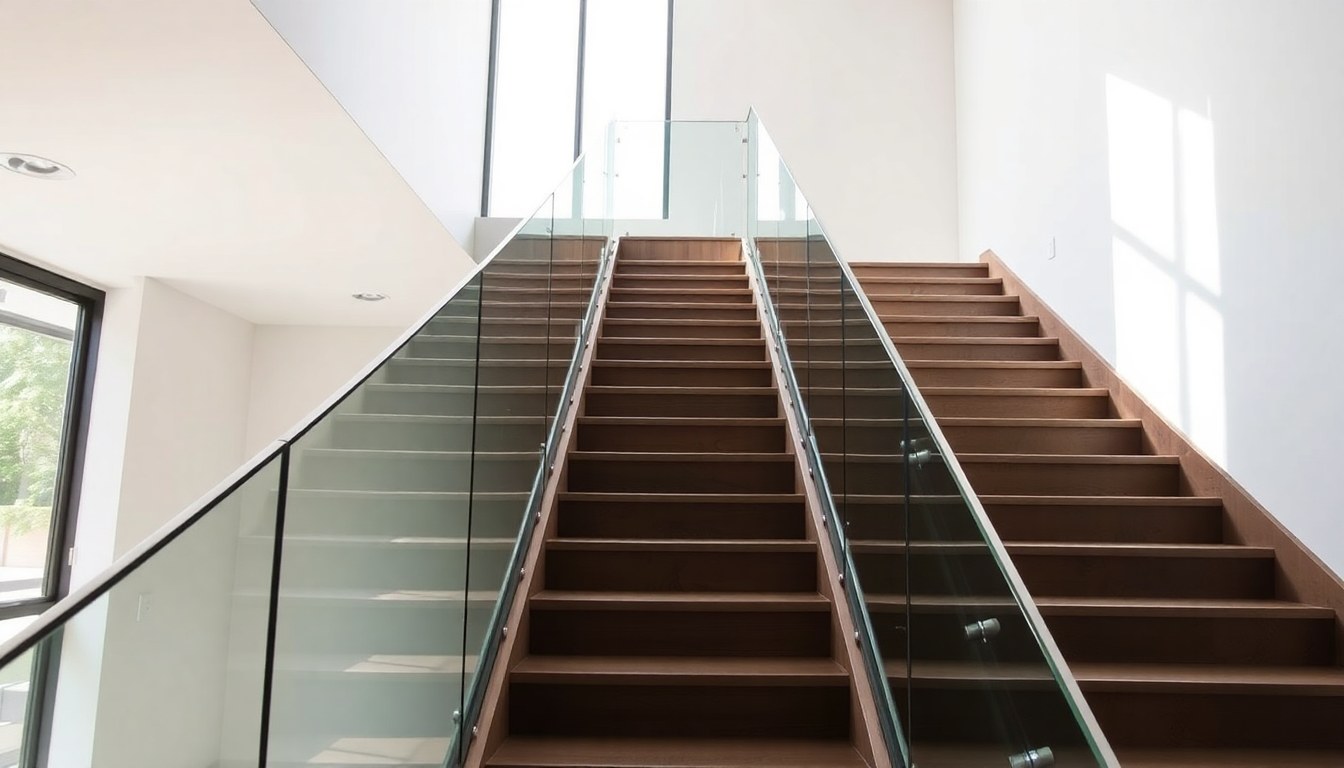
Glass railings have become the go-to choice for modern staircases in Bangalore homes, offering sleek aesthetics without compromising safety. However, improper installation can lead to structural failure, injury, and legal liability—making it crucial to understand load capacity requirements, Indian safety codes, and the mistakes that even experienced contractors make. This guide walks you through everything you need to know before installing toughened glass railings on your internal staircases.
Understanding IS Codes and Safety Standards for Glass Railings
In India, glass railings must comply with IS 6533:2013 (Safety code of practice for glazing with safety glass), which specifies material, thickness, and installation requirements for glazed barriers. For staircases specifically, IS 4099:1992 (Code of practice for stairs, ramps and ladders) mandates minimum balustrade heights and load-bearing capacity. Ignoring these codes not only risks safety but also creates issues during property sales, insurance claims, or building inspections.
The key safety requirement is that glass railings must be constructed from toughened (tempered) glass, never annealed or float glass. Toughened glass is heat-treated to withstand impacts and, if broken, shatters into small, harmless granules rather than sharp shards. Most Indian building codes require a minimum thickness of 10 mm to 12 mm for internal staircase railings, depending on the span and load conditions.
Minimum Balustrade Height Requirements
IS 4099 specifies that staircase railings must be a minimum of 900 mm (3 feet) high from the stair tread nosing. For staircases with children, many architects recommend 1000 mm to 1050 mm to prevent climbing hazards. The height is measured vertically from the finished floor or tread surface to the top of the railing.
Load Capacity and Structural Design
Glass railings must resist horizontal loads—the force applied when someone leans or falls against the railing. IS 6533:2013 requires that balustrades withstand a minimum horizontal load of 1.2 kN (approximately 120 kg-force) applied at the handrail level without deflecting more than 25 mm or breaking.
The actual load capacity depends on three factors: glass thickness, span between supports, and frame material. A 10 mm toughened glass panel spanning 1.2 meters between posts will perform differently than one spanning 1.5 meters. This is why site-specific structural calculations are essential—generic installations often fail under real-world conditions.
Calculating Glass Panel Dimensions
The span between vertical posts should not exceed 1.2 to 1.5 meters for 10 mm glass. For longer spans, use 12 mm glass or reduce the post spacing. The width of each glass panel typically ranges from 0.6 to 1.2 meters, with panels secured using stainless steel clamps or aluminum frames. In Bangalore's humid climate, stainless steel (SS 304 or SS 316) is preferable to regular steel, which corrodes quickly.
Frame and Support Materials
The frame holding the glass must be strong enough to distribute loads evenly. Common materials include:
- Stainless steel frames: Corrosion-resistant, ideal for Bangalore's monsoon season. Cost: ₹800–₹1,200 per running meter.
- Aluminum frames: Lightweight and affordable (₹400–₹700 per running meter), but require anodizing to resist corrosion.
- Mild steel frames: Cheapest option (₹250–₹400 per running meter), but rust easily without regular maintenance.
Common Installation Mistakes to Avoid
Many contractors and homeowners cut corners during installation, compromising safety and durability. Understanding these mistakes helps you avoid costly repairs and accidents.
Mistake 1: Using Non-Toughened Glass
Some contractors use ordinary float or annealed glass to save costs. Float glass looks identical to toughened glass but shatters into sharp, dangerous pieces when broken. Always request a certificate of toughening from the glass supplier and verify it with the manufacturer. In Bangalore, reputable suppliers like Asahi, Pilkington, or Guardian provide authentic toughened glass with proper documentation.
Mistake 2: Incorrect Glass Thickness
Using 8 mm or thinner glass for staircase railings is a common cost-cutting measure that violates IS codes. Thin glass deflects excessively under load and can fail prematurely. Always use a minimum of 10 mm; 12 mm is safer for longer spans or high-traffic areas.
Mistake 3: Poor Clamp Installation
Glass clamps must be stainless steel and tightened to the correct torque (typically 8–12 Nm for M8 bolts). Under-tightened clamps allow the glass to shift, while over-tightening can crack the glass. Many contractors use hand tools and guess the tightness, leading to loose railings that rattle or fail under load.
Mistake 4: Inadequate Post Spacing
Posts spaced more than 1.5 meters apart create excessive span, causing glass deflection and potential breakage. Some contractors increase spacing to reduce material costs, but this directly violates IS 4099. Always maintain spacing of 1.2 to 1.5 meters maximum.
Mistake 5: Ignoring Expansion and Contraction
Glass and metal expand and contract with temperature changes. Bangalore's temperature fluctuations (especially between air-conditioned interiors and warm staircases) can cause stress. Proper installation includes expansion gaps of 3–5 mm at the top and bottom of panels, sealed with silicone sealant. Rigid installations that don't allow movement often crack within months.
Mistake 6: Inadequate Handrail Design
A glass railing is not a handrail—you cannot grip glass safely. IS 4099 requires a separate handrail (typically 40–50 mm diameter stainless steel pipe) mounted at 900 mm height. Many DIY installations skip this, creating a safety hazard and code violation. The handrail must be continuous, with a graspable diameter and smooth surface.
Step-by-Step Installation Process for Bangalore Homes
Proper installation requires careful planning and execution. Here's what a professional installation should include:
- Site Survey and Structural Assessment: Measure the staircase, identify load-bearing walls, and check for structural integrity. In older Bangalore homes, concrete strength may vary; a structural engineer should verify capacity.
- Design and Approval: Create detailed drawings showing glass thickness, post spacing, clamp details, and handrail design. Submit for approval if required by your building society.
- Material Procurement: Source toughened glass from certified suppliers with proper documentation. Order stainless steel frames and clamps from reputable manufacturers.
- Post Installation: Anchor vertical posts securely to the staircase structure using expansion anchors or bolts. Posts should be plumb (vertical) within 2 mm tolerance.
- Glass Panel Fitting: Install glass panels with stainless steel clamps, ensuring even pressure distribution. Leave 3–5 mm gaps for expansion.
- Handrail Installation: Mount the handrail at exactly 900 mm height, ensuring continuous graspability and secure fastening.
- Sealant Application: Apply silicone sealant around gaps and clamps to prevent water ingress and dust accumulation.
- Load Testing: Apply the required 1.2 kN horizontal load at handrail height to verify deflection and stability.
Cost Considerations for Glass Railing Installation in Bangalore
The total cost of glass railing installation depends on staircase length, glass thickness, and frame material. For a typical internal staircase (2–3 meters long) in Bangalore, expect:
- 10 mm toughened glass: ₹600–₹900 per square meter
- 12 mm toughened glass: ₹800–₹1,200 per square meter
- Stainless steel frame and clamps: ₹800–₹1,200 per running meter
- Handrail (stainless steel pipe): ₹400–₹600 per running meter
- Installation labor: ₹3,000–₹6,000 per running meter (varies by contractor expertise)
A complete installation for a 2-meter staircase with 10 mm glass and stainless steel frame typically costs ₹35,000–₹50,000. Cheaper quotes often indicate compromises on material quality or safety standards.
Maintenance and Long-Term Care
Glass railings require minimal maintenance but need regular attention to remain safe and attractive. Clean the glass monthly with a mild glass cleaner to prevent dust and water stains. Inspect clamps and fasteners quarterly—tighten any loose bolts with a torque wrench. In Bangalore's monsoon season, check sealants for cracks and reapply silicone as needed to prevent water seepage into the frame.
Stainless steel frames rarely corrode but may develop surface marks. Clean with a soft cloth and mild detergent; avoid abrasive scrubbers. If your railing uses aluminum frames, inspect for white oxide buildup and clean with appropriate aluminum cleaners. Annual professional inspection by the installation contractor is recommended to catch issues early.
Frequently Asked Questions
What is the difference between toughened and laminated glass for staircases?
Toughened glass is heat-treated to be stronger and shatter into harmless granules if broken. Laminated glass has a plastic interlayer that holds pieces together when broken, preventing sharp fragments. Both are safe, but toughened glass is more common for railings due to its strength and clarity. Laminated glass is sometimes used for ground-floor railings where additional security is desired.
Can I install a glass railing on an outdoor staircase?
Yes, but outdoor installations require additional considerations. Use 12 mm minimum toughened glass, stainless steel SS 316 frames (not SS 304), and ensure proper drainage to prevent water pooling. Outdoor railings also need UV-resistant sealants and more frequent maintenance due to weather exposure.
How do I verify that the glass is genuinely toughened?
Ask the supplier for a certificate of toughening with the glass batch number and manufacturer details. Contact the manufacturer directly to verify authenticity. Toughened glass also has a slight greenish tint when viewed from the edge (due to iron content in the glass), unlike clear float glass. Never accept glass without documentation.
Is a separate handrail required if the glass railing is at the correct height?
Yes, absolutely. IS 4099 mandates a separate, graspable handrail. Glass cannot be gripped safely, and relying on glass edges can cause injury. A 40–50 mm diameter stainless steel pipe handrail must be installed at 900 mm height, independent of the glass railing height.
What should I do if my existing railing shows cracks or loose clamps?
Stop using the staircase immediately and contact a professional glass railing contractor. Cracks indicate structural failure, and loose clamps are a serious safety hazard. Do not attempt DIY repairs—have the contractor assess whether panels need replacement or if the entire frame requires reinforcement.
Installing a safe, code-compliant glass railing requires expertise and attention to detail. If you're planning a staircase railing project in Bangalore, connect with verified glass suppliers and installation professionals through glassy.in, India's largest glass-business directory. Browse certified contractors, compare quotes, and ensure your installation meets all Indian safety standards.