
Glass Railings
Glass Railing Installation for Balconies: Step-by-Step Guide for Homeowners
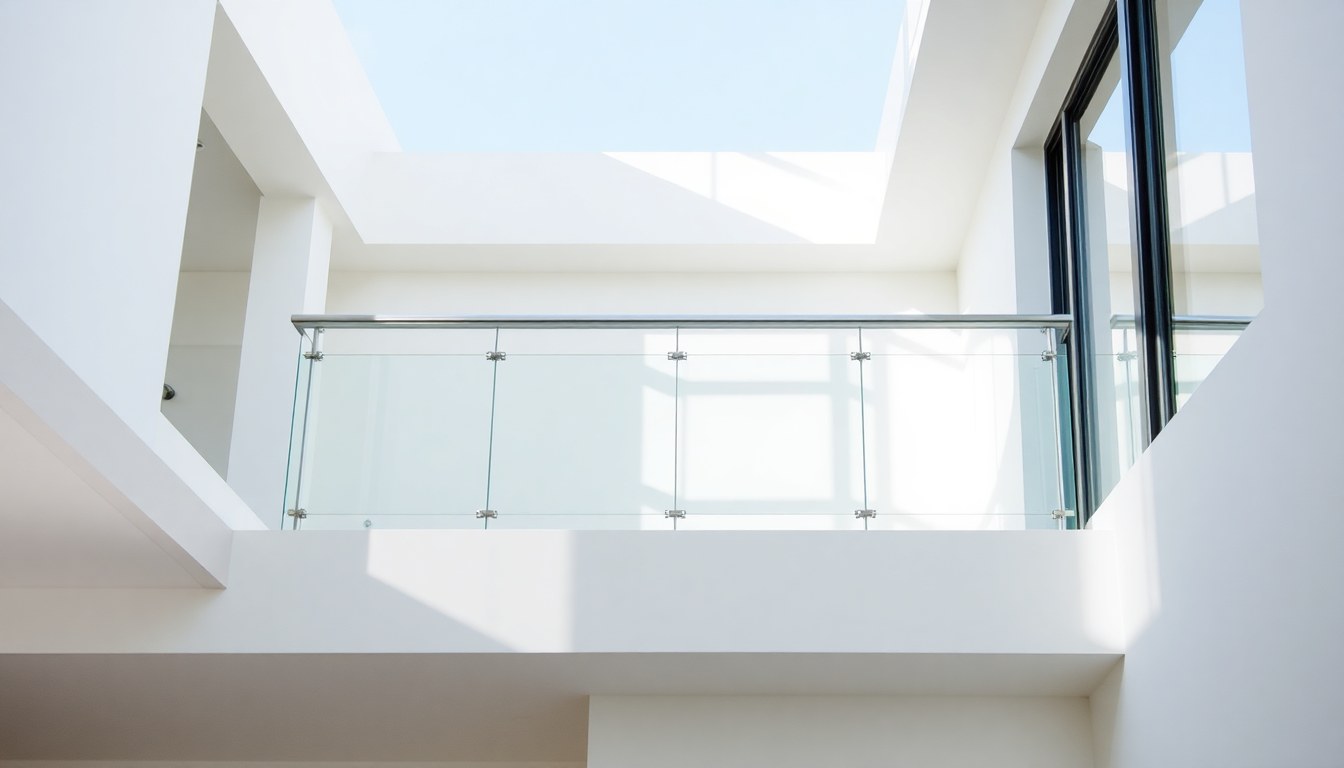
Glass railings transform balconies into elegant, light-filled spaces while maintaining unobstructed views of your surroundings. Whether you're renovating an existing balcony or building new, understanding the installation process—from material selection to final safety checks—empowers you to make informed decisions and ensure a secure, beautiful outcome. This guide walks you through everything Indian homeowners need to know about installing glass railings, from DIY basics to when hiring professionals makes sense.
Understanding Glass Railing Types and Materials
Glass railings come in two main styles: frameless and framed. Frameless systems use thick tempered glass panels (typically 12mm) held in place by stainless steel or aluminum channels at the base and top, creating an uninterrupted view. Framed systems incorporate aluminum or steel frames around each glass panel, offering a more traditional aesthetic and often lower costs. For Indian balconies, frameless designs are increasingly popular in urban apartments because they maximize light and space perception.
The glass itself must always be tempered or laminated for safety. Tempered glass undergoes heat treatment to strengthen it—if broken, it shatters into small, harmless granules rather than sharp shards. Laminated glass has a plastic interlayer that holds pieces together if cracked, offering additional security. Most Indian building codes and safety standards require either tempered or laminated glass for railings. Aluminum frames resist rust better than steel in humid climates, making them ideal for coastal Indian cities. Stainless steel (304 or 316 grade) is more durable but costlier.
Cost Considerations
In India, frameless glass railings typically cost between ₹800 to ₹1,500 per linear foot, depending on glass thickness, frame material, and finish. Framed systems range from ₹500 to ₹900 per linear foot. Installation labor adds another ₹200 to ₹400 per linear foot. A 10-foot balcony with frameless glass railings might cost ₹12,000 to ₹20,000 installed, while framed options could be ₹8,000 to ₹14,000.
Measuring Your Balcony Correctly
Accurate measurements are non-negotiable for glass railing installation. Start by measuring the length of your balcony edge where the railing will sit. Use a steel measuring tape, not a cloth one, and record measurements at three points (top, middle, bottom) to account for any unevenness in older buildings. Check that your balcony edge is level using a spirit level—many Indian residential buildings have slight slopes for water drainage, which installers must accommodate.
Measure the height from the balcony floor to where the top railing will sit. Indian building codes typically require railings to be at least 1.2 meters (4 feet) high for residential balconies, though some municipalities specify 1.1 meters. Check your local municipal corporation guidelines before proceeding. Measure the depth of your balcony edge to determine the base channel size and fastening method. Take photos of the existing balcony structure, including any waterproofing, concrete condition, and attachment points.
Checking Structural Readiness
Inspect your balcony slab for cracks, spalling concrete, or moisture damage. Glass railings are heavy—a 10-foot frameless system weighs 800 to 1,200 kg—so your balcony must be structurally sound. If you notice significant damage, consult a structural engineer before installation. Ensure existing waterproofing is intact; installing railings can compromise seals if not done carefully. If your balcony lacks proper waterproofing, address this before railing installation to prevent water seepage into your home.
Pre-Installation Preparation and Permits
Check your apartment society's bylaws and obtain written permission before purchasing materials. Many housing societies in India require approval for external modifications. Contact your local municipal corporation or gram panchayat to determine if a permit is needed—regulations vary by city and building type. In major metros like Mumbai, Delhi, and Bangalore, most residential alterations require approval, though this is often a formality for safety upgrades like railings.
Arrange for site protection before installation begins. Inform neighbors about the work schedule, as installation typically takes 2 to 4 days depending on balcony size and complexity. Ensure water and electricity supply to the work area. If your balcony has existing railings, confirm whether they'll be removed before installation or if new railings will be installed alongside them temporarily. Have your installer provide a detailed quotation specifying glass type, frame material, thickness, color, and installation timeline.
Selecting the Right Installer
This is crucial for safety and longevity. Look for installers certified by recognized glass associations or with proven experience in residential projects. Check references from at least three completed installations. A reliable installer will provide written specifications, warranty details, and insurance coverage. Studio IN-GRID and similar professional firms in your city can guide you through material selection and ensure compliance with local building codes.
Step-by-Step Installation Process
Professional installation follows a systematic approach. First, the installer prepares the balcony edge by cleaning it thoroughly and checking for level. Any high spots are ground down; low spots may be filled with epoxy or cement to create a perfectly level base. This step is critical—uneven surfaces cause glass panels to sit unevenly and create stress points that can lead to failure.
Next, the base channel (usually aluminum) is installed along the balcony edge using chemical anchors or mechanical fasteners. The spacing and type of fastener depend on balcony material (RCC, steel, or brick) and local wind loads. For coastal areas or high-rise buildings, fasteners are spaced more closely (every 300mm instead of 450mm) to handle higher wind pressures. The top channel is then secured, with vertical supports installed at regular intervals to prevent panel flex.
Glass panels are carefully lifted and set into the channels. Each panel is shimmed to ensure it sits perfectly level and plumb. Silicone sealant is applied between the glass and frame, and around all fasteners, to prevent water ingress. The sealant must cure for 24 to 48 hours before the railing bears any load. Finally, the installer conducts a safety inspection, checking that all panels are secure, the railing doesn't flex excessively under hand pressure, and there are no gaps where fingers could become trapped (critical for homes with children).
Common Installation Challenges in Indian Homes
Uneven balcony slabs are the most frequent issue, particularly in older buildings. Installers address this by shimming the base channel carefully and using flexible sealants that accommodate slight movement. Water seepage through existing balcony joints can damage both the structure and new railings—addressing waterproofing before installation prevents costly repairs later. In high-rise apartments, wind loads are higher, requiring thicker glass and closer fastener spacing. Coastal properties face accelerated corrosion of steel components, making stainless steel or powder-coated aluminum preferable despite higher costs.
Safety Checks and Compliance
After installation, verify that your railing meets Indian safety standards. The railing should not flex more than 6mm when a 100 kg horizontal force is applied at the top. There should be no gaps larger than 100mm anywhere in the railing system—this prevents children from getting their heads stuck. Test that tempered glass doesn't have any surface cracks or chips that could compromise its integrity. All fasteners should be tight, and sealants should be fully cured and free of gaps.
Check that the height is correct (minimum 1.2 meters from floor to top) and that there are no sharp edges or protruding fasteners. Ensure that the railing design doesn't create horizontal ledges or footholds that could encourage climbing. If your balcony is used by children, consider adding protective netting or choosing framed systems with smaller glass panels. Request a safety certificate from your installer confirming compliance with relevant Indian Standards (IS 1786 for steel reinforcement, IS 2062 for structural steel, and general building code requirements).
Maintenance and Long-Term Care
Glass railings require minimal maintenance but benefit from regular attention. Clean glass monthly with a soft cloth and mild detergent or glass cleaner—avoid abrasive scrubbers that can scratch tempered glass. Inspect sealants annually, particularly in monsoon regions, and reseal if you notice gaps or deterioration. Check fasteners twice yearly and tighten any that have loosened due to vibration or settling.
In coastal areas, rinse stainless steel frames with fresh water monthly to remove salt spray, which accelerates corrosion. Inspect aluminum frames for oxidation and touch up any bare spots with clear protective coating. If you notice any cracks in glass panels, contact your installer immediately—tempered glass cannot be repaired and must be replaced. Most quality installations come with a 5 to 10-year warranty on materials and workmanship, so keep your documentation safe.
DIY vs. Professional Installation
While some homeowners attempt DIY installation, glass railing work is best left to professionals. The process requires specialized tools (glass lifters, spirit levels, torque wrenches), knowledge of local building codes, and experience handling heavy tempered glass safely. A single mistake—misaligned channels, inadequate sealant, or improper fastening—can compromise safety and lead to expensive repairs or worse. Professional installers carry liability insurance and provide warranties, protecting your investment.
If you're handy and want to be involved, work alongside your installer as an observer. This helps you understand how the system works and what to monitor during maintenance. For a balcony railing, professional installation is a worthwhile investment in safety and durability.
Frequently Asked Questions
How long does glass railing installation take?
Most balcony glass railing installations take 2 to 4 days, depending on balcony size, existing structure condition, and weather. A 10-foot balcony typically takes 2 days. Complex jobs with structural repairs or multiple balconies may take longer. The sealant curing period (24 to 48 hours) means you shouldn't apply significant force to the railing for at least two days after installation.
Can glass railings be installed on old balconies?
Yes, but the balcony structure must be sound. If your balcony has cracks, spalling concrete, or moisture damage, these must be repaired before installation. Have a structural engineer assess older balconies before proceeding. Proper waterproofing is essential to prevent water from seeping behind the new railing system.
What's the difference between tempered and laminated glass for railings?
Tempered glass is heat-treated to be four times stronger than regular glass; if broken, it shatters into small, harmless granules. Laminated glass has a plastic interlayer holding pieces together if cracked, offering security against break-ins but is heavier and more expensive. For residential balconies, tempered glass is standard and sufficient. Laminated glass is often chosen for ground-level applications or high-security needs.
Do I need planning permission for glass railings in India?
Requirements vary by city and municipality. Check with your local municipal corporation and your apartment society's bylaws. In most cases, adding safety railings is approved as a safety upgrade, though the process may require documentation. Coastal areas and heritage zones may have stricter rules. Always obtain written permission before starting work to avoid complications.
How much do glass railings cost in India?
Frameless glass railings cost ₹800 to ₹1,500 per linear foot, while framed options range from ₹500 to ₹900 per linear foot. Installation labor adds ₹200 to ₹400 per linear foot. A typical 10-foot balcony costs ₹12,000 to ₹20,000 installed. Prices vary based on location, glass thickness, frame material, and site accessibility. Always get detailed quotes from multiple installers before deciding.
Glass railings are a smart investment in both safety and aesthetics for Indian homes. By understanding the installation process, choosing quality materials, and working with experienced professionals, you'll enjoy a beautiful, durable railing system for decades. Ready to transform your balcony? Browse certified glass railing installers and suppliers in your city on glassy.in, India's largest glass-business directory, to connect with trusted professionals who can bring your vision to life.