
Interior Design
Glass False Ceilings: Design Trends, Load Capacity & Maintenance
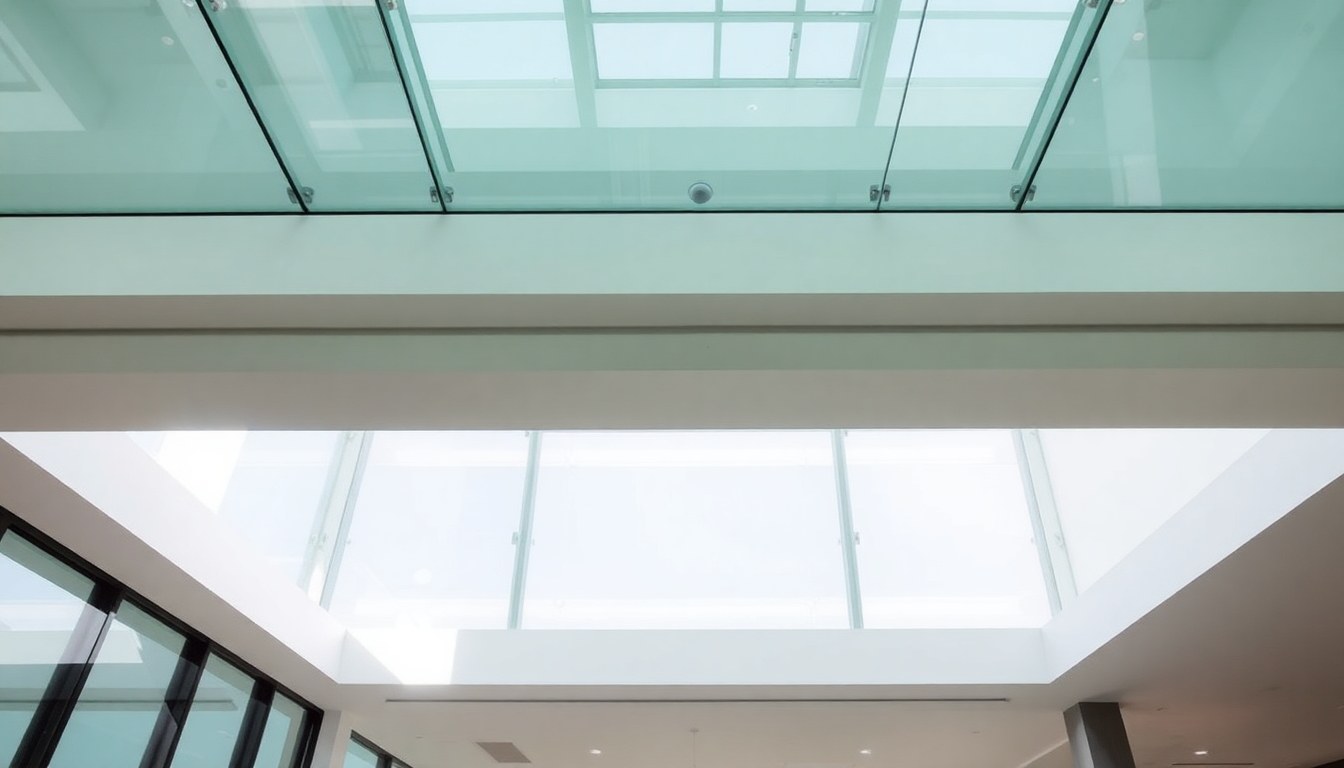
Glass false ceilings have become a hallmark of contemporary interior design, offering architects and designers a sophisticated way to enhance spaces while maintaining visual openness. Whether you're renovating a corporate office in Bangalore, a retail showroom, or a residential apartment, suspended glass ceiling systems deliver both aesthetic appeal and practical benefits like improved acoustics and seamless LED lighting integration. This guide covers everything you need to know about design trends, structural engineering, installation costs, and maintenance protocols.
What Are Glass False Ceilings and Why Choose Them?
A glass false ceiling (also called a suspended glass ceiling or drop ceiling) is a secondary ceiling installed below the structural slab, typically made from tempered or laminated glass panels supported by aluminum or steel frameworks. Unlike traditional plasterboard ceilings, glass versions create an open, airy feel while concealing utilities like HVAC ducts, electrical conduits, and plumbing.
The primary advantages include enhanced natural light diffusion, modern aesthetics, acoustic dampening when paired with sound-absorbing materials, and the ability to integrate LED lighting systems seamlessly. Glass ceilings also simplify maintenance access to building systems and allow for easy reconfiguration if your space requirements change.
Modern Design Trends in Glass False Ceilings
Frosted and Textured Glass
Frosted glass has emerged as the dominant trend for false ceilings, offering privacy while maintaining light transmission. Textured finishes—acid-etched, sandblasted, or digitally printed patterns—add visual interest without compromising the minimalist aesthetic. Many designers in metropolitan areas like Bangalore now prefer frosted glass with subtle geometric patterns or company logos for corporate spaces.
Frameless and Minimalist Designs
Frameless glass ceiling systems, where panels are secured directly to the structure with minimal visible support, create a seamless, floating effect. This approach requires precision engineering and higher-quality tempered glass but delivers unmatched visual elegance. Minimalist designs pair well with open-plan offices and modern residential interiors.
Integrated LED and Smart Lighting
LED strips embedded within or behind glass panels create ambient lighting that can be controlled via smart home systems. Color-changing LEDs allow dynamic adjustments to match brand colors, moods, or time of day. This integration eliminates the need for separate light fixtures and creates a clean, contemporary look.
Hybrid Systems with Acoustic Panels
Combining glass with acoustic panels—using glass in open areas and sound-absorbing materials in conference rooms or work zones—balances aesthetics with functionality. This hybrid approach is particularly popular in Bangalore's IT offices and co-working spaces where noise control is essential.
Structural Engineering and Load Capacity
Understanding Load Ratings
Glass false ceilings must support their own weight plus any additional loads like speakers, light fixtures, or HVAC components. Load capacity depends on several factors: glass thickness (typically 8–12 mm for ceilings), panel size, support frame material, and suspension system design. Standard tempered glass can safely support 50–100 kg per square meter when properly engineered.
Professional structural calculations are mandatory before installation. Engineers assess the building's slab strength, suspension points, and local building codes to determine safe load limits. In India, installations must comply with the National Building Code (NBC) standards.
Support Frame Materials
Aluminum frames are the industry standard for glass ceilings due to their lightweight nature, corrosion resistance, and aesthetic appeal. Steel frames offer higher load capacity for heavy installations but require protective coatings to prevent rust in humid climates like coastal regions. High-tensile aluminum alloys (6061-T6 grade) are commonly used in Bangalore and other metros.
Suspension and Fixing Systems
Ceiling systems are suspended using:
- Threaded rods anchored to the structural slab
- Adjustable hangers for leveling and fine-tuning
- Spring clips and rubber isolators to dampen vibrations and sound transmission
- Seismic restraint systems in earthquake-prone regions
Proper installation of these components is critical for safety and longevity. Inadequate fixing can lead to sagging, misalignment, or panel failure.
Glass False Ceiling Installation and Cost in India
Installation Process
Installation typically involves five stages: structural assessment and design, frame fabrication and delivery, slab preparation and anchor fixing, panel installation and alignment, and final testing and quality checks. Professional installers in major cities like Bangalore, Mumbai, and Delhi usually complete small to medium projects (200–500 sq. meters) within 2–4 weeks.
Proper leveling is essential during installation. Even minor deviations can cause water pooling, uneven light distribution, or panel misalignment. Licensed contractors use laser levels and precision tools to ensure accuracy.
Cost Breakdown
Glass false ceiling costs in India vary significantly based on location, design complexity, and material quality. Here's a typical breakdown for Bangalore and other tier-1 cities:
- Basic frosted glass system: ₹400–600 per sq. meter (material and labor)
- Textured or patterned glass: ₹600–900 per sq. meter
- Frameless systems: ₹800–1,200 per sq. meter
- LED-integrated ceilings: ₹1,000–1,800 per sq. meter
- Hybrid glass-acoustic systems: ₹700–1,100 per sq. meter
Additional costs include structural reinforcement (₹50–150 per sq. meter), acoustic insulation layers (₹100–250 per sq. meter), and smart lighting controls (₹5,000–20,000 per zone). Labor costs typically represent 30–40% of the total project cost.
Acoustic Properties and Soundproofing
Glass alone has limited acoustic absorption; it reflects sound rather than dampening it. However, glass false ceilings can significantly improve acoustics when designed thoughtfully. Laminated glass (two glass layers bonded with acoustic interlayer) reduces sound transmission by 5–10 dB compared to single-pane glass.
For superior soundproofing, pair glass panels with acoustic foam, mineral wool, or fiberglass batts installed in the cavity above the ceiling. This combination is ideal for open-plan offices where noise control is critical. Sound absorption coefficients improve dramatically when acoustic materials occupy at least 50% of the ceiling area.
Resilient channels and vibration isolators further enhance acoustic performance by decoupling the glass frame from the structural slab, preventing vibration transmission and reducing impact noise from above.
Maintenance and Cleaning Schedules
Routine Cleaning
Glass ceilings require regular cleaning to maintain clarity and aesthetic appeal. Dust and fingerprints accumulate quickly, especially in high-traffic areas. Monthly cleaning with soft microfiber cloths and glass-specific cleaners (avoid abrasive materials) keeps panels looking pristine. For frosted glass, use non-streaking cleaners designed for textured surfaces.
Deep Cleaning and Inspection
Quarterly deep cleaning involves removing panels if accessible, cleaning both sides, and inspecting seals and frames for degradation. Check for:
- Cracks or chips in glass panels
- Corrosion or discoloration on aluminum frames
- Loosened fasteners or suspension hardware
- Water stains or mineral deposits
- LED light malfunction (if integrated)
Professional maintenance contracts, offered by most installation companies in Bangalore and other cities, typically cost ₹5,000–15,000 annually for medium-sized installations.
Long-Term Care
Glass false ceilings have a lifespan of 15–25 years with proper maintenance. Avoid excessive moisture exposure, as it can corrode aluminum frames and degrade seals. In humid climates, ensure adequate ventilation in the ceiling cavity. Replace damaged panels promptly to prevent structural compromise. Protective coatings on aluminum frames should be reapplied every 5–7 years in coastal regions.
Frequently Asked Questions
What is the typical lifespan of a glass false ceiling?
With proper maintenance, glass false ceilings last 15–25 years. Lifespan depends on climate, installation quality, maintenance frequency, and usage intensity. Coastal regions with high salt exposure may experience faster frame degradation. Regular inspections and timely repairs extend longevity significantly.
Can glass false ceilings be installed in residential homes?
Yes, glass ceilings work well in homes, particularly in living rooms, kitchens, and bedrooms where open, airy aesthetics are desired. However, residential installations require careful structural assessment, as many older homes lack adequate slab strength. Frosted or textured glass is recommended for bedrooms to maintain privacy and reduce light reflection.
How much weight can a glass false ceiling support?
Standard tempered glass ceiling systems support 50–100 kg per square meter safely. Exact capacity depends on glass thickness, panel size, frame material, and suspension design. Always consult a structural engineer to determine safe load limits for your specific installation. Exceeding rated capacity risks panel failure and safety hazards.
Are glass false ceilings soundproof?
Glass alone provides minimal sound insulation. However, when combined with acoustic materials (foam, mineral wool) in the cavity above, glass ceilings significantly reduce noise transmission. Laminated glass and resilient suspension systems further improve acoustic performance. For maximum soundproofing, dedicate 50%+ of ceiling area to acoustic absorption.
What maintenance do glass false ceilings require?
Monthly cleaning with soft cloths and glass cleaner keeps panels clear. Quarterly inspections check for cracks, frame corrosion, and loose fasteners. Professional maintenance contracts (₹5,000–15,000 annually) handle deep cleaning and repairs. Avoid abrasive cleaners and excessive moisture exposure to extend lifespan.
Conclusion and Next Steps
Glass false ceilings represent a sophisticated investment in modern interior design, offering unmatched aesthetics, functional benefits, and long-term durability when properly engineered and maintained. Whether you're planning a corporate renovation in Bangalore, a retail fit-out, or a residential upgrade, understanding design trends, structural requirements, and maintenance protocols ensures a successful project.
Ready to explore glass ceiling options for your space? Browse the comprehensive directory of certified glass suppliers, contractors, and installers on glassy.in. Connect with experienced professionals in your city who specialize in false ceiling design, installation, and maintenance. Get quotes, compare services, and transform your interior today.