
Interior Design
Glass False Ceiling Panels: Design Ideas & Installation Tips
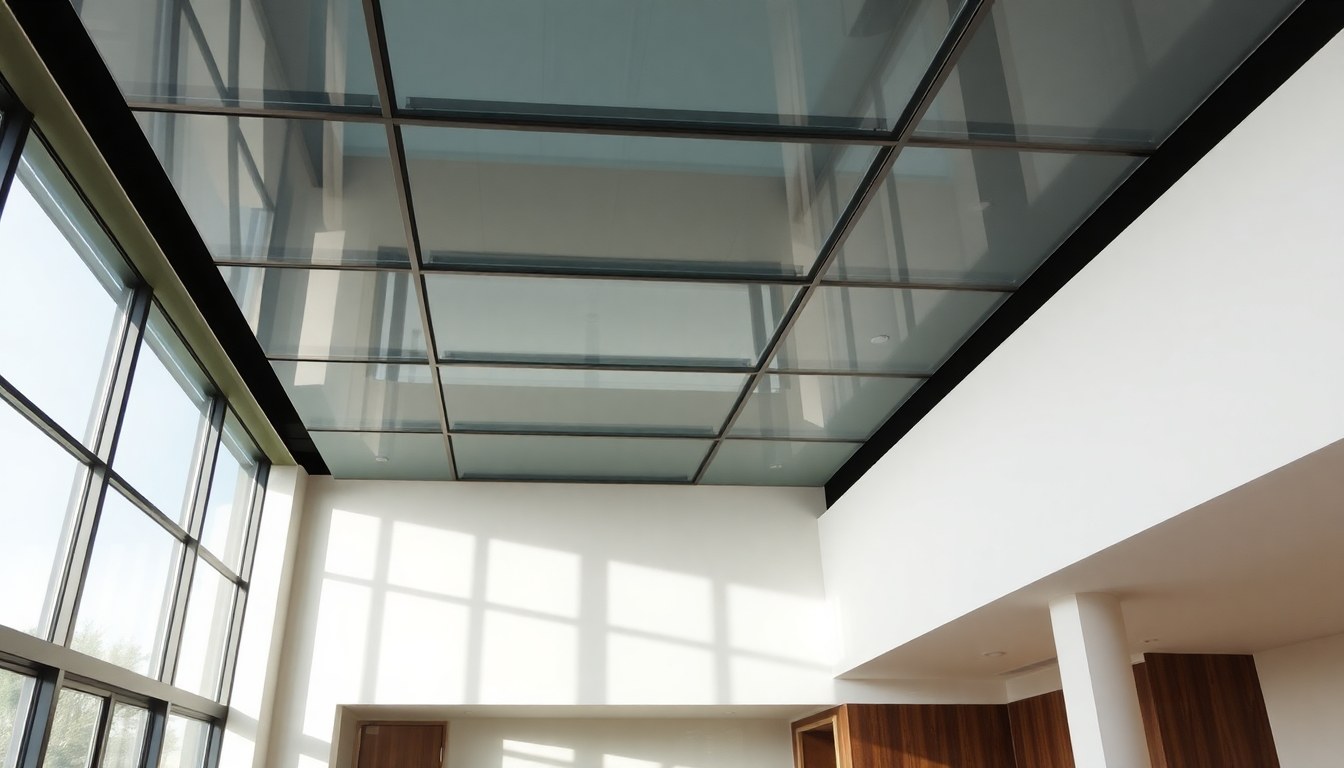
Glass false ceiling panels have revolutionized interior design, offering a blend of sophistication, natural light diffusion, and modern aesthetics that traditional plasterboard ceilings cannot match. Whether you're designing a contemporary office in Bangalore, a luxury apartment in Mumbai, or a retail showroom in Delhi, glass ceiling solutions create visual depth and elevate spaces dramatically. This guide covers design inspirations, installation best practices, and cost considerations to help you make informed decisions for your project.
Why Glass False Ceilings Are Gaining Popularity
Glass false ceiling panels have become a preferred choice for architects and interior designers across India because they solve multiple design challenges simultaneously. They maximize natural light penetration, reduce dependence on artificial lighting during daytime, and create an illusion of higher ceilings even in compact spaces. Unlike conventional suspended ceilings that can feel heavy and oppressive, glass panels maintain visual openness while concealing electrical wiring, HVAC ducts, and structural imperfections.
The versatility of glass as a material allows designers to experiment with transparency levels, colors, and lighting effects. From corporate offices seeking a professional yet innovative look to residential spaces wanting luxury interiors, glass false ceilings deliver on both functional and aesthetic fronts. Additionally, they are easier to maintain than fabric or acoustic tiles, and they don't trap dust or harbor mold in humid Indian climates.
Popular Glass False Ceiling Design Ideas
Backlit Glass Panels
Backlit glass false ceiling panels are among the most striking design choices for modern interiors. LED lights installed behind translucent or frosted glass create a soft, ambient glow that transforms the ceiling into a focal point. This approach works exceptionally well in bedrooms, living rooms, and hospitality spaces where mood lighting enhances the overall experience.
Backlit systems offer several advantages: they consume minimal electricity compared to traditional overhead lighting, they eliminate harsh shadows, and they can be programmed to change colors or intensity. In offices, backlit glass ceilings boost productivity by providing flicker-free, natural-spectrum lighting. Prices for backlit glass ceiling installations in India typically range from ₹800 to ₹2,500 per square foot, depending on glass quality and LED specifications.
Frosted and Textured Glass Inserts
Frosted glass panels offer privacy while maintaining light transmission, making them ideal for office partitions and modular ceiling systems. Textured finishes—such as rain glass, obscured glass, or sandblasted patterns—add visual interest without sacrificing functionality. These panels scatter light evenly, reducing glare and creating a sophisticated, refined appearance.
Frosted glass inserts can be combined with clear glass sections to create geometric patterns or branded designs. This hybrid approach is popular in corporate offices in Gurgaon and Hyderabad, where companies incorporate their logos or brand colors into ceiling designs. The cost for frosted glass panels ranges from ₹600 to ₹1,800 per square foot.
Modular Ceiling Systems
Modular glass false ceiling systems consist of standardized panels that fit into aluminum or steel frames. This approach simplifies installation, allows for easy maintenance, and provides flexibility for future modifications. Modular systems are particularly suited for large commercial spaces, shopping malls, and office complexes where uniformity and scalability matter.
These systems often incorporate acoustic inserts alongside glass panels to balance aesthetics with sound absorption. Modular installations cost between ₹700 and ₹2,000 per square foot, and they can be installed or reconfigured relatively quickly compared to custom glass installations.
Colored and Tinted Glass Options
Beyond clear and frosted finishes, colored and tinted glass panels allow for creative expression. Soft pastels work well in residential spaces, while bold colors or corporate hues suit commercial environments. Tinted glass reduces heat gain and glare, making it practical for south-facing rooms or spaces with large windows.
Laminated colored glass offers additional safety benefits, as it holds together if broken. This option is recommended for high-traffic areas or homes with children and pets. Colored glass panels typically cost ₹1,000 to ₹2,200 per square foot.
Installation Challenges and Solutions
Structural Load and Support
One of the primary installation challenges is ensuring adequate structural support for glass panels. Glass is heavier than conventional ceiling materials, and improper installation can lead to sagging, cracking, or catastrophic failure. Before installation, have a structural engineer assess your building's load-bearing capacity and design an appropriate support system.
The solution involves installing a robust aluminum or steel framework with proper anchoring to the building structure. In older buildings or residential spaces, additional reinforcement beams may be necessary. This assessment and reinforcement can add ₹2,000 to ₹5,000 per square meter to the overall project cost, but it is non-negotiable for safety.
Thermal Expansion and Contraction
Glass expands and contracts with temperature changes, especially in Indian climates where summers can exceed 40°C. If the framing system is too rigid, thermal stress can cause glass to crack. Modern installations use flexible silicone sealants and expansion joints that accommodate movement without compromising the seal.
Ensure that your installer uses high-quality silicone sealants rated for thermal cycling and UV resistance. In humid coastal cities like Mumbai and Kochi, marine-grade sealants prevent salt corrosion and extend the ceiling's lifespan significantly.
Moisture and Condensation Control
In air-conditioned spaces, condensation can form on glass panels, creating a foggy appearance and potential water damage to structures below. Proper ventilation design and the use of low-emissivity (low-E) glass help mitigate this issue. Some installations incorporate small drainage channels within the framing to direct condensation safely away.
For bathrooms and kitchens, consider using tempered glass with hydrophobic coatings that repel water droplets. These coatings are inspired by lotus leaves and prevent water from pooling on the glass surface.
Electrical and HVAC Integration
Running electrical wiring, air conditioning ducts, and plumbing through a glass ceiling requires careful planning. The space between the glass and the structural ceiling must be sufficient to accommodate these utilities without creating visual clutter. Work closely with electrical and HVAC contractors to plan the layout before installation begins.
Recessed LED panels, integrated downlights, and concealed air vents can be incorporated seamlessly into the glass frame design, maintaining the aesthetic while serving functional purposes.
Step-by-Step Installation Process
- Design and Planning: Work with an architect or designer to finalize dimensions, glass specifications, and lighting requirements. Obtain necessary building approvals and permits.
- Structural Assessment: Hire a structural engineer to evaluate load-bearing capacity and design the support framework accordingly.
- Frame Installation: Install the aluminum or steel frame with proper anchoring to the building structure. Ensure all connections are secure and level.
- Glass Panel Placement: Carefully position and secure glass panels into the frame using rubber gaskets and stainless steel fasteners to prevent direct glass-to-metal contact.
- Sealant Application: Apply high-quality silicone sealants to all joints, allowing adequate curing time before exposing the ceiling to water or stress.
- Electrical and Lighting Installation: Install LED lights, wiring, and any integrated fixtures. Test all systems before final closure.
- Final Inspection: Conduct a thorough inspection for structural integrity, waterproofing, and electrical safety before handover.
Cost Breakdown and Budget Planning
The total cost of a glass false ceiling installation depends on multiple factors: glass type and quality, panel size and complexity, lighting integration, structural modifications, and labor costs in your region. A basic clear glass ceiling without lighting might cost ₹600 to ₹1,200 per square foot, while a fully integrated backlit system with custom designs can exceed ₹3,000 per square foot.
For a typical 200 square foot office or living room, budget approximately ₹1,20,000 to ₹6,00,000 depending on specifications. Structural reinforcement, if needed, adds another ₹40,000 to ₹1,00,000. Always get quotes from multiple installers and ensure they provide detailed breakdowns of material and labor costs.
Investing in quality materials and experienced installers pays dividends. Cheap glass or poor installation can result in premature failure, water damage, and costly repairs. Choose certified glass professionals who have completed similar projects in your city.
Maintenance and Long-Term Care
Glass false ceilings require minimal maintenance compared to other ceiling materials. Regular dusting with a soft, lint-free cloth keeps the glass clear and prevents dust accumulation on LED lights. For stubborn stains or condensation marks, use a mixture of equal parts white vinegar and distilled water with a microfiber cloth.
Inspect sealants annually, especially before and after the monsoon season in regions prone to heavy rainfall. If sealants show signs of cracking or discoloration, have them replaced promptly to prevent water infiltration. LED lights typically last 50,000 hours or more, but check them periodically to ensure uniform brightness.
In coastal areas, apply a protective coating to aluminum frames every 2-3 years to prevent salt corrosion. This preventative maintenance extends the lifespan of your glass ceiling installation by decades.
Frequently Asked Questions
Are glass false ceilings safe, especially in seismic zones?
Yes, when installed correctly using tempered glass and a robust support system. Tempered glass is four times stronger than regular glass and shatters into small, harmless granules if broken. In seismic zones like parts of Himachal Pradesh or Uttarakhand, ensure your installer designs the frame with flexible connections that can absorb movement without transferring stress to the glass.
Can glass false ceilings be installed in bathrooms and kitchens?
Absolutely. Use tempered, tinted, or frosted glass with hydrophobic coatings to repel moisture. Ensure proper ventilation to prevent condensation buildup. Marine-grade sealants and stainless steel fasteners prevent corrosion in high-humidity environments. Many luxury bathrooms in Indian homes now feature glass ceilings with integrated exhaust systems.
How long does a glass false ceiling installation typically take?
For a 200-300 square foot space, installation usually takes 5-10 days, depending on structural modifications needed. Larger or more complex projects may take 2-3 weeks. Always factor in curing time for sealants (typically 24-48 hours) before the space is fully operational.
What is the lifespan of a glass false ceiling?
With proper installation and maintenance, a glass false ceiling can last 20-30 years or longer. The glass itself is virtually permanent, but sealants, LED lights, and aluminum frames may require periodic replacement or maintenance. Regular inspections and timely repairs ensure longevity.
Can existing false ceilings be replaced with glass panels?
Yes, but the existing structure must be assessed for load-bearing capacity. If the current frame and support system are inadequate, reinforcement is necessary. It's often more cost-effective to work with a professional installer who can evaluate your space and recommend the best approach for replacement.
Conclusion
Glass false ceiling panels represent a sophisticated investment in modern interior design, offering unmatched aesthetic appeal, functional benefits, and long-term value. Whether you're drawn to the ambient glow of backlit systems, the refined look of frosted inserts, or the scalability of modular designs, glass ceilings elevate any space. Success depends on choosing quality materials, hiring experienced installers, and planning meticulously for structural, thermal, and moisture-related challenges.
Ready to transform your space with a glass false ceiling? Explore certified glass professionals and suppliers on glassy.in, India's largest glass-business directory. Connect with trusted installers in your city, compare quotes, and bring your design vision to life with expert guidance and reliable service.