
Interior Design
Glass False Ceiling Installation: Acoustic Panels vs Transparent Design
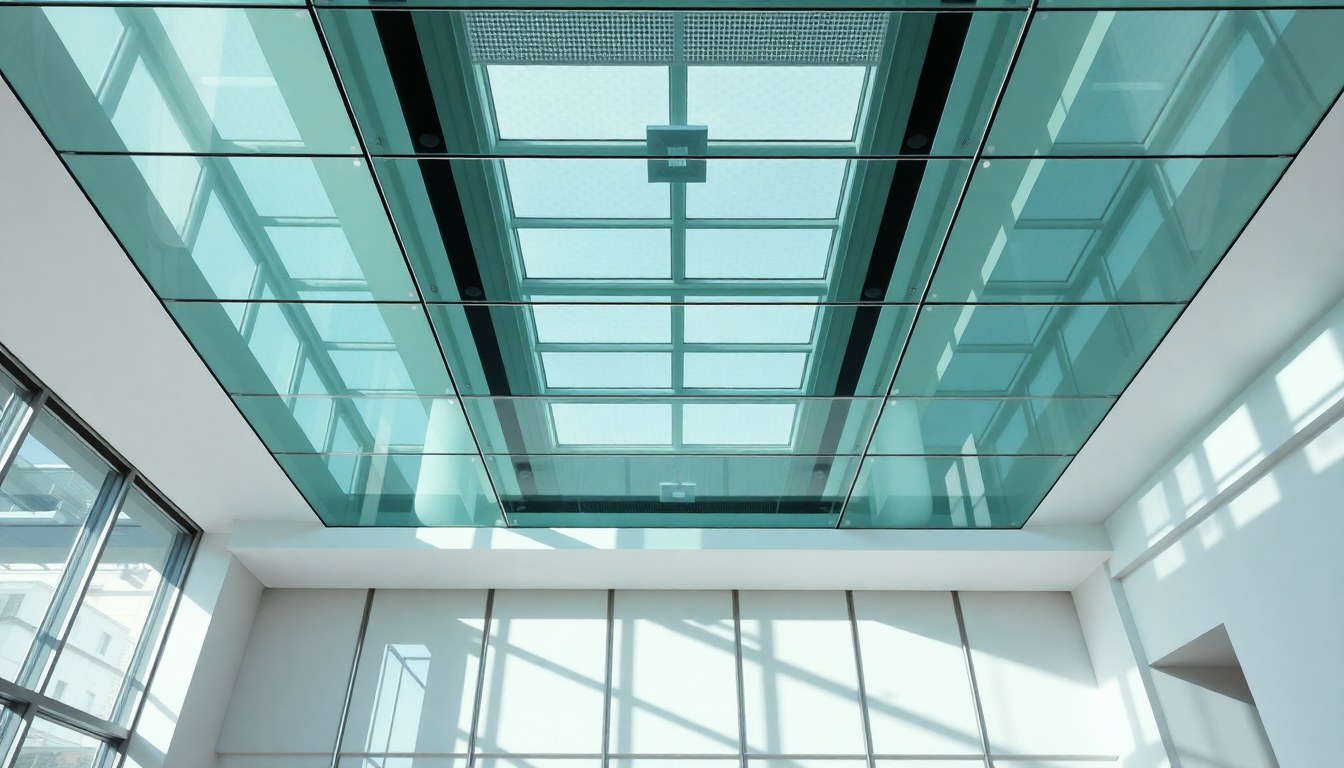
Glass false ceilings have become a popular choice for modern offices and homes across India, offering both aesthetic appeal and functional benefits. Whether you're renovating a Mumbai apartment or designing a Bangalore office, deciding between acoustic glass panels and transparent designs is crucial—each offers distinct advantages for sound control, lighting, and visual impact. This guide breaks down both options to help you choose the right solution for your space.
Understanding Glass False Ceiling Basics
A false ceiling, also called a suspended ceiling or drop ceiling, is a secondary ceiling hung below the main structural ceiling. When made from glass or glass-composite materials, it creates a modern, clean aesthetic while concealing wiring, pipes, and HVAC systems. Glass false ceilings are particularly popular in commercial spaces, retail outlets, and contemporary homes because they maintain visual openness while improving functionality.
The installation involves mounting a metal framework (typically aluminum) to the structural ceiling, then fitting glass or acoustic panels into the grid. The process takes 3-7 days depending on the ceiling size and complexity. Professional installation ensures proper weight distribution, fire safety compliance, and longevity.
Why Choose Glass Over Traditional Materials?
Glass false ceilings outperform conventional plaster or mineral fiber ceilings in several ways. They're easier to clean, more durable, and allow natural light to flow through spaces, reducing daytime electricity consumption. In Indian climates, especially in cities like Delhi and Hyderabad where dust accumulation is common, glass is far easier to maintain than porous materials.
Acoustic Glass Panels: Sound Control and Comfort
Acoustic glass false ceilings combine glass with sound-absorbing materials, typically fiberglass or mineral wool cores sandwiched between glass layers or integrated into the panel structure. These panels reduce noise transmission by up to 40-50 decibels, making them ideal for offices, call centers, hospitals, and homes near traffic or industrial areas.
The acoustic layer works by absorbing sound waves rather than reflecting them, creating a quieter, more comfortable environment. This is especially valuable in open-plan offices where multiple conversations and activities create constant background noise. In residential settings, acoustic panels reduce noise from neighbors, street traffic, and building systems.
Installation and Maintenance
Acoustic glass panels are installed using the same metal grid system as transparent panels. The installation process is straightforward—panels simply slot into the aluminum framework. Maintenance is slightly more involved than transparent glass; while the glass surface is easy to clean, the acoustic layer requires occasional vacuuming or soft brushing to maintain sound absorption efficiency. Most acoustic panels are treated to resist dust accumulation.
Cost Considerations for Acoustic Panels
Acoustic glass false ceilings typically cost between ₹800 to ₹2,000 per square foot in India, depending on the acoustic material quality and brand. Premium options from manufacturers like Armstrong or Knauf can reach ₹2,500 per square foot, while budget-friendly alternatives range from ₹600 to ₹1,000. Installation labor adds another ₹150 to ₹400 per square foot. For a 500 sq ft office, expect a total investment of ₹5 to ₹12 lakhs including materials and labor.
Transparent Glass Design: Aesthetics and Light
Transparent or clear glass false ceilings create an open, spacious feel by maintaining visual continuity between the false ceiling and the structural ceiling above. They're made from tempered glass, laminated glass, or polycarbonate, all of which are durable and safe. This design is perfect for retail spaces, modern homes, studios, and offices where visual openness is a priority.
The main advantage of transparent ceilings is the uninterrupted flow of natural light throughout the day. In spaces like Bangalore tech offices or Mumbai retail stores, this reduces reliance on artificial lighting and creates a psychologically uplifting environment. Transparent designs also make spaces appear larger, a key benefit in compact Indian urban homes.
Acoustic Performance of Transparent Ceilings
Pure transparent glass offers minimal sound absorption—typically only 10-20 decibels of noise reduction. However, laminated glass with acoustic interlayers can improve this performance. For spaces requiring moderate sound control, combining transparent panels with acoustic insulation above the false ceiling (in the plenum space) is an effective hybrid approach.
Cost and Installation of Transparent Ceilings
Transparent glass false ceilings are generally more affordable than acoustic options, ranging from ₹500 to ₹1,500 per square foot depending on glass type and thickness. Tempered glass is cheaper (₹500-₹800), while laminated or specialty coated glass costs more (₹1,200-₹1,500). Installation labor is similar to acoustic panels, at ₹150 to ₹350 per square foot. For the same 500 sq ft space, budget ₹3.5 to ₹9 lakhs total.
Comparing Acoustic and Transparent: Key Differences
- Sound Absorption: Acoustic panels reduce noise by 40-50 dB; transparent designs manage only 10-20 dB without additional measures.
- Light Transmission: Transparent ceilings allow 80-90% light passage; acoustic panels reduce light by 30-50% depending on the core material color.
- Maintenance: Transparent glass requires simple wiping; acoustic panels need occasional vacuuming to maintain effectiveness.
- Cost: Acoustic panels are 20-30% more expensive than basic transparent options.
- Aesthetics: Transparent designs appear sleek and modern; acoustic panels offer a more textured, professional look.
- Durability: Both last 15-20 years with proper care; acoustic materials may degrade faster in humid climates.
Which Should You Choose?
Choose acoustic panels if: Your space experiences high noise levels (offices near highways, call centers, hospitals), you need excellent sound privacy, or comfort and focus are priorities. They're ideal for open-plan offices in Pune, Delhi, and other congested cities.
Choose transparent design if: You prioritize natural light, want a spacious visual feel, maintain a quiet environment naturally, or operate a retail or hospitality business where visibility matters. They're perfect for boutiques in Mumbai, cafes in Bangalore, or modern homes in Hyderabad.
Installation Process and Best Practices
Professional installation is essential for both acoustic and transparent glass false ceilings. The process begins with structural assessment—ensuring the main ceiling can support the weight of the framework and panels. Most glass false ceilings weigh 10-20 kg per square meter, well within structural limits of modern buildings.
The installation timeline follows these steps: framework installation (2-3 days), panel fitting (2-3 days), and finishing touches including lighting integration and gap sealing (1-2 days). Hiring certified installers from your city—whether Delhi, Kolkata, Chennai, or Ahmedabad—ensures compliance with local building codes and safety standards.
Fire Safety and Regulations
In India, false ceilings must comply with the National Building Code (NBC) and Indian Standards (IS 1365 for suspended ceilings). Both acoustic and transparent glass panels must have fire ratings of at least Class A (non-combustible). Ensure your contractor provides fire-rated materials and documentation before installation begins.
Maintenance Tips for Long-Term Performance
Transparent glass ceilings need quarterly cleaning with mild soap and water to maintain clarity. Avoid harsh chemicals that can damage anti-reflective coatings. Acoustic panels require vacuuming every 6 months with soft brushes to prevent dust buildup that reduces sound absorption. In humid coastal areas like Mumbai, ensure proper ventilation above the false ceiling to prevent moisture accumulation.
Regular inspections for cracks, sagging, or water damage extend the lifespan of both ceiling types. Most quality installations come with 5-10 year warranties covering manufacturing defects. Keep warranty documentation and contact your installer immediately if you notice any issues.
Frequently Asked Questions
Can I combine acoustic and transparent panels in one ceiling?
Yes, hybrid designs are increasingly popular. Many offices use transparent panels in reception and meeting areas for openness, while installing acoustic panels in work zones and conference rooms. This approach balances aesthetics with functional sound control and typically costs 15-25% more than a single-material ceiling but offers optimal flexibility.
How much does a glass false ceiling cost in India?
Transparent glass ceilings cost ₹500-₹1,500 per sq ft, while acoustic panels range from ₹800-₹2,500 per sq ft. Installation adds ₹150-₹400 per sq ft. For a 1,000 sq ft space, expect ₹7-20 lakhs depending on material choice and location. Prices vary across cities; Delhi and Mumbai tend to be 10-15% higher than Tier-2 cities.
Are glass false ceilings safe?
Yes, when installed professionally using tempered or laminated glass. These materials are designed to break safely without creating sharp shards. All installations must comply with the National Building Code. Ensure your installer provides fire-rated materials and proper structural support. Periodic inspections help identify and prevent any safety concerns.
How long does installation take?
Most glass false ceiling installations take 5-10 days depending on ceiling area, complexity, and site conditions. A 500 sq ft office typically takes 5-7 days. The timeline includes framework setup, panel fitting, electrical integration (if needed), and finishing. Disruption to office operations is minimal if scheduled during off-hours.
Which is better for homes: acoustic or transparent ceilings?
For homes, transparent glass ceilings are generally preferred because they maintain spacious feels and allow natural light. However, if your home is near busy roads or you want superior sound insulation, acoustic panels are worth the investment. Consider your specific noise environment, room size, and lighting preferences before deciding.
Finding the right glass false ceiling installer is crucial for quality results. Browse verified glass suppliers and installation contractors in your city on glassy.in, India's most comprehensive glass business directory. Compare quotes, read customer reviews, and connect with certified professionals who understand local building codes and deliver lasting solutions for your space.