
Glass Guides
Frosted Glass vs Acid-Etched Glass: Durability and Maintenance Comparison
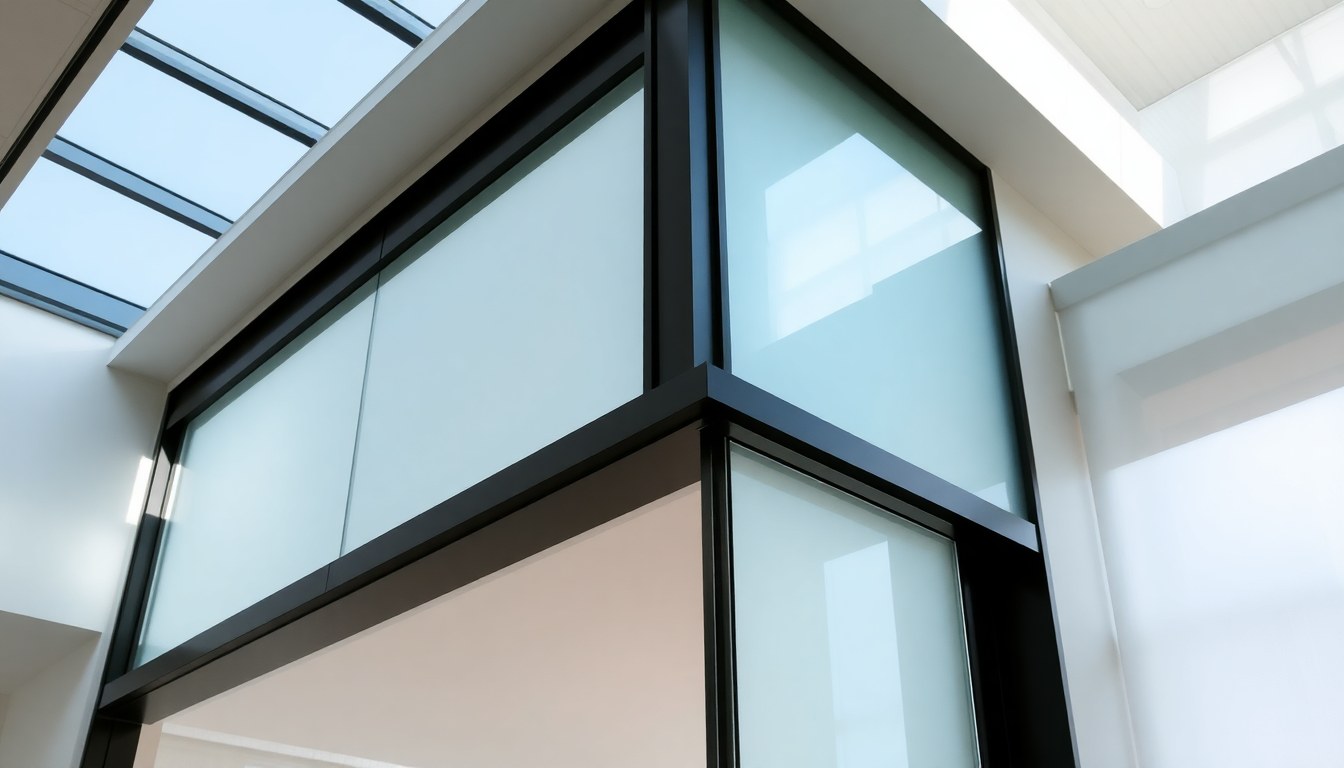
When selecting a decorative glass finish for your home, office, or commercial space in India, frosted and acid-etched options dominate the market—but which one truly stands the test of time? Both create that coveted translucent, elegant look, yet their durability profiles, maintenance demands, and long-term costs differ significantly. This guide breaks down the real differences so you can make an informed choice based on your specific needs and budget.
Understanding the Basics: Frosted vs Acid-Etched Glass
Frosted glass and acid-etched glass achieve similar aesthetics through entirely different manufacturing processes. Frosted glass is created by sandblasting or using a frosting compound on the glass surface, which scatters light and creates a uniform, milky appearance. The process removes a microscopic layer of glass, leaving a textured finish that diffuses light evenly.
Acid-etched glass, by contrast, uses hydrofluoric or other chemical acids to chemically dissolve the glass surface. This chemical reaction creates a finer, more uniform frost-like appearance compared to sandblasted frosting. The depth of the etch can be controlled precisely, allowing manufacturers to create varying levels of opacity and texture. Both methods effectively obscure visibility while maintaining light transmission, making them popular for bathroom windows, office partitions, and decorative applications across Indian homes and businesses.
Key Process Differences
- Frosted Glass: Mechanical abrasion (sandblasting or grinding) removes surface material
- Acid-Etched Glass: Chemical dissolution creates a more controlled, uniform texture
- Surface Depth: Frosted penetrates deeper; acid-etched creates a finer, more delicate finish
- Production Time: Frosted is faster; acid-etching requires careful chemical handling and timing
Durability: Which Finish Lasts Longer?
Durability is where these two finishes begin to diverge noticeably. Acid-etched glass generally demonstrates superior longevity because the chemical process bonds the frosted texture more permanently into the glass structure. Since the surface is chemically altered rather than mechanically abraded, the finish doesn't wear away with handling or cleaning—it becomes part of the glass itself. This means acid-etched finishes maintain their appearance for 10+ years with proper care, even in high-traffic commercial environments.
Frosted glass, while durable, is more susceptible to surface wear. The sandblasted texture can gradually become smoother with repeated cleaning and friction, potentially losing some of its frosted appearance over 5-7 years. In humid environments common across Indian cities like Mumbai, Bangalore, and Kolkata, this wear can accelerate. However, frosted glass remains excellent for residential applications with moderate use, where the finish typically maintains its integrity for 8-10 years.
Humidity and Climate Resistance
India's diverse climate zones present unique challenges for both finishes. In coastal areas and humid regions, moisture can accumulate in the textured surface of frosted glass, potentially leading to mineral deposits and discoloration. Acid-etched glass, with its tighter chemical bond, resists moisture-related degradation more effectively. Neither finish is inherently waterproof, but acid-etching's superior resistance to environmental stress makes it the better choice for bathrooms, kitchens, and outdoor applications in high-humidity zones.
Fingerprint and Smudge Resistance
This is perhaps the most practical consideration for homeowners and business managers. Frosted glass's rougher, sandblasted surface actually performs better at hiding fingerprints and smudges. The textured surface scatters light in ways that make fingerprints nearly invisible, even with heavy use. This makes frosted glass ideal for high-touch areas like office partition doors, bathroom enclosures, and kitchen windows where family members frequently handle the glass.
Acid-etched glass, while maintaining a frosted appearance, has a smoother surface texture at the microscopic level. This smoother finish means fingerprints and smudges are slightly more visible, particularly under direct lighting. If aesthetics and minimal visible marks are priorities, frosted glass wins this round. However, the difference is subtle—both finishes hide marks far better than clear glass, and regular cleaning (every 1-2 weeks) keeps either option looking pristine.
Cleaning Visibility Comparison
- Frosted Glass: Fingerprints nearly invisible; water spots slightly more visible
- Acid-Etched Glass: Fingerprints mildly visible under bright light; water spots less noticeable
- Winner for Fingerprints: Frosted glass by a narrow margin
Maintenance Requirements and Costs Over 5 Years
Maintenance is where long-term cost differences emerge. Both finishes require gentle cleaning—harsh abrasive cleaners, steel wool, or aggressive scrubbing can damage the textured surface and reduce the frosted effect. However, frosted glass demands slightly more frequent cleaning because water spots and mineral deposits show more readily on its surface in hard-water areas common across Delhi, Pune, and other Indian cities.
For a typical household with one frosted glass bathroom window or partition, annual cleaning costs (using appropriate cleaners) run approximately ₹500–₹1,200 depending on the glass size and local service rates. Acid-etched glass requires similar cleaning frequency but often looks cleaner between cleanings due to its resistance to water-spot visibility. Over a 5-year period, maintenance costs for both finishes are comparable—roughly ₹2,500–₹6,000 for residential applications—assuming no damage or restoration is needed.
Professional Restoration Costs
If either finish becomes damaged or loses its appearance over time, restoration differs significantly. Frosted glass can be re-sandblasted or re-frosted by professionals, costing ₹3,000–₹8,000 depending on glass size and complexity. Acid-etched glass, once damaged or chemically compromised, cannot be easily restored and typically requires replacement, costing ₹5,000–₹15,000+ for quality glass. This makes frosted glass slightly more economical for long-term ownership, as restoration is more affordable.
Cost Comparison: Initial Purchase and Installation
Initial purchase prices are relatively close, though they vary by region and supplier. In major Indian cities, frosted glass typically costs ₹400–₹800 per square foot, while acid-etched glass ranges from ₹500–₹1,000 per square foot. The price difference reflects the more complex chemical process and tighter quality control required for acid-etching. For a standard bathroom window (approximately 3–4 square feet), the difference amounts to ₹600–₹800, which is modest but worth considering for budget-conscious buyers.
Installation costs are identical for both finishes, as the glass itself is handled and fitted the same way. The real cost advantage emerges over time: frosted glass's lower restoration costs and slightly lower maintenance visibility make it more economical for homeowners planning to keep the glass for 10+ years. For commercial applications with high durability demands, acid-etched glass's superior longevity may justify the higher initial investment.
Which Should You Choose?
Your choice depends on your specific priorities and environment. Choose frosted glass if you prioritize fingerprint resistance, prefer affordable restoration options, and are installing in moderate-humidity residential areas. It's also ideal if you're budget-conscious and want the best value over 5 years. Choose acid-etched glass if you need maximum durability, are installing in high-humidity or coastal environments, or are specifying glass for commercial spaces with heavy use and minimal maintenance budgets.
For most Indian homeowners, frosted glass delivers excellent durability, superior fingerprint resistance, and lower long-term restoration costs. For architects and business owners designing high-traffic commercial spaces, acid-etched glass's superior chemical resistance and longer lifespan justify the premium price. Both options dramatically outperform clear glass in terms of privacy and aesthetic appeal.
Frequently Asked Questions
Can frosted glass be cleaned with vinegar and water?
Yes, a solution of equal parts white vinegar and water is safe for both frosted and acid-etched glass. Spray it on, let it sit for 2–3 minutes, and wipe gently with a soft, lint-free cloth. Avoid abrasive scrubbing, which can damage the textured surface and reduce the frosted effect over time. For hard-water stains, vinegar is particularly effective.
Which finish is better for bathroom windows in humid climates?
Acid-etched glass is superior for humid bathrooms because its chemically-bonded finish resists moisture-related degradation and mineral buildup more effectively than frosted glass. However, frosted glass also performs well with proper ventilation and regular cleaning. If your bathroom has good exhaust ventilation, either option works fine.
Does acid-etched glass scratch more easily than frosted glass?
No—if anything, acid-etched glass is slightly more resistant to visible scratching because the chemical texture is part of the glass structure rather than a surface layer. Frosted glass can show scratches more readily because the sandblasted surface is more superficial. However, both are reasonably scratch-resistant when handled normally.
What's the typical lifespan of frosted vs acid-etched glass?
Frosted glass typically maintains its appearance for 8–10 years in residential settings, while acid-etched glass lasts 10–15+ years. Both can last longer with minimal maintenance, but acid-etching's chemical durability gives it a genuine edge in longevity. Restoration or replacement may be needed sooner for frosted glass in high-humidity environments.
Is acid-etched glass more expensive to replace if broken?
Yes, acid-etched glass typically costs 20–30% more than frosted glass initially. However, frosted glass may require re-frosting or restoration sooner, which can cost ₹3,000–₹8,000. Over a 10-year period, total ownership costs may be comparable, though acid-etched glass offers better durability and fewer restoration needs.
Finding the right frosted or acid-etched glass supplier in your city is crucial for quality and durability. Explore India's largest glass-business directory at glassy.in to connect with trusted manufacturers, distributors, and installation experts across your region. Whether you're in Mumbai, Delhi, Bangalore, or any other Indian city, glassy.in helps you compare options, read reviews, and make confident purchasing decisions for all your glass needs.