
Glass Railings
Frameless Glass Balcony Railings vs Framed Systems: Cost, Durability & Aesthetics
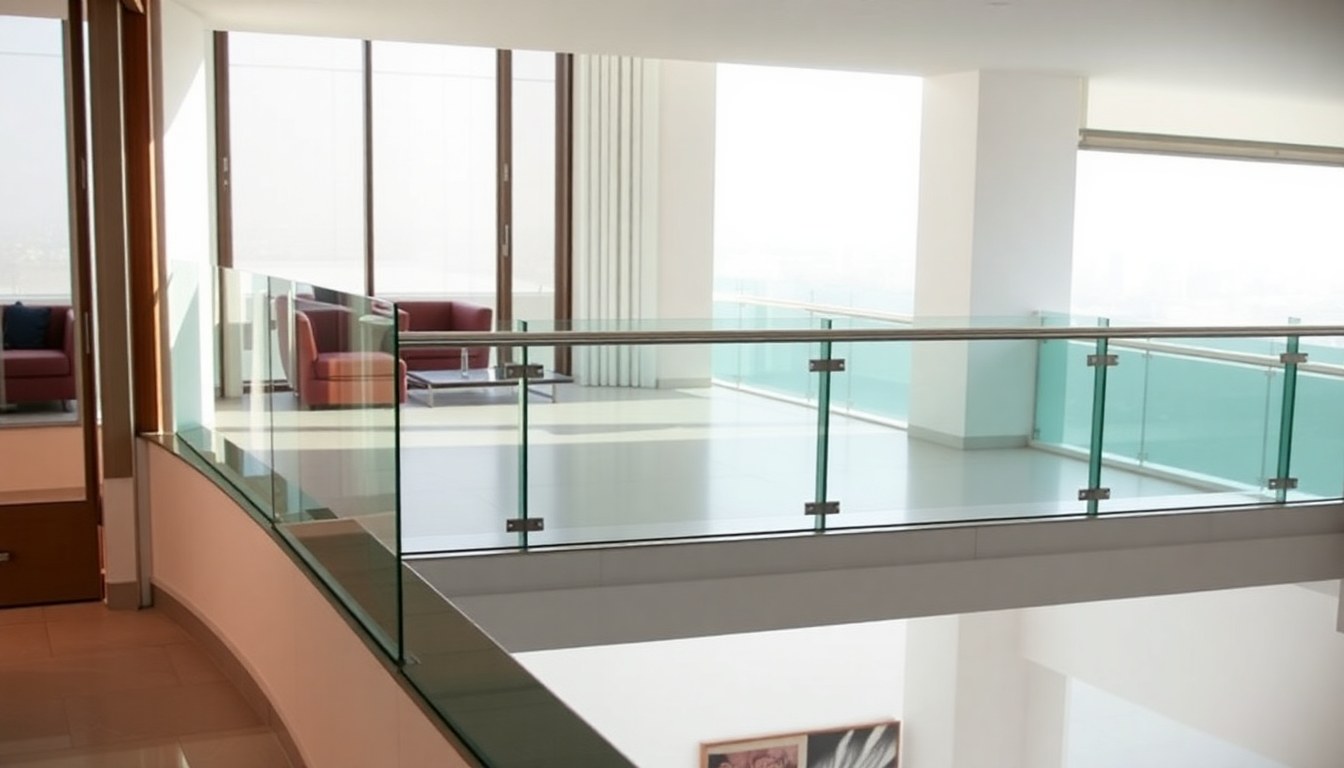
When upgrading your apartment balcony, the choice between frameless and framed glass railing systems fundamentally impacts both your wallet and your home's visual appeal. Frameless glass railings use structural silicone bonding to create a seamless, modern look, while aluminum-framed systems rely on visible metal frames for support. Understanding the cost implications, durability differences, and aesthetic trade-offs will help you make an informed decision that aligns with your budget and design preferences.
What Are Frameless and Framed Glass Balcony Railings?
Frameless glass balcony railings represent a contemporary approach to balustrade design. These systems use toughened glass panels bonded directly to the floor and top rail using structural silicone sealant. The absence of visible metal frames creates an unobstructed view and a sleek, minimalist appearance that has become increasingly popular in modern Indian residential projects.
Framed glass systems, by contrast, use aluminum or steel frames to hold glass panels in place. The metal framework is visible from both inside and outside the balcony, creating a more traditional appearance. These frames provide additional structural support and are often easier to install in retrofit situations. The aluminum frames are typically powder-coated in various colors to match your home's design scheme.
Key Design Differences
- Visual Impact: Frameless systems offer uninterrupted views, while framed systems create a grid-like pattern that some find aesthetically limiting
- Installation Method: Frameless requires specialized silicone bonding; framed uses mechanical fasteners and frame assembly
- Maintenance Access: Framed systems allow easier glass replacement; frameless requires complete re-siliconing
- Customization: Framed systems offer color options through powder coating; frameless relies on glass tinting for customization
Cost Comparison: Frameless vs Framed Glass Railings
Cost is often the primary deciding factor for Indian homeowners. Frameless glass railings typically cost 40-60% more than framed systems, though the exact price depends on several variables including glass thickness, height, length, and your location within India.
Frameless Glass Railing Pricing
Frameless systems generally range from ₹1,200 to ₹2,500 per running meter in major Indian cities. In Delhi and Mumbai, premium frameless installations can exceed ₹2,800 per meter due to higher labor costs and stricter safety compliance requirements. For a typical apartment balcony of 3-4 meters, expect a total cost of ₹3,600 to ₹10,000 depending on glass specifications and structural requirements.
The higher cost reflects several factors: specialized silicone bonding materials, the need for expert technicians trained in structural silicone application, and additional safety testing requirements. Structural silicone bonds must be certified to withstand wind loads and impact forces, which requires third-party testing and documentation.
Framed Glass Railing Pricing
Aluminum-framed glass railings are significantly more budget-friendly, typically ranging from ₹600 to ₹1,400 per running meter. A standard 3-4 meter balcony installation costs between ₹1,800 and ₹5,600, making it an attractive option for cost-conscious homeowners. Bangalore and Hyderabad tend to offer competitive pricing in this category due to higher market competition.
The lower cost is possible because aluminum framing is manufactured in standardized sections, installation is faster, and less specialized training is required. Replacement parts are readily available, and maintenance costs are typically lower than frameless systems over the long term.
Additional Cost Factors
- Glass Thickness: 10mm or 12mm toughened glass costs more than 8mm; frameless systems require thicker glass for structural integrity
- Height Requirements: Balconies higher than 2 meters may require additional safety measures, increasing costs for both systems
- Installation Location: High-rise apartments in premium areas command higher installation fees
- Customization: Frosted, tinted, or laminated glass options add 15-30% to base costs
- Safety Certification: Frameless systems require additional testing and certification, adding ₹5,000-₹15,000 to project costs
Durability and Longevity: Which System Lasts Longer?
Both frameless and framed glass railing systems are designed to last 20-30 years with proper maintenance, but they age differently. The critical factor isn't the glass itself—toughened glass is virtually permanent—but rather the bonding and support systems holding everything together.
Frameless System Durability
Frameless systems depend entirely on the structural silicone seal's integrity. High-quality silicone sealants are UV-resistant and designed to maintain flexibility despite temperature fluctuations. However, silicone can degrade over 15-20 years due to continuous UV exposure, thermal cycling, and moisture infiltration. In Indian climates with intense sun and monsoon seasons, this degradation may occur faster than in temperate regions.
The durability advantage of frameless systems lies in their simplicity: there are no moving parts, hinges, or mechanical fasteners to corrode or loosen. If maintained properly—annual silicone inspection and resealing as needed—frameless systems can perform reliably for 25+ years. However, once silicone fails, the entire panel may need replacement, which is expensive and disruptive.
Framed System Durability
Aluminum frames are inherently durable and resistant to corrosion, especially when powder-coated. The mechanical fastening system is proven across decades of use in Indian buildings. However, aluminum frames can develop micro-cracks in high-stress areas, and powder coating can chip or fade over time, particularly in coastal regions where salt spray accelerates degradation.
The advantage of framed systems is modularity: individual glass panes can be replaced without affecting the entire installation. Fasteners can be tightened, and frames can be re-coated if necessary. This repairability often translates to longer practical lifespan, even if individual components may need replacement sooner than frameless silicone bonds.
Safety Certifications and Building Code Compliance
Both frameless and framed glass railings must comply with Indian building codes and safety standards. However, the certification process differs significantly, and this affects both cost and installation timeline.
Frameless System Certifications
Frameless glass railings fall under structural glazing standards and must comply with IS 6533:2019 (Code of Practice for Use of Structural Steel in General Building Construction) and IS 13830:1993 (Code of Practice for Use of Structural Silicone Sealant Joints in Buildings). Additionally, the structural silicone bond must be tested for shear strength, tensile strength, and adhesion to ensure it can withstand a horizontal load of at least 1.2 kN per linear meter.
Most reputable frameless glass suppliers provide third-party test certificates from NABL-accredited laboratories confirming silicone performance. This certification process adds 2-4 weeks to the project timeline and increases costs by ₹5,000-₹15,000 for a typical apartment balcony.
Framed System Certifications
Aluminum-framed systems must comply with IS 6533:2019 and IS 875 (Code of Practice for Design Loads for Buildings and Structures). The certification requirements are less stringent than frameless systems because the mechanical fastening and frame structure are well-established and predictable. Most manufacturers provide standard compliance certificates without requiring custom testing.
Aesthetic Considerations and Design Flexibility
Aesthetics are deeply personal, but the choice between frameless and framed systems significantly impacts how your balcony looks and feels. Modern apartment designs often favor the clean lines of frameless systems, while traditional or transitional interiors may benefit from the defined structure of framed railings.
Frameless Glass Aesthetics
The primary aesthetic advantage of frameless systems is visual transparency. Without metal frames interrupting your view, the balcony feels more spacious and connected to the surrounding landscape. This effect is particularly valuable in high-rise apartments where the view is a premium feature. The minimalist appearance also works well with contemporary architecture, glass-heavy designs, and modern interior styles.
However, frameless systems offer limited customization options. Your primary design choice is glass treatment: clear, frosted, tinted, or laminated. The silicone color (typically clear or light gray) is not easily changed without complete reinstallation. For homeowners seeking color coordination with their home's design, this limitation can be restrictive.
Framed Glass Aesthetics
Aluminum-framed systems offer greater design flexibility through powder-coating options. You can choose from numerous colors—matte black, brushed silver, bronze, white, or custom colors—to match your home's aesthetic. The visible frame creates a defined, structured appearance that complements traditional, transitional, and even some contemporary designs.
The trade-off is visual obstruction. The aluminum frame creates a grid pattern that divides your view and can make the space feel smaller. For balconies with premium views, this visual interruption may be a significant drawback. However, for urban apartments where views are limited, this consideration becomes less relevant.
Installation Process and Timeline
The installation process differs substantially between these two systems, affecting both timeline and labor costs. Understanding these differences helps you plan your project schedule and budget accordingly.
Frameless Installation
Frameless glass installation is more complex and time-consuming. The process begins with precise structural assessment and load calculations. The flooring and mounting points must be absolutely level and structurally sound, as any deviation compromises the silicone bond. Installation typically takes 3-5 days per balcony, followed by a 7-day curing period before the balcony is safe for use.
The installation requires specialized technicians trained in structural silicone application. These professionals are less common than general glass installers, which can limit your options and increase labor costs. Weather conditions also affect installation—silicone bonding cannot proceed in rain or excessive humidity, which can extend timelines during monsoon seasons.
Framed Installation
Framed system installation is faster and more straightforward. The aluminum frame is assembled on-site or pre-fabricated and installed in sections. Glass panels are fitted into the frame using rubber gaskets and mechanical fasteners. A typical 3-4 meter balcony can be fully installed in 1-2 days, and the system is immediately functional without curing time.
Installation requires basic carpentry and glazing skills, making it easier to find qualified installers. This accessibility also provides more competitive pricing and shorter project timelines. Weather is less of a constraint, though heavy rain should be avoided during the final sealing process.
Maintenance Requirements and Long-term Care
Maintenance needs differ significantly between frameless and framed systems. Understanding these requirements helps you calculate true ownership costs and plan for future expenses.
Frameless System Maintenance
Frameless systems require annual inspection of silicone bonds, particularly the joints between glass and floor, and glass and top rail. Look for signs of silicone degradation, discoloration, or separation. Every 15-20 years, the silicone should be professionally re-sealed to maintain structural integrity. Glass cleaning is straightforward—use standard glass cleaner and soft cloths.
The primary maintenance cost is silicone resealing, which typically costs ₹3,000-₹8,000 per balcony depending on length and accessibility. This is a significant expense but necessary to maintain safety and warranty coverage. Neglecting silicone maintenance can lead to water infiltration, which compromises structural integrity and increases replacement costs exponentially.
Framed System Maintenance
Framed systems require less specialized maintenance. Regular glass cleaning, occasional fastener tightening, and inspection of powder coating for chips or peeling are the primary tasks. If powder coating degrades significantly, professional re-coating costs ₹5,000-₹12,000 but is optional for structural integrity—it's primarily a cosmetic concern.
Aluminum frames are virtually maintenance-free in non-coastal areas. In coastal regions like Mumbai or Kochi, annual rinsing with fresh water prevents salt buildup and corrosion. Overall maintenance costs for framed systems are typically 30-40% lower than frameless systems over a 20-year period.
Regional Pricing Across Indian Cities
Glass railing costs vary significantly across India due to differences in labor costs, material availability, and market competition. Here's a breakdown of typical pricing in major metros:
Delhi and NCR Region
Frameless systems: ₹1,400-₹2,500 per running meter. Framed systems: ₹700-₹1,300 per running meter. Delhi's large glass industry and competitive market keep prices moderate, though high-rise installations in premium areas command premium rates.
Mumbai and Western Region
Frameless systems: ₹1,600-₹2,800 per running meter. Framed systems: ₹800-₹1,500 per running meter. Mumbai's coastal location and higher construction costs elevate pricing across both categories. Premium residential areas like Bandra and Worli command the highest rates.
Bangalore and Southern Region
Frameless systems: ₹1,200-₹2,200 per running meter. Framed systems: ₹600-₹1,200 per running meter. Bangalore offers competitive pricing due to strong market competition and lower labor costs compared to metros. Hyderabad and Pune offer similar or slightly lower rates.
Kolkata and Eastern Region
Frameless systems: ₹1,000-₹1,800 per running meter. Framed systems: ₹500-₹1,000 per running meter. Eastern India offers the most budget-friendly options, though availability of specialized frameless installation services may be limited in smaller cities.
Which System Should You Choose?
The decision between frameless and framed systems depends on your priorities, budget, and aesthetic preferences. Choose frameless glass railings if you prioritize aesthetics, have unobstructed views to protect, can afford the 40-60% premium cost, and are willing to invest in regular silicone maintenance. Frameless systems are ideal for modern apartments, high-rise buildings with premium views, and homeowners who value minimalist design.
Choose framed aluminum systems if budget is your primary concern, you want maximum design flexibility through color options, you prefer lower maintenance requirements, or you're installing railings in a retrofit situation where structural modifications are challenging. Framed systems are practical for traditional or transitional homes, urban apartments with limited views, and cost-conscious homeowners willing to accept minor visual obstruction.
Frequently Asked Questions
What is the average cost of frameless glass balcony railings in India?
Frameless glass railings typically cost ₹1,200 to ₹2,500 per running meter in major Indian cities, with premium installations in Delhi and Mumbai reaching ₹2,800 per meter or higher. For a typical 3-4 meter balcony, total costs range from ₹3,600 to ₹10,000. The final price depends on glass thickness (8mm, 10mm, or 12mm), height, structural requirements, and safety certifications needed for your specific building.
How long do frameless glass railings last?
Frameless glass railings can last 20-30 years with proper maintenance. The glass itself is virtually permanent, but the structural silicone bond—the critical component—typically remains effective for 15-20 years before requiring professional re-sealing. In Indian climates with intense sun and monsoon exposure, silicone may degrade faster. Regular annual inspections and timely re-sealing significantly extend system lifespan.
Are framed glass railings cheaper than frameless systems?
Yes, framed aluminum glass railings cost 40-60% less than frameless systems. Framed systems typically cost ₹600 to ₹1,400 per running meter compared to ₹1,200 to ₹2,500 for frameless. For a 3-4 meter balcony, expect ₹1,800 to ₹5,600 for framed systems versus ₹3,600 to ₹10,000 for frameless, making framed systems significantly more budget-friendly for cost-conscious homeowners.
Do frameless glass railings require special safety certifications?
Yes, frameless glass railings require third-party safety testing and certification to ensure the structural silicone bond meets Indian building code standards (IS 13830:1993). The silicone must be tested for shear strength, tensile strength, and adhesion to withstand horizontal loads. This certification process adds ₹5,000-₹15,000 to project costs and extends timelines by 2-4 weeks. Framed systems have less stringent certification requirements since mechanical